Home Blog Page 25

Control Your Blood Sugar by Knowing the C-peptide Level of Your Body

0

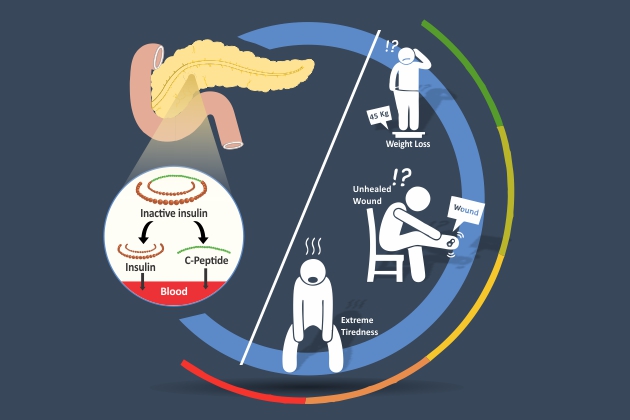
The C-peptide level is measured by taking the blood or urine sample to find how much our body makes insulin. Beta cells of the pancreas, secrete a substance called C-peptide along with insulin. Both C-peptide and insulin are released in about equal amounts at the same time. And, C-peptide stays in the body for a longer time than insulin. Therefore, measuring the C-peptide level can determine the level of insulin present in your body, which helps in diabetes treatment. Insulin controls the blood sugar levels whereas C-peptide level does not affect blood sugar.
 

Why to consider C-peptide test?

C-peptide test can find out –

  • How much insulin your pancreas is making when you have type 1 diabetes. And then, the physician can decide how much insulin treatment should be given to treat type 1 diabetes
  • Whether a person has type 1 diabetes or type 2 diabetes
  • The difference between insulin that body makes and the insulin given by injecting into the body
  • The cause of your low blood sugar (hypoglycemia)
  • Insulin-producing tumor of the pancreas (insulinoma)
  • The correct time to start insulin in a patient with type 2 diabetes
  • How well your treatment is working if you have diabetes


Results

Let us understand the results of a C-peptide test.

  • A normal C-peptide level is 0.5 to 2.0 nanograms per milliliter
  • If the C-peptide level is more than the normal value, it indicates your body is making more insulin than usual
  • If the C-peptide level is less than the normal value, it indicates your body is making little or no insulin


Reasons for high C-peptide level in the body:

  • Your body is insulin resistant or may have type 2 diabetes
  • You may have a tumor known as insulinoma
  • Kidney disease
  • Have taken an excess of a certain class of drugs (sulfonylureas) to treat diabetes


Reasons for low C-peptide level in the body:

  • You may have type 1 diabetes
  • You are on insulin injection and it is suppressing the release of insulin from your pancreas
  • Have a poorly functioning pancreas
  • You may have liver disease or have taken insulin therapy
  • You’ve had your pancreas removed

Before going for the C-peptide test, ask your doctor whether you need to fast or stop medication for diabetes. Because the timing of your most recent meal taken and medications can affect the C-peptide level.

Signs and Symptoms of Diabetes Mellitus

0

Symptoms of type 1 and type 2 diabetes.

Do you know the difference between the symptoms of type 1 and type 2 diabetes? The blood sugar level rises due to the absence of insulin, or insulin is not effectively used by our body. When the body attacks and destroys insulin-producing cells in the pancreas, sugar from the blood does not reach the body cells. As a result, the body suffers from type 1 diabetes. Whereas, when the body cannot effectively use insulin for the transfer of blood sugar to the body cells, it causes type 2 diabetes.

The initial symptoms of type 1 and type 2 diabetes are almost similar. But gradually these symptoms increase the risk of serious health complications if you are not monitoring the sugar levels, regularly.

There are various similar symptoms of type 1 and type 2 diabetes, but they occur in very different ways. Symptoms of type 1 diabetes develop quickly, in a matter of few weeks. It is usually diagnosed in childhood. On the contrary, symptoms of type 2 diabetes develop slowly over years. It is diagnosed usually in people having age above 40.

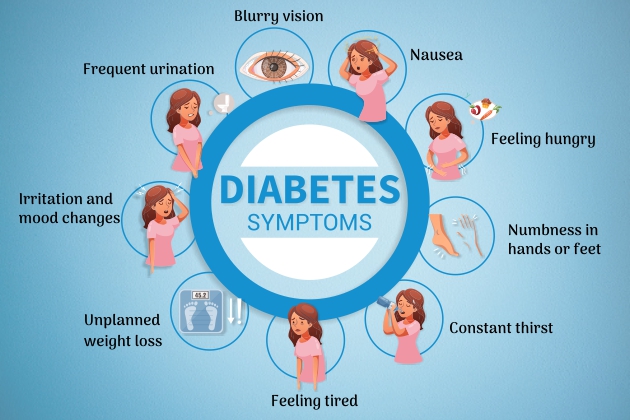
The similar symptoms of type 1 and type 2 diabetes are as follows:

  • Frequent urination
  • Feeling thirsty and drinking a lot
  • Feeling hungry
  • Blurry vision
  • Feeling tired
  • Itchy skin and dry mouth
  • Cuts or sores take a longer time to heal properly
  • Irritation and mood changes
  • Numbness in the hands or feet

Symptoms of Type 1 diabetes

  • Unplanned weight loss
  • Nausea
  • Vomiting
  • Stomach pain

Symptoms of Type 2 diabetes

  • Recent weight gain
  • Formation of the dark patch of skin around the neck, armpit, and groin
  • Frequent yeast infections

How Can We Manage Diabetes?

Currently, there is no cure to prevent type 1 and type 2 diabetes. It can only be managed by:

  • Taking insulin properly in case of type 1 diabetes
  • Monitoring sugar levels and blood pressure regularly at home
  • Taking medication prescribed by the doctor that helps the body use insulin properly in case of type 2 diabetes
  • With regular exercise
  • Maintaining a healthy weight
  • Following a healthy diet plan

If you find any symptoms or risk factors of type 1 or type 2 diabetes, get the insulin blood test done. This test is called as insulin fasting test. It requires fasting of at least 8-10 hours. It is done to measure the amount of insulin present in the blood so that diabetes can be monitored.

Assessing the Risk Factors of Cardiovascular Diseases

Risk of cardiovascular diseases.

It’s all too easy to think that we are not at a risk of cardiovascular diseases (CVD), but if statistics are to be believed, cardiovascular diseases account for 17.9 million deaths each year. According to the World Health Organization (WHO), Indians account for one-fifth of these deaths worldwide.

Cardiovascular disease is very common and mostly silent until it strikes. Therefore, it’s important to recognize the risk factors. To help evaluate your risk of developing cardiovascular disease, your doctor might recommend Apolipoprotein – B test. In other words, this test measures the Apolipoprotein – B (apo B) amount in the blood. If the level of apo B is high, it’s an indication that you are at risk of cardiovascular diseases.

What is Cardiovascular Disease?

Cardiovascular disease is an umbrella term used to describe the conditions that affect the heart and the circulatory system. These conditions include heart attack, stroke, coronary heart disease, and aortic disease.

Factors Contributing to the Risk of Cardiovascular Diseases

Let’s delve into the details to understand your risk for cardiovascular disease:

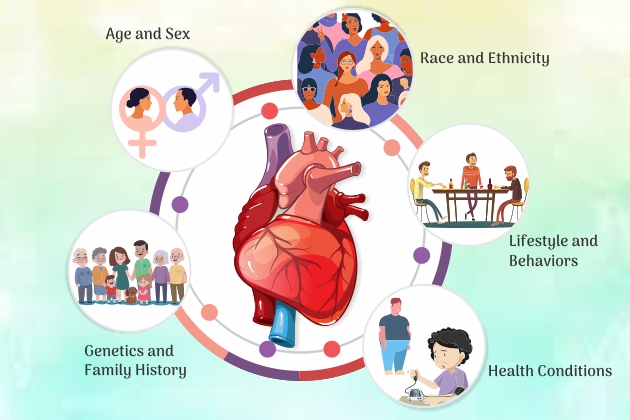
1. Genetics and Family History

The genetic element associated with cardiovascular disease cannot be denied. For instance if you have a family history of this condition, it’s a potential risk factor for you. Certainly, this risk factor applies if your first-degree relative had developed CVD at a relatively young age.

  • Father or brother before age 55
  • Mother or sister before age 65

Additionally, a family history of hypertension (high BP), high cholesterol, and diabetes can increase your chances of developing these conditions, which might increase your risk of CVD.

2. Age and Sex

As you age, you are at a greater risk of developing cardiovascular disease. And although CVD risk is shared by both men and women, women develop cardiovascular disease at a much older age than men. In addition Researchers believe that this late-onset in women is linked to the hormonal changes that occur post-menopause.

3. Race and Ethnicity

Statistics show that people of African, South Asian, or Caribbean descent are at a greater risk of developing CVD.

4. Socio-economic Status

People with low socioeconomic status are more likely to develop cardiovascular disease. Lack of a nutrition-rich diet is generally considered to be one of the biggest contributing factors.

5. Health Conditions

Some of the health conditions that are known to increase your risk of cardiovascular diseases include:

  • High blood pressure
  • Unhealthy blood cholesterol levels
  • Diabetes mellitus
  • Obesity

6. Lifestyle and Behaviors

Your lifestyle habits can increase your risk for cardiovascular disease. These include:

  • Tobacco use
  • Drinking too much alcohol
  • Physical inactivity
  • An unhealthy diet high in trans fat, saturated fats, and cholesterol

Key Takeaway

In conclusion, if you possess one or more risk factors, you have a high chance of developing cardiovascular disease. However, it doesn’t mean that CDV is inevitable. You can lower your risk by making lifestyle changes, including eating a healthy diet, exercising, and quitting smoking or drinking. Moreover, you can reduce your risk of cardiovascular diseases by managing your health conditions like high BP, high cholesterol, and diabetes with doctor-prescribed medications.

Food That Can Enhance Your AMH Levels Naturally

Increase AMH Levels With Food

Once you decide to plan your family, there are a number of factors that need to be essentially taken care of before conception. Some of these factors are external like career, finances, time, etc., while certain factors are internal like your reproductive health. When it comes to reproductive health, certain hormones play a very critical role, such as the Anti-Müllerian Hormone (AMH). Normal secretion of AMH is important for increasing egg count. Let us understand and know about foods increase AMH levels naturally. You can check your AMH levels with the AMH test.

Foods That Increase AMH Levels Naturally

Green Leafy Vegetables

Certain leafy vegetables like arugula, broccoli, kale, etc. are rich sources of vitamin B9 or folic acid. These vegetables are loaded with fiber and help increase the secretion of AMH levels. This further results in increased egg counts. Experts suggest that folate is also helpful in reducing the chances of birth defects.

Almonds

Different dry fruits especially almonds are one of the well-known foods increasing AMH levels naturally. Being rich in vitamin C, almonds naturally increase sexual desire in women. Moreover, regular consumption of almonds can offer minerals, proteins, anti-oxidants, and all types of vitamins. It helps in regular ovulation, and cellular aging, further supporting an increase in the number of eggs.

Pumpkin Seeds

Pumpkin seeds are another important source of zinc and other minerals, which help in boosting reproductive health through the production of multiple hormones like progesterone, AMH, etc. Women regularly consuming pumpkin seeds as a part of their diet are less likely to face any fertility issues. Pumpkin seeds consumption may also help in secretion of the essential hormones, regularization of the menstrual cycle, lesser incidences of PCOD (polycystic ovarian disease), etc.

Garlic

Garlic is a sulfur-rich food that is a regular part of the Indian diet. Studies have suggested that the consumption of garlic has multiple benefits on male and female fertility due to the production of glutathione. It has been known that glutathione increases sexual desire, sperm count, and motility in men. However, in women, it is responsible for preventing chromosomal defects, regularization of menstruation, and secretion of AMH that is responsible for optimum egg production and better egg quality, etc.

Eggs

Eggs are a rich source of omega-3 fatty acids and vitamin B complex; both of which are important for optimum production of AMH.

Conclusively, regular consumption of these foods can increase AMH levels naturally. In today’s world, technology has progressed to the point where you may easily maintain your reproductive health through frequent check-ups and testing such as fertility tests and AMH tests. Moreover, apart from these external indicators, good lifestyle choices and healthy eating habits can support you to maintain your reproductive health.

List Of Foods Rich In Vitamin B

0

List Of Foods Rich In Vitamin-B

Vitamin B foods provide adequate amounts of vitamin B needed for optimal health and general well-being. Above all B vitamins consist of eight water-soluble vitamins that are essential for various cellular processes. However, the body cannot store most of these vitamins, and hence they must be consumed regularly in our diet.

Since vitamin B is easily destroyed during food processing, you are at risk of developing vitamin B deficiency. Certainly symptoms of vitamin B deficiency include heart problems; digestive disorders; depression; and poor hair, skin, and nails. If you experience any of these symptoms, visit your doctor or get a Vitamin B Complex Profile done.

The Role of 8 Essential B Vitamins in Our Bodily Functions

Vitamin Function
B1 (Thiamine) Breaks down amino acids and sugars
B2 (Riboflavin) Repairs DNA and generates ATP (the body’s energy currency)
B3 (Niacin) Generates ATP
B5 (Pantothenic acid) Breaks down amino acids and sugars; synthesizes amino acids and fatty acids
B6 (Pyridoxine) Synthesizes amino acids
B7 (Biotin) Synthesizes fatty acids and breaks down sugars
B9 (Folic Acid) Produces red blood cells and synthesizes DNA
B12 (Hydroxocobalamin) Synthesizes and repairs DNA, synthesizes fatty acid


Here we have listed that contain the highest amount of each of these B vitamins.

Vitamin B Foods: Best Foods for Each B Vitamins

1. Vitamin B1

Daily requirement: 1 – 1.3 mg 

Foods rich in thiamine include:

  • Whole grain or cereal grain
  • Asparagus
  • Kale
  • Liver
  • Eggs
  • Sunflower seeds
  • Pine nuts
  • Potatoes
  • Tuna
  • Pulses (chickpeas, lentils, beans)
  • Peas
  • Peanuts

2. Vitamin B2

Daily requirement: 1.2 – 1.5 mg 

Vitamin B rich in Riboflavin includes:

  • Liver
  • Mushrooms
  • Almonds
  • Milk
  • Spinach
  • Eggs
  • Meat
  • Fish
  • Dairy products

3. Vitamin B3

Daily requirement: 13 – 17 mg 

Foods rich in B3 include:

  • Fish
  • Liver
  • Leafy vegetables
  • Avocados
  • Dates
  • Wholegrain cereals
  • Cashew nuts
  • Pulses
  • Meat
  • Eggs
  • Mushrooms
  • Peanuts
  • Wheat bran

4. Vitamin B5

Daily requirement: approx. 6 mg 

Vitamin B foods rich in B5 include:

  • Chickpeas
  • Eggs and milk
  • Organ meats and beef
  • Brown rice
  • Mushrooms
  • Oats

5. Vitamin B6

Daily requirement: 1.2 – 1.6 mg 

Vitamin B foods rich in pyridoxine include:

  • Corn
  • Banana
  • Chickpeas
  • Dairy products
  • Beef
  • Pork
  • Yeast
  • Fish
  • Green vegetables
  • Soy

6. Vitamin B7

Daily requirement: 30 – 60 μg 

Foods rich in B7 include:

  • Green leafy vegetables
  • Pulses
  • Egg yolks
  • Milk
  • Nuts

7. Vitamin B9

Daily requirement: approx. 0.4 mg 

Vitamin B foods rich in B9 include:

  • Leafy green vegetables
  • Liver
  • Egg
  • Citrus fruits
  • Lentils

8. Vitamin B12

Daily requirement: approx. 3 μg 

Vitamin B foods rich in B12 include: 

  • Fish
  • Meat
  • Poultry
  • Eggs

Take-Home Lesson

Eat a wide variety of wholesome vitamin foods. In addition, the more you process or cook your food, the more nutrients are destroyed. However, get the right amount of vitamin B from natural foods and watch your body miraculously heal and repair itself.

Why Is Testosterone Important?

0

Importance of Testosterone

Before we dive into the importance of testosterone, let’s take a look at what testosterone is. Testosterone is a male sex hormone produced by the testes that play a variety of roles in the body. Regulates bone mass, strength and mass, fat distribution, libido, and red blood cell production. The various functions and roles demonstrate the importance of testosterone in the body.

The Role Of Testosterone In Men

  • Growth and development of the reproductive system
  • Voice deepens during puberty
  • Stimulates hair growth on the face, under the armpits and around the genitals, on the
  • arms, legs, and chest.
  • Sperm production
  • burn fat
  • maintain a normal mood

Testosterone, in a small amount, is converted to estradiol, a form of estrogen which helps in the maturation of the sperm and maintenance of a healthy libido. Men produce less testosterone as they age, and so the production of estradiol becomes very less. In a male, testosterone level increases during puberty reach peak level during the late teenage and then goes down. After age 30 or so, a man’s testosterone levels decrease slightly every year.

Testosterone is present in lower amounts in women. It affects menstruation, fertility, and sexual performance, demonstrating the importance of testosterone in women.

Problems Associated with Low Testosterone Level in Male

  1. Decreased muscle size, strength, and leg press strength
  2. Decreased bone density increases the risk of fractures
  3. Whole-body hair loss
  4. Increased body fat
  5. Low libido
  6. Erectile dysfunction
  7. Infertility
  8. Breast augmentation
  9. Low sperm count
  10. Poor concentration and depression

Problems Associated with High Testosterone Level in Male

  1. Increased risk of heart muscle damage and cardiovascular disease
  2. An enlarged prostate due to difficulty urinating
  3. liver disease
  4. High blood pressure
  5. increase bad cholesterol
  6. acne
  7. The retention of fluid in the body causes swelling of the legs and feet.
  8. weight gain due to increased appetite
  9. increased risk of blood clots
  10. mood swings
  11. obscurity
  12. headache
  13. increase in muscle mass

The side effects of low and high testosterone levels demonstrate the importance of balanced testosterone levels in the body.

Testosterone levels can be balanced by giving men low levels of hormone therapy. Doctors recommend certain medications, dietary changes, and exercise programs to maintain testosterone levels.

If you suspect a low or high testosterone level in your body, undergo an evaluation by getting your testosterone test done.

CA125 Blood Test: A Screening Test for Cancer

0

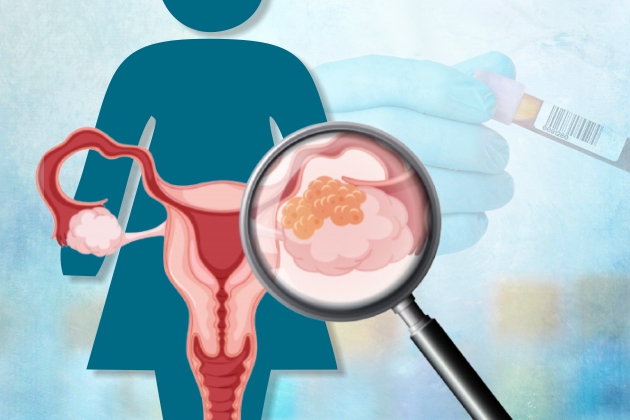
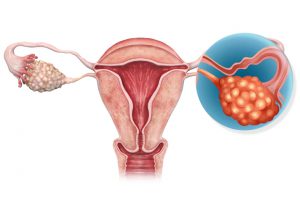
CA-125 blood test finds out the amount of CA-125 protein present in the blood. CA-125 is a protein – cancer antigen 125. Cancer cells produce this protein in the body. Hence, the presence of CA-125 helps to determine and monitor certain cancers during or after the treatment. An increase in the level of CA-125 indicates that a woman has ovarian cancer. But there are several other reasons for the increase in the CA-125 level. This means the CA-125 blood testis not a definite way to use for ovarian cancer screening.

Normal and noncancerous conditions that can increase the CA-125 level are:

  • Endometriosis
  • Liver disease
  • Menstruation
  • Pelvic inflammatory disease
  • Pregnancy
  • Uterine fibroids


Why Is CA-125 Blood Test Performed?

  • For the determination of ovarian cancer
  • To monitor the treatment of ovarian, endometrial, peritoneal, or fallopian tube cancer
  • for checking for the signs of recurrence
  • To look for early signs of ovarian cancer in women who are at high risk for the disease


How Do You Interpret the Results?

Let us understand the results of a CA-125 blood test. The unit used to denote the amount of CA-125 protein present in the blood is units per milliliter (U/mL).

  • The normal value of CA-125 is 35U/mL
  • If the value of CA-125 is more than 35U/mL, it indicates a person may have cancers such as ovarian, endometrial or, peritoneal
  • If the value of CA-125 is less than 35 U/mL, it indicates that cancer is responding to the treatment


Who Should Get Tested?

CA-125 blood test is not recommended for a woman who has an average risk of ovarian cancer. On the contrary, doctors recommend a CA-125 blood test for a woman who has a high risk of ovarian cancer.

The list of high risks of ovarian cancer are:

  • Mutations in the genes such as BRCA1 and BRCA2 genes
  • A family history of ovarian cancer
  • A family history of breast cancer, colon cancer, uterine or rectal cancer
  • A history of endometriosis
  • Never been pregnant

Ovarian cancer occurs when the cells in the ovaries begin to grow and multiply abnormally. The symptoms of ovarian cancer are:
  • Feeling constantly bloated
  • Loss of appetite
  • Increase in urination
  • A swollen tummy
  • Feeling tired
  • Indigestion
  • Back pain
  • Discomfort in the stomach
  • Pain during intercourse
  • Unplanned weight loss

If you are concerned about the risk of ovarian, endometrial, peritoneal, or fallopian tube cancer, consult your doctor today! Get the CA-125 test done as advised by the doctor and ask about the ways to reduce the risk.

Type 1 Diabetes: Causes and Complications

0

Type 1 diabetes 

One of the most important causes of type 1 diabetes is the increase of sugar in the blood. Let us understand how the sugar level increases in the blood. During the process of digestion, most of the food we eat breaks down into sugar (called glucose). Glucose in the bloodstream reaches the body’s cells with the help of a hormone called insulin. And, then our body’s cells use glucose for energy.

Sugar stays in our blood if there is insufficient insulin production. As a result, the sugar level in our body increases leading to a disease called type 1 diabetes. Diabetes is a chronic disease that can damage the heart, kidneys, eyes, and nerves. The diagnosis of type 1 diabetes is more in children, teens, and young adults.

Causes of type 1 diabetes

Causes of type 1 diabetes are not clearly known. But, due to some reason the immune system mistakenly attacks and destroys insulin-producing beta cells in the pancreas. Hence, the pancreas doesn’t make insulin, and sugar builds up in the blood leading to type 1 diabetes. Some of the causes of type 1 diabetes are exposure to the illnesses caused by viruses; family history of type 1 diabetes; the presence of antibodies that mistakenly attack own body’s tissues or organs; and, injury to the pancreas by infection, tumor, surgery, or accident.

Risk factors that can cause Type 1 Diabetes

  • Not taking the right amount of diabetes medicine at the right time
  • Following an incorrect diet plan
  • Not doing enough exercise
  • Having an illness, like the flu
  • Stress
  • Smoking
  • Lack of sleep
  • Taking other kinds of medicines that affect the efficacy of diabetes medicines

Complications of Type 1 Diabetes

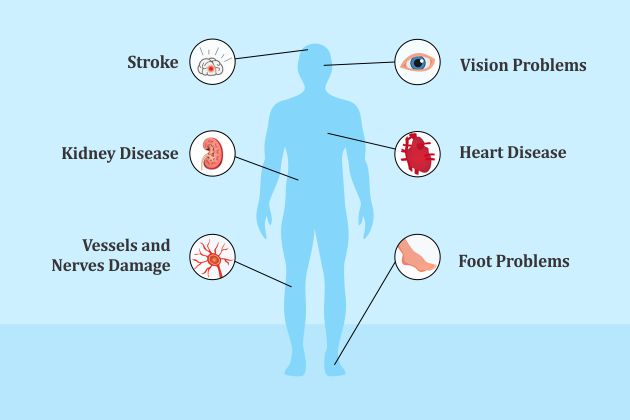
A person with type 1 diabetes may suffer from various health problems such as:

  • Vessels and nerves damage
  • Increase in the risk of heart disease and stroke, kidney disease
  • Vision problems
  • Foot problems
  • High blood pressure
  • Heart attack
  • Stroke

How Can Type 1 Diabetes be Managed?

Currently, there is no definite treatment to prevent type 1 diabetes. It can only be managed by:

  • Taking insulin properly in the body
  • Doing exercise regularly
  • Following a healthy diet plan
  • Monitoring sugar level and blood pressure regularly at home

If you have symptoms or risk factors of type 1 diabetes, go for an insulin blood test. This test is also called as insulin – fasting test. It is done to measure the amount of insulin present in the blood.


Human Growth Hormone Secretion: Can You Optimize Its Level?

Many of us may not be aware that the rate of height gain is regulated by the pituitary gland through the secretion of certain hormones. Human growth hormone, commonly known as HGH, is responsible for regulating growth, cell repair, body composition, and healing after injury or stress. This hormone is released during deep sleep.

Therefore, hormones are very important for physical and mental well-being, weight loss, body composition, and aging. Decreased growth hormone levels can increase the risk associated with disease and abnormal weight gain. Interestingly, some foods help increase growth hormone levels, improve growth, repair cells, and lose weight. Therefore, it can be beneficial to include it in your diet regularly.

Foods that increase HGH

Raspberries

Among the many famous morning glory flowers suggested by nutrition experts, such as blueberries, dried fruits, and more, raspberries may have surprising effects on growth hormone secretion. So, a related study found that including melanin-rich foods like raspberries could increase human growth hormone secretion by about 157%. So, for better nutrition, include oatmeal and raspberries in your morning routine.

Fish: Complimentary Add On

Experts have suggested that vitamin D-related deficiency may have a direct effect on growth hormone secretion. Fortunately, including fish regularly in your diet can solve this problem. salmon and mackerel have been suggested as part of foods that increase growth hormones for growth.

Pineapple: The Sleeping Giant

When you sleep well, you release the human growth hormone. Certain foods like pineapple should be consumed regularly to sustain good sleep. These food are a good source of the sleep hormone. It works as a stress buster and makes you feel relaxed and refreshed.

Some other ways through which you can increase the secretion of human growth hormone!

Apart from including foods that increase HGH, certain other lifestyle changes can also stimulate the secretion of growth hormones in your body.

Weight loss:

Studies have confirmed that belly fat can have a direct association with the secretion of HGH. Thus, it is important to reduce belly fat for the better secretion of human growth hormones.

Intermittent fasting:

Experts have suggested that people who fast intermittently have relatively high secretion of HGH. Thus, intermittent fasting can be helpful to optimize the secretion of HGH in your body.

Reduced sugar intake:

Decreased intake of refined carbs and direct sugars can help you optimize insulin levels, which in turn can regulate the secretion of growth hormones. Moreover, excessive intake of sugar can promote weight gain and affect the secretion of growth hormones.

The bottom line is that human growth hormone is an important hormone, responsible for your body composition and overall wellbeing. With proper diet and lifestyle changes, you can control its secretion to some extent. With diagnostic advancements today, it is possible to know the secretion profile of human growth hormone in your body, through the human growth hormone test available.

How increase AMH levels naturally : What is the Connection?

How increase AMH levels naturally? Many of us may not be aware that, thanks to advances in diagnosis, an AMH test, now a simple blood test, can always confirm infertility. Yes, anti-Müller hormones can tell you about your fertility status. Read on to learn more about the AMH test and whether it can raise your AMH levels naturally.

Importance of AMH

AMH is a hormone level that indicates how many fertilized eggs a woman has at any given time. This hormone is secreted by granulosa cells present in the ovarian lining of resting follicles. A diagnostic assessment of AMH levels is confirmed by serum sampling at any time during the menstrual cycle. The higher the number of fertilized eggs during a woman’s menstrual cycle, the higher the level of AMH released from the cells and the higher the chances of becoming pregnant. Research has shown that aging, autoimmune diseases, and many other medical disorders can directly affect ovarian stockpiles in women, attributed to low AMH secretion.

How increase AMH levels naturally?

Let’s understand how

Weight loss:

Many books are suggesting a direct link between obesity and decreased AMH secretion. In particular, for women over the age of 40, it is very important to promote weight loss through appropriate exercise and diet to reduce the occurrence of ovarian cysts and increase AMH levels.

Inclusion of nutrient-rich diet:

Other studies have confirmed that the inclusion of nutrient-rich foods such as fish, vitamin D supplements, and blueberries can improve the nutrient supply of the ovarian lining by increasing the supply of oxygenated blood. This may further promote AMH secretion.

Lifestyle changes:

Regular smoking, alcohol intake can have a detrimental impact on your fertility status. Many studies have confirmed that smoking in women can induce aging effects in the ovaries, resulting in reduced AMH levels. Thus, adopting a healthy lifestyle can trigger better ovarian health and increase AMH levels naturally.

Final Thoughts

The AMH test is a helpful tool, supporting easy access to know your fertility status. Many IVF experts promote the same to help their patients guide with fertility treatments and/or better health in women. If you are one of those planning for pregnancy and haven’t been able to conceive; the AMH test can be a part of your basic fertility assessment.