Home Blog Page 24

Family Preventive Care Strategy – Let’s Make A Healthy Family

0

Family preventive care strategy – Let’s make a Healthy Family

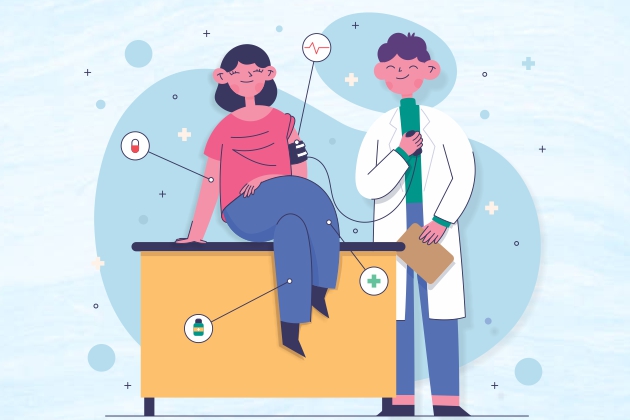
Family Preventive Care beforehand is always better. Once heath is lost it’s lost forever. Ensure to take smart measures for yourself as well as your family. One such important decision is choosing preventive care strategy.

How preventive care keeps maladies at Bay!

Regular check-ups minimize the chances of getting the disease in the first place and if at all found to be having them, we have time to tackle it. They act as a barrier between us and the enemies of our health. There is a number of tests that can safeguard us from diabetes, thyroid disorders, heart conditions, liver diseases, obesity, deficiency of vitamins and minerals, and many more as:

1. Diabetes

  • Hemoglobin A1c Test (HbA1c) helps to identify as well as monitor the blood sugar levels for the last 3 months.
  • Blood glucose test and Fructosamine Test also tells about the blood sugar levels.

2. Thyroid Disorders

  • Thyroid-stimulating hormone (TSH), Thyroxine (T4), and Triiodothyronine (T3) Test detect conditions like hyperthyroidism and hypothyroidism.
  • Free Triiodothyronine (FT3) and Free Thyroxine (FT4) Tests are done for diagnosis as well as observation of related treatment.

3. Liver Disorders

This test tells about the efficient detoxification and transportation of bilirubin, hormones, metal ions, vitamins, and drugs, thus analyzing the working of the liver and the presence of diseases related to it.

4. Heart diseases

Lipoprotein-associated phospholipase A2 (Lp-PLA2), apolipoprotein A (apoA) and apolipoprotein B (apoB) test, and Homocysteine levels are cardiac risk markers. They monitor the levels of cholesterol and indicate the presence of heart diseases, stroke, and atherosclerosis (hardening of the arteries).

5. Kidney Diseases

Levels of uric acid, albumin, calcium, creatinine, and blood urea nitrogen (BUN) help to evaluate kidney functions and monitor kidney diseases.

6. Minerals and Vitamins Imbalance

  • Testing the levels of minerals and Vitamins can warn you about any deficiency and thus help prevent the diseases it can bring. Also can tell you about the excess of these in the body which is harmful too.

Preventive Care Serves all Age Groups

  • Protects everyone, from infants to the elderly.
  • For growing children, it offers tests for deficiencies like iron, vitamin, mineral, and nutrient deficiency.
  • Adults due to sedentary lifestyles and unplanned diets should get tested for the probability of getting diabetes, thyroid disorders, deficiencies, and imbalance in the level of lipid and cholesterol.

With aging the risk of bone and heart disease increases in elders, so along with the above tests, these two should be checked in them.

Importance of Regular Heart Check-ups

0


Importance of Regular Heart Check-ups The Centre for Disease Control has presented an alarming number of rising incidences of cardiovascular disorders amongst the urban population. Experts suggest that a regular heart check-up is important to gain control over rising incidences of cardiovascular disorders. Continue reading to understand the importance of preventive healthcare and how regular diagnostic tests e.g. lipid profile, etc. can help you minimize the risks associated with the same.

Benefits of Regular Heart Check-ups

  • Regular heart checkup is important because they can detect the issue at a very naïve stage. This will further help in getting the right treatment at right time for a complete cure.
  • Reduce chances of getting ill due to other comorbid conditions
  • Can reduce treatment cost to the considerable extent
  • Help to be prepared in advance with the understanding of developments in treatment and diagnostic tests for accurate analysis

Important Screening Tests Recommended for Cardiovascular Disorders

Multiple tests can be performed both in-house and with expert handling to keep yourself healthy and strong. They can be noted as:

Blood pressure check:

When you talk about why the Importance of Regular Heart Check-ups, then one cannot ignore a regular check on blood pressure. If you have chronic high blood pressure, then your risk of cardiovascular disorders and other ischemic diseases increases. However, by regularly monitoring your blood pressure, you can ensure that your blood pressure levels remain stable. On average statistics suggest that women are more susceptible to high blood pressure after menopause.

Lipid profile check:

This is a set of blood tests specifically measuring total cholesterol, including bad cholesterol, good cholesterol, and triglycerides. Experts suggest that in the current pandemic situation, regular heart check-ups with a lipid profile are important. This becomes a necessity when you are experiencing symptoms like blood pressure or chest pain etc.

Glucose Levels:

Once you pass the age of 40, it is critical to get your blood sugar levels tested every three months. Studies have indicated that high blood glucose levels can put you at an increased risk of cardiovascular disorders and other morbid conditions like stroke, paralysis, etc. If you don’t treat your diabetes for several years, you’re more likely to develop mental illness and other cardiac problems.


If you are at an elevated risk of cardiovascular problems owing to your lifestyle, age, other comorbid conditions, or factors, you should keep a track of checking your heart health regularly. It has also been advised that people with increased risk of cardiovascular disorders should discuss their dietary habits, lifestyle habits, etc. with experts to get the right piece of advice at the right time.

Vitamin B Deficiency Diseases: Types, Symptoms, and More!

0

Vitamin B deficiency diseases affect your brain, heart, mental well-being, and more. If you don’t obtain enough vitamin B from your diet or if your body doesn’t absorb enough from the food you consume, you’re at risk of having vitamin B deficiency disorders. If you wish to decrease the health hazards connected with vitamin B deficiency, there are several things you may do. To begin, have a Vitamin B Complex Profile performed to check if you are deficient. If you are, consult your doctor about what you should do next.

Vitamin B Deficiency Diseases and Conditions

1. Beriberi

A deficiency of vitamin B1 (thiamine) causes beriberi. This disease is of two types: wet beriberi (which affects the cardiovascular system) and dry beriberi, also known as Wernicke-Korsakoff syndrome (which affects the nervous system).

The symptoms of dry beriberi include:

  • Nystagmus (eye movements)
  • Tingling feeling or numbness in feet and hands
  • Difficulty in walking
  • Difficulty in speaking
  • Weakness in muscles or paralysis
  • Confusion
  • Vomiting
  • Pain

Wet beriberi can cause additional symptoms, such as:

  • Increased heart rate
  • Shortness of breath
  • Swelling in the legs

If beriberi is detected during its early stages and treated on time, the heart and nerve damage caused can be reversed. But if beriberi progresses to Wernicke-Korsakoff syndrome, the brain damage is often permanent. 

2. Pellagra

Pellagra is a disease that is caused due to vitamin B3 (niacin) deficiency. The common symptoms include:

  • Diarrhea
  • Dermatitis
  • Dementia
  • Insomnia
  • Tongue inflammation
  • Hair loss
  • Weakness
  • Ataxia
  • Aggression
  • Confusion
  • Dilated cardiomyopathy

A diet that lacks niacin causes reduced production of nicotinamide adenine diphosphate (NAD), which is required for some crucial metabolic functions in the body. If left untreated, it can even lead to death within 4 to 5 years.

3. B12 Deficiency

Vitamin B12 (cobalamine) is only present in animal foods. As a result, vegetarians and vegans are at high risk of B12 deficiency. The symptoms of B12 deficiency include:

  • Tingling or numbness in legs, hands, and feet
  • Anemia
  • Depression
  • Difficulty walking
  • Tongue inflammation
  • Cognitive changes
  • Jaundice
  • Hallucinations
  • Weakness
  • Paranoia
  • Fatigue

4. Folate Deficiency

Folate (vitamin B9) works with other B vitamins to metabolize proteins, and synthesize both blood cells and DNA. Since the body doesn’t store this vitamin, its levels can become low after consuming a folate-deficient diet for just a few weeks. The primary symptoms of folate deficiency include:

  • Irritability
  • Fatigue
  • Diarrhea
  • headache
  • A smooth or tender tongue.
  • Increased risk of neural tube defect in the developing fetus of a pregnant woman

Other Health Conditions Linked With Vitamin B Deficiency

  • Peripheral neuropathy: A condition affecting the nervous system, characterized by a stabbing or burning pain.
  • Heart attack and stroke: Vitamin B12 deficiency increases the risk of getting a stroke or heart attack.
  • Paresthesia: A condition characterized by a feeling of “pins-and-needles” experienced around the legs, hands, arms, or feet
  • Psychosis: A mental condition that alters the thoughts and perceptions, leading to hallucinations, delusions, nonsense talks, or other symptoms.

Key Takeaway

For most people, a well-balanced diet containing a variety of grains, meats, fruits, and vegetables is enough to prevent a vitamin B deficiency. The elderly with medical conditions and pregnant women are at high risk of vitamin B deficiency and hence need to or are advised to take vitamin B supplements.

The Importance of Liver Health

0

Liver health

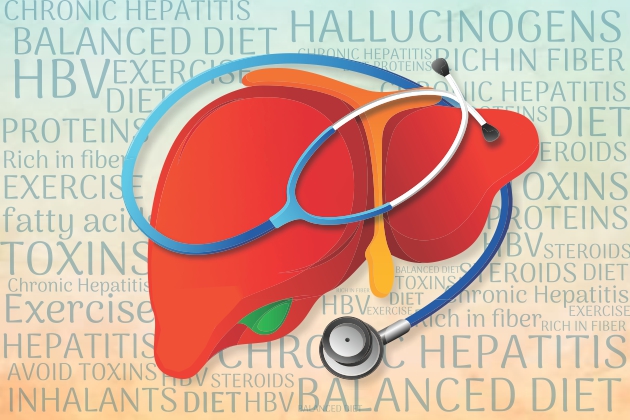
Although, the liver is a regenerative organ; it is more prone to damage easily due to a higher degree of exposure to toxic compounds, drugs, digestion issues, etc. The best way to fight against liver damage is to keep your liver healthy with good diet and lifestyle habits.

Continue reading to learn about the changes you’ll need to make to keep your liver in good shape.

A Healthy and Balanced Diet as per Your Genes

According to studies, one should include foods in his or her diet that his or her genes allow. Dietary commitments inherited from your parents are equally essential and should never be overlooked. This can be further clarified by stating that if you are a habitual vegan eater and suddenly stop, your liver may experience stress due to particular substances found in the animal diet or non-vegetarian food. Furthermore, maintaining a healthy body weight is critical for reducing the liver’s fat-storage mechanism and allowing it to go in a stressed condition to digest more.

Diet Plans to Keep Your Liver Healthy

Expert nutrition specialists across the world believe that with the right combination of diet and exercise; you can certainly keep your liver healthy. Your diet should be well-balanced and rich in fiber, proteins, and essential carbohydrates. It is advisable to avoid raw, uncooked fish, saturated fatty acids, and refined carbohydrates, etc. that are capable of putting a burden on your liver. Similarly, too much indulgence in fatty food can damage functional attributes of your liver; a condition is known as non-alcoholic fatty liver.

Avoid Toxins

Long-term exposure to toxins, steroids, and other artificial preservatives can pressurize your liver due to overload. Similarly, contact inhibition with pesticides, natural aerosol creators used in household cleaning, smoke, etc. can reduce your liver health. Statistical analysis has proposed that the illicit use of certain drugs, such as heroin, hallucinogens, inhalants, or certain types of psychotherapeutics for a longer period can cause permanent damage to the working capacity of a liver.

Stay Away From Viruses

Accidental exposure to viruses, like chronic hepatitis or HBV can have a detrimental impact on the liver. The condition if treated on time can be beneficial to keep your liver healthy. It is advised to be vigilant before using needles, razors, and nail clippers. It is possible that they are carrying viruses through minute body fluid droplets. Similarly, one should use protection while having sex with an unknown person to avoid future consequences.

Today, with advancements in science and technology number of diagnostic tests like liver function tests are available that can be helpful to routinely analyze liver health. Accurate diagnosis and timely treatment can help you reduce the consequences associated with liver damage.

Learn About Cardiovascular Problems and How to Prevent Them

0

How to prevent cardiovascular diseases?

Gaining a better understanding of cardiovascular disease and its risk factors can help you prevent it. Cardiovascular diseases are conditions that affect the function of the heart and blood vessels. Different types of heart diseases include heart attack, heart failure, heart infection, heart valve disease, etc. The cause of heart disease depends on its specific type. But, the risk factors associated with different types of cardiovascular diseases are common. Some of the risk factors cannot be controlled whereas some of them can be controlled. Learning about them can help to prevent cardiovascular diseases.

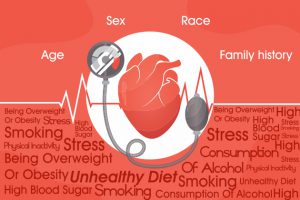
Examples of the risk factors that we cannot control to prevent cardiovascular diseases

  • Age
  • Sex
  • Race
  • Family history

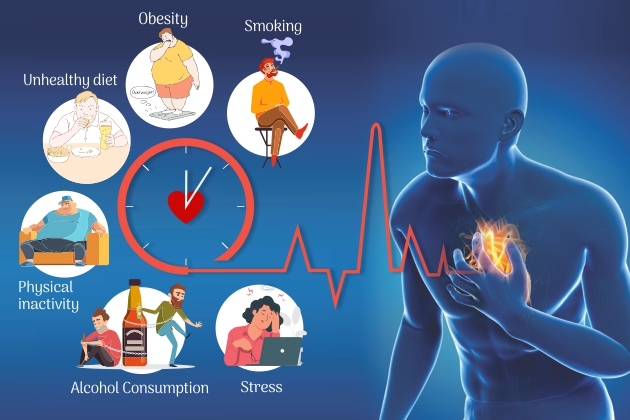
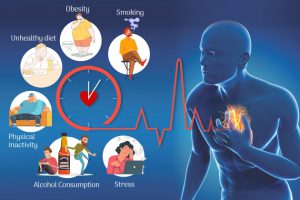
Examples of the risk factors that we can control to prevent cardiovascular diseases

  • High blood sugar
  • High levels of cholesterol
  • Being overweight or obesity
  • Unhealthy diet
  • Physical inactivity
  • Smoking
  • Alcohol Consumption
  • Stress


Steps to Prevent Cardiovascular Diseases

Regular health screenings:

Get regular health screenings to control high blood sugar, blood pressure, and cholesterol so that the risk of getting heart diseases can be reduced.

Get enough quality sleep:

Adults should get 7 to 9 hours of sleep per night to avoid getting high blood pressure, obesity, diabetes, and depression.

Reduce stress:

Some people under stress have a habit of overeating, heavy drinking, and smoking which increases blood pressure and the risk of a heart attack.

Stop smoking:

Smoking increases blood pressure and the risk for heart attack and stroke. Hence, avoid smoking.

Limit the consumption of alcohol:

Drinking alcohol raises blood pressure and adds extra calories to the body. This causes weight gain and increases the risk of heart disease.

Maintain a healthy weight:

Excess weight or obesity can increase blood sugar, blood pressure, high cholesterol. We should maintain our weight to lower these risks.

Regular exercise:

A systematic workout helps to maintain a healthy weight and reduces the chance of getting high cholesterol, blood sugar, and blood pressure.

Eat a healthy diet:

Include vegetables, fruits, beans, fish, fat-free dairy foods, whole grains, and healthy fats in your diet to prevent cardiovascular diseases.


If you have any symptoms of heart disease, consult your doctor and get your cardiac risk markers profile checked. This profile is a group of five tests done to assess the levels of cardiac risk markers like different lipids and CRP present in your blood. It helps to evaluate the risk of heart diseases.

A Quick Insight About Blood Glucose Levels

0

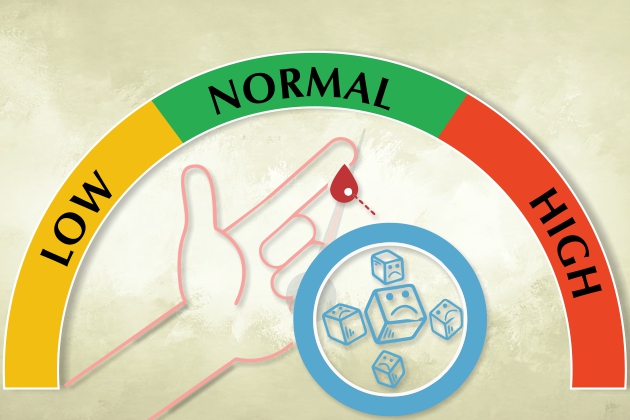
Your blood glucose levels may be high (hyperglycemia), low (hypoglycemia), or normal. To control the severity of the disease, it’s critical to keep blood glucose levels close to normal if you have diabetes. You may need to monitor your blood glucose levels numerous times every day. Your doctor may also advise you to take a fasting blood sugar test.

How much glucose in the blood is too much or too little? And why is it dangerous for your health to have high or low blood glucose levels? Here’s how having high or low blood sugar levels affect your health.

What are Blood Glucose Levels?

Blood glucose comes from the food you consume. Carbohydrate-containing meals are transformed into sugars when consumed. These sugars are released in the blood and carried to the body cells to use for energy. The pancreas releases a hormone called insulin that forms a bridge to allow the glucose to go from the blood to the cells. When the body cells take up the sugars, the blood glucose levels go down.

What are normal blood glucose levels for adults?

Fasting & PP Normal Range
After fasting for at least 8 hours Less than 100 mg/dL
After 2 hours of eating food Less than 140 mg/dL

Any glucose levels lower or higher than normal are unhealthy. A level higher than 200 mg/dL after two hours of eating indicates diabetes. If the blood glucose levels are higher than normal but not as high as the range of full-blown diabetes, it indicates prediabetes.

When you have diabetes, your body isn’t capable of transporting the sugar from the blood to the cells. This could be either a problem with the cells using insulin, or the pancreas producing insulin, or both. The unused sugar accumulates in the blood and the blood glucose levels keep increasing if left untreated or not managed well through diet.

Glucose and Your Body

If blood glucose levels are high (hyperglycemia), it acts as a slow poison.

  • It can erode the ability of cells in your pancreas to make insulin, causing permanent damage to the pancreas over time.
  • It can cause changes in the body, leading to hardening of the blood vessels, called atherosclerosis.

If the blood vessels are damaged, it can lead to health conditions such as:

  • Stroke
  • Kidney disease or kidney failure
  • Heart attack
  • Weakened immune system
  • Vision loss or blindness
  • Erectile dysfunction
  • Nerve damage (neuropathy)
  • Slow wound-healing and possible amputation in some rare cases

If your blood glucose levels are low, below 70 mg/dL (hypoglycemia), you may feel:

  • Light-headed
  • Dizzy
  • Irritated
  • Sweaty
  • Tired
  • Anxious
  • Shaky
  • Confused

If the sugar level drops to below 20 mg/dL, you may lose consciousness or even have a seizure.

As a thumb rule, keep your blood glucose levels as close to the normal range as possible to avoid complications. You can achieve this by taking medications as prescribed, following a healthy, balanced diet, and exercising regularly.

Vital Functions of Vitamins in Our Body

Why are Vitamins Important

uses of vitamins in our body, let’s understand what vitamins are. Vitamins are essential micronutrients. Our body needs a small amount of them to perform many functions. These come from plants and animals. There are two types of vitamins in our food, water-soluble vitamins, and fat-soluble vitamins. Each vitamin plays a different role in the body to keep the body healthy. Most people get all the vitamins from a balanced diet, but some may need to take additional supplements.

Uses of vitamins in our body

  • Supports cellular function, normal growth, and development
  • Helps cells and organs perform their functions.
  • Boost your immune system
  • Helps blood clot and heal wounds
  • Help reduce infection
  • Keep your nerves healthy

Use of Fat-soluble Vitamins in Our Body:

  • A: Vitamin A is essential for vision, immune system health, healthy skin, bone, teeth, soft tissue, mucous membranes, etc.
  • D: Vitamin D helps the absorption of calcium and phosphate in the body. As a result, it keeps the bones, teeth, and muscles healthy
  • E: Vitamin E is an antioxidant, that helps to protect the cells from damage caused by free radicals. It helps to regulate the platelet aggregation and protects the cell membrane
  • K: Vitamin K is essential for blood clotting and healing wounds

Use of Water-soluble Vitamins in Our Body:

  • B1: Vitamin B1 is important for energy metabolism, heart function, and healthy nerve cells
  • B2: Vitamin B2 is important for normal vision, skin health, body growth, and the production of red blood cells
  • B3: Vitamin B3 helps maintain healthy skin, nervous system, and metabolism of carbohydrates and proteins
  • B5: Vitamin B5 is useful for energy metabolism, production of hormones, and cortisol
  • B7: Vitamin B7 helps in the metabolism of proteins and carbohydrates as well as the cell to cell communication
  • B9: Vitamin B9 helps in DNA replication, metabolism of amino acids, and cell division
  • B12: Vitamin B12 aids in fat and protein metabolism, DNA synthesis, maintains the central nervous system, and is needed for making red blood cells
  • C: Vitamin C is important for healthy teeth, gums, protein metabolism, immune system health, and iron absorption

You can get a Complete Vitamin Profile to measure the amount of fat-soluble and water-soluble vitamins present in your body. Detect vitamin deficiency or vitamin excess in our body to reduce health risks, boost immunity, and maintain overall health.

Thyroid Hormone: Should You Worry About It?

While each one of us is struggling for a good body and youthful glow today; we tend to ignore the special role hormones play at the same. The thyroid hormone is a crucial player in controlling all the metabolic activities in our body. Due to certain causes of thyroid in females, body tends to produce too much or too little of it. This makes us feel tired, restless, gain weight; especially during or after pregnancy and menopause.

Read on further to know more about thyroid hormone and why is it important?

With rising prevalence, we carry many myths and mysteries about this hormone and equate it to conditions that are incurable and lifelong medications. However, in reality, all thyroid-associated problems are easy to diagnose with the help of T3-T4 and TSH tests and are curable.

Importance of Thyroid Hormones

Before moving ahead to know the causes of thyroid in females; we should know its importance. It is highly critical to regulating all cellular and metabolic processes of our body. The thyroid hormone supports and maintains important functions like memory, energy levels, bone health, bone marrow production, proper functioning of cardiovascular systems as well as gut functioning.

Causes of Thyroid in Females

It is well-acknowledged fact that women are more prone to a disturbance in thyroid hormone as compared to males. The reasons for the same are not much elaborated so far, but certain general reasons can be:

Genetic predisposition

Studies have indicated that the development of thyroid imbalance can be linked with genetic predisposition and autoimmune disorders. Unfortunately, women are more susceptible to autoimmune disorders than males. Some of the reasons for the same include increased stress, lack of sufficient calcium during/after pregnancy, lifestyle choices like lack of sufficient iodine intake, birth control pills, lack of regular exercise.

Stress

In general, women have to deal with many triggers in a day. Children, household duties, personal and professional balance make them choosy about the food they eat and the lifestyle they chose for themselves. This has a direct impact on the hormonal levels and susceptibility towards the same.

Pregnancy/Menopause

The decision to be a mother welcomes many changes in a woman’s life. A woman has to go through a series of hormonal changes during and even after pregnancy; making her more susceptible to thyroid imbalance. Studies have indicated that even after menopause series of changes occur in a woman’s life that may make her susceptible to hormonal imbalance.

Excessive steroidal consumption

Long-term intake of steroidal medicines, hormonal supplements during a process of birth control or due to chronic illness are some of the important causes of thyroid in females.

With the right treatment at right time, it is possible to manage the negative impacts of thyroid hormones. It is thus important to seek immediate medical attention if you are experiencing any of the common symptoms like fatigue, unexplained weight gain, frequent mood swings, lack of energy, etc.

Cardiovascular Diseases and Their Prevention

0

You can prevent cardiovascular diseases by getting a better understanding of the disease and knowing its risk factors. Cardiovascular diseases are conditions that affect the function of the heart leading to heart diseases. There are different types of heart diseases that include heart attack, heart failure, heart infection, heart valve disease, etc. The cause of heart disease depends on its specific type. However, risk factors that lead to different types of cardiovascular disease are common. Some risk factors are out of control, while others are. Learning about them can help to prevent cardiovascular diseases.

Examples of the risk factors that we cannot control to prevent cardiovascular diseases

  • Age
  • Sex
  • Race
  • Family history

Examples of risk factors that can be controlled to prevent cardiovascular disease

  • High blood sugar
  • High levels of cholesterol
  • Being overweight or obesity
  • Unhealthy diet
  • Physical inactivity
  • Smoking
  • Consumption of alcohol
  • Stress

Steps to prevent cardiovascular diseases

  • Regular checkups: You can reduce your risk of heart disease by having regular health checks to control your blood pressure and cholesterol.
  • Enough quality sleep: Adults should sleep 7-9 hours a night to avoid high blood pressure, obesity, diabetes, and depression.
  • Reduce stress: Some people under stress have a habit of overeating, heavy drinking, and smoking which increases blood pressure and the risk of a heart attack.
  • Stop smoking: Smoking increases blood pressure and the risk for heart attack and stroke hence you should stop smoking.
  • Limit the consumption of alcohol: Drinking alcohol raises blood pressure and adds extra calories to the body. This causes weight gain and increases the risk of heart disease.
  • Maintain a healthy weight: Excess weight or obesity can increase blood sugar, blood pressure, high cholesterol. We should maintain our weight to lower these risks.
  • Regular exercise: It helps to maintain a healthy weight and reduces the chance of getting high cholesterol, blood sugar, and blood pressure.
  • Eat a healthy diet: Include vegetables, fruits, beans, fish, fat-free dairy foods, whole grains, and healthy fats in your diet to prevent cardiovascular diseases.

If you have any symptoms of heart disease, consult with your doctor. This test is a group of five tests done to check the levels of cardiac risk markers present in your blood. It helps to evaluate the risk of heart disease.

Cancer Prevention: Ways to Reduce Cancer Risk

Cancer Prevention Tips

Cancer Prevention Tips

Are you concerned about reducing cancer risk? Make your lifestyle choices healthy and prevent yourself from cancer risk! A small and simple change in your lifestyle can make a difference. For example, stop using tobacco, reduce alcohol consumption, eat a healthy diet, maintain a healthy weight, and be more active. Research shows that the development of many cancers is linked to lifestyle behaviors. Poor diet and being inactive are the main factors to increase cancer risk. Hence, it is important to have a balanced diet rich in vegetables, fruits, and whole grains with a healthy lifestyle. Following tips may help us to prevent the cancer risk.

Tips to Reduce Cancer Risk

  • Get regular screening tests done to find cancer at an early stage
  • Get vaccinated against human papillomavirus and hepatitis B virus
  • Maintain a healthy weight
  • Eat a healthy balanced diet ( Know about healthy diet)
  • Limit the intake of foods with added sugars
  • Limit the intake of saturated fat and processed meat
  • Avoid smoking
  • Limit the intake of alcohol
  • Protect skin from ultraviolet radiations of the sun
  • Avoid exposure to toxic substances such as asbestos fibers and benzene
  • Exercise regularly
  • Make quality sleep a priority
  • Get enough vitamin D

List of Foods to be Added to Our Diet to Reduce Cancer Risk

  • Broccoli
  • Carrots
  • Beans
  • Berries
  • Cinnamon
  • Nuts
  • Citrus fruits
  • Tomatoes
  • Flax seeds
  • Garlic
  • Fatty fish

Get Regular Cancer Screening Tests to Reduce Risk of Cancer

  • People over the age of 45 should get a colonoscopy to screen for colorectal cancer
  • Women who are above 45 years should get mammograms every year to screen for breast cancer
  • Men over the age of 50 should consult their doctor if they need a prostate cancer test
  • A smoker or ex-smoker should talk to a doctor about a CT scan for lung cancer
  • Consult a dermatologist every year to check skin from head to toe for unusual spots that could lead to skin cancer

A person with a risk of cancer should get a CA-125 test (cancer screening test) done. This test measures the amount of cancer antigen 125 protein present in the blood. The presence of CA-125 protein in blood shows the presence of cancer cells in the body. The CA-125 test is done to diagnose cancer and monitor cancer during and after the treatment.