Home Blog Page 26

Syphilis: What Do You Need To Know About?

With the increasing prevalence of sexually transmissible diseases, syphilis has gained quite a lot of attention recently due to lasting health impacts. Syphilis is caused by the bacteria Treponema pallidum and is commonly transmitted through unprotected sexual contact with an infected person. In most cases, the condition is difficult to diagnose, as the bacteria can lie dormant years after initial infection. However, we must understand that if not treated on time, the condition can take a dangerous turn by promoting multiple organ failure in an advanced stage.


Stages of Syphilis Infection

Stating that, the causes for syphillis is sexually transmitting bacterial infection and is highly prevalent today. Most often the initial infection of syphilis often goes unnoticed. Depending upon the stages of infection, a person can exhibit multiple symptoms.

The primary stage of infection

Characteristic of this stage is  either single and/or multiple painless, round-shape sores, often known as a chancre. These sores may last for almost six to eight weeks with and/or without treatment. Administration of timely treatment advisable at this stage to limit its progression to the secondary infection that is often more dangerous.

The secondary stage of infection

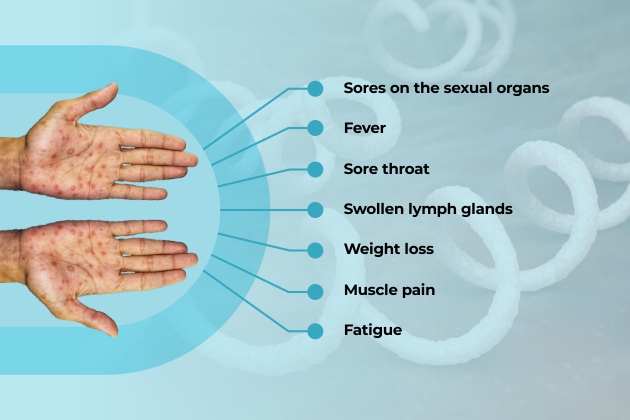
Apart from the presence of typical rash at more than one part of the body, this stage is often characterized by multiple other symptoms like

  • Sores on the sexual organs
  • Fever
  • Sore throat
  • Swollen lymph glands
  • Weight loss
  • Muscle pain
  • Fatigue

If untreated at this stage, the infection can advance to the tertiary phase of infection

The tertiary stage of infection

This is the most advanced stage of infection. Generally, 30-40% of the people not getting treatment at right time can develop the same. People with this stage of infection suffer from dementia, mental fog, severe headache, cardiovascular issues, and paralysis.

Causes And Risk Factors of Syphilis

As already explained, syphilis causing bacteria enters the body through direct contact with an infected person. It is important to note that the infection does not spread after using cloths, napkins, and other items of an infected person. On a general note, an individual who is involved in sexual intercourse with an infected person without using protection is at a higher risk of infection. Especially, women with advanced stage of infection can have a direct impact on their pregnancies as well as newborn babies and hence, are at increased risk.

Diagnosis and Prognosis

The infection with syphilis often goes latent for years and can turn out fatal at times. Thus, it is advised that people with active sexual life and who do not use any prescribed protection during intercourse should opt for a VDRL test to confirm infection.

Early as well as secondary syphilis is easily curable with timely administration of antibiotics; preventing it from damaging other organs. However, the damage associated with organs in the tertiary phase of infection is often irreversible.


What is Hepatitis B – and Why it Matters

0

Hepatitis B viral infection

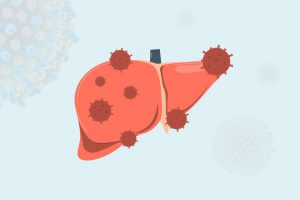
Hepatitis B is an infection caused by the hepatitis-B virus and can be prevented by vaccination. this virus infection spreads when body fluids from an infected person enter the body of a healthy person.

There are two types of virus infection:

short-term (acute) and long-term (chronic).

  • Acute infection occurs at the initial stage when the virus just enters the body. It lasts for less than six months. We probably don’t need medication because our immune system clears the hepatitis B virus from the body. The only precaution we need is to maintain a healthy diet, drink lots of fluids, take a rest. This supports our body to fight against the virus.
  • Chronic infection occurs when acute hepatitis B viral infection lasts for more than six months. In this case, we need to consult a doctor and take drug therapy to treat the infection. Drugs slow down the ability of a virus to multiply in our system.

Why Should We Care About Infection? 

Hepatitis B viral infection is a life-threatening liver infection leading to serious illness. It may result in liver damage, liver cancer, and even death. According to a study in 2019, this virus has caused approximately 820000 deaths, mostly from cirrhosis and hepatocellular carcinoma.

Ways through Which its Spread

  • Sexual contact
  • Sharing needles or syringes
  • Being born from an infected mother
  • Sharing sharp objects with others such as razors and toothbrushes that may contain small amounts of infected blood
  • Sharing contaminated needlesticks for tattoos or piercing
  • Being bitten by an infected person

Symptoms of Hepatitis Virus Infection 

In most cases, infection at an early stage does not show any symptoms. But, in some cases, the infection lasts for several weeks with minor symptoms such as

  • Yellow skin and eyes (jaundice)
  • Dark urine
  • Extreme fatigue
  • Nausea, vomiting, and abdominal pain
  • Constipation
  • Achy muscles or joints
  • Mild fever
  • Stomach pain

If the symptoms last for longer than six months, it shows that the acute infection has reached the stage of chronic infection. Symptoms of chronic infections are:

If you find any hepatitis B viral infection symptoms, contact a doctor and get Anti Hepatitis B Core Antigen (HBcAg) test done for early detection. Testing is the only way to be sure of the status.

Steps You Can Take to Overcome Vitamin D Deficiency

If you’ve been recently diagnosed with low levels of vitamin D, you might be wondering – how to overcome vitamin D deficiency? Don’t panic. If it makes you feel any better, nearly 1 billion people worldwide are vitamin D deficient.
Vitamin D, a fat-soluble vitamin, is produced by our body when our skin is exposed to sunlight. This vitamin is also present in small amounts in foods, including fortified products. It is essential for a wide range of functions in our body. Vitamin D that enters the body is inactive. To use it, the body has to convert it into an active form called 25-hydroxyvitamin D3  or calcidiol. Low levels of vitamin D can cause a number of health problems, especially related to muscles and bones.

It is important to have an annual vitamin D profile done to keep a check on your vitamin D levels. If your test shows vitamin D deficiency, your doctor is likely to recommend increasing your vitamin D intake.

When Does Vitamin D Deficiency Occur?

If you do not intake enough vitamin D or if your skin is unable to synthesize it from the sun, you can become vitamin D deficient. Also, if your body is incapable of absorbing the “sunshine” vitamin or converting it into its active form in the kidneys and liver, it can lead to vitamin D deficiency.

Our diet provides only 20% of vitamin D, the rest 80% comes from exposure to the sun.

Simple Strategies to Overcome Vitamin D Deficiency   

If you’re deficient in vitamin D, follow these super-effective tips to overcome your vitamin D deficiency:

1. Spend more time outside

Spend at least 10 to 15 minutes in the sun, twice a week, between 10 am to 3 pm. If you have a darker skin tone, you might have to possibly stay longer in the sun.

2. Eat more fish

Incorporate fish such as salmon, tuna, mackerel, and sardines in your diet as they are high in vitamin D. Also, do not shy away from eating sushi or sashimi as raw fish has a high level of vitamin D than cooked.

3. Consume more vitamin D-fortified foods

Incorporate fortified foods such as fortified orange juice, eggs, milk, cheese, fortified cereals, and mushrooms in your diet to maintain adequate levels of vitamin D in your body.

4. Take vitamin D supplements

It’s not always possible to get a sufficient amount of vitamin D from a diet because not many people eat a variety of foods that includes fish, cereals, milk, and curd. A vitamin D supplement is the right approach for replenishing the shortfall.

In Summary

Hopefully, the above tips have given you a fair idea to overcome vitamin D deficiency.  Spend more time outside, consume a diet rich in vitamin D or take vitamin D supplements to increase your vitamin D levels. Ensure you get your vitamin D profile done periodically or at least once a year to check if your efforts are working.

Knowing Chronic Kidney Disease Symptoms at Early Stage

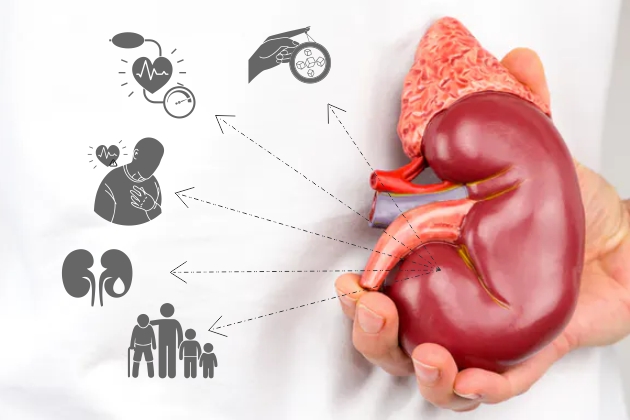
Chronic kidney disease (CKD) is a condition that involves a gradual loss of kidney function. It leads to a buildup of fluids, wastes, or electrolytes in our body because kidneys cannot filter these wastes from the blood to urine. Some of the chronic kidney disease symptoms are nausea, vomiting, loss of appetite, and decreased mental sharpness. If CKD is not detected at an early stage, kidney function becomes very slow leading to severe kidney damage and kidney failure. In this case, kidneys can only be treated with dialysis or a kidney transplant. This happens mostly in older adults when their risk factors such as high blood pressure, blood sugar, and cholesterol levels are not managed.
Signs and Symptoms of Kidney Disease

Chronic kidney disease symptoms develop over time as kidney damage progresses gradually. Some of the common symptoms of chronic kidney disease include:

  1. Tiredness
  2. Weakness
  3. Chest pain
  4. Swollen ankles and feet
  5. Dry and itchy skin
  6. Shortness of breath
  7. Feeling sick
  8. Blood in urine
  9. Headaches
  10. Trouble in sleep, depression
  11. Weight loss
  12. Low concentration
  13. Muscle cramps
  14. Puffiness around the eyes in the morning
  15. Increased urination

Health problems associated with Cronic Kidney Disease

  • Anemia
  • Weak bones
  • High blood pressure
  • Poor nutritional health
  • Nerve damage
  • The weak immune system which results in infections
  • Poor memory
  • Low calcium levels, high potassium, and high phosphorus levels in the blood can cause an abnormal heartbeat and lead to death
  • Heart disease and stroke

Causes of Chronic Kidney Disease:

  • Diabetes
  • High blood pressure
  • High Cholesterol
  • Kidney infections
  • Polycystic kidney disease
  • Kidney stones or enlarged prostate
  • Family history of kidney failure

How to Manage Chronic Kidney Disease?

  • Manage blood sugar and blood pressure by checking regularly
  • Stop smoking and alcohol intake
  • Avoid exposure to certain medicine, antibiotics, or herbal supplements that may harm the kidneys or cause kidney function to suddenly get worse
  • Consult a dietitian for a healthy eating plan that has low in salt and fat and has the right amount of protein.

Chronic kidney disease symptoms can be managed and prevented by early diagnosis with the help of a serum electrolytes test. This test is done to measure the levels of Sodium (Na), Chloride (Cl), and Potassium (K) present in the blood. A balanced level of Na and Cl helps in controlling fluid in the body and also helps in maintaining blood pressure. A balanced level of Potassium helps muscles to work properly.

Anti CCP Test What Does it Specify?

If you have ever gone through the diagnostic evaluation of any autoimmune condition; you might know what is the anti-CCP test and what does it confirm? Recently, the prevalence of autoimmune diseases has increased significantly; probably due to advancements in diagnostic tests and innovation of many biomarkers.
Today slew of tests available for your rheumatoid arthritis or SLE that are highly specific. Contrary to which, the earlier doctor had to suggest many blood tests, physical examinations, imaging tests, etc. and still the diagnosis was categorically on its judgment and evaluation capacity.

What is the Anti-CCP Test?

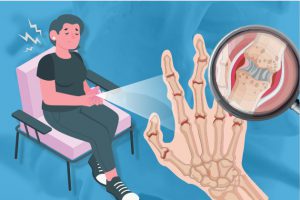
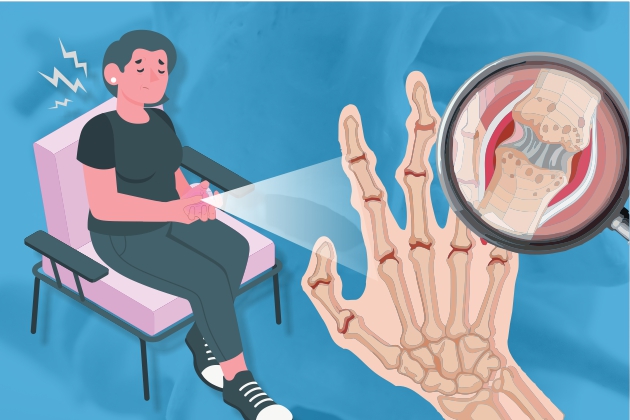
The test detects the presence of a specific type of antibodies namely anti-cyclic citrullinated peptides (Anti-CCP), destined to fight against the body’s proteins, citrullinated proteins. These proteins are commonly detected between the joints. Thus, the antibodies against this protein start invading the joints, promoting their degeneration along with functional deterioration. Doctors suggest the test specifically for an autoimmune condition like rheumatoid arthritis. The levels of anti-CCP test results are usually non-significant up to 20 u/ml or below; while the elevated level corresponds to the presence of rheumatoid arthritis.

The Sensitivity and Specificity of the Anti-CCP Test

Studies have confirmed the specificity of anti-CCP towards rheumatoid arthritis to be more than 90%; however, the test is less than 75% sensitive. In simple words, two-thirds of patients suffering from rheumatoid arthritis are possibly negative for anti-CCP due to lower sensitivity, but more than 90% of positive people are usually suffering from rheumatoid arthritis. The result is also interpreted as:

  • Positive anti-CCP test in healthy person increases the chances of rheumatoid arthritis shortly
  • In patients with early-stage of RA, a positive test can confirm the condition
  • Positive anti-CCP in patients with chronic RA indicates a severe degenerative condition

If you are still keen to know more about the test and when should you check it; read on further.


When Should You Go for Test?

If you are suffering from any one of the following symptoms, then you are due for an Anti-CCP test; such as:

  • Morning stiffness
  • Unusual joint pain
  • Unusual swelling in joints
  • Extreme fatigue
  • Continuous low-grade fever

Conclusively, early diagnosis of autoimmune disorders is very essential for the right kind of treatment at right time. Your doctor may suggest a series of tests along with this to confirm the condition and stage of joint deterioration, like the presence of C-reactive proteins, synovial fluid analysis, erythrocyte sedimentation rate, etc. However, for an instance, anti-CCP is considered to be highly specific for RA.

All You Need to Know About Hyperthyroidism

0

There are several possible causes; some go away without treatment while some persist to worsen over time if left untreated. For a better long-term outlook, early diagnosis, as well as treatment of hyperthyroidism, are of utmost importance.
Unexplained weight loss, limitless energy — the early symptoms of hyperthyroidism may seem to appear as “good” symptoms. But, if not diagnosed and treated, it can lead to serious complications, such as potential heart trouble and increased risk for osteoporosis. To diagnose hyperthyroidism, a T3-T4-TSH test is conducted. This test measures the blood levels of T3 and T4 hormones as well as the TSH, a hormone produced by the pituitary gland.

What is Hyperthyroidism?

When an overactive thyroid gland releases thyroid hormones more than what your body needs,

Your thyroid gland produces triiodothyronine (T3) and thyroxine (T4) hormones. These hormones play an important role in the normal functioning of your entire body. If there is an imbalance in their levels, it can have a far-fetching impact on every aspect of your health.

Your thyroid hormones control the following:

  • Breathing
  • Metabolism
  • Heart rate
  • Weight
  • Nervous system
  • Body temperature

An overactive thyroid speeds up your body processes and brings about the following hyperthyroidism symptoms:

  • Anxiety
  • Nervousness
  • Rapid heartbeat
  • Excessive sweating
  • Difficulty in sleeping
  • Hand tremors
  • Weight loss

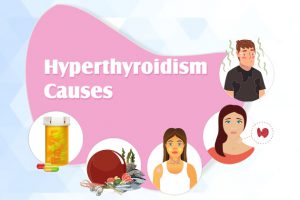
Hyperthyroidism Causes: All You Need to Know

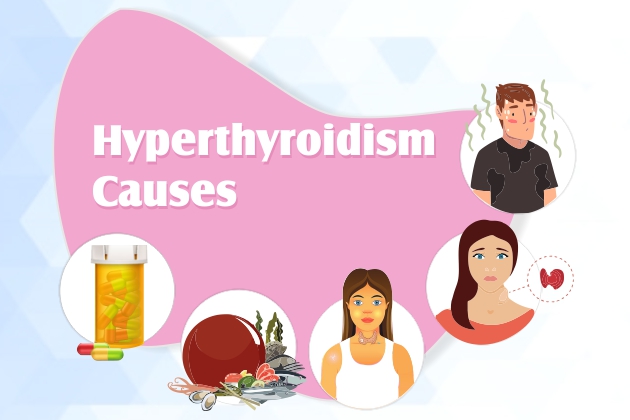
There are several causes, the most common ones include the following:

1. Graves’ disease

Graves’ disease, the most common cause of hyperthyroidism is an autoimmune disorder. With this disease, the immune system produces thyroid-stimulating immunoglobulin (TSI), an antibody that attacks the thyroid gland, causing it to produce more thyroid hormones than required.

 2. Thyroiditis

When the thyroid gland is inflamed (thyroiditis), it causes the stored thyroid hormones to leak out of the gland. This condition can be painful or painless, causing temporary or permanent. Women in the year following pregnancy are at higher risk of painless postpartum thyroiditis.

3. Overactive thyroid nodules

Thyroid nodules are common and usually benign (non-cancerous). However, some of these nodules become overactive and release too much thyroid hormone. This usually occurs in older adults.

4. A high-iodine diet

While iodine is an essential mineral in the production of thyroxine and triiodothyronine in the thyroid gland, the requirement is small. An increase in iodine intake as a result of supplements or through diet can affect hormone production and lead to hyperthyroidism.

5. Amiodarone

Amiodarone is an anti-arrhythmic medication that is prescribed for atrial fibrillation management. This medicine is high in iodine and can cause amiodarone-induced .

It’s important to establish the likely hyperthyroidism causes. Proper diagnosis can help make better as well as informed treatment decisions. The symptoms of hyperthyroidism, like any other health condition, can be controlled with a healthy diet as well as exercise. Work with your doctor to chalk out healthy guidelines regarding diet, nutritional supplements, and exercise.

D-Dimer and COVID-19 Tests: What You Should Know?

While the globe is currently struggling with pandemic and survival through it; the diagnostic industry is also revamping continuously with many advancements and innovations in testing parameters, such as D-Dimer and COVID-19 tests. Although, nothing is truly rationalized about this disease of immunity and inflammation; scientists could associate elevated levels of certain biomarkers with the severity of infection and mortality trends. Read on to know everything about D-Dimer and how it can provide valuable insights on the inflammation associated with COVID-19.
D-Dimer: A Critical Inflammatory Biomarker

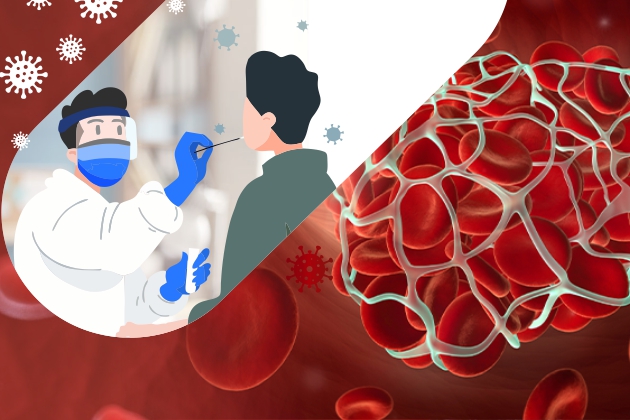
D-dimer is a protein present in the process of eradication of blood clots during tissue injury. However, in certain diseased conditions or cases of inflammation, the blood clots are formed recurrently and cannot be removed. The conditions require immediate medical attention for being life-threatening. The D-dimer test often characterizes diagnostic confirmation of such conditions, associated with a higher level of these biomarkers. Lately, studies have confirmed a direct correlation of elevated levels of the same, proposing the importance of D-Dimer and COVID-19 tests during a pandemic for early recovery through inflammation.

Elevated D-Dimer Levels During SARS-CoV-2 Infection: What Does it Indicate?

During tissue injury and/or inflammatory conditions, our body has to undergo a series of pathophysiological changes. As a part of the healing mechanism, one of the changes involves the clotting of blood to stop internal bleeding. However, it is important to understand that during this process, we must remove the blood clots immediately. They can hamper blood circulation to vital organs of the body, leading to ischemia and death.

In this regard, D-dimer is a very critical protein. It is part of the process of blood clotting and further removing them through the process of dissociation. A higher level of this critical biomarker indicates the formation of too many blood clots. This condition can be life-threatening if not treated on time. There is no presence of specific consensus to assess D-dimer levels and management of COVID-19 patients. Clinical studies have indicated that these tests can rule out the chances of ischemia and/or venous thromboembolism. According to recent studies, there is a correlation between the D-dimer levels greater than 1 µg/ml and deaths amongst patients suffering from COVID-19. Interestingly, higher levels of D-dimer also indicate other conditions like malignancy, liver disorders, stroke, trauma, etc. Hence, it is always advisable to perform these tests under expert guidance.


Thus, in a nutshell, increased levels of some specific biomarkers including D-dimer are indicative of serious inflammation and/or cytokine storm in patients with COVID-19; and are dangerous. These tests are important for timely administration of anti-inflammatory as well as anti-coagulant drugs to remove the blood clots formed in the lungs and also the chances of respiratory failure. After all early diagnosis is a key to a speedy recovery.

Prostate Cancer Stages What Do They Mean?

Prostate cancer stages help doctors to determine how far cancer has spread and how best to treat it. Prostate cancer staging is a complex process that involves multiple tests, including Prostate Specific Antigen (PSA) and prostate biopsy results. Through prostate cancer staging, the size, extent of spread, and the aggressiveness of the cancer are determined.

The prostate cancer stages also help determine the survival rate. If cancer hasn’t spread to other parts of your body, early treatment can improve your survival rate.

Understanding the Prostate Cancer Stages

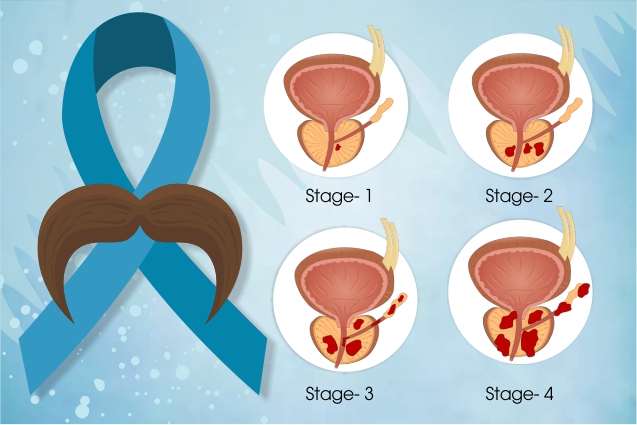
Prostate cancer is categorized into 4 stages. The PSA level at the time of diagnosis and the Gleason score  (a measure of how likely cancer can grow and spread quickly) determines the Grade Group of cancer. The Grade Group is from 1 to 5. The lower the Group Grade, the more normal the cells appear, and the least aggressive is cancer.

Stage 1: Prostate cancer is limited to the prostate, affecting a small part.

In stage 1, the PSA levels are below 10 and the Grade Group is 1.


Stage 2: Prostate cancer affects more of the prostate.

This stage has three sub-stages:

Stage 2A · Cancer has affected more than half of only one lobe of the prostate

· Grade Group is 1

· PSA level is 10 or more but under 20

Stage 2B · Cancer is in one or both lobes of the prostate.

· Grade Group is 2

· PSA level is less than 20

Stage 2C · Cancer is in one or both lobes of the prostate

· Grade Group is 3 or 4

· PSA level is less than 20

· Cancer cells appear more abnormal than in stage 2B.


Stage 3: Prostate cancer spreads to the outer layer of the prostate

This stage has three sub-stages.

Stage 3A · Cancer is still in the prostate, affecting both sides or only one side of the prostate

· Grade Group can fall in 1,2, 3 or 4

· PSA level is under 20

Stage 3B · cancer has advanced and spread to the seminal vesicles.

· Cancer may have spread to the surrounding organs or tissues

· PSA is any level

· Grade Group can fall in 1, 2, 3 or 4

Stage 3C · Cancer is in one or both sides of your prostate

· Cancer has spread to nearby organs, including bladder and rectum

· PSA is any level

· Grade Group is 5


Stage 4: The cancer is most advanced and has spread through lymph nodes, blood, and other organs.

This stage has two sub-stages.

Stage 4A · Cancer is on one or both sides of your prostate

· Cancer has spread to nearby organs, including lymph nodes

· PSA can be any level

· Grade Group can be from 1 to 5

Stage 4B · Cancer has spread to other parts of your body

· Cancer has spread to distant sites such as lymph nodes or bones


When prostate cancer is caught early, it has a higher survival rate. Therefore, regular screening for prostate cancer is critical. Read More about Prostate Cancer

Vitamin Deficiency Causes Lets Take A Quick Insight

Vitamin Deficiency Causes

Are many and are not limited to your diet alone. Your body needs 13 essential vitamins in tiny amounts. Each of these vitamins has a different role to play in the functioning of the body. If you don’t get enough of these vitamins, it can lead to a vitamin deficiency, causing several health conditions depending on which vitamin is lacking.

A Complete Vitamin Profile is usually done to detect vitamin deficiency. Once diagnosed, the deficiency is treated by replenishing the lacking vitamins either through food, supplements, or both. In severe deficiency cases, intravenous infusions may be administered.

The 13 Essential Vitamins are:

  • Vitamin A
  • Vitamin C
  • Vitamin D
  • Vitamin K
  • Vitamin E
  • Vitamin B12 cobalamin
  • Vitamin B9 folate
  • Vitamin B5 pantothenic acid
  • Vitamin B3 niacin
  • Vitamin B2 riboflavin
  • Vitamin B7 biotin
  • Vitamin B1 thiamine
  • Vitamin B6 pyridoxine

Common Vitamin Deficiencies and How They Affect Your Health

Each vitamin has a different role to keep your body functioning properly. Some vitamins keep your nerves healthy, some help prevents infections, some help your blood clot, while others help your body get energy from food. Listed below are common vitamin deficiencies and their effect on health.

Vitamin Deficiency

Effect on Health

Vitamin A Vision  and skin changes
Vitamin D Bone abnormalities
Vitamin K Blood clotting issues
Iron Anemia
Vitamin B12 Anemia
Vitamin E Neurological problems


 Common Signs of Vitamin Deficiency

  • Fatigue
  • Brittle nails and hair
  • Bleeding gums
  • Poor healing of wounds
  • Restless leg syndrome
  • Hair loss
  • Dandruff and scaly patches
  • Change in skin color

An Insight Into the Causes of Vitamin Deficiency

One of the most obvious Vitamin deficiency causes is your diet. A balanced diet provides you with enough vitamins to keep you healthy. However, certain factors can cause vitamin deficiencies, including:

1. Certain Diets

Above all, some diets make you vulnerable to vitamin deficiency. For example, if your diet is:

  • Dairy-free-You can become vitamin D deficient
  • Vegan or vegetarian- You increase your risk of B12 and biotin deficiency.
  • Gluten-free-You can become deficient in many vitamins, including thiamine and folate.
  • Low in fresh fruits and vegetables and high in processed foods- You can become vitamin K and vitamin E deficient.

2. Underlying Medical Condition

Some medical problems make it difficult for the body to absorb and metabolize vitamins,  leading to vitamin deficiency. They include:

  • Liver failure
  • Alcoholic liver disease
  • Kidney disease
  • Malabsorption syndrome
  • Chronic diarrhea
  • Gastric bypass
  • Irritable bowel syndrome
  • Crohn’s disease
  • Inflammatory bowel diseases

3. Sunlight

Although vitamin D is found in foods such as eggs, seafood, and dairy products, sunlight is also an important source. Non-exposure to sunlight or lack of it can cause Vitamin D deficiency.

4. Pernicious anemia

This is an autoimmune disease that affects the small intestine. This decreases the absorption of vitamin B12, leading to anemia.

It is important to identify the vitamin deficiency causes to treat it efficiently. If the vitamin levels are not replenished, the condition gradually worsens, causing different symptoms that can affect the quality of your life.

Understanding the Warning Signs of Kidney Disease

Most people do not experience symptoms of kidney disease in the early stages of the disease. This is one of the reasons why in spite of the 10% population worldwide suffering from kidney disease, 90% of them are not aware that they have it. But, as the disease progresses, the kidney starts failing, and that’s when the kidney disease symptoms begin to show up.

Getting tested is the only way to be sure if you have kidney disease. KIDPRO is a combination of blood tests conducted to determine the health of your kidneys. It checks how efficient your kidneys are in filtering fluids and excreting waste.

Kidney disease, also known as chronic kidney disease (CKD)  means the kidneys are damaged and are losing their ability to filter your blood and keep you healthy. Here, we’ll share kidney disease symptoms, which are possible signs that you may have kidney disease.

Symptoms Of Kidney Disease: Know the Possible Signs

1. Fatigue

When your kidneys do not function properly, the toxins build up, making you feel tired and weak all the time.

2. Muscle Cramps

Cramps in your legs are caused due to an imbalance in the levels of calcium, sodium, potassium, or other electrolytes that can interrupt the functioning of your muscles and nerves.

3. Breathlessness

Healthy kidneys make a hormone called erythropoietin that stimulates the body to create oxygen-carrying red blood cells (RBCs). When your kidneys’ functions are disrupted, fewer RBCs are formed and less oxygen is carried to your muscles and brains, making you feel breathless.

4. Foamy or Bubbly Urine

Kidneys make urine, so when the kidneys are failing, there’s too much protein called albumin that makes the urine brownish, pale, and foamy.

5. Trouble Thinking Clearly

When the waste is not filtered, the toxins in the body affect the brain. Also, anemia may prevent oxygen from reaching your brain, thus making you feel confused about simple tasks.

6. Itchiness

Toxins in your body can cause a rash or make you itch all over. Also, an imbalance in minerals and nutrients can make your skin dry and itchy.

7. Swelling in Hands or Feet

Since kidneys fail to flush out sodium, the build-up can cause swelling in the feet or hands.

8. Loss of Appetite

Kidney disease can upset your stomach, and cause vomiting or nausea. This decreases your appetite for food, leading to weight loss.

9. Ammonia Breath

When your kidneys fail to filter wastes, it causes uremia, which makes your mouth smell. Additionally, toxins in your blood can make your food have a metallic taste.

If you’re at risk for kidney disease due to diabetes, high blood pressure, family history or if you’re older than age 60, you have to get an annual test done to rule out kidney disease. If you are experiencing any of the above symptoms of kidney disease, discuss them with your doctor.

Tips To Protect Your Kidney Health