Home Blog

Full Body Checkup: A Step Towards Better Health

0

A full body checkup benefits you in more ways than you think. You cannot ignore these benefits if you want to live a good quality of life.

Stress, lack of physical exercise, age, genetic predisposition, and unhealthy eating habits are major factors that contribute to the deterioration of our health. And before we know it, several diseases come knocking at our door. Some of these diseases are “silent killers,” harming the body without causing any symptoms.

A full-body health checkup like Aarogyam X is, therefore, aimed to recognize and minimize such risks at an early stage. A Complete Body Checkup includes various tests for thyroid disorders, diabetes, cholesterol, blood pressure, heart diseases, kidney diseases, and many more.

Full Body Checkup Benefits: Why You Should Get Yourself Tested Regularly?

Here are some benefits of getting a Whole Body Check-up done consistently:

1. Detects diseases early 

The most striking benefit is that it detects serious diseases before they become fatal. The tests enable the doctor to understand your current health status and detect potential risks depending on your age, sex, and lifestyle choices. Early intervention can help prevent the disease from progressing into a life-threatening condition.

2. Detects genetic predisposition

If you are doing everything right to stay healthy, you might not consider getting a full body health checkup done. But it’s important because these tests can detect diseases that run in your families for generations. Life-threatening diseases such as cancer, heart disease, diabetes, hypertension – all have a genetic predisposition, which can be detected in a regular full body checkup. Early diagnosis of these diseases ensures timely treatment and a better outlook.  

3. Lowers healthcare costs

Full body health checkup helps reduce the financial burden of healthcare costs. By detecting potential health issues much before they become critical, you can save money on expensive treatments.

4. Improves quality of life

Early disease identification makes you aware of your current health condition, allowing you to become more active by making certain lifestyle changes. Inculcating healthy lifestyle habits can help you stay healthy and live a better quality of life.

5. Empowers you with the latest trends and technologies

When you conduct a health checkup regularly, you stay up to date with the latest trends, technologies, and innovations in the medical field. This helps you be better informed on the line of treatment administered to you and empowers you with information that can help you manage the disease better.  

Preventive healthcare is not a choice anymore. If you want to ensure there’s no disease lying dormant, silently destroying your body, you need to get yourself checked periodically. Moreover, a full-body checkup benefits not only in preventing diseases but also in helping you maintain your health optimally.

Request Call Back

RCB

Why Are Heart Attacks Increasing Among Young Indians? Early Signs and Prevention Tips

0

Maybe you have heard it in the news or had a more personal experience – young individuals, who died from heart attacks in their 20s and 30s. Were you shocked? It’s hard not to be.

Heart attacks, once an ailment of the elderly, are increasingly striking young Indians. If this trend scares you, take a moment to understand why it’s happening, what are the early signs of heart attack and how to prevent it.

Are you ready to reclaim your heart health? Let’s dive in.

heart diseases in india

Why are young Indians getting heart attacks?

Let’s start by asking a crucial question: So, what’s driving this sharp rise in heart attacks in young Indians? Is it just genetics or is there something more to it?

1. Sedentary Lifestyle and Poor Diet

How much time do you spend sitting each day working, commuting or binge watching your favorite show? Now pair this inactivity with the modern diet: Sugary beverages, fast food, and processed snacks. This combination causes obesity, high cholesterol and diabetes, all of which are some of the leading causes of heart attacks in youth.

Lack of physical activity decreases your body’s ability to burn fat and keep your cardiovascular system healthy. So, ask yourself: Is your current routine helping or hurting your heart?

  1. Chronic Stress

Are you ever overwhelmed by work, financial pressures or personal responsibilities? Chronic stress is not kind to your heart, and stressors are all around us in modern life. It increases blood pressure, disrupts sleep and can even lead to harmful coping mechanisms like smoking or overeating. Sound familiar?

Stress is a constant cycle of releasing hormones, like cortisol, which wreaks havoc on the cardiovascular system when elevated for too long. Managing stress for heart health therefore becomes crucial.

  1. Substance Abuse

As part of their social life, many young Indians take up two habits early on: smoking and heavy drinking. Did you know that smoking doubles your risk of heart disease and is one of the leading heart attack risk factors? Oxygen in the blood is reduced by carbon monoxide and nicotine tightens blood vessels, working your heart overtime. Alcohol also damages heart muscle and raises blood pressure.

If you’re a smoker or drink heavily, ask yourself: Is the short term relief worth the long term harm? Since smoking and heart health are directly connected, it’s time to quit, don’t you think?

  1. Lack of Regular Health Screenings

Many young adults skip health screenings, thinking they’re too young to get diseases like high blood pressure, diabetes or high cholesterol. But here’s the catch: These “silent killers” often have no symptoms until they’ve already done a lot of damage.

Also, check out various cholesterol management tips online to get a clearer picture.

  1. Genetic Predisposition

However, some things are out of our hands. As per a paper published on ScienDirect states that, as a population, Indians have a genetic risk of heart disease and tend to develop cardiovascular problems a decade earlier than other ethnic groups. That makes preventive care even more important for us.

Recognizing the Early Signs of Heart Attack

Most people think of heart attacks as dramatic chest pain like in the movies. However, the heart attack symptoms in young people can be much more subtle.

Here’s what to watch for:

  • Chest Discomfort: You may feel pressure, squeezing, fullness, or pain in your chest that doesn’t go away. This is one of the first signs of heart problems.
  • Shortness of Breath: Experiencing difficulty breathing even when you’re not exerting yourself.
  • Pain in Other Areas: Pain and discomfort in the neck, jaw, shoulders, or back.
  • Unexplained Fatigue: Unusually tired or weak without an apparent reason.
  • Nausea or Dizziness: Indigestion or vertigo-like symptoms.

Have you ever had any of these early heart attack symptoms? If so, don’t brush them off.

Prevention of Heart Attacks in India: What You Can Do

Having understood the causes of heart disease in youth India, we can now focus on the tips to prevent heart disease. Fortunately, most heart attacks can be prevented with adequate lifestyle changes and the knowledge of warning signs.

  1. Stay Active

How active are you in a week? If you’re doing less than 150 minutes of moderate exercise, you’re not doing enough. Exercise works wonders for heart health in young adults – it lowers blood pressure and improves cardiovascular health.

Start small: Exercise to prevent heart disease can look like brisk walks, yoga sessions or even dance classes.

  1. Eat a Heart-Healthy Diet

Have you taken a look at your diet plate lately? To keep your lifestyle and heart health intact, focus on foods like:

  • Fruits and vegetables
  • Whole grains
  • Lean proteins
  • Fats that are healthy (such as those from nuts, seeds, and fish)

Processed foods, sugary snacks and too much salt should be avoided. You should know that the impact of diet on heart health is huge. What will you eat today to keep your heart healthy?

  1. Quit Smoking and Limit Alcohol

Quit if you smoke without any delay. You start seeing the benefits almost right away, with your heart health improving within days of quitting. Similarly, limit alcohol intake to occasional and in moderate amounts. These young adults heart health tips can help you live longer and healthier!

Think about this: How much better would your heart feel without the strain of nicotine or alcohol?

  1. Manage Stress

Stress and heart disease are interconnected. So, what is your go to for stress relief? From meditation and mindfulness, to deep breathing exercises or just spending time with loved ones, find ways to de-stress because it’s important for your heart health.

  1. Regular Health Screenings

What the Data Tells Us?

According to the paper, Cardiovascular Diseases Among Indian Older Adults: A Comprehensive Review, nearly one third of all deaths in India are due to heart diseases. Shockingly, a large number of these deaths occur in people under the age of 40. The most common culprits? Blood pressure that is unchecked, cholesterol that is elevated and blood sugar that is high.

Here’s a thought: If more people put preventive care first and are educated regarding how to reduce heart attack risk, how many lives could be saved?

Conclusion

All of us need to wake up to the rising heart attack cases in India. With knowledge of the causes of sudden heart attacks, knowing the early signs of a heart attack, and changing our lifestyle, we can turn this tide.

Prevention of the disease is a vital part of this strategy and health screenings such as those offered by Thyrocare are a vital part of this. They give you the insights you need to make informed decisions about your health.

So, here’s the big question: what healthy habits for heart are you planning ahead? Will you start exercising? Eat healthier? Book a health check-up?

Small changes equal big results. Start now giving your heart the best care you can.

Cervical Cancer Screening – A Thyrocare Perspective

January marks Cervical Cancer Awareness Month, a time to raise awareness about a disease that is often preventable but can have serious consequences if untreated. To help promote awareness, Dr. Preet Kaur, – Vice President of Lab Operations and Quality at Thyrocare, and MD Pathologist from Seth GS Medical College & KEM Hospital, Mumbai is addressing some of the common concerns and questions about cervical cancer along with sharing key insights about findings from the laboratory tests done at Thyrocare to detect this disease. 

Q1: How does cervical cancer start and develop over time?

Dr. Preet Kaur: First let’s understand what a cervix is. It is a part of the female reproductive system and is located in the pelvic cavity, towards the base of the uterus. It plays a vital role in menstruation, fertility, pregnancy, and childbirth. Cervical cancer begins when the cells on the surface of the cervix undergo abnormal changes. Most commonly, these changes are triggered by a persistent infection with high-risk types of human papillomavirus (HPV). Initially, these changes are precancerous and can take years to develop into invasive cancer if left untreated.

Q2: What is the primary cause of cervical cancer?

Dr. Preet Kaur: The primary cause of cervical cancer is a persistent infection with high-risk HPV types, particularly HPV-16 and HPV-18. These are the main culprits behind most cervical cancer cases.

Q3: Could you elaborate on the risk factors associated with cervical cancer?

Dr. Preet Kaur: Certainly. The key risk factors include:

  • Persistent HPV infection, particularly with high-risk types like HPV-16 and HPV-18
  • Early onset of sexual activity or having multiple sexual partners
  • Regular smoking and alcohol consumption
  • A compromised immune system, such as from HIV or long-term immunosuppressive therapy
  • Long-term use of oral contraceptives
  • Having multiple full-term pregnancies or giving birth at a very young age

Q4: Is cervical cancer more prevalent in specific age groups?

Dr. Preet Kaur: Yes, cervical cancer is most common in women aged 30 to 50 years, with the highest incidence typically seen in their 40s and 50s. However, younger women, particularly those exposed to risk factors early in life, are also vulnerable.

Q5: What symptoms should women watch out for?

Dr. Preet Kaur: There are common symptoms of cervical cancer that women should vigilantly address. These are:

  • Abnormal vaginal bleeding, whether between periods, after intercourse, or post-menopause
  • Unusual vaginal discharge that may be watery, bloody, or foul-smelling
  • Pelvic pain or discomfort, especially during intercourse
  • Pain during urination or frequent urinary issues in advanced stages
  • Fatigue, unexplained weight loss, or swollen legs in later stages

Q6: How does the HPV vaccine contribute to preventing cervical cancer?

Dr. Preet Kaur: The HPV vaccine is a game-changer in cervical cancer prevention. It protects against high-risk HPV types, particularly HPV-16 and HPV-18. The vaccine is most effective when administered before exposure to the virus, typically during adolescence. However, it also benefits adults. By significantly reducing the risk of HPV infection, the vaccine helps lower the chances of developing cervical cancer and precancerous conditions.

Q7: How common is cervical cancer in women, both globally and in India?

Dr. Preet Kaur: Cervical cancer remains a significant health concern worldwide. Globally, it is the fourth most common cancer among women, with approximately 660,000 new cases and around 350,000 deaths annually. According to a study published in The Lancet Global Health, the global age-standardized incidence rate is about 13.3 cases per 100,000 women-years, with a mortality rate of approximately 7.2 deaths per 100,000 women-years.

In India, the statistics are equally concerning. India ranks second globally in cervical cancer incidence, with an estimated 127,356 new cases annually. This accounts for an age-standardized incidence rate of 17.7 per 100,000 women. The age-standardized mortality rate in India is 7.38 per 100,000 women. These numbers emphasize the urgent need for effective prevention, early detection, and treatment strategies to address cervical cancer, particularly in regions with higher incidence and mortality rates.

Q8: What diagnostic tests are available for cervical cancer?

Dr. Preet Kaur: There are 3 important tests needed for routine testing of cervical cancer, which we provide at Thyrocare. These are:

    • Pap Smear: A Pap smear is a procedure that involves collecting cells from the cervix for testing. It also is called the Papanicolaou test or a Pap test
    • Liquid-Based Cytology (LBC): Liquid Based Cytology (LBC) is a new technique for collecting cytological samples in order to detect cervical cancer. It is a screening test that involves collecting cells in a liquid and preparing a slide for microscopic examination
  • HPV PCR – It is a molecular biology test used to detect the Human Papilloma Virus (HPV) DNA. This test is generally more expensive than Pap smear or LBC and may miss other conditions in the cervix such as bacterial/ fungal infections. It is ideally a confirmatory test after a positive Pap smear/ LBC test 

Q9: What insights have you gathered from the diagnostic tests performed at your lab?

NILM (Negative for Intraepithelial Lesion or Malignancy)

Dr. Preet Kaur: We analysed data of a total of 15698 samples processed in Thyrocare Technologies Ltd laboratories over the last two years using both conventional Pap smear and LBCC test. The samples were collected from health check camps or as a part of preventive health check of patients presenting none or mild symptoms.

  • Patients of all ages were tested – from early 20s to more than 70 years old. 
  • We found that a positive Pap/ LBC test was reported in 0.08% (12 nos) cases while 1.55% (244 nos) of the samples were unsatisfactory for processing or reporting due to inadequacy or quality of the sample.
  • 77.73% (12003) of the total cases were reported as NILM, along with 1.38% with atrophy, 1.24% with bacterial vaginosis, 4.32% with fungal infections and 15.40% with inflammation. These clinical findings about the cervical microenvironment indicate early symptoms that may possibly lead to cervical cancer later in life. 

The positivity rate observed in our laboratory is similar to the rate reported in other studies.

Q10: What steps can women take to protect themselves from cervical cancer?

Dr. Preet Kaur: Prevention is key. I strongly recommend the following steps than women can take:

    1. HPV Vaccination:. Every year, in India, 24th January is celebrated as National Girl Child Day, to raise awareness and to encourage them to lead a healthy and promising life. Today, on this occasion, I urge every woman and girl to get vaccinated against HPV that can protect them against the most common high-risk HPV types.
    2. Regular Screening & Early Treatment: Early detection is crucial, and at Thyrocare, we provide all necessary testing for timely diagnosis of cervical cancer.
    3. Practice Safe Sex to reduce HPV transmission.
    4. Avoid Smoking.
  • Maintain a healthy lifestyle.

Dengue prevalence in India – A perspective

0

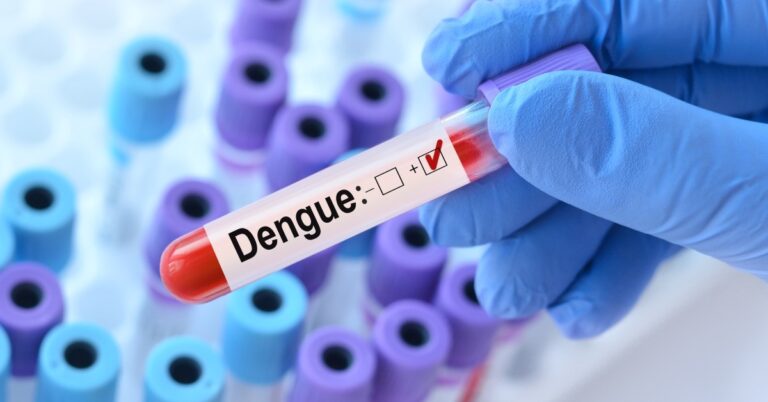
Dengue is a viral, mosquito borne disease that is prevalent in tropical and subtropical regions across the world. In India, dengue is endemic and is most commonly reported during the Monsoon season. Symptoms typically appear 4 – 10 days after the mosquito bite and can last from 2- 7 days. Symptoms may include high fever, severe headache, nausea, vomiting, pain in bone & joint etc.

Recurrent dengue infections over the years may lead to severe dengue fever with more symptoms such as abdominal pains, bleeding from gums and nose, fatigue, and restlessness etc.

Dengue infection is diagnosed by detection of NS1 antigen in the first 4-5 days of onset of symptoms, followed by detection of IgM antibodies. Detection of IgG antibodies may indicate an infection which is more than one month old. Samples for this study were tested using both Rapid and ELISA methods wherein the confirmatory ELISA tests performed constituted two thirds of the total volume.

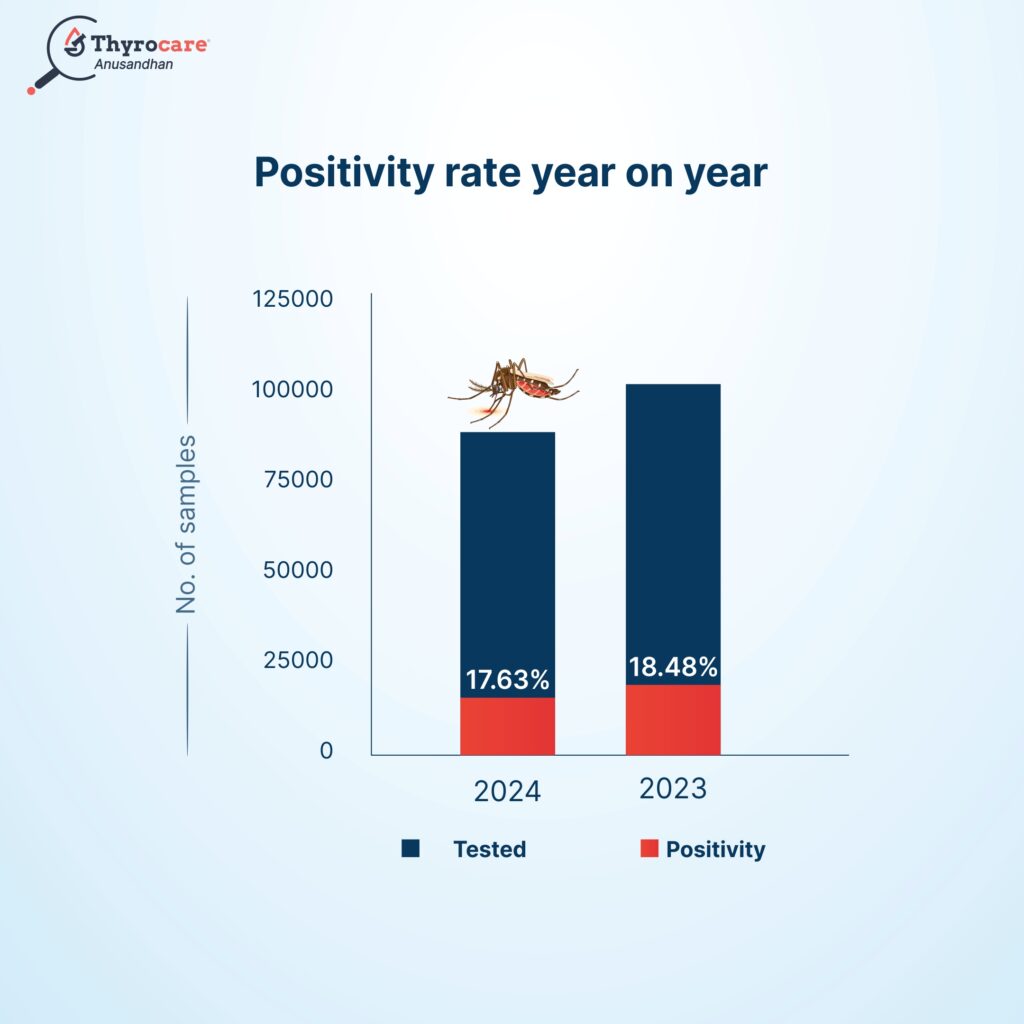
 In 2024, we observed some interesting trends in the data of samples tested for dengue.

Dengue cases in india

The positivity rate amongst 87,156 patients tested PAN India in 2024 was 17.63% which was similar to the previous year’s positivity rate of 18.48% out of 1,00,800 patients tested. Dr. Hardeep Vora (PhD. –  Immunology) highlighted that  “The spike in the positivity rate started in the month of May in 2024 compared to June in 2023, indicating an early onset of this disease in 2024”.

Dengue cases in indiaState Wise Insights

Dengue cases across states in india

In 2024, the states with the highest dengue positivity rates included Chandigarh, Jammu & Kashmir, Punjab, Haryana, Kerala and Karnataka. (States with less than 250 samples tested are excluded). 

A noteworthy year on year increase in positivity rates was seen in Punjab from 12.35% in 2023 to 31.5% in 2024 followed by Chandigarh (26.8% to 36.8%), Kerala (15.9% to 24.9%) and Maharashtra (7.8% to 14.5%) 

In contrast,  Tripura saw a decline in positivity rate from 27% in 2023 to 2% in 2024 along with Uttarakhand from 34.3%  to 18.5%. The same trend was observed in Odisha (23.9% to 10.8%) and West Bengal (22% to 10.6%). 

In  June’2024, states like Kerala (38.16%), Karnataka (35.92%), and Goa (34.78%) exhibited the highest positivity rates suggesting localized outbreaks potentially due to the onset of Monsoon compared to the average positivity rate of around 13% for the rest of India. 

The months from August to September’2024 saw a surge in positivity rates across most states, with significant rise in Gujarat and Haryana, suggesting that monsoon may have exacerbated dengue infections. 

Positivity peaks were observed in many states in the month of October’2024, notably Jammu & Kashmir (42.14%), Chandigarh (47.2%) as well as Punjab (43.72%) against the country average of 21% demonstrating the effects of the post-monsoon environment on dengue transmission.

Age and Gender prevalence:

Within the tested population, people under the age of 40 years in 2024 showed a higher positivity rate of 39.46% in comparison to 25.14% in people over the age of 40 years which was similar to last year’s trend. 

In general, the tested male subjects had a slightly higher positivity than females.

Positivity cases in india

Impact of Dengue on other Laboratory parameters:

Impact of Dengue on other Laboratory parameters:

In 2024, among the dengue- positive cases, platelets were found to be out of the normal range in 36.90% of patients, substantially lower than 44.19% in 2023 while plateletcrit levels were abnormal in over half the positive cases affecting 50.23% patients. Other blood parameters such as Hemoglobin, total number of RBCs, packed cell volume (PCV) etc. were outside normal ranges in 25-30% of the dengue-positive patients. Moreover, elevated liver enzymes such as SGPT and SGOT levels were abnormal in 44.92% and 71.39% of dengue-positive patients respectively.

Dr. Preet Kaur (MD Pathologist, Vice President – Lab Operations & Quality) said that “This is one of the largest retrospective clinical study and analysis of dengue positivity across the country from a diagnostics laboratory. The observations regarding clinical parameters such as SGOT and SGPT dysregulation are consistent with published scientific literature. A platelet level abnormality of only about 37% indicates that other clinical parameters should also be considered when looking at infection and recovery. “

This study provides a snapshot of the spread of dengue virus across the country at different times of the year. Insights from such studies can highlight changes in transmission patterns and also help with better preparedness to combat the disease in the future. 


Top 5 Lifestyle Changes to Lower Your Cancer Risk: Insights for Indian Families

How long has it been since you’ve thought about cancer prevention? Cancer feels like a distant threat to many of us, something that happens to ‘other people’. However, did you know that a paper published in 2019 revealed that up to 50% of cancer cases can be prevented with just simply following a healthy lifestyle for Indian families? Yes, you read that right!

In this blog we will discuss practical cancer prevention tips that are suitable for Indian families. If you would routinely incorporate these healthy habits to prevent cancer, these will help you in the protection of your loved ones and your own health. Are you ready to make changes for a healthier life?

Understanding Cancer in India

As per paper: Cancer incidence estimates for 2022 & projection for 2025: Result from National Cancer Registry Programme, India, did you know that approx 1.5 million new cancer cases are reported in India in 2022? One in every 9 Indians are likely to be diagnosed with cancer in their lifetime.  Alarming, isn’t it? But what’s even more concerning is the increasing number of preventable cancers related to lifestyle. This surge is attributed to poor diet, lack of exercise, tobacco use and exposure to environmental pollutants.

But here’s the good news: Making conscious choices can help you in reducing cancer risk naturally. Now, let’s take a look at the top lifestyle changes for cancer prevention that you can adopt today.

1. Adopt a Balanced Diet to Reduce Cancer Risk

Have you ever thought about how your food choices affect your long term health? A well balanced Indian diet for cancer prevention is key to lowering these risks.

Cancer-fighting foods in India

  • Fruits and Vegetables
  • Whole Grains
  • Healthy Fats
  • Spices like Turmeric

Foods to Avoid

  • Processed meats (e.g., sausages, bacon)
  • Sugary beverages and snacks
  • Deep-fried and highly processed foods

Assess your diet for a moment. Are you eating enough whole, natural foods or are you eating processed and sugary foods? Switching to a diet to lower your cancer risk and understanding the role of antioxidants in cancer prevention could be a life changer for you and your family.

Also, try to shift to organic food, as organic food and cancer are sworn enemies!

2. Quit Tobacco and Limit Alcohol

As per WHO, Cancer related deaths in India caused by tobacco are close to 30%. The risks are enormous, whether it’s smoking cigarettes, chewing gutka or any other form of tobacco.

Why is Tobacco So Dangerous?

Smoking doesn’t just affect the lungs, but the mouth, throat, bladder and kidneys. Therefore, avoiding smoking for health can be a great initiative.

What about alcohol and cancer risk? Small amounts of alcohol may seem harmless, but even moderate drinking can raise your risk of cancers such as breast, liver and colorectal. Both tobacco and alcohol should be cut back on for cancer prevention in India.

Ask yourself: Are these habits worth risking your health and future for? Always opt for healthy habits to fight cancer rather than habits like smoking and drinking!

3. Stay Physically Active

Exercise and cancer prevention go hand in hand.

Importance of regular exercise

  • It lowers levels of insulin and other growth factors that encourage cancer.
  • It helps maintain a healthy weight.

How to Get Moving

  • Try to get at least 30 minutes of moderate exercise everyday.
  • Include activities you like, such as dancing, cycling or yoga. It is to be noted that the role of yoga in cancer prevention is massive and it can drastically reduce the chances of getting affected by this disease.
  • Among family cancer prevention tips, consider group walks and sports for the benefit of each member in the long-term.

4. Environmental Factors and Cancer Risk – Protect Yourself from Harmful Exposures

As we know, pollution is on the rise in India. Carcinogens, which increase cancer risk, are found in air pollution, industrial chemicals and even some household products. You can greatly reduce your exposure to harmful elements by taking precautions.

Steps to Reduce Environmental Risks

Are you doing anything to make your living environment safer for you and your family? Here are few tricks you can use to defend against environmental risks:

  • Minimize Air Pollution Exposure: At home use air purifiers, avoid outdoor activities during peak pollution hours, and wear masks when needed.
  • Limit Use of Harmful Chemicals: Choose cleaning and personal care products that are eco friendly so you don’t have to be exposed to harmful substances for long.
  • Drink Clean Water: Only drink water that has been filtered to make sure you’re not drinking water that contains heavy metals or pesticides.

5. Maintain a Healthy Weight

Did you know that obesity and cancer risk are linked? Obesity is a leading cause for breast, colon and pancreatic cancer. Keeping a healthy weight through diet and exercise is one of the best lifestyle changes for cancer prevention.

Tips for Healthy Weight Management

  • A diet high in nutrients and portion control.
  • Stay active to burn calories and improve metabolism.
  • Check your weight regularly to make sure you are in a healthy range.

Being obese is not just about how you look, it’s a health risk. Consider what your current habits are. Are they helping you to keep a healthy weight, or is it time for a change? Since obesity is directly linked to breast cancer, women need to be extra cautious and keep in mind other tips for cancer prevention for women  such as mammogram screenings.

Other Healthy Habits to Prevent Cancer

In addition to the top five lifestyle changes, there are smaller yet impactful early cancer detection tips you can follow:

  • Get Regular Screenings: Early detection saves lives. Consult healthcare providers about cancer screenings that are right for your age and risk factors.
  • Prioritize Sleep: Poor sleep causes hormonal imbalance in the body and lowers the power of the immune system, which leads to higher risk of cancer. Also, managing stress to prevent cancer with adequate sleep is a must.
  • Practice Sun Safety: Use sunscreen, hats and protective clothing to protect your skin from harmful UV rays.

These are ways of how to prevent cancer naturally. Every small step leads to a healthier future. What new habit will you begin today?

The Role of Regular Health Screenings

How often do you get your preventive health check-ups? Routine screenings can detect many cancers, including cervical, breast and colon cancer, early. At Thyrocare, we provide accurate diagnostic services to help detect potential problems before they become serious.

Why Are Screenings Important?

  • They detect abnormalities early on, which makes treatment more likely to be successful.
  • Biomarkers and genetic cancer risk management can be tested to tailor prevention strategies.

Health check ups aren’t just for older adults, they’re important for everyone. Hence the importance of routine health check-ups cannot be ignored. How long has it been since you did something for your health?

Let’s Sum Up

Cancer is a daunting disease, but it’s not one that we can’t defeat. Following these cancer prevention tips—eating a balanced diet, staying active, avoiding harmful substances, and protecting yourself from environmental risks—can greatly reduce your risk for cancer and that of your family.

Prevention is a shared responsibility. So, remember to ask your loved ones to take up these healthy habits to prevent cancer and make it a family affair.

In the fight against cancer, we at Thyrocare tag along with our advanced diagnostic services as a powerful ally in early detection and prevention. Why wait? Book a health check up today and take charge of your health.

Women’s Health and Hormonal Changes: Understanding the Thyroid Connection

0

Are you worried about unexplained changes in your weight lately? Or, are frequent changes in your mood spoiling your day? How about irregular periods?

The culprit behind all these issues could be your hormones and thyroid! Women’s hormonal health issues plague many throughout their lives. But by understanding the link between these changes and your thyroid may show you the path towards a better, healthier life.

Changes in the hormonal balance in women bring fluctuations in energy levels and emotional balance. For analogue, think of your endocrine system as an orchestra and your thyroid gland as the conductor. When this balance is disturbed, the band performance is bound to be lousy.

Understanding the Thyroid-Hormone Connection

Thyroid health in women is very important to overall wellness. This small butterfly shaped gland, controls metabolism and is intricately linked with your reproductive system and menstrual health. If your thyroid is not working right you can have irregular periods, fertility issues or weight gain.

Hormonal imbalances in women can often express themselves through a range of symptoms that many may write off as ‘just part of being a woman’. But these signs should not be ignored, as they can be related to your reproductive health and daily quality of life.

The Complex Web of Hormonal Interactions

Recent studies have revealed that thyroid hormones interact with other crucial hormones in your body, including:

  • Estrogen and progesterone
  • Cortisol (stress hormone)
  • Insulin
  • Growth hormone
  • Melatonin (sleep hormone)

That’s why thyroid dysfunction can have such far reaching effects on your health, making the symptoms so diverse and complex.

Recognizing the Signs

Women experiencing fluctuations in hormones and mood swings find it hard to maintain emotional composure which can adversely affect their relationships, both personal and professional.

Key indicators include:

  • Unexpected Weight fluctuations
  • Mood variations
  • Changes in energy levels
  • Sleep disturbances
  • Irregular menstrual cycles
  • Hair loss or thinning
  • Changes in skin texture
  • Digestive issues

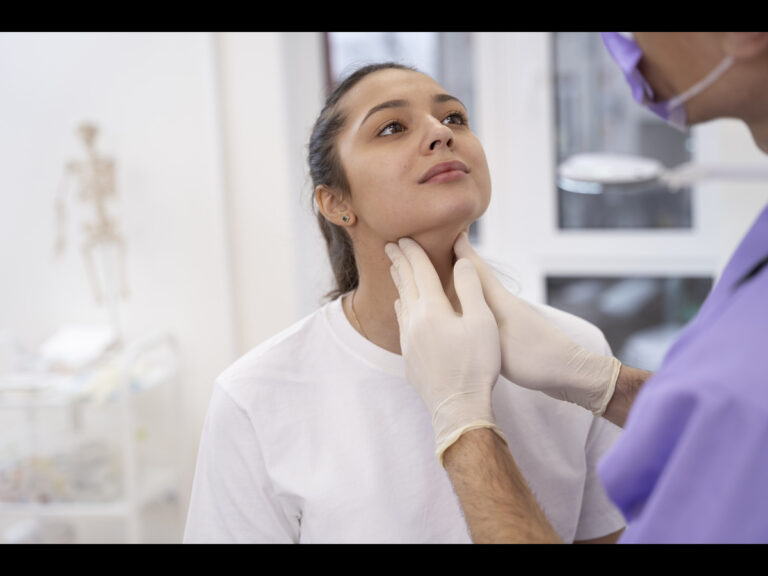
endocrinologist-examining-throat-young-woman-clinic-women-with-thyroid-gland-test-endocrinology-hormones-treatment-inflammation-sore-throat

Effects on The Menstrual Cycle

The thyroid gland and your Menstrual cycle health are always related. If you have thyroid issues then you will face problems during the menstrual cycle as it can disrupt it. Apart from disrupting your cycle, thyroid also increases the intensity of your PMS systems like mood swings, irritability or anger, breast tenderness, fatigue, headaches, bloating and many more.

Premenstrual Syndrome (PMS) is a common occurrence in women but those with thyroid issues face much severe symptoms. To reduce the intensity of these symptoms, one can take precautions or opt for treatments to bring down their thyroid to normal levels.

Managing PMS and Weight

Experts have always emphasised the connection between hormones and weight gain as well as PMS – that’s why it’s important to put active efforts in keeping hormone levels balanced. Here are few ways to keep it steady –

  1. Regular Exercise:
    • Strive to achieve 150 minutes of moderate exercise each week
    • Include both cardio and strength training
    • Practice yoga or gentle movement for stress reduction
  2. Balanced Nutrition:
    • Focus on foods that act as natural remedies for hormonal balance such as Brazil nuts and fish for their selenium
    • Ensure adequate iodine intake
    • Consume healthy fats and proteins
  3. Stress Management:
    • Practice mindfulness or meditation
    • Maintain regular sleep patterns
    • Consider cognitive behavioral therapy
    • Implement relaxation techniques
  4. Regular Check-ups:
    • Monitor thyroid levels annually
    • Track menstrual cycles
    • Keep a symptom diary
    • Schedule regular wellness visits

Hormonal Health and Fertility

Hormonal health and fertility are closely linked. Having thyroid problems can impact your ability to conceive. Whether you’re planning for pregnancy or trying to manage birth control and hormones, understanding your thyroid function is crucial for making informed decisions about your reproductive health.

Women with untreated thyroid conditions may have:

  • Increased difficulty in conceiving
  • Higher chances of pregnancy complications
  • Greater likelihood of postpartum thyroid issues
  • Hormone fluctuations while on birth control

Thyroid Function and Life Stages

Lifestyle impacts on female hormones are very common throughout their various stages of life. Here are certain phases of life and how thyroid plays an important role:

Thyroid Function during Reproductive Years:

Thyroid function has a direct effect on the female reproductive health. In the reproductive age, thyroid hormones are essential for normal ovulation and the cyclicity of the menstrual cycle. Also, they can cause changes in fertility and conception rates as well as energy metabolism.

Thyroid Function during Pregnancy:

During pregnancy, the body needs more thyroid hormones to help the growing fetus. It is therefore important that thyroid function is closely monitored during this period for the sake of both the mother and the fetus. One should also be careful about the possibility of thyroid problems that can develop after childbirth.

Hormonal Changes during Menopause:

During the menopausal period, women may experience changes in their thyroid hormones. This change can affect menopausal symptoms, and therefore, requires the modification of thyroid function assessment. It is crucial to ensure that the thyroid gland is healthy during this stage as it can affect bone and heart health.

Are you experiencing any of the symptoms of hormonal changes? They have become a common occurrence in our daily lives, yet even small changes could signify something important. Seek evaluation from your healthcare provider if you notice these symptoms. By addressing these signs early on, you can rebalance your body and enjoy a healthier, more active lifestyle. Your body will always communicate its needs to you, but are you listening?


How do Regular Screenings Help in Preventive Healthcare and Early Detection?

Preventive healthcare screening

As the saying goes – prevention is better than cure – and regular health screenings are an important part of preventive healthcare. Sometimes it is difficult to pay attention to our everyday health requirements and we end up ignoring small signs of quiet illnesses. Majority of individuals only pay attention to their health when they develop some level of pain or sickness that forces them to visit the doctor.

When we realise the importance of regular check-ups as a part of our lifestyle, we have better chances of early disease detection, and treat diseases before they get worse. Let’s understand how it works –

Vitamin Tests: Diagnosis of Deficiencies

Signs of vitamin deficiency may not be very pronounced. With routine tests, professionals can detect vitamin deficiencies and nip it in the bud. Here’s how it works –

1-Vitamin D: Low Vitamin D levels can directly impact bone density and immunity.

2-Vitamin B12: It is known that deficiency of Vitamin B12 can lead to fatigue and nerve damage.

These screenings help in determining whether changes in the diet is needed or supplements need to be administered before the development of further complications.

Lipid Profile: A Tool for Cholesterol Surveillance

A lipid profile measures cholesterol and triglycerides, which are crucial for heart health –

1-LDL (Bad Cholesterol): High levels of LBD can cause heart diseases. If high levels of LBD is detected during regular check-ups, doctors can advise the patient to bring changes in their lifestyle or introduce medication to reduce LDL before it causes severe complications.

2-Triglycerides: High triglycerides also contribute to cardiovascular disease. Screening assists people to control these levels and prevent possible heart problems.

Blood Glucose Test: Screening for Diabetes

Blood glucose tests identify early signs of prediabetes or diabetes:

Fasting Glucose and HbA1c: High levels indicate a possibility of developing diabetes and can be changed to slow down or stop the progression of the disease.

Blood Pressure Screening: Keeping The Heart Healthy

Hypertension is a condition that may not present any signs and symptoms but can cause heart disease. Regular monitoring helps identify high blood pressure levels early enough so that the patient can change their lifestyle or take medication to reduce pressure.

360°  Annual Health Assessments

360° screenings are available to gauge the overall well-being – complete with tests that check renal, pancreatic, and hormonal health. Full body test packages are curated separately for men and women to get the most accurate and relevant results. Preventive care is built upon annual health assessments. These comprehensive full-body screening tests for early detection typically include:

  • Blood pressure monitoring
  • Cholesterol screening
  • Blood sugar testing
  • Complete hemogram
  • Vitamin level tests
  • Mineral deficiency tests
  • Kidney function tests
  • Liver function analysis
  • Cardiac risk markers
  • Thyroid tests

All of these assessments contribute to developing the whole picture of what is currently going on with your body.

Risk Assessment and Prevention Strategies

Risk assessment screenings help healthcare providers identify potential health risks based on various factors, including:

  • Family history
  • Lifestyle habits
  • Previous medical conditions
  • Age and gender-specific risks
  • Environmental factors
  • Occupational hazards

Depending on these factors, you can adopt personalized preventive health strategies. Mostly these strategies involve lifestyle modifications, changes in diet and regular exercise regimens.

Benefits of Preventive Screenings

Routine lab tests can do wonders for children in their growing years to ensure proper nutrition and development and for adults in the long run, especially as we age and our lives become busier. They come with many benefits –

  • Health management
  • Better treatment outcomes
  • Reduced risk of complications
  • Improved quality of life
  • Peace of mind
  • Enhanced disease management
  • Cost-effective treatments due to early detection

Lifestyle Modifications for Better Health

In addition to keeping track of your health check-up frequency, you also need to monitor your lifestyle habits.

  1. Nutritional Intake

A good diet lies at the heart of one’s health. Eat fresh foods, fruits and vegetables, whole grain products, lean meats and healthy fats.

  1. Exercise Routines

Aim for at least 150 minutes of moderate intensity exercise per week. Combine aerobic exercises with strength training.

  1. Sleep Hygiene

Quality sleep is rarely given much attention and is a key component of health. It is recommended to get between 7 and 9 hours of sleep each night.

Conclusion

Don’t delay further – take the first step towards a better tomorrow. You can schedule a comprehensive health screening with our reputed healthcare providers at Thyrocare. Backed by state of the art facilities and highly skilled professionals, its diagnostic services are sure to help you get your screenings done thoroughly, accurately and on time, assisting in chronic disease prevention and general health monitoring. From heart health to blood pressure, to overall wellness, being proactive and booking a screening today will have you on a better path to a healthier tomorrow.

If you’re looking for more patient education on screenings, the Thyrocare website has a range of resources to help you understand how they can support proactive health management. Take the first step today and see the benefits of preventive screenings in your wellness yourself.


8 Easy Ways to Manage Hypertension

Hypertension is when a person has blood pressure (BP) of over 140/90 mmHg. Risk factors and symptoms of hypertensions are as follows:

Risk factors:

  1. Older age
  2. Family history / genetics
  3. Obesity
  4. Physical inactivity
  5. Unhealthy diet with high salt intake
  6. Drinking and/or smoking
  7. Preexisting health conditions, like diabetes

Signs and Symptoms:

  1. Chest pain
  2. Dizziness
  3. Shortness of breath
  4. Severe headache
  5. Nosebleeds
  6. Nausea & vomiting
  7. Anxiety

Here are some easy steps to manage your high blood pressure:

1. Reduce salt intake

Increased sodium levels in the body increase your BP. Switching to a low-sodium diet is the best way to keep your BP normal. Reduce your salt intake to less than 1 teaspoon a day. Say no to processed foods. Eat more fruits and vegetables.

2. DASH diet

Follow a DASH diet (or Dietary Approaches to Stop Hypertension), which includes lots of fresh fruits and vegetables + 4-5 servings of nuts, seeds, and legumes. Eat a good amount of proteins in your diet, and strictly avoid any fat and sugar. Also, make sure you’re eating whole grains in the diet, such as brown bread and rice.

3. Exercise regularly 

Regular physical activity decreases your high BP by nearly 5–8 mm Hg. Regular exercise is a very effective way to keep blood pressure in check. Every day, aim for at least 30 minutes of easy–moderate physical activity. Exercise also helps in improving your body’s efficiency, such as blood circulation, lung capacity and heart functions.

4. Regular health checkups 

Keep your BP in check with a regular health checkup to manage hypertension. People mainly aim to keep BP at 140/90mmHg; however, that is not the case for everyone. Consult with your doctor and understand the right BP you need to maintain to lead a healthy life.

5. Avoid unnecessary stress

Don’t take too much stress. Let go of things that are not in your control and you will find many health issues disappearing. Also, avoid taking any stress-reducing medications, such as amino acids and phenylalanine.

6. Avoid unnecessary drugs

If your doctor asked you to take your BP medicines on time, take them exactly in that specific timeframe. Don’t skip your dosage. Some people take drugs to reduce their high BP without consulting doctors and medical professionals. However, taking medicines you are not completely aware of can cause another serious condition called hypotension. Hence, regular health checkups and doctor follow-ups are necessary.

7. Get adequate sleep

Enough sleep is important to manage hypertension. Research shows that if you get 78-hour sleep every night, you are at low risk of hypertension.

8. No smoking & No drinking

Alcohol and cigarettes are bad for your heart and blood vessels and increase your risk of hypertension. Normally, our soft healthy arteries stiffen or lose their elasticity with age. Regular smoking and drinking consumption speeds up the stiffening process. Stiffer arteries increase the risks of heart diseases.

Take Action Now

Risk factors, such as age and family history of heart disease, can’t be changed. But, we can always do something at every stage of life to reduce our risk of heart conditions like hypertension. The message is clear: regularly monitor your heart health, be more physically active and eat a healthy diet. These are important steps for your heart health and a long healthy life.

Tips To Healthy Ramadan Fasting For Diabetics

Ramadan or Ramzan is a crucial festival in Muslim religion, celebrated worldwide. During this holy month of Ramadan, muslims observe fast during the day. The 12-15-hour gap between meals can pose health problems for patients with diabetes.

Although fasting has multiple benefits, it causes metabolic changes in the body that alters sugar levels and blood pressure. Hence, diabetic patients planning to fast during Ramadan should first consult their doctor, so they can recommend treatment adjustments and keep your health in check.

Here are some essential tips for people with diabetes to observe Roza with caution during Ramadan:

– In Ramadan, while breaking the fast – during iftar and sehri, eat food in moderate proportions and avoid overeating.

– During sehri (before sunrise) and Iftar (after sunset), try to avoid sugary drinks. Focus on consuming fruits or dry fruits, and drink enough water or healthy juices to keep yourself hydrated.

– Eat sweets in moderation. Avoid if possible.

– Eat lots of food with low glycemic index (GI), such as fruits, curd, and vegetables. 

GI is a value given to a food item based on how quickly it releases glucose into the blood. Foods with high GI release glucose at a quicker and faster rate, whereas those with low GI release release it slowly, which is not readily assimilated by the human body. A faster release means a faster increase in blood sugar levels – not ideal for diabetics.

– Wait for a minimum 2 hours after dinner before sleeping.

– Avoid eating complex carbohydrates before bedtime.

– Eat good carbs such as oats, whole grains, sweet potato, fruits, brown rice, lentils, yoghurt, and berries.

– Stay away from oily or deep-fried food items, such as puris, samosas, and pakoras.

– Again, do not overeat and consult your doctor in case of any health issues.

Ramadan Mubarak!

PCOS and Easy Home Remedies

Polycystic ovarian syndrome (PCOS) is a complex disorder in which women experience irregular periods due to various factors like hormonal imbalance. This is due to the overproduction of androgens or male hormones (present in females but in lower quantities) in females. PCOS can be a painful experience for many women, but here are some simple home-based remedies to ease out your pain.

These remedies do not treat your PCOS entirely. However, help with the symptoms when clubbed with medications prescribed by your doctors.

Home Remedies for PCOS

1. Mulethi 

Mulethi or licorice acts against androgens and stimulates the production of an enzyme which converts androgen into oestrogen (female hormone).5 

  • You can take a cup of hot water, mix mulethi root powder in it and use it for 2 months. You can drink this brew daily for prolonged effects.
  • Or boil a piece of mulethi stick in water and have it first thing in the morning.

2. Flaxseeds

Flaxseeds decrease the level of androgen in the body and help in weight management in PCOS. Consume flaxseeds daily by 

  • adding them into your diet in the form of milkshakes and smoothies 
  • mixing them into your yoghurt with honey 
  • consuming them directly 

Flaxseeds are extremely beneficial in managing PCOS and reducing the pain.  

3. Cinnamon

Cinnamon helps improve the functioning of insulin receptors. Research suggests that adding cinnamon in your diet corrects menstrual irregularities. 

  • It can be consumed daily by adding it in the tea, milk, black or green tea as per your preference. 
  • Sprinkle some cinnamon powder on your yoghurt, smoothies, shakes, etc.
  • Chew cinnamon sticks after your meal.
  • Mix lemon, cinnamon and honey and boil it in water. This helps reduce weight and the effects of PCOS.

4. Chamomile Tea

Chamomile tea reduces PCOS symptoms. Consuming chamomile significantly decreases serum testosterone hormone in women with PCOS. You can consume it by using a bag of chamomile tea or a spoon of it in warm water and brewing it to your taste.

As an alternative to chamomile tea, you can also include peppermint tea, oolong tea, ginger-basil, and lavender tea in your diet.

5. Aloe Vera Gel

Aloe vera is very effective in reducing period pains and decreasing the intensity of symptoms. Aloe vera helps restore hormone levels in the ovaries. These were the findings of an animal study. The exact use of aloe vera gel is not known and requires further investigation.

  • Take aloe vera gel and water. Mix it well in a blender.
  • You can also add some flavours or juices to taste – lemon or lime juice, pineapple, or pomegranate.

Other Lifestyle Changes For PCOS

Balanced Diet

Practise a healthy diet. A balanced diet containing all essential nutrients and vitamins in healthy proportions is always highly recommended by doctors.

Exercise

To manage PCOS, you should maintain a healthy lifestyle, which includes exercising. Exercising for min 150 minutes/week reduces stress and weight. Also, the calories are constantly burnt and hence, insulin levels can be kept under control. Working out also boosts your mood due to the restoration of normal hormone production. Weight management decreases the risk of diabetes and heart diseases. All this can be achieved by reducing 5-10% of the weight.

Regular Health Checkups

All women with PCOS should get regular health checkups for the metabolic and reproductive issues that may occur. Regular health checkups (in this case, PCOS or PCOD profiles) help you keep your several body functions in check, such as sugar, blood pressure, cholesterol, and hormonal levels, and you can better manage PCOS with regular full-body health checkups.

Holi Hacks to Protect Your Skin & Hair from Colours

0

Is the fear of skin & hair damage from colours stopping you from playing Holi? Don’t worry. Try these simple pre- and post-Holi hacks and have a great celebration with your loved ones!!

  • Organic colours and gulaal

Play Holi with organic colours as they are safe and healthy. These eco-friendly organic colours are harmless to your skin and hair and are easily removable after the festival.

  • Apply ice on your face

Rub ice cubes on your face for 15 minutes before stepping out to play holi. This helps in closing the pores on your skin, ultimately, colours cannot penetrate deep into your skin layers. This hack also prevents any acne breakout and skin damage post holi.

  • Keep drinking water

Keep drinking water or refreshing drinks like lemon juice, coconut water, fresh fruit juices, etc. while you’re out playing holi. Adequate hydration decreases your chance of getting colours from drying up your skin. Drinking water also keeps you safe from heat/sun stroke.

  • Oil your skin & hair enough

Apply a good amount of coconut or almond oil on your skin and hair or a moisturiser on skin before playing Holi. This creates a protective layer between the colours and your skin. Massage oil into your hair at least an hour before going out. It prevents dryness of skin and hair; often dry skin and scalp are more prone to damage from colours.

  • Sunscreen and Lip-eye care

Apply enough sunscreen on your face and exposed skin. Ensure to apply lip balm with SPF in it. Wear sunglasses to protect your eyes from any colour exposure.

  • Special clothing

Wear clothes made of breathable fabric such as cotton and ensure to wear full-sleeved clothes. This will avoid any direct exposure of the skin to colours and sunlight. Don’t wear tight clothes or those made of materials like synthetic; these could put your skin and hair at the risk of damage.

  • Trim your nails

Trim your nails before playing holi. Because colours can sit inside the cuticles and damage the skin underneath. Another alternative is to apply nail paint to protect your nails.

  • Avoid going to the salon

Avoid going to the salon and exposing your skin to treatments like facial, waxing, threading, bleaching, mani/pedi or any hair treatment a few days before and after the holi. This will help you avoid any harmful reactions on your skin and hair.

Post-Holi Hacks:

> To remove dry colour, wipe off your skin with a tissue or damp cloth covered with baby oil or coconut oil for 5-10 minutes.
> Wash your face with a mild foam-based face wash. Do not use soap or harsh face wash as they are alkaline in nature and only dry out skin more. Go for some home remedies like masks made of besan, curd, turmeric, and honey. 
> Keep your skin moisturised. It will prevent roughness.
> Wash your hair with cold water
> To wash your hair, use a mild natural cleansing shampoo or baby shampoo that are chemical-free. If colour does not come off in one rinse, don’t stress them with repetitive washes as it’ll dry them out and make them more prone to damage. 
> Use serum after hair wash. It will keep your hair hydrated and help take off colours.