Home Blog Page 30

Necessary Changes in Lifestyle to Prevent Heart Attack

Prevent Heart attack The major reason is the mismanagement of lifestyle. Certain risk factors are not in our control; however, there are some factors that can be managed through lifestyle changes. The main question here is, How to prevent a heart attack?

Keep reading to find a few tips that would teach you how to prevent a heart attack.

1 Nutritious Diet:

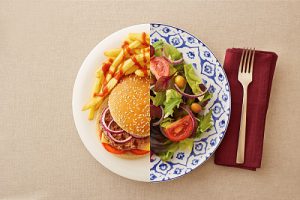
A diet consisting of vegetables, fruits, whole grains, low-fat dairy, nuts, and fish is low in calories but has all the essential vitamins, minerals as well as nutrients required by the body. A healthy diet lowers the risk of cardiovascular diseases by controlling blood pressure, managing cholesterol, and obesity.

2 Exercise:

Being a couch potato increases the risk of heart ailments whereas daily exercise lowers blood pressure and improves blood circulation in the body. Exercising at least 30 minutes a day, at a stretch or in parts decreases the risk. Start with low-intensity training such as walking or jogging and gradually increase the intensity.

3 Healthy Weight:

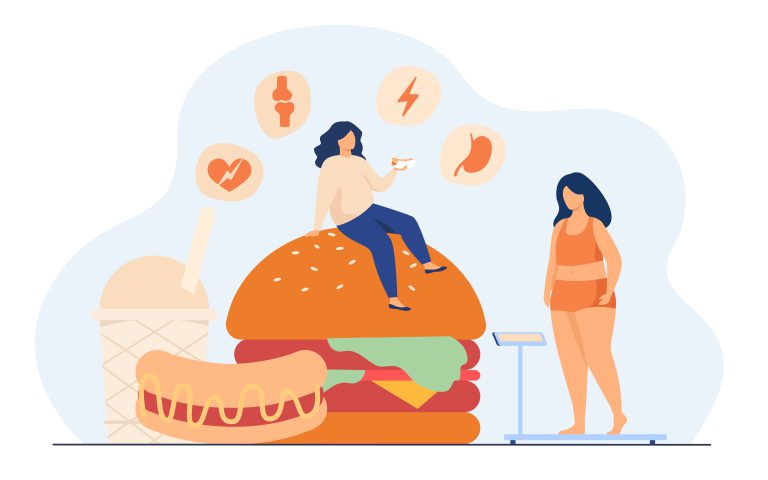
Having extremes in weight can lead to complications in heart functioning. Anorexia often makes the individual drastically underweight, thereby, leading to low blood pressure, an imbalance in heart rhythms and electrolytes. Obesity increases the risk of high blood pressure, cholesterol, and diabetes. Hence, maintaining a healthy weight through exercise and diet can keep the BMI (Body Mass Index) in check.

4 Stop Substance Abuse:

Drinking alcohol increases blood pressure and adds extra calories. Additionally, smoking is also known to increase blood pressure; hence, quitting such habits is essential for maintaining good heart health.

5 Maintain Cholesterol and Triglyceride Level:

Levels of low-density lipoprotein (LDL), as well as bad cholesterol, should be checked whereas having high levels of high-density lipoprotein (HDL) is good for the heart. A low level of triglycerides with high HDL and low LDL often prevents the risk of having a heart attack.

6 Stress Management:

Managing stress is the most effective way of preventing a heart attack. Often the factors associated with stress such as high blood pressure, alcohol consumption, smoking, and overeating serve as the main cause for a heart attack. stressThis could be prevented simply by meditating daily for 10-15 minutes to calm the mind.
Our heart works 24 X 7, pumping blood, and providing oxygen and essential nutrients so that our body functions smoothly. These fundamental duties make it imperative to monitor heart health. Thyrocare offers a Cardiac Risk Markers profile containing a wide range of tests to assess your heart health for a better, healthier future.

COVID Vaccination – An Absolute Necessity

vaccinationWith the bigger threat of the third wave of Coronavirus about to hit India, it becomes an absolute necessity to get every citizen vaccinated as soon as possible. Additionally, every individual must take extra precautions in following COVID Appropriate Behavior (CAB). It includes wearing masks, sanitizing hands, and maintaining social distance. Vaccines are meant to protect our body from viruses by inducing antibody production using our immune system. Hence, it is highly essential to get an antibody test done for COVID to assess our immunity against the virus. Continue reading to know more about an antibody test for COVID, how to get it done, and much more.
What is an Antibody Test for COVID?

It is a screening test that checks for the presence of antibodies against the Coronavirus. Antibodies are produced by the body when it detects a foreign antigen (usually the viral coat protein) in the system. Antibodies are produced by the immune system if a person is infected with the virus or when an individual gets vaccinated. It isn’t necessary to check the presence of the virus instead it determines the body’s efficiency in fighting the virus. It might also be called a ‘serology test’.

How Does the Antibody Test for COVID Works?

Your blood sample is collected by a technician through a finger-prick. The test then proceeds with the detection of both IgM and IgG antibodies against the Coronavirus. IgM antibodies are produced within the initial days of infection and IgG antibodies are produced after 14 days from the first appearance of symptoms.

What is the Difference Between an Antigen and an Antibody Test for COVID?

The antigen test is a rapid diagnostic test that detects the presence of the virus in an immediate setting. It doesn’t require the laboratory setup for confirming the presence of COVID in an individual. However, an antibody test is essential to confirm whether the person was exposed to the virus in the past and is now immune to it or could still be contagious.

Why do We Need an Antibody Test for COVID?

Not everybody develops symptoms for COVID; hence, it is important to confirm the presence of the virus through antibody testing. This test also helps researchers understand the immunity of a population on a larger scale. It also helps in identifying people who have come in contact with the virus and developed immunity against it.

Vitamin Overload: Toxicity of Fat-Soluble Vitamins

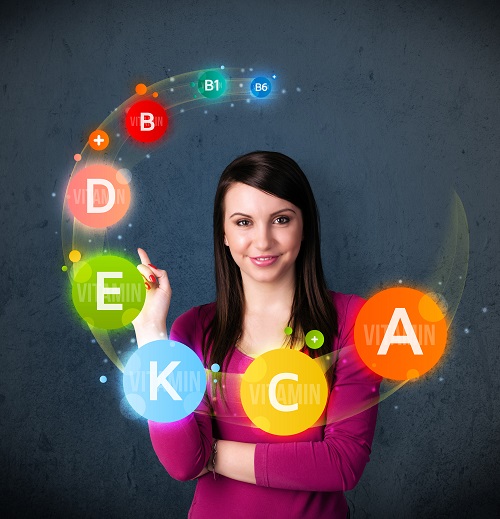
We are all aware of the old saying “too much of anything is bad”; can you imagine this phrase being used, while you devour your vitamins? Well, it is true that vitamins are required for adequate nourishment; but an encumber of vitamins can add to the toxicity of your body. Daily dosage of vitamins is suggested in accordance with the vitamin food intake and dietary requirements.

Experts have suggested that when a person consumes a particular vitamin more than his/her dietary requirements for an extended period, it can turn out to be toxic. This is mostly seen in the case of fat-soluble vitamins compared to water-soluble ones because the latter gets washed away.

Vitamin A

This vitamin aids in better vision, giving better thermal stability to eyes, regulation of bones and muscle growth, development of mucus membrane for enhanced immune response, etc. Natural sources of this nutrient are carrots, sweet potato, cord liver oil, eggs, and other dairy products.

The good thing about this vitamin is that it quenches reactive oxygen and delays the oxidation process; due to which further tissue damage is lowered.

The downside is that vitamin A is susceptible to the process of spontaneous oxidation. Thus, if consumed in higher quantity, it adds up to the pro-oxidant effect and enhances tissue damage.

Vitamin D

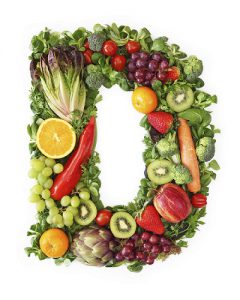
Vitamin D is taken up by the skin through the adsorption of UV rays from sunlight. This vitamin plays an important role in healthy muscle and bones functions. Vitamin D also promotes the absorption of calcium that is required for healthy teeth, gum, and bones.

vitamin DThe benefit of vitamin D is its anti-oxidant effects towards oxidative stress released due to zinc. Certain studies have also confirmed that regular intake of vitamin D can prevent bone cancer, prostate cancer, and other forms of colorectal cancer.

However, too much vitamin D can promote oxidative stress in different vital organs of the body, leading to the formation of free radicals; which can further interfere with the normal functioning of important organs of the body.

Vitamin E

Being one of the most potent natural antioxidants available; this vitamin is essential to prevent aging of the skin and normal functioning of the heart. Some other studies have also confirmed that optimum intake of vitamin E can reduce your risk of heart issues, cancers, and dementia. However, it should also be noted that overdose can promote pro-oxidative effects, further causing damage.

Vitamin K

Studies have suggested the use of vitamin K in blood clotting and its routine dietary importance during pregnancy. However, high consumption of this vitamin can be toxic, leading to anemic reactions in the body.

Importance of Iron in Blood

Blood cell

Iron deficiency in Blood- Iron is an important mineral essential for the proper growth and development of our body. Anemia, also termed as iron deficiency anemia, is caused by lack of iron in the body. Although body normally have a huge reserve of iron (around 600 to1000 mg in adult male and around 200 to 300 mg in adult female), it is one of the leading causes of anemia worldwide. According to WHO, around 42% of children less than 5 years of age and 40% of pregnant women globally are anemic.

Iron is present in a protein called hemoglobin found in the red blood cells. However in the muscles, it is present in myoglobin protein. Haemoglobin is responsible for distributing oxygen throughout the body, whereas, myoglobin provide oxygen to muscle cells. About 70% of iron is present in red blood cells and muscle cells.

Causes of Iron Deficiency

Insufficient iron in diet

Your body absorbs iron from the diet. Significantly iron deficiency occurs when there is not enough consumption of iron-rich food. Getting less amount of iron overtime can lead to iron deficiency.

Excessive loss of blood

The main constituent of blood is RBCs that contain iron. Therefore loss of greater quantity of blood can also lead to anemia. This is common in women during heavy periods and is associated with internal blood loss, which can lead to iron deficit. Ulcers, colorectal cancer, hiatal hernia, etc., also contribute to iron deficiency.

Pregnancy

Pregnancy is a phase when the body’s need for iron increases as the blood volume elevates. This is because, a pregnant woman’s body should meet both her own and fetus hemoglobin requirement.

Incapacity to absorb iron

Iron is absorbed from food into the blood in the small intestine. Especially in intestinal disorder like celiac disease, iron absorption from food is impaired, which thereby leads to iron deficiency.

Symptoms of Iron deficiency 

In the initial phase of iron deficiency, the body does not shows significant symptoms. However, gradually, the deficiency worsens and the indications or symptoms shown are –

  • Dull skin

  • Fatigue

  • Shortness of breath or pain in chest

  • Inflammation of tongue

  • Brittle nails

  • Fatigue

  • Craving for non-edible things like pica, paper, dirt, etc

  • Loss of appetite

  • Dizziness

People with Higher risk of Iron deficiency

Lower iron levels are the most common nutritional deficiency. However, following individuals are at higher risk

  • Children or infants

  • Women

  • Vegetarian

  • Frequent blood donor

Preventive Measures

Individual can consume below iron-rich foods food, so as to avoid deficiency of iron-

  • Seafood

  • Peas

  • Beans

  • Dry fruits

  • Poultry, red meat and pork

  • Iron-fortified bread, pasta, and cereals

It is easy to prevent deficiency of iron or to track the level of iron in our body. In fact follow a proper nutritious iron-rich diet and keep a check on iron levels through preventive check-ups available at Thyrocare – an advanced diagnostic center in India and expanding  abroad.


Symptoms of Heart Attack or Symptoms of Stroke – Know the Difference

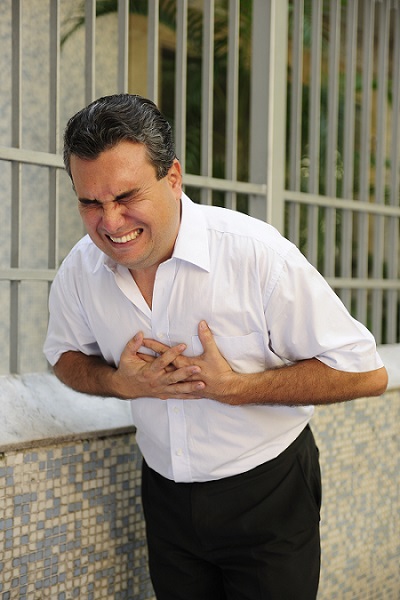
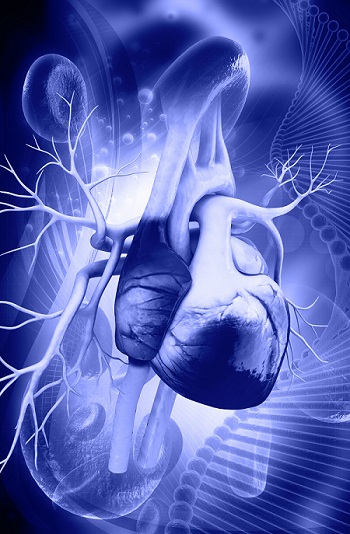
heart attackSymptoms of heart attack or stroke – A heart attack and a stroke have a close resemblance to each other but still differ in a few symptoms. Differentiating the symptoms of a heart attack from a stroke can help in providing immediate and proper medical treatment for either condition.

Heart Attack v/s Stroke:

A heart attack, scientifically known as Myocardial infarction (MI) occurs when there is a blockage in the coronary artery. This reduces the blood flow to heart muscles resulting in less supply of oxygen and nutrients. The blockage is caused due to fat and cholesterol build-up ultimately resulting in plaque. This plaque can further lead to clot formation which can damage the heart cells, hence, it is very important to identify the symptoms of a heart attack early on.

A stroke is the result of the blockage, in the carotid arteries that supply oxygen and nutrients to the brain due to a clot. This clot can be temporary, resulting in a transient ischemic attack (TIA), commonly called ‘mini-stroke’. A hemorrhagic stroke can occur when the blood vessel ruptures and bursts. The blood leaks into surrounding tissue causing a stroke. This happens due to high blood pressure.

Symptoms of Heart Attack:

  1. Chest discomfort: Pain, tightness, aching sensation, or uncomfortable squeezing and pressure around the chest area that could last for a few minutes or cause recurrent pain.
  2. Shortness of breath: Difficulty in breathing that might lead to chest
  3. Upper body discomfort: Heart attack symptoms can be identified by observing pain in one or both arms, jaws, stomach, neck, or back.
  4. Other signs: Fatigue, cold sweat, nausea, abdominal pain, heartburn, indigestion, lightheadedness, dizziness are often prominent symptoms of a heart attack.

Symptoms of Stroke:

  1. Dropping of the face: The face drops to one side and the smile becomes lopsided.
  2. Weakness in arms: There is weakness in one side of the body usually an arm or a leg.
  3. Slurred speech: Speech becomes slurred and the person has difficulty in repeating simple sentences.
  4. Other signs: The person has trouble walking, displays confusion, and might have sudden severeConfusion


Understanding early symptoms of our body will keep us ahead of diseases and ailments. Heart is a muscle that caters to body’s nutritional requirements making its health monitoring, a necessity. Thyrocare offers a Cardiac Risk Markers Profile containing a wide range of tests to assess your heart health for a better, healthier future.

Negative Calorie Food — Does It Exist?

Negative Calorie Food

Is it possible to eat certain foods as much as you like and lose weight just from eating them? You might have heard about Negative Calorie Theory— about foods that supposedly take up more energy to digest than providing the calories. But, do these negative calorie foods really exist? Let’s find out!

Theory Behind Negative Calorie Food in Weight Loss

Our body uses about 10% of our daily calories to chew, swallow, and digest food. This is known as thermal effect of food. The theory of negative calorie food is based on this concept. It suggests that if we consume certain foods, the body will burn more calories to digest them than they actually contain.

What Are The Negative Calorie Foods?

Foods that have a reputation of being negative in calories are mostly low-calorie fruits and vegetables such as:

  • Cabbage
  • Grapefruit
  • Celery
  • Apple
  • Vinegar
  • Broccoli
  • Garlic
  • Radish
  • Lettuce
  • Lemon
  • Leafy Vegetables
Negative Calorie Foods

The theory of negative calorie foods sounds like one of the best weight loss tips, but is it true? Foods that contain few calories still require energy to digest. Therefore, theoretically it is possible to have negative calorie foods, but there is no evidence of scientific studies to prove that any food is calorically negative.

But, Should You Eat Negative Calorie Foods?

Yes, absolutely! The foods that have the reputation of being negative calorie foods are packed with proteins, fibre, water, minerals, and vitamins. They may or may not be calorically negative, but they are still low-calorie, and a smart choice to include in your overall healthy diet plan. Diets based on negative calorie food may not work as advertised, but they can help you lose weight because they fill up the stomach with foods that are not calorically dense.

Eating Right Foods
Eating Right Foods

 Crux of The Matter

The internet is flooded with numerous weight loss tips and extreme diets that promote eating only certain types of food. By following these diets, you may end up missing out on many important nutrients. Therefore, the best weight loss tips you should follow for successful weight loss are consuming a balanced diet and exercising regularly.


Signs and Symptoms That Your Liver Needs Attention

0

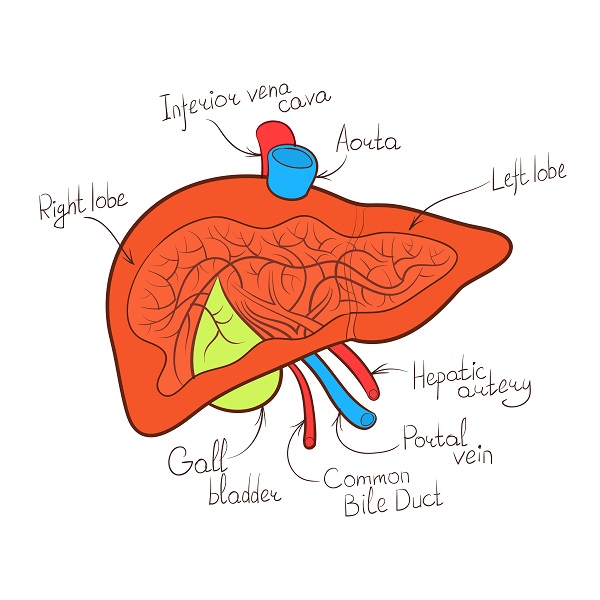
liverThe liver is explicitly responsible for metabolic activity, protein production, blood clotting, detoxification, and neutralizing toxins from the body. However, certain conditions like genetically inherited diseases, substance abuse, obesity, and certain viruses can damage liver function. Accordingly, this leads to liver disease that can be life-threatening. Besides, the identification of liver problems and symptoms at the right time can help in getting proper medical treatment and save the life of an individual.
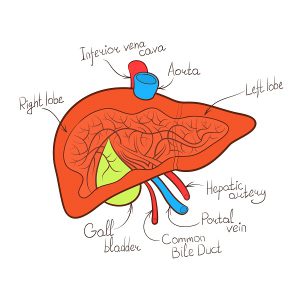
Therefore, let’s know more about symptoms that might be indicating “your liver needs attention!”.

liver explained

Problems in Liver

Firstly liver problems and symptoms begin when the liver cells are injured and get damaged eventually due to various reasons like:

1.Genetics:

A genetically inherited disease from either of the parents can lead to liver diseases like Wilson’s disease, Hemochromatosis, or Alpha-1 antitrypsin deficiency. These diseases lead to a build-up of substances in the liver significantly

2. Autoimmune disease: 

Consequently, autoimmune hepatitis, primary sclerosing cholangitis, or primary biliary cholangitis are some of the common liver diseases caused due to attack of the immune system on the liver.

3. Viral infection: 

Hepatitis A, B, or C are some common viral infections caused due to food and water contamination, close contact with an infected person, spread through blood or semen, etc.

4. Cancer: 
Liver cancer, adenoma, or bile duct cancer can adversely damage liver function, therefore weakening the entire body.

5. Heatstroke and shock: 

Moreover intense physical activity in a hot environment or shock and infections like sepsis can damage the blood flow to the liver causing liver failure.

6. Toxins: 

Toxins from the environment like poisonous mushrooms (Amanita phalloides), carbon tetrachloride, varnishes, and other chemical compounds can cause acute liver failure.

7. Other reasons: 

Heavy substance abuse such as alcohol, certain drugs (acetaminophen), herbal compounds, and fat build-up in the liver, obesity, and consumption of fast food can consequently lead to irregular liver function and gradually damage the liver cells resulting in liver disease.

Symptoms of Liver Disease

Liver problems and symptoms can be identified by observing signs in patients:

  1. Urine color turning dark

  2. Swelling and pain in the abdominal region, legs, and ankles

  3. Yellowing of skin and eyes

  4. Fatigue

  5. Appetite loss

  6. Stool turns pale

  7. Vomiting or The feeling of nausea

  8. Easily bruised

  9. Itchy skin

Get tested immediately if you are facing the symptoms of liver disease.

Vitamin B Complex and Immunity

dairy productsGood nutrition and good health go hand-in-hand in preventing many challenging health issues. Vitamin B is an important element for maintaining this balance and getting the prescribed amount of Vitamin B Complex through food is inevitable to complete this equation.
So, what is Vitamin B Complex? What are the symptoms of vitamin B deficiency? What is the association between Vitamin B and immunity? immune system

Vitamin B1: Prevent Beriberi

Vitamin B1, also known popularly as Thiamine has a critical role in metabolizing food to different forms of energy. Whole grain supplements including cereals, yeast, beans, meat and poultry products, as well as nuts are excellent sources of vitamin B1. Too little dietary intake of vitamin B during early childhood can increase the risk of vitamin deficient disease, beriberi. It affects the heart, digestive system as well as neurodevelopment; other symptoms include difficulty in walking, loss of sensation, as well as paralysis of the lower leg.

Vitamin B2

Vitamin B2, also known as riboflavin is required to be included in an adequate quantity with a daily dosage of 1.1 mg a day for women and 1.3 mg a day for men; apparently, the requirement may increase for pregnant and lactating women. Riboflavin is critically important for maintaining normal gut flora; thus, indirectly plays a role in maintaining optimum immune balance. It is also important for healthy skin and blood cells that are essential for better immunity.

Vitamin B3

Niacin or vitamin B3 is important for breaking down food particles in different forms of energy. Inadequacy of cB3 in diet during childhood can lead to pellagra or other anemic conditions. Moreover, inadequate dietary intake can disturb the mucosal lining of the gut resulting in a disturbed immune system.

Vitamin B5

As per the guidelines proposed by the food and nutrition division of the Institute of Medicine, vitamin B5 or pantothenic acid is the key ingredient of Kale, avocado, whole grain cereals, potatoes, dairy, meat, other meat products, etc. Studies show that vitamin B5 is important for producing growth and defense hormones that are essential for better immunity and growth.

Vitamin B6

Vitamin B6 is important for more than 100 metabolic enzymatic reactions in the body. These reactions are necessary for the healthy growth of different types of cells, including red blood cells, muscle cells, etc. Other studies have also shown the relevance of adequate vitamin B6 intake in preventing heart attack and other health issues.

Vitamin B12

Vitamin B12 plays a vital role in optimum production, growth, and maintenance of red blood cells (RBCs) in blood. RBCs have an important role in maintaining a well-balanced defense mechanism in the body. Inadequacy of dietary vitamin B12 can lead to weakness, fatigue, constipation, unexplained weight loss, etc.

Vitamins are the most vital nutrients that play a major role in healthy living, let’s keep our vitamin intake balanced by keeping a check on it with a simple vitamin test.

Symptoms of Heart Attack – Keep an Eye

Symptoms of Heart attack Symptoms of heart attack

All of us are aware of the two most common signs of heart attack i.e. intense needle-like pain in the chest that radiates towards the arm, forcing a person to tumble over the ground. These two symptoms is something we see in reel life! However, in real life, symptoms of heart attack may not always be the same. Many times you get to know that you have had episodes of a heart attack in the past, only after a complete evaluation of the heart. This silent heart attack is something that damages the functionality of your heart without exhibiting any classic symptoms. Statistical analysis shows that almost about half of the attacks are unfortunately due to other less serious issues; emphasizing the seriousness of this matter let’s understand some strange signs and symptoms of heart attack that should we should not brush aside.heart attack sysmptoms

Sudden Onset of Nausea and Lack of Appetite

Loss of appetite and nausea are the most common symptoms with any health issue and hence, are likely to snub. When your heart health deteriorates and requires more oxygenated blood, all the attention from other organs is shifted to heart. Keeping aside other non-vital parts of the body including the digestive system are in the process. Due to lack of oxygenated blood, there can be a functional slow down in the digestive system. Thereby expressing a range of effects like nausea, constipation, vomiting, etc.

You Will Suddenly Feel Mental Blockage!

However, due to functioning issues of the heart, ignoring your brain is not a catch because it deserves equal attention. Due to blocked arteries, the supply of oxygenated blood to the brain may delay or stop for some time. That can make you feel dizzy, confused, and disoriented.

Sudden Breathlessness

Basics of anatomy state that the heart and lungs are the best mates. Both these organs work in pairs for the better supply of oxygenated blood to different organs of the body. Therefore a disturbed heart can have a direct impact on your breathing ability.

Feeling Sluggish and Tired All Day Long

When your body is trying to cope up with the diversion of more oxygenated blood to the heart, less important areas and organs like muscles and limbs are overseen. This might keep you tired all day long

If you are experiencing any of these discomforts, it is always better to get tested for short-term interventions.

Lifestyle Changes During COVID-19 Pandemic

Lifestyle Changes During COVID-19

Lifestyle changes during covid-19

The world is coping up by making lifestyle changes during COVID-19 pandemic. It is trying to recover from the mental stigma and social hibernation it had to face during this time, while still being hopeful about the pre-pandemic life returning. Although, experts say it is too early to predict anything; we need to have sensible foresight to maneuver effective positioning of shattered pieces of a pre-pandemic era to redefine lifestyle transformations in the post COVID session.

Thus, change is inevitable in everything we do, the way we socialize, shop, travel, invest, educate, eat, etc. The sooner we adjust towards this “new normal” lifestyle, the smoother will be these transformations.

Understand Your Stress Triggers

Experts suggest that self-care through self-motivation is the key to battle with the overwhelming anxiety issues you might have to face during this critical period. Despite all the personal/financial losses and hard work, if you would be able to deal with the positive mechanism; you will be able to combat stress, anxiety, and negativity associated with the COVID-19 pandemic. stressUtilize this time for self-care, daily exercise, meditation, nurturing hobbies, developing a better skill-set; all of these will minimize your stress triggers.

Optimize Your Sleep

Sleep can be the best medicine for all your daily frustration, mood swings, inflammatory immune discomforts, etc. sleepAdequate sleep with a balanced diet can be one of the best coronavirus tips to rebuild your immune system to be stronger for all types of infectious attacks.

Accept the Change and Move on

As of now, change is the only certain experience we can have; and accepting the same will help us to focus more on things that we can control, may it be cooking a meal for your family or keeping you in shape with daily workouts, etc.

Avoid Excess Information

You don’t have to listen to the same news, again and again. The media coverage is sometimes fake or just simply exaggerating.  You should be able to get the information at your discretion; by choosing the time or channels of information. It is important to understand that overloading yourself with stressful information can pull you back into your anxiety mode.

Be Grateful for Whatever You are Left With!

This pandemic has turned many lives upside down, many of them have lost their loved ones, many have lost their jobs; and many are suffering from Post-COVID health challenges including depression, stroke, dementia, anxiety, etc. You should be able to spend some time of a day to express gratitude for what you have left with.

Although it is still a long way for recovery, the pandemic  acknowledge the importance of many things that we were ignorant about like technology, healthcare heroes, personal attention, healthy homemade food, time with your immediate families, etc.

Hopefully, we should be able to pass through the situation; without losing a sense of optimism.