Thyroid hormones help to control metabolism, cell repair, and growth. When the thyroid gland fails to produce enough thyroid hormones, it causes hypothyroidism. People with hypothyroidism may experience hair loss, tiredness, feeling cold, weight gain, and feeling low among other symptoms. Foods alone cannot cure hypothyroidism. But, if a combination of the right nutrients and medication is administered, it can reduce the thyroid symptoms and help restore thyroid function. We are enlisting here the best hypothyroidism diet, including which foods to eat and which to avoid.
Important Nutrients in a Hypothyroidism Diet
1. Iodine
Iodine is needed to produce thyroid hormones. Therefore, people with iodine deficiency are more likely to have hypothyroidism. If you have an iodine deficiency, eat more iodine-rich foods like dairy, fish, seaweed, and eggs.
2. Zinc
Zinc helps the body activate thyroid hormones. Studies also show that zinc may help the body regulate TSH levels. A hypothyroidism diet rich in zinc includes foods like beef, chicken, oysters, and other shellfish.
3. Selenium
Like zinc, selenium also helps activate the thyroid hormones. Its antioxidant properties also protect the thyroid gland from damage caused by free radicals. Eat selenium-rich foods such as sardines, tuna, eggs, and legumes to boost your selenium levels. However, avoid taking selenium supplements unless advised by your doctor.
Harmful Nutrients in a Hypothyroidism Diet
Goitrogen is a harmful nutrient for hypothyroidism. This nutrient prevents the proper functioning of the thyroid gland. Foods containing goitrogens include:
- Nuts and seeds: peanuts, pine nuts, millet, etc.
- Soy foods: edamame, tempeh, tofu, etc.
- Fruits and starchy foods: peaches, sweet potatoes, cassava, strawberries, etc.
- Certain vegetables: spinach, broccoli, cauliflower, cabbage, kale, etc.
Foods to Eat
- All meats, including beef, lamb, chicken, etc.
- Fruits: bananas, tomatoes, berries, oranges, etc.
- All seafood, including tuna, salmon, shrimp, etc.
- Whole eggs
- All dairy products, including cheese, milk, yogurt, etc.
- Gluten-free grains and seeds: buckwheat, chia seeds, rice, quinoa, and flax seeds
- Beverages: water and other non-caffeinated beverages
Foods to Avoid
- All varieties of millet
- Highly processed foods: cakes, cookies, sausages, burgers, etc.
- Supplements of selenium and iodine unless prescribed by a doctor
Foods to Eat in Moderation
- Soy-based foods: tempeh, tofu, soy milk, edamame beans, etc.
- Certain fruits: pears, strawberries, and peaches
- Beverages: alcohol, green tea, and coffee
Key Takeaways
- Hypothyroidism occurs because of an underactive thyroid gland.
- A combination of the right nutritional profile for hypothyroidism and thyroid medication can help reduce your symptoms and improve your thyroid function.

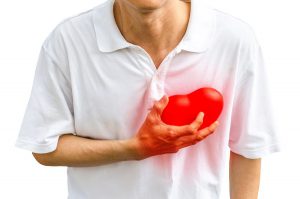 Sudden, intense chest pain that unexpectedly brings you to your knees – isn’t that how heart attack is shown in movies? In reality, a heart attack can be very subtle, especially in women. If you are experiencing symptoms, it would be a fatal mistake to ignore them. You would need prompt medical attention. Your doctor will ask about your symptoms. To make a diagnosis and draw up a suitable treatment plan, your doctor will consider your age, family history, medical history, overall health, and Cardiac Risk Markers.

 Vitamin D, commonly called the sunshine vitamin is responsible for the absorption of vital elements including Calcium that is an integral component of bone formation. Deficiency of Vitamin D due to low sun exposure or lack of Vitamin D in food leads to various diseases like Osteomalacia, also called the bones softening disease. It is a disorder that leads to weakening, bending, and bone breaking. In children and young adults, it results in bowing especially in bones that bear weight (legs). In older people, it can lead to fractures. Read on further to know about the causes, symptoms, and treatment for Osteomalacia with special reference to vitamin D food.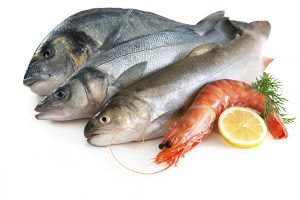

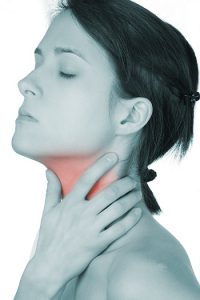 Sore throat is painful, irritable, scratchy, and causes an itchy sensation while swallowing food. Commonly it is caused due to a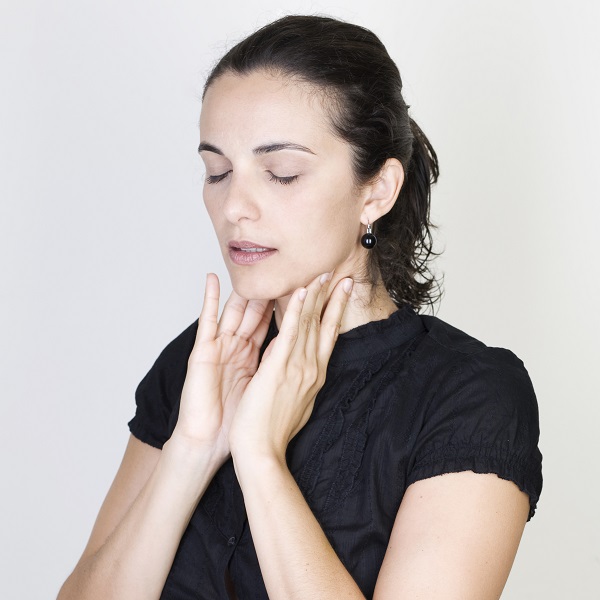
 Thyroid Symptoms in girls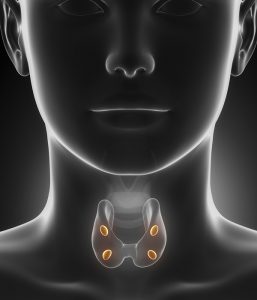

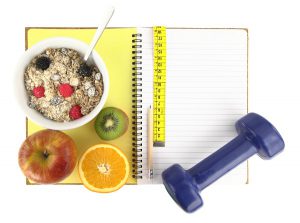



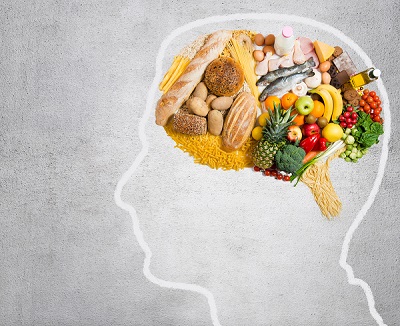
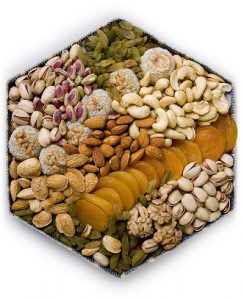 Adding nutritious and calorie-rich foods like dried fruits, nuts, legumes, seeds, avocadoss, and whole-grain foods will help you healthily gain weight.


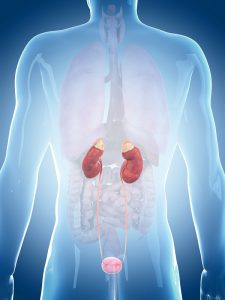 Pyelonephritis is a urinary tract bacterial infection that causes inflammation of the kidneys. Acute Pyelonephritis is severe and sudden whereas persistent or recurrent infection results in chronic Pyelonephritis. The condition can be life-threatening. Read further to find out more about urinary tract infection symptoms, treatment.