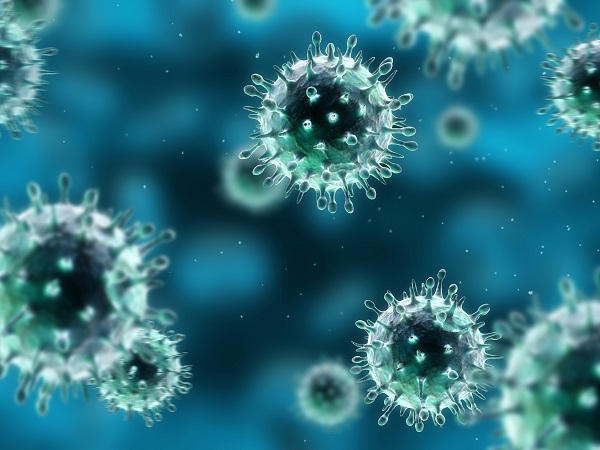

Lifestyle changes during covid-19
The world is coping up by making lifestyle changes during COVID-19 pandemic. It is trying to recover from the mental stigma and social hibernation it had to face during this time, while still being hopeful about the pre-pandemic life returning. Although, experts say it is too early to predict anything; we need to have sensible foresight to maneuver effective positioning of shattered pieces of a pre-pandemic era to redefine lifestyle transformations in the post COVID session.
Thus, change is inevitable in everything we do, the way we socialize, shop, travel, invest, educate, eat, etc. The sooner we adjust towards this “new normal” lifestyle, the smoother will be these transformations.
Understand Your Stress Triggers
Experts suggest that self-care through self-motivation is the key to battle with the overwhelming anxiety issues you might have to face during this critical period. Despite all the personal/financial losses and hard work, if you would be able to deal with the positive mechanism; you will be able to combat stress, anxiety, and negativity associated with the COVID-19 pandemic.  Utilize this time for self-care, daily exercise, meditation, nurturing hobbies, developing a better skill-set; all of these will minimize your stress triggers.
Optimize Your Sleep
Sleep can be the best medicine for all your daily frustration, mood swings, inflammatory immune discomforts, etc.  Adequate sleep with a balanced diet can be one of the best coronavirus tips to rebuild your immune system to be stronger for all types of infectious attacks.
Accept the Change and Move on
As of now, change is the only certain experience we can have; and accepting the same will help us to focus more on things that we can control, may it be cooking a meal for your family or keeping you in shape with daily workouts, etc.
Avoid Excess Information
You don’t have to listen to the same news, again and again. The media coverage is sometimes fake or just simply exaggerating. You should be able to get the information at your discretion; by choosing the time or channels of information. It is important to understand that overloading yourself with stressful information can pull you back into your anxiety mode.
Be Grateful for Whatever You are Left With!
This pandemic has turned many lives upside down, many of them have lost their loved ones, many have lost their jobs; and many are suffering from Post-COVID health challenges including depression, stroke, dementia, anxiety, etc. You should be able to spend some time of a day to express gratitude for what you have left with.
Although it is still a long way for recovery, the pandemic acknowledge the importance of many things that we were ignorant about like technology, healthcare heroes, personal attention, healthy homemade food, time with your immediate families, etc.
Hopefully, we should be able to pass through the situation; without losing a sense of optimism.

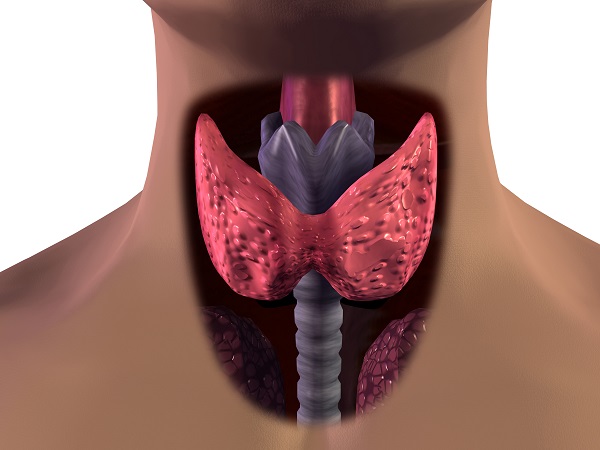
 The thyroid and pregnancy have a direct relationship that not everyone is aware of. During pregnancy and after delivery, the mother’s thyroid gland goes through several hemodynamic, metabolic, and immunologic changes. Any small thyroid dysfunction if not detected on time can lead to serious thyroid and pregnancy disorders in the short or long term.
 Gain Weight Safely In a world of 1.9 billion obese individuals, where weight loss programs, weight-loss diets, are trending; no one would have paid even the slightest attention to the fact that “being underweight” is also a serious health risk. Hence, the importance of nutrition cannot be ignored. Here, we intend to share certain
  To get the desired results, you need to take efforts on different important parts of the body; such as thighs, calves, chest, abdomen, back, shoulders, triceps, etc. by setting a regular schedule.
 Increased consumption of protein-rich food like fish, eggs, meat, and dairy products promotes rapid weight gain. A higher calorie intake through energy-rich carbohydrates like sweet potatoes, cheese, nuts can also be added to your weight gain recipe list.
 You can also add other health beverages to your routine intake; such as peanut butter smoothies, yogurt smoothies, soya milk, fruit juices, etc.
 How to control Thyroid?


 Balancing between nutrition as well as exercise is like a puzzle where regular preventive checkups serve as hints. Meanwhile, Thyrocare helps you in testing your Thyroid function with a variety of preventive as well as diagnostic



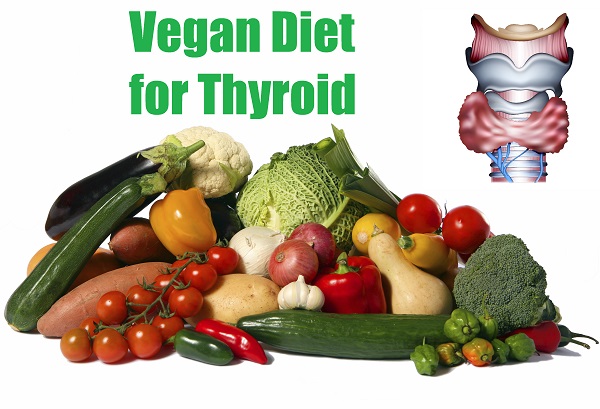

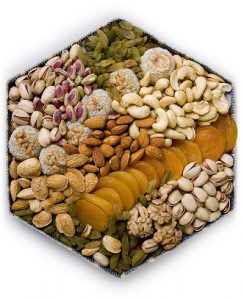 You can also include cacao, mushrooms, spirulina, and cashews. This ensures you get a steady intake of iodine that your body requires.