Home Blog Page 32

Know What is Postpartum Thyroiditis and What Causes it?

Postpartum thyroiditis
Postpartum Thyroiditis

What is Postpartum Thyroiditis?

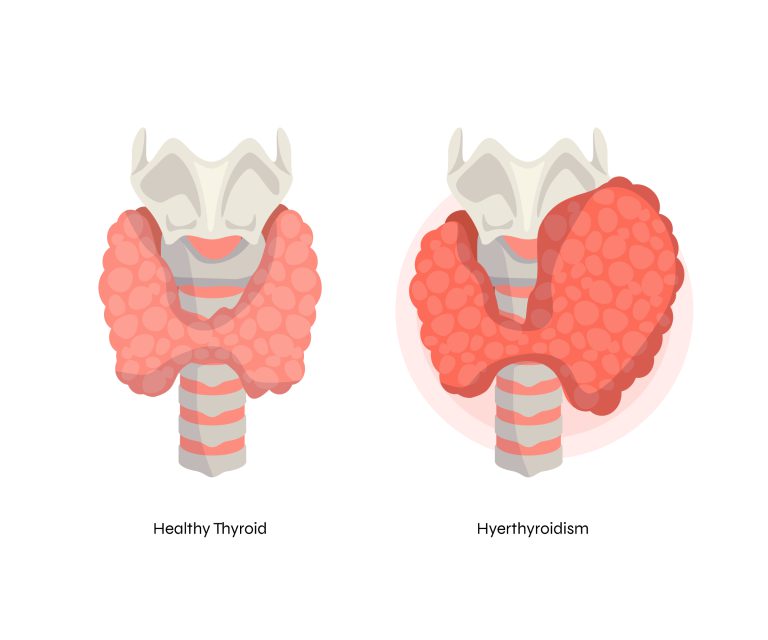
Postpartum thyroiditis occurs in women after pregnancy, where the thyroid gland is inflamed. This happens within the first year and usually in cases where the women had no prior history of thyroid issues. It is an autoimmune disease that is a transient form of Hashimoto’s thyroiditis but may often lead to permanent thyroid disease. Let’s discuss the co-relationship of thyroid and pregnancy.

How are Pregnancy and Thyroid Related?

The correlation between thyroid and pregnancy is immense, as during pregnancy the level of Thyroid Peroxidase (TPO) antibodies naturally decreases due to the immunosuppressed state of pregnancy. However, if the TPO antibodies level remains high during the third trimester of pregnancy, then the women have an 80% chance of developing Postpartum Thyroiditis. As there is infiltration of lymphocytes within the thyroid gland, this leads to increased levels of TPO antibodies, which causes Postpartum Thyroiditis.

What Causes Postpartum Thyroiditis?

Postpartum thyroiditis is caused by the attack of antithyroid antibodies on the thyroid. This causes the thyroid to become inflamed. It is not completely known why antibodies attack the thyroid gland. However, it is believed that women developing the condition may have had an underlying autoimmune thyroid condition, without symptoms.

Who Gets Postpartum Thyroiditis?

Women having type I diabetes are 3 times more prone to postpartum thyroiditis than normal women. Family history of thyroid dysfunction is also one of the factors which indicate the risk of developing postpartum thyroid. Even the presence of thyroid-specific antibodies can make women more susceptible to thyroid dysfunction including postpartum thyroiditis.

What are the Symptoms of Postpartum Thyroiditis?

In hyperthyroidism, it is unlikely to notice obvious symptoms of postpartum thyroid at the initial phase, between 1 to 6 months after giving birth. However, few symptoms which may be seen include:

  • Weight loss
  • Excessive hair loss
  • Anxiety
  • Rapid heart rate
  • Feeling warm
  • Muscle weakness
  • Nervousness
  • Loss of focus

Whereas in hypothyroidism, most women will notice symptoms in 4 to 8 months after giving birth. These symptoms can last even for a year and resolve eventually without treatment or rarely continue to stay for the rest of their lives. These symptoms may include:

  • Weight gain
  • Fatigue
  • Muscle cramps
  • Depression
  • Constipation
  • Memory loss
  • Dry skin
  • Can’t handle cold weather

As these symptoms may not appear until a few months after childbirth, they are often mistaken for normal signs of recovery from childbirth. It is important to visit your doctor for a better diagnosis.

How is Postpartum Thyroiditis Treated?

Treatment for postpartum thyroiditis varies depending on the severity of the condition-

  • Women with mild symptoms must be kept under observation, but usually not prescribed any medication unless their symptoms worsen
  • Women with more severe symptoms are given treatment that varies during each phase of the condition
  • In case of hyperthyroidism, beta-blockers are given to reduce their symptoms
  • The hypothyroid phase is usually treated with thyroid hormone replacement therapy


Not a Permanent Condition for all: For most women, it is a temporary condition. It is important to monitor thyroid levels during treatment. Thyrocare offers thyroid test packages that will help in monitoring the thyroid levels, thereby aiding in tapering off the medication, as soon as the thyroid returns to normal functioning levels.


In the Kitchen with Arthritis: Foods to Avoid

0

Food to avoid for arthritis

Our plate of food consists of various vegetables, fruits, spices, dairy products, meats, poultry, herbs, etc. We consume everything without having proper knowledge about the benefits or harm they could cause to our health. Therefore, it becomes crucial to know what you consume, as some foods aggravate certain types of diseases like arthritis or inflammation, while some promote anti-inflammatory effects. Proper knowledge regarding this could help you choose only those foodstuffs that help to alleviate ailments and lead a healthy life.

A lot of people suffer from arthritis, a bone condition that occurs due to inflammation. For such individuals, it is crucial to keep a track on their diet. Eating the right type of food would assist in minimizing/avoiding inflammation and pain. Along with exercise, a proper diet that excludes the below-mentioned food could help an arthritic person optimize his/her health.

Check the following list and avoid consuming these foods to keep inflammation and pain at bay-

Processed Foods:-

fast food
Try to avoid eating processed foods like baked items, packaged snacks and meals, as these contain trans fats which can cause inflammation. Also, stay away from items whose label flashes hydrogenated oils, it helps to eliminate trans fats, which are not beneficial.

Red meat and greasy foods:-

Red meat is packed with saturated fats which causes inflammation and leads to high cholesterol. It is also comprised of Advanced Glycation Endproducts (AGEs) that trigger inflammation mainly when the meat is grilled, cooked by broiling, frying, and roasting.

You should also avoid consuming greasy foods such as french fries, which contains trans fats and AGEs.

High-fat dairy and cheese:-

dairy products
Dairy products such as cheese, butter, mayonnaise, and margarine are all high in AGEs and saturated fats. These food items can contribute to inflammation and are to be avoided or moderately consumed.

Sugar:-

Avoid consuming foods that are high in sugar, such as candies, chocolate, pastries, soda, etc., which may promote the production of proteins like cytokines in the body. Cytokines are known to trigger inflammation and pain. Therefore, always watch for food labels that indicate the presence of sucrose, fructose and maltose in the list of ingredients.

Refined grains:-

sugar

We consume refined grains in the form of white pasta, white bread, crackers, etc. Regular consumption of refined grains causes an upsurge in blood glucose levels, thus possibly worsening inflammation. On the other hand, individuals who are sensitive to gluten could experience inflammation and aching joints on consumption of grains and products that contain gluten.

Therefore, while a condition like arthritis is best managed by medication, having a conscious eating habit will also help in reducing arthritis-related inflammation and keep you fit and healthy.

Exercise at Workplace for a Better Health

0

Exercise at Workplace for a Better Health An office is a place where we spend most of our time confined to a chair. This continues as we travel and reach home, and stick to our sofa and TV. Most of us do not even recognize what we are doing to our health. All this while, we are churning a recipe for illness and medical issues like spine-related injury, carpal tunnel syndrome (CTS), obesity, tense muscles, leg cramps, etc.

It is even more crucial to take care of your health during the long hours of office, as it increases not only our productivity but also our well-being. With the right diet, you should also incorporate a little exercise. If you do not get enough time to go in the open corridor, then you can also practice a few simple exercises while sitting on the chair. So, keep all the excuses aside and start with a little exercise. Over time you will notice a positive change in your overall well-being.

To break this sedentary lifestyle and make it healthy follow the below mentioned simple exercise –

Correct Posture-

Right posture is a formula to avoid spine-related problems. Maintain a 90°-90°-90° posture parameter while sitting on a chair. Rest your feet on the floor or on the footrest. Keep your spine straight and lean against the chair to gain proper curvature. Correct sitting posture will help you avoid hunching and spasms associated with it. You can also evade neck and back pain by maintaining the correct posture.

Exercise at Workplace

Stretching-

Stretching helps to get rid of pains or spasms. Proper stretching provides relief from back pain. Move your ear towards your shoulders and hold it for a few seconds. Then come back to normal position. Repeat this exercise a few more times.

Chest Opener-

To do this exercise, bring your arms backward as if you are trying to grab something between your shoulder blades. This exercise opens your chest and relaxes the muscles from around the shoulders.


Back extension-

Hold your hips and extend your spine/back by leaning backward. This will relax your spine and help relieve back pain.

Chair Aasan-

Sit in your chair with your legs crossed. Rest your arms on the handles and carefully raise a few inches above the seat with the help of your hands, muscles, and belly. Maintain this position for a few seconds and come to rest.

Five minutes fitness break-

You can avoid sitting in the lounge area during break time and instead take a brisk walk. Use stairs and avoid elevators, and do some stretching. If you drive to the office, then park your car far away and take a little walk.

These few Exercises at Workplace will give you the much-needed break from your hectic routine. You will feel much more relaxed, as the strain and weariness will fade. So, do not hold yourself back from attaining health goals and start practicing right away.

Know about Iron Deficiency

0

red blood cell

Iron deficiency

Iron is an important mineral required for the proper growth and development of our body. Lack of iron in the body results in anaemia, which is also termed as iron deficiency anaemia. It is one of the leading causes of anemia worldwide.

Iron is present in a protein called hemoglobin found in the red blood cells. In the muscles, it is present in myoglobin protein. Haemoglobin is responsible for distributing oxygen throughout the body, whereas, myoglobin supplies oxygen to muscle cells. About 70% of iron is present in red blood cells and muscle cells.

Few Causes of Iron Deficiency are listed below –

Insufficient iron in diet

Your body absorbs iron from the diet. Many a times, iron deficiency occurs when there is not enough consumption of iron-rich food. Getting inadequate amounts of iron over time leads to iron deficiency.

Excessive loss of blood

The main constituent of blood is RBCs that contain iron. Loss of greater quantity of blood can also lead to anaemia. This is common in women during heavy periods or with other causes of internal blood loss such as ulcers, colorectal cancer, hiatal hernia, etc ., also lead to iron deficiency.

Pregnancy

Pregnancy is a phase when the need for iron increases as the blood volume elevates. A pregnant woman’s body needs to meet its own and fetus’ hemoglobin requirement.

Incapacity to absorb iron

Iron is absorbed from food into the blood in the small intestine. In case of intestinal disorder like celiac disease, iron absorption from food is impaired, which thereby leads to iron deficiency.

Symptoms of Iron deficiency are –

In the initial phase of iron deficiency, the body does not exhibit significant symptoms. However, gradually, the deficiency worsens and the indications or symptoms shown are –

  • Dull skin
  • Fatigue
  • Shortness of breath or pain in chest
  • Inflammation of tongue
  • Brittle nails
  • Fatigue
  • Craving for non-edible things like pica, paper, dirt, etc
  • Loss of appetite
  • Dizziness

People with Higher risk of Iron deficiency –

  • Children or infants
  • Women
  • Vegetarian
  • Those who donate blood frequently

Preventive Measures –

Consume the below-mentioned foods which are rich source of iron

  • Seafood
  • Peas
  • Beans
  • Dry fruits
  • Poultry, red meat and pork
  • Iron-fortified bread, pasta, and cereals

It is easy to prevent iron deficiency or to track the level of iron in our body. Follow a proper nutritious iron-rich diet and keep a check on iron levels through preventive check-ups available at Thyrocare – the most renowned diagnostic centre in India and expanding abroad.


References – https://www.ucsfhealth.org/education/hemoglobin_and_functions_of_iron/
https://www.healthline.com/health/iron-deficiency-anemia#modal-close
https://www.medicinenet.com/ironand iron deficiency/article.htm

From Hypothyroid to Healthy

What is Hypothyroid

Hypothyroidism is a condition in which the thyroid gland produces low levels of the thyroid hormones. It is one of the most prevalent health concerns and is also called as underactive thyroid disease.

Thyroid gland releases vital hormones like T3, T4, which regulate metabolism and affect functions of heart, brain, and muscles. Due to an underactive thyroid, body functions are hindered and slowed down, and the risk of other health concerns increases. Other than that, hypothyroidism can also lead to an increase in cholesterol (LDL) levels, – further increasing heart risk.

While your doctor helps you manage hypothyroidism with medications and other alternatives, it is important to rely on diet and lifestyle changes other than conventional treatments to lead a healthy life with the hypothyroid condition.

It is also suggested to keep a regular check on your thyroid with tests like T3, T4 or TSH. These tests help you monitor thyroid function as well as tweak your medications plan whenever necessary.

With your overall health at stake, it becomes imperative to manage your hypothyroid through the below-mentioned tips on modifying diet and lifestyle along with medications.

Eat healthily

Include in your daily meal healthy fats, proteins, fruits, whole grains, and fresh veggies. Break your meals into small portions to gain maximum energy throughout the day. Generally, people tend to gain weight in hypothyroidism, however, a healthy diet will help you to avoid extra calories, therefore keeping you fit.

Physical exercise


Exercise is good for maintaining over-all fitness and wellbeing. It is necessary to stick to a routine and follow it regularly. Mix various forms such as yoga, walking, weight lifting, swimming, etc. and ensure that you follow your exercise routine without a miss. It will help you boost energy levels, reduce stress and manage your body weight.

Avoid Stress 

Any kind of illness causes stress, even if it is managed and well treated by your doctor. To prevent sickness taking a toll on your overall wellbeing, practice meditation or deep breathing. You can also schedule massage therapy for relaxing yourself.

Early to Bed 

A person suffering from hypothyroidism often feels tired/fatigued. Retiring to bed early can help. It is imperative to schedule a plan and adhere it. Sleep and rise at a fixed time every day, also on weekends. Those who face trouble falling asleep or remaining asleep should seek help from their doctor.

Adhere to medications

It is advisable for a person suffering from hypothyroidism to follow through timely medications, a healthy diet plan and an exercise routine. A combination of these will help a person achieve optimum health.

Make the most of these tips and lead a healthy life with hypothyroidism.


Process of Blood Testing at Thyrocare

Blood Testing Process At Thyrocare

Thyrocare is a leading Indian diagnostic brand making available preventative health care and world-class diagnostics at very affordable prices for people across the country to access.

With its state-of-the-art laboratory and world’s largest track – Aptio that processes above 50 thousand samples and more than 2 lakh investigations, Thyrocare delivers high-quality preventive health check-up packages on a PAN-India basis.

Over the years, Thyrocare has launched itself in cancer diagnostics, apart from thyroid, diabetes, vitamin, and other range of tests. It has been bestowed with national and international quality accreditation like ISO, NABL, and CAP.

As we talk about efficiency, accuracy, and transparency we consistently keep up while delivering our service, this blog will help you gain insight into the process of blood testing at Thyrocare.

The process of blood testing undergoes three important stages

  • Collection
  • Processing
  • Report

1.Collection

Thyrocare has a highly trained staff of blood technicians for the collection of blood samples. Once you register for a blood test, our technicians visit early morning for collection. Our franchises are located all over, which helps us reach you at the earliest, wherever you are.

Moreover, we provide services to hospitals, labs, and poly-clinics. To ensure the quality of samples collected, we put a lot of emphasis on packaging and dispatching. Our logistics team assures 100% safety and quality of every sample collected. We make use of specialized ice packs and thermostat boxes to maintain the integrity of the samples.

The logistic team enables the sample to reach the central laboratory or the regional laboratory in time. With the help of logistics, Thyrocare is able to provide its services across the length and breadth of the country.

2. Processing

After collection comes processing. The blood samples reach the central processing laboratory for analysis. It is segregated and bar-coded for accuracy and data generation. The laboratory is equipped with highly sophisticated equipment and it is completely automated. It has implemented the Aptio track by Siemens – the world’s longest track that eases operations in pre and post-analysis. Likewise, it has many high-performance analyzers such Bio-Rad, Sysmex, Olympus, etc from the top brands.

Here, the blood sample is processed upon the type of test and stored for minimum two days in case of reference. The automation technology helps to manage TAT, efficiency and accuracy.

3. Report

Report generation is the final step in the process of blood testing. This phase is also automated for fastening the process of report delivery. A soft and hard copy of the report is made available. Thyrocare maintains minimum TAT for report delivery.
In this manner, a blood sample travels through three main phases. Overall, Thyrocare provides more than 2 lakh investigations.

Below mentioned are some of the blood tests/profiles available in Thyrocare

  1. TSH test
  2. HbA1c test
  3. Total Thyroxine
  4. Total Triiodothyronine
  5. Vitamin B 12
  6. Diabetes profile
  7. Lipase
  8. Amylase
  9. Calcium
  10. Hepatitis
  11. Cortisol

You can avail any of the tests/profiles at a cost-effective price. In order to get the best deals to visit Thyrocare’s web page and know about the health packages and other offers.

6 Ways to Keep a Healthy Mind and Body

6 Ways to Keep a Healthy Mind and Body

In the present day, a majority of us juggle work and personal life. Lack of time leads to unhealthy food choices, and increased stress causes problems like depression, poor focus, and irritable moods. In such a scenario, it is imperative to maintain a healthy mind and body in order to be able to function well in all aspects of our current, fast-paced lives.

It has become so easy to stumble upon health related articles almost everywhere online. What is crucial is to figure out the ones that suit you the best and relentlessly follow it.

“Your body is your temple and your soul is your God. One who has mastered both knows pure joy.”
That being said, this blog aims to offer some handy advice on attaining overall well-being.

Below are a few tips to choose from:

Ways To Gain A Healthy Body 

  1. Diet
  • Fresh fruits and vegetables are packed with important nutrients. To replenish your body, consume at least two servings of fruits and vegetables.
  • Substitute that bag of chips with a packet of nuts. It will keep you filled while providing essential nutrients and anti-oxidants.
  • Always choose your food wisely. Try to avoid junk and processed food as much as possible. Instead, divide your plate into a well-balanced diet that includes proteins, carbs, minerals, and fiber. Select vegetables from a variety of colors like yellow, green, orange, red, etc.
  • Stay away from sugar-rich food and oily or greasy stuff. Unnecessary calories are a threat to your health.
  • Consume proteins obtained from oily fish rather than red meat. Lean meat is always a better choice.

2. Exercise

  • Engage in activities like exercise or yoga, choose stairs over the elevators, try to avoid phones to communicate with colleagues, and opt to personally visit them, all these will help you break out from the sedentary lifestyle.
  • At home, you can try out yoga, sports, martial arts, Pilates, running, cycling, swimming, etc. Basically, anything that gets your heart rate increased.

3. Water Intake

  • Increase your water intake and cut down on aerated drinks and coffee. Drink 6 to 8 glasses of water to cleanse your body of toxins. You can also choose tea and vegetable soup.

4. Sleep

  • Sleeping is your body’s resting and rejuvenation time. Every day sleep for minimum 7 hours and stick to a fixed sleeping schedule.
  • Keep away all the electronic distractions like mobile phones, television, etc., while sleeping.

Ways to gain a healthy mind 

  1. Meditation
  • Meditating or deep breathing when you are feeling fatigued, weary, or stressed is one of the best hacks to calm your nerves and quickly achieve relaxation. Sit in a comfortable position and take deep conscious breaths. This will have a calming effect on you and can be practiced anywhere anytime.

2. Positive Behaviour

  • Be always grateful for the good things in your life. Cultivating the habit of paying gratitude will attract more positive things in your life.
  • Try to be friendly and in good terms with all the people you come across.
    Give due importance to personal relationships.

3. Hobby

  • Giving yourself some ‘me’ time every day will help you recharge and rejuvenate. Give yourself thirty minutes and listen to music, meditate, study, pray, reflect or read a book.

Do I Have Diabetes? How do I Know it?


Blood sugar testing- for early phase of diabetes

Early Phase of Diabetes – Diabetes is a chronic ailment, which has to be monitored on a regular basis. Many people complain about the abrupt occurrence of this health concern without previous warning signs or symptoms. So, how do I know, if I have diabetes? What indications hint the presence or start of diabetes? Some are mild at the onset and only become apparent after reaching a higher level. The severity of type 1 diabetes in comparison to type 2 diabetes differs, however, some common symptoms are exhibited in both of these. You simply need to be watchful about your health and take preventive actions to abate the occurrence of it.

Common warning signs/symptoms that indicate the occurrence of Diabetes –

Fatigue & Hunger in early phase of diabetes

In case of diabetes, either the body is incapable of making insulin or the cells cannot up-take the insulin that is present in the body. The cells become devoid of glucose, which causes fatigue and hunger.

Hazy Vision

Alterations in fluid levels could lead to swollen lens, which in turn changes the shape and focus.

Frequent Urination

On an average, a person urinates four to seven times in a day. However, a diabetic person experiences frequent urination. This is because the kidneys are unable to reabsorb the glucose because of high blood sugar levels, which leads to formation of more urine.

Thirst

Frequent urination results in increased intake of fluids, thus more thirst.

Itchy Skin & Dry Mouth

The body releases all the fluid in the form of urine, therefore, very less amount of moisture is available for other things. This causes dry mouth and dry skin, which causes irritation.

Infections

A person might experience a yeast infection. This is common in both men and women. Glucose is food for yeast, and in case of diabetic person, it is present in plenty, therefore, the infection.

Sluggish Healing Process

The presence of high blood sugar in the body affects the blood circulation and eventually causes damage to the nerve. This makes the healing process difficult.

Numbness or Pain in Legs, Feet

Nerve damage could result in pain and numbness. It is always advisable to stay alert and notice what your body expresses to you. You can make use of preventive health check-up plans to keep a track of your health. Moreover, consult your doctor immediately, in case you come across any of the above symptoms.

For early detection and regular tracking of your blood sugar level, opt for the HbA1C test at Thyrocare or choose from a wide array of affordable and comprehensive diabetes test here. Centered around its state-of-the-art laboratory, Thyrocare provides accurate results while being able to boast a turn-around-time of less than 24 hours.

Wellness Matters

We all talk about Wellness Matters and its importance; every-other social media site is discussing and giving tips on how to achieve well-being

How to achieve well-being

In general terms, wellness is a broad subject, it is not only confined to maintaining a disease-free body but also emphasizes awareness, choices, and actions for achieving a healthy and fulfilling life. Take an instance of a person, who is living a regular life and is not fully aware of the importance of a nutritional diet, physical exercise, and regular preventive health check-ups. This person may be disease-free but misconceives it as wellness. Such a person can be anyone amongst us. Even you and I could’ve as easily fallen prey to any widespread misconception as this one.

What is Wellness?

In general terms – wellness is a state of being in optimum health. It is an active process of getting aware and taking action to achieve a healthy and fulfilling life. In this blog, we are focusing on physical wellness and ways to achieve it via preventative healthcare solutions.

Why does wellness matter?

We all aim at attaining overall well-being to live a high-quality life. Anything we do or every emotion we feel is directly associated with our well-being. It affects our emotions and actions. So how do achieve well-being? It is a continuous process, therefore, it is crucial for us to gain optimal wellness to combat stress, minimize the possibility of diseases and establish positive interactions.

How Preventative Healthcare leads to Wellness? 

Although the preventative healthcare sector has been playing a major role in creating awareness and redefining wellness to the Indian population. As a habitual system, we generally ignore our health unless we fall sick. However, with the commencement of preventative healthcare brands, understanding regarding regular check-ups and diagnostic has gone to another level.

Thyrocare takes the pedestal when it comes to providing world-class and high-quality diagnostic solutions at affordable rates to the Indian sub-continent and now, globally.

These preventive healthcare packages have been made available by Thyrocare under the Aarogyam and Wellness umbrella and cover almost all pathological tests. These packages help us keep track of our health status, thereby, assisting us to achieve overall well-being. With the use of these tests/profiles, you can be knowledgeable about and control any ongoing abnormality and prevent upcoming diseases.

Thyrocare’s Wellness Packages – How to achieve well-being

  • A1C Diabetic
  • Aarogyam 1.8, Aarogyam XL
  • Wellness – Silver, platinum, gold, bronze
  • Diabetes Panel
  • Vitamin Panel
  • Thyroid Panel

With a mission to cater to the needs of all including the people who cannot afford it, Thyrocare offers all the tests/profiles at pocket-friendly prices.

Overall, wellness matters and it’s easy to achieve through preventative care.


Blood Sugar Levels | Notice These to Know Your Sugar Level

Blood Sugar & Diabetes

Blood Sugar Levels Diabetes is not an obscure disease. Many of us already know at least one person who suffers from it. We’ve seen what it does, how it wrecks an individual’s life and warrants constant monitoring. But do we really know this disease well enough to recognize its other dubious symptoms? A fruity breath, blurry vision, wounds that won’t heal…do we normally associate these with diabetes?

High blood glucose, frequent urination, and thirst are the commonly known symptoms of diabetes,

Symptoms of Blood Sugar Levels

Blurred vision – When blood sugar levels rise, this excess sugar enters the lens of the eye. This causes the surrounding liquid to follow, causing the lens to swell. This condition can be corrected by lowering glucose levels.

Delayed wound healing – High levels of blood sugar slows down blood circulation. Because of this, When the injuries happened, blood components such as clotting factors that are needed to close the wound, interfere with the wound. This delays healing of the wound. High blood glucose can also directly affect blood vessels, constricts them so less blood passes through these blood vessels.

Fruity breath – An indication of diabetic ketoacidosis, this condition occurs when insulin becomes ineffective at making use of the glucose available for producing energy. The body instead resorts to breaking down fats to form ketones, one of which is acetone which gives breath a fruity odor.

Increased appetite –  Dropped in insulin sensitivity, glucose is not able to convert into energy, which tells the body to run out of calories and need more food.

The key to treating these is getting your blood sugar levels back to normal. If high blood sugar is high visit your doctor immediately. Even before diabetes completely develops, inculcating habits like healthy eating, regular exercise, managing stress and weight reduction (for those who are overweight) can help with these conditions.

Identifying the symptoms of diabetes sooner rather than later can lead to an early diagnosis, which can save a lot of pain and discomfort later. We spend most of our lives chasing material goods, but

we should never forget to listen to what makes all of it really possible – our own bodies.