Home Blog Page 33

The Curse of The Couch Potato – Get Moving!

The Curse of The Couch Potato - Get moving!
Sedentary Lifestyle problems

Sitting Diseases Today is the age of stagnation! We eat sitting at a place, work all day on the same chair, even travel without moving ourselves. So what ultimate costs will we have to pay for this immediate comfort? Colloquially called “the sitting disease”, a sedentary lifestyle is defined as one with little to no physical activity and which mostly involves sitting or lying in one place. The fatal combo of obesity, stress and static living have been linked to many of the epidemic disorders that plague our times including but not limited to heart disease, type 2 diabetes and psychological imbalances. This is of particular concern to us, as the incidence of type 2 diabetes is ever on the rise in our country – earning it the unenviable title of Diabetes Capital of the World.

“But I feel fit!”

Low activity levels lead to many afflictions that only gradually wax into full blown calamities. A classical outcome of unhealthy lifestyle is death by heart attacks. Especially in combination with savory acts like smoking or alcoholism. Long hours of sitting in one place causes clots to form in blood which, if gain sufficient size, can enter the lungs with fatal consequences. Couple the inactivity with sugary, unhealthy foods and you have the recipe for type 2 diabetes. This can be avoidable if one loses a couple of pounds.

Obesity, which is often associates with slow moving lives, also facilitates the development of certain cancers. Yes, cancer through insulin resistance, increased levels of sex hormones and chronic inflammation! Muscle wasting from the lack of usage causes the muscle fibers to replace fat, thus altering body posture. It also brings skin color changes and fatigue on even mild exertion.

“But I have a desk job!”

Changing the way of living is easier, but it does not come without its own perks, especially on the long run. Well begun is half done, and inculcating healthy habits with lots of outdoor activities from childhood is one of the best ways to later prevent falling into this stationary trap. For adults in the slow moving life, maybe try –

  1. Taking a walk, better yet, jog – 30 minutes daily, and turn it into a habit. Beside physiological benefits, it will also freshen your mind.
  2. Not skipping the stairs – Climbing stairs is a vigorous activity and burns way more calories than walking.
  3. Not staying seated – especially at work. Try standing desks at work and stay mobile, take walks in between long hours of sitting.
  4. Parking your vehicle further away – you can walk that distance.
  5. Exercising – 1 hour of moderate exercise daily or intense exercise several times a week, take your pick.

All the medications in the world won’t help you if you don’t help yourself. See how many life-threatening complications such as heart disease and type 2 diabetes are preventable with just minor tweaks to daily habits, do not hesitate to get up and get moving and beat Sitting Diseases!

Sedentary lifestyle diseases

0


“Price of sitting too much comes with a rusted body and accelerated aging. Are you up for it?”

A Sedentary Lifestyle is a way of life where a person (be it a child or an adult) does not indulge in any physical activity or exercise. A more colloquial term “couch potato” is often used to describe people who intentionally follow such a lifestyle. However, those whose work demands sitting for 8 to 10 hours in front of a computer unintentionally also fall into this category.

Modern modes of entertainment demand one to be less physically inactive. These mainly include playing video games, watching television, and using a computer for social networking or watching movies. A sedentary lifestyle today cannot necessarily be related to one being lazy. A person can be quite busy working, but their work spares them from the opportunity of being physically active.

Effects of Sedentary Lifestyle

A sedentary lifestyle has been reported to show direct relation with metabolic syndromes and is known to influence the body mass index of an individual, blood pressure and heart rate. Hence, prolonged periods of sitting and inactivity raise the levels of high-density lipoproteins (HDL). This, in turn, contributes to major lifestyle disorders like diabetes, cardiovascular diseases, high blood pressure problems, obesity, kidney problems, etc.

Obesity

Spending too much time in front of TV (laptops, tablets, cell phones too!) and eating fast food can increase your chances of becoming obese. It slows down your metabolism and leads to secondary complications such as diabetes, kidney and heart problems. It also shortens a person’s overall life expectancy.

Diabetes

A sedentary lifestyle is known to contribute to the development of diabetes, mainly type 2 diabetes. It occurs when the body’s cells develop resistance to the hormone insulin. Insulin is a hormone needed to maintain blood sugar levels.

People who sit all the time lose muscle and bone strength. In addition, poor blood circulation due to sitting for a long time also affects thinking ability.

Tips to stay active

  1. Spend less leisure time on indoor passive activities.
  2. Indulge in outdoor games or activities like gardening, swimming, jogging, etc.
  3. Follow mild exercises like light physical stretching, bending, turning etc. on a daily basis.
  4. Individuals involved in activities or jobs which require sitting for long hours, can always afford to spare at least 5 min to stand. Need to speak to a colleague, you can always walk up to their table and speak. That again makes you move and is a simple physical activity.
  5. Using stairs instead of elevators is also a good exercise.
  6. Standing involves more muscles and burns more calories. While talking on a phone, try to walk and talk.
  7. Go for small walks instead of immediately sitting or sleeping after meals.
  8. Opt for either walking or riding a bicycle to nearby places rather than using automobiles.

We, humans, are the product of thousands of years of evolution. We have evolved to explore the world with our feet. What we do is the exact opposite. We are physically confined to a chair. Needless to say, we need to walk more so that our bodies don’t become a home for disease!


Prolactin hormone and Fertility – Levels and Interpretation

0

Prolactin hormone and Fertility

‘Fertility’ – The word still makes a lot of people fumble or turn their heads over. Majority feel shy discussing it, instead finding a solution for potential complications it possess. Hormones act significantly in maintaining the fertility of an individual.

Prolactin is a hormone that plays a role in fertility by obstructing follicle stimulating hormone (FSH) and gonadotropin-releasing hormone (GnRH). In females, these hormones trigger ovulation and allow eggs to develop and mature. High prolactin levels inhibit the secretion of FSH, suppressing ovulation in women (decreases chances of pregnancy). Prolactin is known to produce breast milk in lactating mothers. While in men, prolactin affects the production of testosterone and decreases sperm count.

Symptoms of fluctuating prolactin levels


In men

  • Decreased body and facial hair
  • Erectile dysfunction

In women

  • Excessive facial hair growth
  • Milky discharge from breasts during non pregnancy phase
  • Vaginal dryness

Prolactin needs to be assessed, Why?

Prolactin test measures the amount of hormone prolactin present in the blood. The test signifies diagnosis for fertility issues, irregularity in menstruation, breast milk production in non pregnant females etc. In women. While in men, it is useful in assessment of erectile dysfunction (one of the causes of infertility in men)

Know your prolactin hormone levels

The normal values of prolactin in non pregnant women is 5-40 ng/dL which boosts upto 80-400 ng/dL during pregnancy. In males, the hormone levels are less than 20 ng/dL.

High prolactin levels cause tumour growth on pituitary gland. This tumour excretes excess prolactin in the body. In rare cases liver disease, kidney disease, polycystic ovary syndrome (c), hypothyroidism may also cause increase in prolactin levels. Strenuous exercise, lack of sleep, certain types of foods and medications (especially anti-depressants and painkillers) can raise prolactin levels.

Estimation of prolactin levels can help devise treatment methods for fertility issues. The quick fix to the problem could be as simple as stopping a particular prescription drugs which might be part of routine, or could also involve treatment of condition like hypothyroidism. In case of high prolactin levels observed in females, the levels can be brought down with treatment. This will increase their chances of pregnancy.

Talking and discussing with physician more often will help one deal with the problems, in a hope of resolving infertility issues.

Diagnosis is half way to cure!


Vitamin D Benefits – Why it is so Important to the Body?

Vitamin D Benefits

Summer is here! The very season reflects the different emotions of different people. The children are all preparing for the vacation, and the common people and the elderly are a little tired of the daily chores. Because of the heat and uncomfortable road flour. However, we cannot ignore the fact that the sun’s rays activate vitamin D in our bodies, which makes our bones strong.

Many dietary sources comprise vitamin D but D3 (cholecalciferol) is generated naturally in the skin on exposure to UV sunlight. And Liver and kidney play a major role in the conversion of vitamin D into usable forms in the body.

One of the major benefits of proportionate vitamin D levels in the body is to regulate the absorption of calcium and phosphorous in the body. These absorptions will reduce the chance of osteoporosis (brittle, fragile bones); also help in the normal functioning of the immune system.

Let D deal with diseases for you!

Vitamin D lead to the discovery of its phenomenal effects, such as reducing the risks of –

  • Multiple sclerosis(brain and spinal cord get affected leading to poor eyesight, speech and mental ability)
  • Heart diseases
  • Flu
  • Alzheimer’s disease (insufficient vitamin D partly contributes to increased risk of disease)
  • Diabetes (by regulating insulin)

Although this sunshine vitamin is available to us in abundance from the sun, certain consumables like egg yolks, butter, cod liver oil, cheese, fatty fishes like tuna and salmon prove to be a good source for D.

Lifestyle and environmental factors – affecting intake of vitamin D

  • Sunscreen
  • Pollution
  • Staying indoors for a long time
  • dark skin tone

Vitamin D has a significant role in the various metabolic processes and prevents numerous ailments. Keeping track of the body’s vitamin D levels will surely enhance the health quotient, in our current fast-paced lifestyle.

Soak yourself into the richness of this sunshine vitamin to reap its benefits in the best way possible!

Iron Deficiency can Affect your Thyroid Too!

0

Iron Deficiency

The 31-year-old Carl had a cheerful personality, worked steadily for 9 to 5, and liked adventures on the weekends. Adrenaline junkies zealously choose their favorite entertainment. But soon his awakening began to slow his life due to lethargy, weight gain, and lethargy. This also affected his daily work. He decided to wear a detective’s hat to find the cause of these anomalies and consulted with his doctor. A diagnosis of “thyroid” revealed serious concerns about hypothyroidism and iron deficiency!

Iron, a blood-forming mineral, is very important for thyroid function. Iron plays an important role in the production of thyroid hormones. It binds to the thyroid peroxidase enzyme, which is important in converting the thyroid hormone thyroxine (T4) to triiodothyronine (T3) (the active form of thyroid hormone). Iron deficiency results in low levels of hemoglobin (a protein that carries oxygen from the lungs to body tissues and returns CO2 from body tissues to the lungs). It also causes weak binding to thyroid peroxidase, which reduces thyroid hormone production.

Iron deficiency can occur for a variety of reasons

such as severe bleeding, pregnancy, and lack of an iron-rich diet. Few people know about its effects on the thyroid gland. Patients with thyroid problems suffer from decreased gastric acid secretion. Stomach acid is essential for the absorption of minerals such as iron. Iron deficiency is also caused by low levels of thyroid hormones. Low iron results in less T3 production, leading to hypothyroidism.

Both malformations in humans can cause weight gain, depression, high cholesterol, constipation, hair loss, rough, dry skin, and more! Doctors rarely do routine iron tests. It is believed that iron is normal if the number of red blood cells and hemoglobin is normal. However, this may not happen every time. Ferritin, which acts as a storage iron, takes longer to replenish when serum iron levels are low. A simple blood test can detect iron levels and thyroid hormone problems.

Boost your Iron levels and calm a troubled Thyroid by:

  • Consuming iron-rich foods like legumes and leafy green vegetables.
  • Intake of Vitamin B-12 rich foods like fortified cereals, soy milk is must.
  • Avoid foods inhibiting iron absorption like coffee, walnuts, spinach, beets, nuts, chocolate, etc.
  • Increased physical activity with exercises will improve metabolism.
  • Timely intake of medications and supplements along with timely tests.

For Carl, diagnosing the iron levels responsible for hypothyroidism was certainly shocking, but it helped him act quickly to keep the situation from getting worse.

Fill Your Iron Jar to Support Your Thyroid!


Vitamin D More or Less – Both are Trouble!

0

“Bask in the sun for strong bones”, is a common adage each one of us hear now and then! Sunshine is essential to sustain life on Earth. Apart from providing warmth, it kicks starts the production of vitamin-D, just by touching our skin. This sunshine vitamin is the only vitamin that our body can make on its own. The majority of us are aware of its benefits only till the fact that it provides strong bones. However, it does more than that!

Vitamin D functions include,

  • Enhancing muscle function
  • Brain development
  • Strengthening immune system
  • Boosting Cardiovascular function for a healthy heart and circulation
  • Fostering healthy lungs and airways
  • Anti-cancer effects

What happens if you get less Vitamin D?

Less than normal levels of vitamin-D cause its deficiency. Vitamin-D deficiency increases the risk of heart diseases, weight gain, high blood pressure, type 1 and 2 diabetes, depression, autoimmune diseases and various cancer types (breast, prostate, colon), etc. Its deficiency opens floodgates to various infections and illnesses.

Symptoms due to low levels of vitamin-D,

  • Bone pain
  • Muscle weakness
  • Unexplained fatigue
  • Soft bones causing deformities
  • Difficulty thinking clearly
  • Recurrent bone fractures
  • Soft/Deformed bones
  • Thin and brittle bones

What happens if you get too much?

Higher than normal levels of the vitamin may cause its toxicity. It can’t result due to diet or sun exposure but due to intake of high doses of vitamin supplements. Vitamin-D toxicity is dangerous and manifests following signs,

  • Weight loss
  • Nausea and vomiting
  • Weakness
  • Increased thirst and urination
  • Poor appetite
  • Heart rhythm problems
  • Constipation
  • Kidney damage (stones, hardening)

Pay heed to the symptoms, get the vitamin-D levels checked timely. Go for a preventive healthcare checkup today to know your existing serum vitamin levels. Adequate levels of the vitamin can be achieved with selected foods (like the flesh of fatty fish, fish liver oils, egg yolks), sunlight exposure, and supplements. Toxicity can be prevented by discontinuing or lowering the intake of high-dose vitamin-D supplements.

Basking in the sun for some minutes is enough and an easier way to produce it naturally. But not camping out in the hot sun for hours with no sunscreen!

Vitamin-D fends off diseases, pay attention to its levels, for a healthy and fit lifestyle!

How Often Should You Get a Thyroid Test

0

Is Testing Thyroid Regularly Important

The butterfly-shaped steel serves as the engine of our body and weighs only 25 grams and 2 inches. This is the “thyroid gland,” a small gland located at the base of the neck. It produces two hormones, T3 (triiodothyronine) and T4 (thyroxine), which play a huge role in regulating metabolism and overall functioning of the body. These two hormones are released when another important hormone, TSH, is released by the pituitary gland (the gland located in the brain).

Disorders of T3, T4, and TSH levels can lead to thyroid disorders and disease in the long run. Hypothyroidism occurs when the thyroid gland does not produce enough hormones. Some symptoms include weight gain, lack of energy, and depression. Overproduction of these hormones causes hyperthyroidism. This condition presents with symptoms such as weight loss, restlessness, and tremors.

Blood test

Doctors analyze a person’s symptoms if they suspect a thyroid problem. Blood tests are done to measure levels of T3, T4, TSH, free T3, and free T4. A blood sample is taken from a vein in the arm, placed in a test tube, and sent to a laboratory for analysis.

Result Interpretation

Results of the above-mentioned blood tests are interpreted based on the deviation from standard values.

  • When TSH levels are high and T4 levels are low, hypothyroidism (hypothyroidism) is diagnosed.
  • When the level is low and T4 is high, hyperthyroidism (hyperthyroidism) is diagnosed.
    Mild thyroid insufficiency (asymptomatic hypothyroidism) is diagnosed
  • Also, elevated T3 levels indicate hyperthyroidism, and low T3 levels indicate hypothyroidism.
  • when the level is slightly elevated but the T4 level is still within the normal range.
  • A low TSH with low T4 levels indicates a failure of the pituitary gland or a symptom of a significant non-thyroid illness.

The TSH blood test is the most sensitive indicator of thyroid status. If you are taking medications for thyroid disease, these blood test results will help your doctor fine-tune your treatment options. Patients with pre-existing thyroid should have these blood tests every 34 months as recommended by their doctor.

Do not change your prescribed medications without consulting your doctor. Tame your thyroid gland with this blood test before your metabolism changes and open the door to health catastrophe!

Obesity Might Increase the Cancer Risk, Know How?

Can Obesity Cause Cancer

“I am fat because my mother makes tasty food” is a confession almost every obese person makes! Carrying some extra pounds is considered to be a sign of content, foody, and a happy lifestyle by many. But does anyone think beyond it? Has anyone ever thought about the indirect adversities that arise due to obesity? Diabetes, increased risk of heart diseases, blood pressure, infertility, and stroke are stereotypical companions of obesity. But little do people know that steadily lurking foe “CANCER” can be an unforeseen result of obesity too.

Impact of FAT on body

  • Insulin, a hormone that helps the body use glucose, is affected by free fatty acids accumulated in the body. Therefore, eating a diet rich in fat causes changes in glucose intake. Insulin now acts as a switch for rapid cell division, leading to cancer growth.
  • Fat causes estrogen production. Excess estrogen production leads to unwanted cell division i.e. Cancerous growth.
  • Accumulated fat cells alter the job of macrophages (cells that clear cell debris), increasing the levels of fat cells and macrophages leading to chronic inflammation, elevating the chances of cancer.

Signs & Symptoms of Cancer in obese 

  • Formation of Lumps in breasts and other body parts
  • Unusual bleeding in stools (rectal cancer)
  • Development of white patches in the mouth or on the tongue
  • Prolonged constipation(a sign of colon cancer)

Obesity has also been linked to various types of cancer.

  • Breast
  • Oesophagus
  • Kidney
  • Liver
  • Ovary
  • Gall bladder
  • Endometrium

Basically, all factors contributing to obesity affect everyone in the same way. However, not all obese people have signs of inflammation or fluctuating insulin levels. Because it shows a very complex relationship that leads to cancer.
Its high time one considers obesity (an anomaly) as a possible threat for the increasing graph of cancer-struck victims taking a toll on humanity!

Keep a check on those extra pounds you consume


Type 2 Diabetes – Things you should know

0

Type 2 Diabetes?

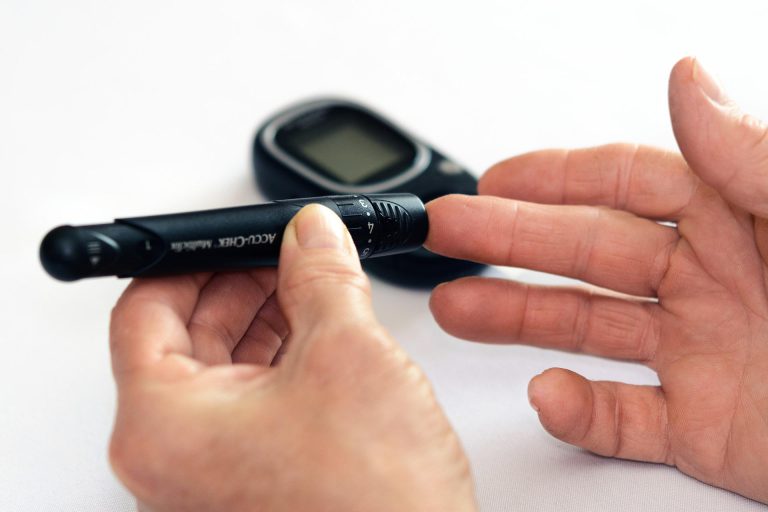
More than 50 million Indians have type 2 diabetes! However, what we lack is widespread awareness of this diabetes, which we call the diabetes capital of the world. Diabetes is a metabolic disorder caused by excessive blood sugar levels in the body.

Although much is said about this disease, most Indian adults do not know how to recognize, treat or manage this diabetes.

It is not ‘sugar’ that directly causes diabetes, but a combination of genetic factors and lifestyle factors. Obesity is another important factor in unlocking the floodgates of this disease. Type 2 diabetes occurs when the body’s cells develop resistance to insulin, which is produced by beta cells in the pancreas. They do not respond to the glucose present in the blood, resulting in increased blood sugar levels.

Symptoms of Type 2 Diabetes

  • Excessive fatigue
  • Irritability
  • Blurred vision
  • Frequent urination
  • Poor/prolonged healing of wounds/cuts
  • Intense hunger
  • Increased thirst
  • Weight gain or unusual weight loss

Manage this not-so-sweet malady!

Diabetes cannot be cured and, if left untreated, can lead to more serious complications. People with prediabetes/diabetes should be aware of the following to manage this diabetic condition:

  • HbA1c level of 6.5 or above and fasting blood glucose tests of 126 mg/dL or above confirm diabetes.
  • If pre-diabetic, do not ignore the initial symptoms and assess your blood glucose levels timely.
  • Perform HbA1c test every 6 months to monitor diabetes.
  • Eat healthily – Include foods with low fat and calories, rich in high-fiber.
  • Lead an active lifestyle by performing regular muscle strengthening exercises like aerobics, yoga, activities like walking, jogging, swimming, etc.
  • Get frequent eye exams at least once a year.
  • Undergo regular exams of skin, bones of feet, and legs to prevent diabetic nerve disease.
  • As per the doctor’s advice, undergo regular tests to check the levels of blood pressure, cholesterol, and triglycerides.
  • Do not miss or delay daily meals and medications for diabetes.
  • If you are overweight, have heart disease, or lead a sedentary lifestyle, it is a good idea to have your diabetes screened.

Lack of awareness on the management of diabetes massively fuels complications, affecting various organs. Abstaining from a sweet drink/food doesn’t control this silent killer. Do not let your stressful and busy lifestyles put your health in the backseat. Know more..to do more.

Tame this sugar malady!

Weight – Fat that Worries Us!

0

Fat or slim, weight is the worry
All the ugly notions; let them be buried!

Open any daily news report, magazine or even TV channels, advertisements pertaining to promising solutions of quick weight loss as well as gain are in abundance! Body weight has become an Achilles heel in today’s world, wherein personality is ranked in major arenas over intelligence or even zeal. It has become a self-esteem triggering issue!

And then there are – women with a hidden pressure among women to attain and maintain an “hour-glass” figure, and men having a tough time tackling their “pot belly”. Just a little flab becomes visible; people get nervous and start crash dieting and what not to shed those extra pounds off!

What is limited in this world of perfection of sizes is knowledge regarding healthy body weight. Limited we are when it comes to understanding health with respect to body weight, which is a science in its own!

My body strongest!

Body weight is a measure of the metabolically active lean tissue and fat (adipose) tissue, that fluctuates based on cellular metabolism. In simple words, metabolism works towards achieving a balance between intake and expenditure of energy. Body weight is also influenced by factors like genetics and environmental issues, the reason why we notice a medley of people of different sizes and shapes.

Our body is composed of water, proteins, minerals and fat (essential fat and storage fat) that majorly correlate to the body weight. Essential fat is present in the marrow of the bones, heart, various other visceral organs and the central nervous system; while storage fat is the one that accumulates in the adipose tissue (viz. skin, outer lining of organs etc.) acting as insulators.

Assess your weight

Body Mass Index (BMI) – The most common technique, BMI estimates the body’s fat percentage based on simple weight and height measurements. BMI = weight /height2
Weight – Kgs/pounds and Height – Centimeters/feet and inches

Hydrostatic Weighing – Also termed as underwater weighing, based on Archimedes’ principle of water displacement, the person is weighed while submerged in a large tank of water. This gold standard method which measures mass per unit volume of the body has become outdated.

Bioelectrical Impedance – Measures body composition (especially fat) by measuring impedance (strength and speed) of electrical signal as it passes through the body. This value along with height, weight and gender is taken into consideration to predict the amount of fat.

Skinfold Thickness Measurement – It involves grasping a vertical fold of the skin to measure the amount of subcutaneous fat (fat under the skin).

Fat or thin – In being healthy lies the win!

Ideal weight of an individual varies with gender and age. Extremely low levels of fat cause severe health complications increasing risk of fractures, loss in reproductive functions, dehydration and starvation; whereas high fat levels show dramatic correlations with diseases and disorders.

No doubt we are getting overtly conscious about our physique, but becoming reckless and fueling disorders such as anorexia (loss of appetite) or bulimia (obsessive disorder to lose weight) rings an impractical approach.

Instead of neglecting the body, make note of its needs. Be aware of the body constitution, it is a necessity. Gym and stringent diet plans may provide you a desired physique, but a healthy body however can shine only with a healthy composition!

After all, Ideal weight might not be a myth!