Home Blog Page 20

Why Men should fear estrogen?

0

Did you know estrogen is also found in males? Continue reading to explore its effect on reproductive health and how to maintain its levels…

Why Men should fear estrogen ?

Estrogen, majorly recognized as a female hormone (chemical messengers). It is responsible for maintaining the optimal health of women. But they are also found in males and is produced by the adrenal glands and testis. This hormone is important for proper male reproductive functions. A slight increase in its levels can result in a wide range of unwanted symptoms from weight gain to mood swings.

Symptoms of High Estrogen: Few symptoms seen in males with high estrogen levels are:

  • Infertility– As high levels of estrogen causes fall in sperm count and reproductive health issues.
  • Gynecomastia- Too much estrogen can trigger the growth of breast tissue in males that leads to larger breasts (gynecomastia).
  • Erectile dysfunction- Increased estrogen causes problem in maintaining erection.
  • Cardiovascular diseases- Stroke and risk of heart diseases increases when estrogen level rises.
  • Obesity- It can contribute to increased production of estrogen.

Symptoms of Low Estrogen: Too little estrogen can predispose men to diseases like osteoporosis and also result in bone fracture. Below are some symptoms experienced by males when estrogen levels in their body decrease.

  • Fatigue
  • Oversleeping
  • Fat accumulation
  • Sexual dysfunction
  • Depression

Testosterone and Estrogen- Are they related? 

Too little estrogen can predispose men to diseases like osteoporosis and also result in bone fracture. Below are some symptoms experienced by males when estrogen levels in their bodies decrease.

  • Decreased energy
  • Problems in erectile functions
  • Mood swings
  • Increased body fat

How one can determine estrogen levels and what does it tell?

An estrogen test detects the levels of estrogen by using blood or urine sample. This test helps to diagnose delayed puberty, cause of enlarged breasts, and detect tumors due to which estrogen levels might have increased.

For everyone, the cause is different for estrogen imbalance and also the treatment plan. Following some general principles in routine like body fat maintenance, intake of cruciferous vegetables (cabbage, brussels sprouts, etc.) in diet and regular physical activity can reduce the chances of its imbalance.

It is rightly said that prevention is better than cure…, easy to say but not that easy to follow. On the contrary, if at the first place health is taken care of, nothing can limit its advantage towards a disease-free, healthy life.

Victory over the fear is possible, so conquer your fear from estrogen by retaining its balance.

Liver Care with Right Diagnostic Tests

0

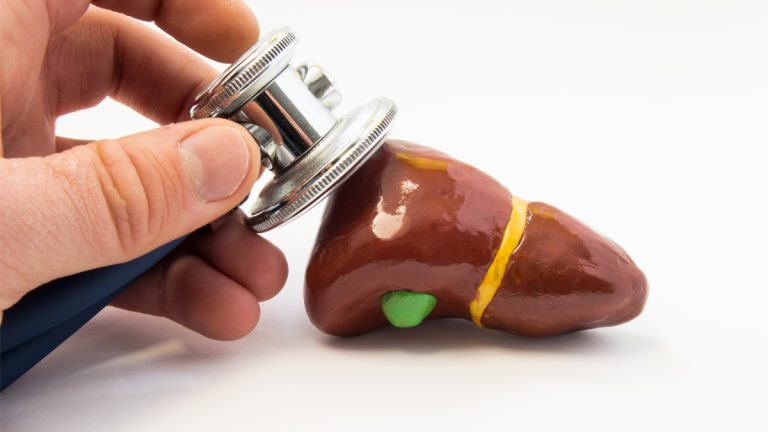
Known to perform 100s of bodily functions; the liver, being a super organ, also needs the right liver care. Understand the details of different liver diagnostic tests.

Liver Care with Right Diagnostic Tests

The liver is an indispensable organ of our body that supports almost every other organ. It is known to carry all kinds of functions essential for our well-being. Any damage might lead to a number of symptoms indicative of several kinds of liver disease. To assess the severity of these liver diseases, liver function tests are ordered by the doctors.

When can your Doctors Advise you to Take Up Liver Function Tests?

Your doctor may advise you if he/she notices certain signs and symptoms of liver damage or disease. These includes:

  • The yellowness of skin, urine, or eyes (white part of your eyes called sclera)
  • Loss of appetite
  • Weakness or fatigue
  • Weight loss
  • Abdominal pain
  • Heavy drinking
  • Obesity
  • Family history of liver disease

What is a Liver Function Test?

It is not a single test but a group of tests by which your doctor can the overall health of your liver. These tests check different proteins and enzymes which are produced by the liver and are released in the blood during liver damage. These tests can help in:

  • Predicting liver damage due to hepatitis
  • Monitoring the effects of medications on liver
  • Checking gallbladder diseases
  • Confirming alcoholic liver disease or nonalcoholic fatty liver disease
  • And liver problems associated with other diseases

What are the Different Types of Liver function Tests?

There are several types of liver function tests, but the most commonly used are:

1. Alanine Amino Transferase (ALT) Test & Aspartate Amino Transferase (AST) Test: These are the enzymes produced by the liver and are released if the liver is damaged. Its values are usually very high in the case of hepatitis (inflammation of the liver). The ratio of its values may indicate alcoholic liver disease or nonalcoholic fatty liver disease.

2. Alkaline Phosphatase (ALP) Test: It is also an enzyme that is found mostly in the bile ducts of the liver. High levels of ALP is generally observed in obstructive or cholestatic liver disease (a condition wherein, bile necessary for digestion is not transported from the liver to the intestine, due to blockage of the bile duct).

3. Gamma Glutamyl Transpeptidase (GGT) Test: Primarily produced in the liver and pancreas, it is used to assess liver function, indicate liver diseases, and detect alcohol abuse. Certain drugs for epilepsy or heavy alcohol consumption can elevate their levels.

4. Bilirubin Test: This test measures bilirubin, a waste product produced as a result of red blood cell breakdown. It is cleaned by the liver to eliminate it through your stool. High levels of bilirubin can indicate probable liver damage and jaundice.

5. Albumin Test: It is a protein made by the liver for different functions. In chronic liver disease, decreased levels are observed. Other conditions like malnutrition or kidney damage can also be the reason for decreased levels.

6. Other Tests: Tests like prothrombin time (PTT) and L-lactate dehydrogenase (LD) test can also be done to assess the liver functions.

How To Choose Best Pathology Lab?

0

The power to choose is centric on development; Informed decisions ensure your interests remain safeguarded! Read on…what should be your ideal checklist when selecting a Pathology Lab?

How to choose a Pathology Lab?

How many of us have even noticed one standalone pathology center in our locality? At the rate at which such centers are mushrooming in India, every street is bound to have one soon. For a country that relies on sick care over preventive, the need for blood and urine tests is generally a physician recommendation at the “nth” hour, and then running to that standalone laboratory in their locality becomes the only option for the majority.

Does that lead to a desirable patient outcome each time? Only time can tell. Word-of-mouth is the strongest brand ambassador here. People compare experiences, outcomes, and expenses incurred to draw a judgment. But, is there anything beyond this?

“Laboratory testing cycle” is a concept inherent to every diagnostic test ordered and includes three phases; pre-analytical, analytical, and post-analytical; basically from the time a recommendation is drawn, to sample collection, to the time the report is received. Each stage is prone to its own set of errors and the rate depends on the Quality Management System (QMS) adopted by the laboratory.

So, as a common man, what can you check or notice?

 Laboratory certifications Quality certifications like NABL and CAP are the high trust garnering factors while choosing Pathology Lab

  1. Value for money– Remember diagnostics is just the starting point and controlling cost without compromising on quality is the need
  2. Turnaround time (TAT)– Whether it is for an annual preventive check-up or an ongoing symptom-related diagnostic need, nobody likes the buffering stage of waiting forever for their blood test reports. Ensure the laboratory sticks to its timelines and promise
  3. Technology– Automations and minimal manual intervention makes the entire process highly sensitive and error-free
  4. Reporting accuracy– This is the crucial factor for correct diagnostics which then culminates in designing management/treatment strategies. Look for this
  5. Presence of experienced professionals– The knowledge that comes through experience as well as interpretational skills is a big deal
  6. Test menu and comprehensiveness – A test package generally works better in terms of money-saving and drawing a comprehensive health summary over individual tests. Decide well
  7.  Quality of service– There is nothing better than having the sample drawn at the convenience of your home and reports delivered back to your place. Check for home collection

The checklist may look daunting, but your right to question and your service experience become your strengths to draw decisions. Next time you walk into that pathology lab/diagnostic center;

Look around, and ask questions…. Before that needle hits your vein, you have the time to ensure your decision comes from a good place!

Shedding light on Vitamin D: Bone health and Blood test!

0

Worried about your bone health? Vitamin D can boost it… Continue reading to discover how…

Shedding light on Vitamin D: Bone health and Blood test!

Vitamin D is essential for the growth and maintenance of healthy bones. Our body cannot produce Vitamin D and hence, gets it from the food we eat, from sun exposure, or through supplements. This vitamin is required to absorb calcium and phosphorous which are the key minerals to make your bones strong.

Deficiency of this sunshine vitamin in the body affect the bones:

  • Leads to deformity and disturbed natural repair system.
  • Makes the bones soft and weak.
  • Decreases mineral content, increases porosity and affects the formation of new bone tissues. It has different impact on different age groups.
  • In children, lack of mineral content in the bones cause rickets, stunt their growth and prevents them from reaching their maximum attainable bone mass.
  • In adults, insufficient amounts of vitamin D results in osteomalacia (softening of bone, increases bone loss and susceptibility to fractures.

Symptoms of Vitamin D deficiency:

  • B ones become soft and often get fractured
  • Feeling weak unexpectedly or in general
  • Muscle weakness
  • Sweating too often
  • Frequent infections
  • Constipation
  • Hair loss

Blood test- Detector of Vitamin D deficiency!

Blood tests are the easiest indicator of Vitamin D deficiency and are the most accurate way to measure it in the body. They are helpful to diagnose an individual with vitamin D deficiency. Also, these blood tests are efficient enough to screen and monitor bone disorders. Two important blood tests for detection of vitamin D deficiency are:

  • 25-oh Vitamin D (total)- Total amount of Vitamin D (active and inactive) in the body is measured by this test
  • Vitamin D 1,25 – Dihydroxy- Only the active Vitamin D present in the blood is detected through the test.

What does the test reveal?

  • Lower levels of 5-oh Vitamin D tells that the person is not getting enoughof sunlight exposure or dietary vitamin D to meet the body’s needs. While high levels in the body reflect excess supplementation from vitamin D either from pills or other nutritional supplements.
  • Low levels of 1,25 dihydroxy vitamin D is seen in kidney diseases whilst high levels indicates imbalance of thyroid hormones. Results of these tests depend on age, sex and the method used. 24-oh Vitamin D (total ) test is also helpful in monitoring the Vitamin D in individuals with bone problems.

By a Vitamin-rich diet and a little sunlight, let your bones grow strong, And preserve these bones by diagnosing the Vitamin D levels in your body.

Tests that help Diagnose Diabetes

0

Not sure about your blood sugar levels? Try these tests… It will address all your worries!!

Tests That Help Diabetes Diagnosis

Diabetes is a disorder in which blood sugar levels are increased Symptoms of diabetes often appear suddenly. You should get the sugar levels tested if you experience the following

Symptoms Of Diabetes

  1. Feeling thirsty frequently
  2. Having tiredness all the time
  3. Increased hunger
  4. Blurring of vision
  5. More than usual urination (frequency increases)
  6. Having sores or cuts that are not healing easily

Blood tests for Diabetes

HbA1 cTest

An HbA1c test is a useful tool that determines the level of sugar in the body. In the blood, sugar (glucose) is present in red blood cells (RBCs). Because RBCs have a lifespan of three months, average sugar levels for the past three months can be evaluated. Usually, it is recommended for detecting and monitoring blood sugar, especially for type 2 diabetic individuals. Unlike other blood tests, this testing does not require fasting and is a good marker for long time sugar control.

Fasting Glucose Test

It involves the testing of blood when the patient has not eaten anything for at least 8 to 12 hours. The abnormal test results mean that the patient has an alteration in blood sugar levels.

Post Prandial Blood glucose Test

Testing of blood sugar levels after two hours of the meal is known as a postprandial blood sugar test. It is done to see how your body utilizes sugar after a meal. If this test reflects high sugar levels, diabetes is indicated.

Random Blood Sugar Test

Random Blood Sugar Test allows for determining the level of blood sugar in the body at any time, no matter when one ate last.

Oral Glucose Tolerance (OGTT) Test

The test measures the body’s ability to absorb sugar (glucose) after the consumption of a specific amount of sugar. Altered reading of OGTT tells the patient has an abnormal tendency to utilize glucose. It is useful in Pregnancy to detect Gestational Diabetes.

The facile attitude may make diabetes a big issue, However, with the power of tests, it can be managed with ease!

What does NABL Mean?

0

Quality is a practice; beyond a concept on paper and a little further over ensuring the right report to the right client.

How many reports have we read on substandard quality practices in healthcare and the disastrous effect it can have on patient outcomes? Reports on the government filing cases against many multispecialty hospitals and brands for medical malpractice becomes a norm. Though the cause can be debatable, the underlying fact is when you leverage profits over service/duty, quality fails and the one at the receiving end is always the common man; someone like me writing this…and many like you reading this!

Diagnostic labs are a very crucial link between blood testing recommendations and the resulting diagnosis/treatment. This implies that the onus for good quality and building trust lies solely in the hands of the brand/service provider. Further, Quality could be your practice, but without being assessed by trained professionals and scrutinized for drawbacks, the seriousness of the service will never be picked up. One such Indian certification agency for quality is NABL.

What is NABL ? NABL stands for – National Accreditation Board for Testing and Calibration Laboratories founded in the year 1988 is an autonomous body affiliated with the Department of Science & Technology and the Government of India. This body is involved in the assessment and accreditation of Testing and Calibration Laboratories as per the international standard norms ISO 15189:2007/IEC 17025.

NABL Facts

  1. It is the sole accreditation body for Testing and Calibration Labs
  2. The body comprises qualified professionals from the Government, semi-government as well as private organizations who have undergone special training from NABL
  3. Certification is issued post studying the assessment outcome of competence testing
  4. It recognizes technical competence in testing, medical laboratory, calibration as well as proficiency test and certified reference material provider under the specific scope
  5. It assesses Indian laboratories on Quality and Consistency
  6. It is not a one-time certification process and the validity of each issue is two years, wherein the body is entitled for periodic surprise site visits annually to check compliance

Why NABL?

  1. It provides formal recognition to competent laboratories
  2. Enhances test acceptability
  3. Shows that a labs Quality Management System (QMS) is in alignment with international ISO/IEC norms
  4. The accreditation has worldwide acceptance

Since accreditation is a voluntary process, and not a one-time phenomenon, it is a great responsibility. With diagnostic labs mushrooming in every street in this country, next time you walk into the lab/center near your house….please remind yourself…

Not everything that is convenient and cheap will get you the right end result; A little compromise on quality may end up becoming your long-haul struggle!

An Insight About Prostate Cancer


Prostate Cancer Insight is a cancer of the prostate gland, which is a walnut-sized gland that produces seminal fluid in men.

In this article, we are going to see the Symptoms of Prostate Cancer

What are the risk factors for prostate cancer?

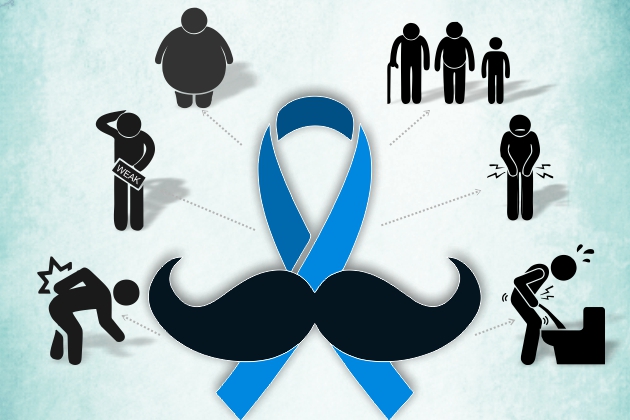
  • The risk increases with aging in men. It is most common after 50 years of age
  • A family history of cancer, BRCA1 or BRCA2 genes
  • Obesity
  • Race: Black men are more at risk to develop prostate cancer

Understanding changes in the prostate is essential. Some prostate cancers may not always show symptoms and hence make it difficult to diagnose.

Symptoms of Prostate Cancer

  1. Trouble urinating.
  2. Frequent urge to pass urine, especially at night.
  3. Interrupted urine stream.
  4. Blood in the urine.
  5. Blood in the semen.
  6. Painful ejaculation.
  7. Unusual weight loss.
  8. Nagging pain in the back, hips, or pelvis.
  9. Erectile dysfunction

Prostate Screening:

The most common prostate screening test is Prostate-Specific Antigen (PSA) test. It is a blood test that measures PSA level in nanogram per milliliter (ng/mL). It helps in the diagnosis and treatment planning of the patient. Some level of PSA present in the blood is normal.

However, if a man’s PSA level is greater than 4.0 ng/mL, a prostate biopsy is recommended to determine the presence of prostate cancer. The continuous rise in PSA level is the most common sign of Prostate cancer. PSA test can help diagnose smaller cancers without any symptoms.

In some cases, the rise in the PSA levels is without any symptoms. In such cases, doctors recommend repeating the PSA screening to confirm the original finding. Many factors are responsible for fluctuations in PSA level in men. For example, it might be increased during prostatitis or urinary tract infections, Prostate biopsy or surgery may also increase the levels of PSA, and some drugs may also influence the levels of PSA.

Men above 45 years of age are recommended regular PSA screening to help early diagnosis and treatment planning. The PSA test sometimes might produce a false-positive or a false-negative result. The other limitations of PSA screening include early detection of elevated PSA levels may not reduce the chance of death. It might also result in over-diagnosis leading to over-treatment of the condition.

PSA tests can also help to monitor the health records of patients with a history of prostate cancer.

Treatment of prostate cancer, depending on the type and nature, includes radiation, surgery, hormone therapy, chemotherapy, or other treatments.

Know now on bad cholesterol- LDL!

0

LDL cholesterol, an evil for your heart. Deflect LDL linked diseases and attract life through this article

Know now about bad cholesterol- LDL!

Low-density lipoprotein cholesterol, also known as ‘LDL – Cholesterol’ or bad cholesterol is a type of cholesterol associated with low-density lipoproteins. It is also the major type of cholesterol present in an individual.

Why a ‘Bad’ Cholesterol?

Though LDL is an important type of fat required in our body, excess levels of the same can pose danger and increase risk towards heart problems thus terming it as ‘bad cholesterol.

Why Heart Problems?

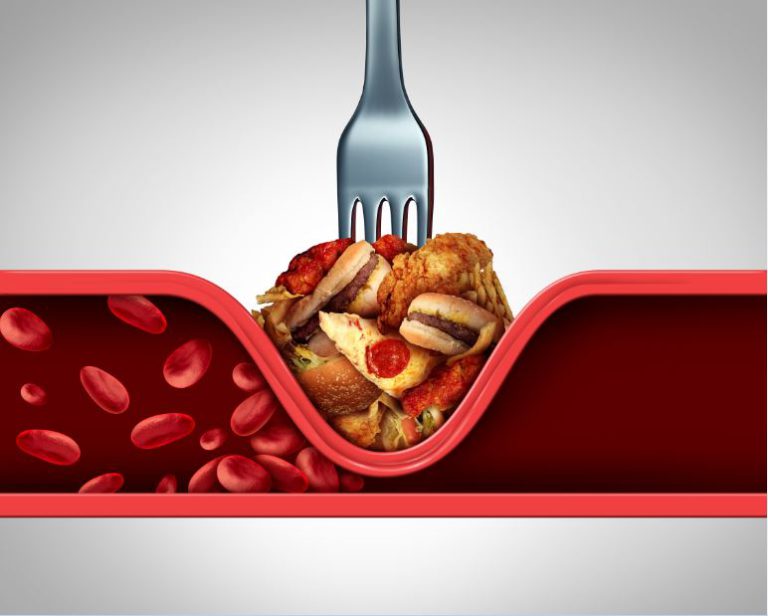
LDL cholesterol, when present in more than the required amounts in blood, can eventually get deposited on the arterial walls forming plaque-like substances. If these plaques keep increasing in number, it ultimately leads to blocking the natural flow of blood through the arteries; posing a risk towards heart attack and stroke.

Levels of LDL-Cholesterol

Levels of LDL cholesterol can either be calculated in milligrams per deciliter (mg/dL) or millimoles per liter (mmol/L). Considering the different ranges of LDL-Cholesterol its levels can be termed as follows:

Levels (mg/dL) Interpretation
< 100 Optimal
100 – 129 Near/Above Optimal
130 – 159 Borderline high
160-189 High
> 190 Very High

Who is at risk? –

Regardless of your health conditions, it is advisable to go for a regular lipid profile check which will not only decipher the increase in levels of LDL cholesterol but also analyze other types of cholesterol present in the blood. Moreover, individuals who can be at risk of elevated LDL-cholesterol levels include, people with:

  • Inherited genes from parents
  • Familial history
  • Overweight issues
  • Diet and lifestyle
  • Age & Ethnicity
  • Medical history

Reward yourself with the diet and lifestyle that make you shine! Don’t load your body with bad cholesterol… It can drive you to the path of maladies of the heart.

Tests to check your Thyroid health

0

Feeling lethargic, too hot or cold, unusual weight gain or loss, hair fall?? Do you need to check your thyroid?

Tests to check your Thyroid health.

The thyroid is a small gland in your neck with a shape of a butterfly that affects most organs of your body including your brain and heart. It secretes certain hormones that enhance the functioning of your body. The thyroid gland takes up iodine from the blood to make the hormones T4 (Thyroxine) and T3 (3,5,3’-Triidothyronin). When the brain orders the thyroid, it releases these hormones. However, in certain conditions, the levels of these hormones rise or lower to give hyperthyroidism or hypothyroidism respectively.

Symptoms of Thyroid Disorders

HYPOTHYROIDISM HYPERTHYROIDISM
Lethargy and fatigue (tiredness) High blood pressure
Slowness in speech and thinking Irregular heartbeat
Dry skin Hair loss
Constipation Weakness and sleep problems
Unexplained weight gain Unexplained weight loss
Feeling too cold Feeling too hot
Decreased hunger Increased hunger

Testing is now easy

  • T3, T4, and Thyroid Stimulating Hormone (TSH) test:
    The TSH hormone signals the release of T3 and T4 hence high or low levels of these can be seen in thyroid disorders like goiter Now in goiter you can see patients with a bulge in their neck, because of enlargement of the thyroid gland. The levels could also mean a vast number of other disorder and requires immediate medical attention
  • FreeT3 (FT3) and FreeT4 (FT4) test:
    Free forms of T3 and T4 mean that they are not linked to a protein. These tests are useful to check the effect therapy has had on a patient.
  • Antimicrosomal and Antithyroglobulin antibody test:
    In certain situations, people also develop autoimmune disorders where the body’s defense system starts attacking their own cells and organs leading to its destruction. One such condition is Hashimoto’s Thyroiditis which affects the thyroid, wherein there is a rise in the level of specific antibodies; which can be detected by this test. Modern techniques like the Neonatal TSH and Ultra Sensitive TSH are faster and more rapid ways of detecting thyroid disorders. Particularly Neonatal TSH is useful for detecting thyroid diseases in infants. Ultra-Sensitive TSH is particularly more useful for the diagnosis of hyperthyroidism as it allows early detection of any rise in TSH levels.

Be smart be organized

This gland is small with minimal weight yet controls most parts of your body. Any effect on this gland could further trouble the remaining part of your body. To keep it healthy one major step that would be needed from your end is active participation in testing and diagnosis. This shall predict any disease that is about to come your way and safeguard you for a healthier tomorrow.

What is HbA1c?

0

Wondering what can help you monitor Diabetes? Well, you landed on the right place, that introduce you to the HbA1c test and its efficiency.

What is HbA1c test?

Among the various blood tests, HbA1c is the most useful test to get an average blood sugar level for diabetics. It can be said that it’s a useful tool to identify as well as to measure long-term blood sugar control.

What is Diabetes?

Diabetes is a disorder in which a person has high blood glucose levels (blood sugar) causing fatigue, unexplained weight loss, excessive thirst, increased hunger, frequent urination, poor wound healing, and blurred vision.

What is HbA1c?

Hemoglobin A1c is often abbreviated as HbA1c and is found attached to RBCs. Hemoglobin gives blood its red color. It is a chemical substance that is found in red blood cells and helps to carry oxygen to different parts of the body.

Some benefits of the HbA1c test for diabetes are:

  • HbA1c test reflects how well your diabetes is controlled.
  • Also, it helps in the monitoring diabetes treatment plan.
  • It helps to study the effect of medications, exercise, or dietary changes that a diabetic patient is going through.

How HbA1c test is done?

HbA1c is a reliable marker that uses a blood sample to measure the blood glucose in the body. This test is ideal for evaluating consecutive blood glucose levels of the last three months (lifespan of RBCs). Because HbA1c is not affected by short-term fluctuations in blood glucose concentrations, blood samples can be drawn from the patient irrespective of when the patient has eaten a meal. Fasting for this is not necessary.

What do high and low values in the HbA1c test indicate?

For people with diabetes, the maintenance of a normal range of blood sugar in the hemoglobin A1c test is very crucial as a slight increase or decrease may prove to be harmful.

High Hemoglobin A1c levels mean that the person has a higher chance of getting diabetes. Raised blood sugar levels in a diabetic may put them at high risk of heart diseases. However, a planned diet, regular exercise, and medication may help to bring your sugar level down to a greater extent.

Not everything that is convenient and cheap will get you the right end result; A little compromise on quality may end up becoming your long-haul struggle!