Home Blog Page 19

Scarred Hero- Your Liver!

0

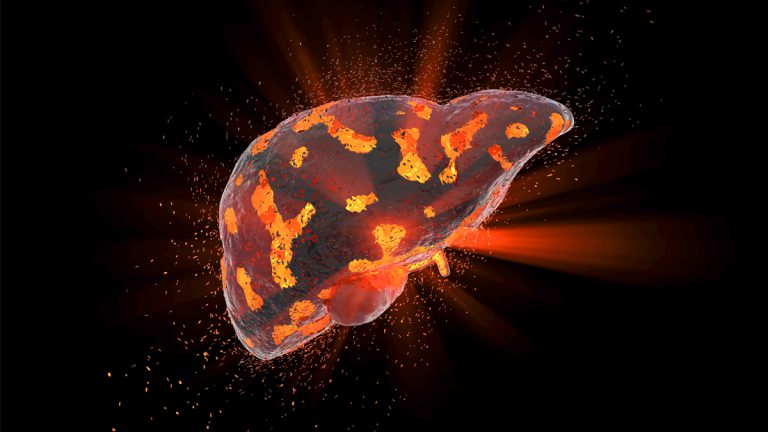
Are you aware that your liver can grow and replace its lost tissue? Do you know it is in charge of various functions required to keep you healthy? 

Scarred Hero- Your Liver!

The liver is the largest internal organ which weighs about 1.4 kg. It is present in the right upper abdomen and is mostly surrounded by the rib cage. When viewed from the outside, it is divided into two parts or lobes responsible for carrying out 100s of different functions in the body. The liver is one of the few organs of our body that can regenerate.

Wait, What? It can regenerate?

Yes, it is capable of regenerating itself and is seen not only in humans but also in all vertebrates (animals having spinal cords surrounded by bones)

The liver can regrow completely to its previous size without losing any of its functions from just 25% of its original unharmed tissues. humans, two-third of the liver can regrow to its original size in just 8-15 days.

What are the Different Functions of the Liver?

The liver performs tons of different functions. Some of its significant and well-known functions are:

  • Breaks down toxic substances into its non toxic forms.
  • Acts as a storage house for glucose, iron, vitamins and other essential substances.
  • Clear drugs and other harmful substances from the blood.
  • Provides immune protection from disease causing agents like bacteria, viruses or others.
  • Regulates blood clotting.

Can Scarring affect the Liver’s Regenerating Capability?

Well, scarring prevents the liver from regenerating on the affected site due to the damaged tissue. Scarring of liver occurs when it is damaged due to-

  • Excessive alcohol consumption
  • Eating fatty foods (Non alcoholic fatty liver disease)
  • Cirrhosis (a condition causing irreversible liver scarring)
  • Different types of hepatitis
  • Some infections like Adenovirus, Toxoplasmosis and others

This prevents the liver from regenerating on the site of scarring due to the damaged tissue. Once more than 75% of the liver tissue is scarred then it can’t regrow to its original shape. The scarring of the liver also affects its different functions.

How can one prevent possible Scarring or Liver damage?

Minimize or stop alcohol consumption

  • Eat ‘liver’ friendly diet (low fat)
  • Avoid illicit or prohibited injectable drugs
  • Use medications with precautions, never mix medications with alcohol
  • Gets vaccinated if you’re living or traveling to hepatitis prone areas
  • Avoid contact with foreign blood and body fluids
  • Use precautions during intercourse
  • Avoid using others toothbrushes, razors and used needles
  • Early diagnosis ensure minimum damage and early recovery.

Beta-hCG- The pregnancy hormone!

0

Worried about your baby’s health? This mystery molecule will help you keep your worries at bay.

Beta-hCG- The pregnancy hormone!

Beta- Human Chorionic Gonadotropin (B-hCG) is the pregnancy hormone. Initially, it is produced by the placenta, during the second week of pregnancy. β-hCG fortifies the corpus luteum, which helps support the endometrial lining and thereby maintain pregnancy. The primary function of this hormone is to maintain the vascular supply of the placenta (a sac that nourishes the egg after it is fertilized) during the complete period of pregnancy.

This hormone also accounts for numerous other crucial placental, uterine and fetal functions in pregnancy. In the early stage of pregnancy, the level of HCG is elevated enough to produce a positive pregnancy test in the blood and also in urine. Therefore, a pregnancy test detects the levels of hCG in the blood or urine to confirm pregnancy status.

Why should one get tested?

  • This test is done to confirm a pregnancy.
  • To help detect an ectopic pregnancy- when implantation takes place outside the uterus it is known as ectopic pregnancy, where the level of hCG is slowly elevated in the blood. Therefore, testing may help in the diagnosis of ectopic pregnancy.
  • To monitor a pregnancy that may be at high risk of failing.
  • To screen pregnant women to monitor the developing baby for fetal abnormalities and/or chromosomal abnormalities.

Abnormal Levels-

  • Abnormal levels of B-hCG may indicate chromosomal defect such as Down syndrome in the developing fetus.
  • Increased levels are indicative of miscalculation in pregnancy dating.
  • Low levels of b-hCG can indicate that an individual has had or will have a miscarriage.
  • Raised levels can as well indicate a blighted ovum also known as anembryonic pregnancy, a condition in which the fertilized egg is attached to the uterine wall but, the embryo fails to develop.
  • High levels are seen in ectopic pregnancy
  • Elevated levels of this hormone may manifest in molar pregnancy, a placental abnormality caused when the egg and sperm join together during the fertilization process that leads to growth of abnormal tissues within the uterus.

The test for hormone beta hCG is done for qualitative and quantitative analysis by the use of advanced and sophisticated automated technologies like Chemi Luminescent Immuno Assay (C.L.I.A).

Tests to help you check your liver health.

0

An organ that can regenerate itself as well as heal your wounds and detoxify your blood! Such is its potential. Do ensure if it’s performing all these well.

Tests to help you check your liver health

Liver Function Tests (LFT) are blood tests detecting a variety of liver diseases and also monitoring for optimum liver functioning by assessing liver inflammation and damage. Parameters for LFT include estimation of liver proteins, bilirubin, and enzymes. Abnormal levels of these parameters may indicate diseases associated with the liver such as cirrhosis, hepatitis, NAFLD, and even cancer.

Liver function tests:

  • Protein Tests- Albumin and globulin are proteins produced by the liver. Individual levels of both proteins along with their ratio and total protein concentration are estimated. These liver proteins help in tissue nourishment and transporting hormones and vitamins. An abnormal level of these proteins indicates liver disorders. Elevated levels can result from chronic inflammation. A low abnormal/globulin ratio may suggest autoimmune diseases or liver cirrhosis and higher ratios may reflect some genetic deficiencies.
  • Bilirubin tests- Two forms of bilirubin- conjugated, formed by combining with sugar, and unconjugated, protein albumin-bound bilirubin are measured to detect and monitor liver disorders. Total bilirubin is the combined value of both conjugated and unconjugated bilirubin.
    Bilirubin, a by-product of RBC breakdown, is further processed by the liver and eliminated from the body. An increase in normal levels indicates blocking of bile ducts, liver inflammation, or damage.
  • Enzyme tests- Levels of four liver enzymes namely, alanine transaminase (ALT), aspartate transaminase (AST), alkaline phosphatase (ALP), and gamma-glutamyl transferase (GGT) is most commonly estimated. Elevation of ALT and AST indicate blockage of bile ducts or cirrhosis., Extremely high levels of ALT and AST indicate acute hepatitis. Elevated ALT/AST also indicates alcoholic hepatitis and cirrhosis. Elevated levels of ALP and bilirubin together signify bile duct blockage that can lead to jaundice. An elevated GGT level is the first indication of bile duct blockage, it may also reflect liver cancer and hepatic or non-hepatic conditions.

Who should get tested?

  • People with symptoms such as jaundice (yellowing of skin and eyes), abdominal pain, and swelling in the legs should also test themselves with liver function tests.
  • Similarly, individuals with excessive alcohol consumption and tobacco smokers, obese people, diabetics, and patients with a family history of liver diseases or hepatitis are prone to liver damage.

Reference range: (For adults)

TESTS NORMAL RANGE (U/L)
  MaleFemale
ALT 13 – 4010 – 28
AST 0 – 350 – 31
GGT 0 – 550 – 38
ALP 53 – 12842 – 98
Albumin 3.2 – 4.8 gm/dL
Globulin 2.5 – 3.4 gm/dL
Total protein 5.7 – 8.2 gm/dL
Total bilirubin 0.3 – 1.20 gm/dL
Conjugated bilirubin 0 – 0.30 gm/dL

Liver Function Tests profile is used for the qualitative and quantitative analysis of proteins, bilirubin, and enzymes indicative of liver functioning using advanced and sophisticated automated technology of photometry at highly affordable rates.

Osteoporosis- Capture the fracture!

0

Silent yet affecting many… Like other major diseases, osteoporosis needs awareness too! This World Osteoporosis day let’s learn about it…

Osteoporosis- Capture the fracture!

World Osteoporosis Day is observed every year on 20th October, and the theme for 2018 is “Love Your Bones – Protect your Future”. The aim is to create global awareness about this condition affecting millions across the world.

What is Osteoporosis?

The term osteoporosis means “porous bones”. This condition affecting bones occurs due to reduced bone formation, excessive bone loss or a combination of both. It is estimated that there is a person suffering from bone breakage every 3 seconds because of osteoporosis.

Ignorance is not always bliss! A common phrase used by people while they ignore something. Although Osteoporosis often goes undetected, there are two symptoms that we should look for stooped posture and spontaneous fracture (without knowing how or why it happened).

Are you at risk? Few risk factors for Osteoporosis are listed below-

  • Advanc ing age
  • Certain race or ethnic groups are more prone
  • Low body mass index (BMI<21 kg/ m2)
  • Family history ofthe disease
  • Low calcium intake
  • Failure of the ovaries to function, at an early age
  • Menopausal transition
  • Smoking and alcohol use
  • Less amount of physical activity
  • Frequent use of oral or systemic glucocorticoids (medicines)

How common it is?

  • 1 in 3 women and 1 in 5 men over the age of 50 suffer from osteoporotic fracture.
  • Women are affected 6-8 times more often than men.

How is osteoporosis diagnosed?

Any person over 50 years of age, suffering from a hip, spine, or wrist fracture should be evaluated for osteoporosis. Diagnosis can be done using the following methods:

  • Radiography
  • Bone densitometry (done to check the density of your bones)
  • Analysis of bone markers Prevention is better than cure! All of us know the significance of prevention. Few precautions taken early in life can help you avert the disease.
  • Have a nutritious diet with ample amount of calcium in it.
  • Avoid having protein malnutrition
  • Maintain an adequate intake of vitamin D
  • Participate in regular physical activity
  • Stay away from second-hand smoking
  • Avoid drinking and smoking

Dealing with the porous bone!

Osteoporosis doesn’t necessarily mean a life sentence. Certain medications and lifestyle changes can help you manage osteoporosis efficiently. Vitamin D and calcium supplements can be helpful in dealing with osteoporosis. The goal of treatment is to enhance bone formation by stimulating the action of osteocytes or osteoblasts (cells important for bone formation).

“Choose a healthy lifestyle to boost your bone health!”

What does CAP mean?

0

CAP is the International Quality Crown… Those who seek Quality, have no boundaries!

What is CAP?

CAP or College of American Pathologists is a laboratory accreditation program that certifies an entire list of laboratory tests based on a scope and checklist developed after rigorous scientific assessment. Covering a large array of medical tests and procedures, any setting from a diagnostic laboratory to a medical professional’s clinic can apply for their certification program.

“International is Elite” is always the common man’s notion; nothing wrong if it attributes some standards. Quality has always been a coveted aspect and for brands, an international certification definitely adds to the matter of pride. Following international standards in quality of service or product is never a one-time appreciation, but a promise placed to continue working on the existing Quality Management Systems (QMS) to provide the best and in healthcare, this “best” can greatly impact patient/client outcome.

For a diagnostic laboratory confident in its quality standards, accreditations or certifications acknowledging the same becomes the most transparent mode to garner trust. One such international quality certification board is the CAP.

CAP Facts

  1. CAP15189 established in 2008 is the quality management program that provides accreditation to ISO 15189, an international quality standard for medical laboratories.
  2. The multidisciplinary team consists of highly experienced professionals with practical knowledge of medical lab as well as ISO quality system audits.
  3. The lab inspection is scheduled every two years and the interim period needs the participating lab to report on the results of proficiency testing provided by CAP.
  4. Apart from quality management, it also scrutinizes chemical hygiene plans, document control processes, test validations, competency outcomes, etc.

Why CAP

  1. Highlights eligibility of the lab in terms of professionals on board like a qualified lab director, and its participation in proficiency testing as well as external quality assurance programs
  2. Increases value of the organization/laboratory
  3. Promises accuracy in testing and ensures accurate diagnosis
  4. Improves customer satisfaction

For a country with a population of billions and diagnostic laboratories being a very lucrative business option in healthcare, it is necessary for us, a common man to do our due diligence.

“Diagnosis does not start once the blood is in the tube… But when you chose who should prick you”

Explore the Ideal tests for your Thyroid.

0

Troubled sleeping, difficulty in concentration, increased sweating, unexplained weight loss. It could be your thyroid’s SOS !!! Reach out for a Test for Thyroid.

Explore The Ideal Test for Thyroid

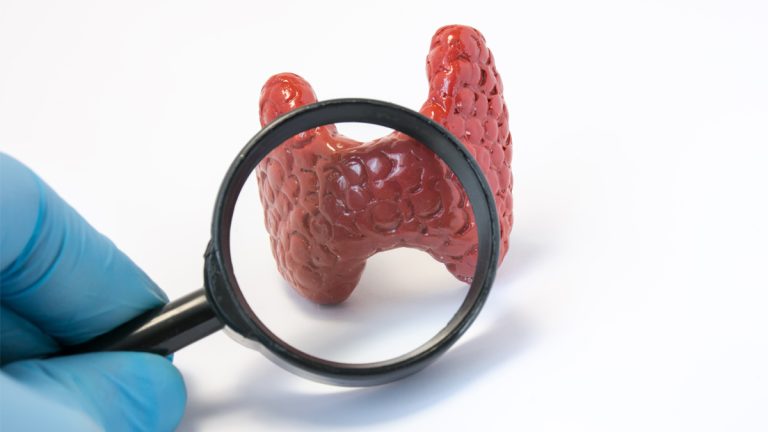
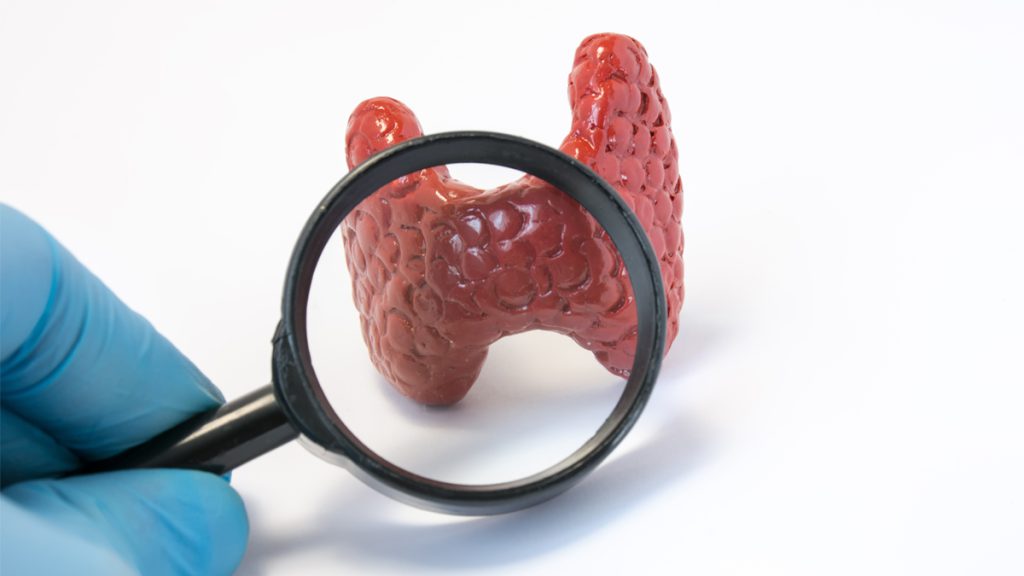
The pituitary and thyroid glands are both parts of the endocrine system and are responsible for the production of thyroid hormones (TH). The pituitary gland releases thyroid-stimulating hormones (TSH) which stimulate the thyroid gland to secrete TH namely Thyroxine (T4) and Triiodothyronine (T3) into the bloodstream which then regulates basal metabolic rate (BMR) and adaptive thermogenesis along with other functions. Both, excessive or poor secretion of thyroid hormones lead to thyroid-associated disorders manifesting as fatigue, poor concentration, sudden weight loss or weight gain, etc. A thyroid profile involves a set of blood tests that screen for thyroid-related conditions.

TSH Test

TSH is released by the pituitary gland (present at the base of the brain) when it gets stimulated by the thyrotropin-releasing hormone (TRH). TSH triggers the thyroid gland to release T3 and T4. This test measures the amount of TSH present in the blood. A high level of TSH indicates hypothyroidism (underactive thyroid gland) and a low level indicates hyperthyroidism (overactive thyroid gland).

T4 & FT4 Test

The thyroid gland predominantly produces T4 along with T3 in smaller amounts. The majority of T4 is bound to protein in blood while only a small amount of T4 freely circulates in the blood. Bound T4 gets released from the protein along with free T4 (FT4) to meet the body’s demand. T4 controls metabolism, it is significantly less active than T3 however, the majority of T4 gets converted by the deiodinase enzyme in the liver into T3. T4 and FT4 test helps to evaluate thyroid function. Low levels of T4 can indicate hypothyroidism and its high level is associated with hyperthyroidism. Combining the TSH test along with the FT4 test helps in determining thyroid functioning.

T3 & FT3 Test

Alzheimer’s sufferers often find daily tasks tough to complete or might take more time than usual. Safe driving, cooking your favorite meal, making a grocery list, and remembering your traveling route all become difficult.

Thyroid Profile Testing is done for the qualitative and quantitative analysis of the thyroid using sophisticated and automated technology of Chemiluminescence Immunoassay (C.L.I.A), at highly affordable rates.

Rising Threat of Sitting Disease

0

If someone asks which is the biggest disease that can harm us, many of us might say cancer. But do you know there is an even bigger threat than cancer..Read on to know..

Rising Threat of Sitting Disease

Compared to today’s lifestyle, the one from 200 years ago; before the industrial revolution was more dependent on physical work. It is believed that back then people only used to sit for about 300 minutes per day on average.

Fast-forwarding to the present day, office worker sits up to 15 hours in a single day! Even school students sit for a longer time period. Ironically, there is a higher chance, that you are reading this article while sitting on your chair.

If these are the cases, then you might have a “sitting disease”.

The Problem- Sitting Disease!

Sitting disease refers to the group of conditions involving high b.p. (blood pressure), blood sugar and cholesterol levels, and excessive body fats due to physical inactivity.

It is the 4th leading risk factor for global mortality.

The Risks- A 21 st Century Affliction?

Sitting disease or physical inactivity is associated with a variety of conditions like- Obesity, Risk of heart disease, Lower back pain, Diabetes, and Cancer.

The Solution- Now Get Up and Move

For beginners, you might start by simply ‘standing’ rather than sitting. However, it is not enough to avoid certain diseases and may be tiring for some. Here are a few ways to avoid a chair-locked brain.

  1. NEAT (Non-Exercise Activity Thermogenesis) exercise
    It involves stretching, turning, and bending. Doing it regularly for 10 minutes is recommended by the experts.
  2. Pretend its 1980
    Instead of shooting an email to your co-worker in the same block, walk to him/her and ask personally. Some organizations also have certain email-free days to make their employees move from their chairs.
  3. Stand
    Whenever possible, try to stand rather than sit for long. This not only tones your muscles but also burns the extra calories.
  4. Think your way home
    Avoid using vehicles for short distances. While taking a bus or training, doing exercises like clenching or relaxing your muscle can be great. You can even get off at the previous stop and walk to your destination.
  5. TV sets
    You can multitask while watching TV. The ‘in show commercials/ advertisements could be great indicators to complete small tasks like dusting your curtains or anything.

Which tests help you really to care for your kidney?

0

Kidney; from waste elimination to oxygenation this organ completes your body’s regulation. Read how testing can keep this intact…

Which tests help you really to care for your kidney?

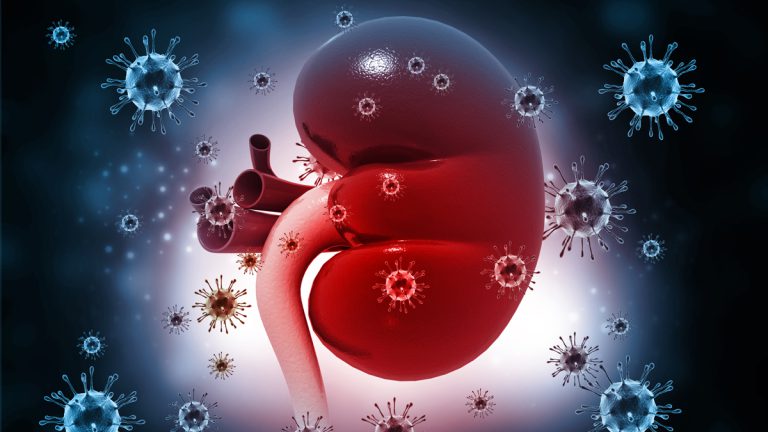
Kidney, a vital pair of organs in your body that regulates the body’s metabolic functions. It balances the pH, removes waste, maintains blood pressure, and helps in the production of red blood cells.
As it is evident that kidneys are involved in a variety of functions, it becomes necessary to get them tested. So as to predict if they are performing all their functions properly.

What does the testing Include?

Kidney profile tests are the most used set of tools to screen whether the kidney functions are in the normal range. It checks the following parameters:

Creatinine- Serum/Urine tests:

Creatinine is produced in the body when creatinine phosphate is broken down in the muscles. It is then transported by the bloodstream to the kidneys so as to later remove it through urine. Hence its levels can be detected much earlier in blood than in urine. The creatinine value depends on muscle composition, diet, activity and health status. In case of possible kidney disorders or failure the values shoot up or down drastically and becomes a major marker for diagnosis.

Urinary Microalbumin test:

It is a test that detects any damage to blood vessels in the kidneys and predicts the health condition of such patients. When the level of albumin increases it can be detected in the urine samples.

Blood urea nitrogen (BUN):

It reflects the level of urea (a waste product) and the amount of nitrogen produced when it is broken. Protein intake in the diet and its breakdown in the body produces urea. Further urea is filtered and reabsorbed in the kidneys. Hence it is a significant test to assess kidney functions.

Calcium and Phosphorus levels:

Kidneys maintain the level of phosphorus through its absorption and excretion. Hence an important parameter to check the kidney’s regular functions.
Kidneys contain enzymes that convert Vitamin D into its active form calcitriol, causing calcium absorption in the body. In case of kidney dysfunction, calcium levels rise in the blood and are passed in urine at abnormally high levels allowing its detection.

BUN/Serum Creatinine ratio:

The kidney plays an important role in urea excretion and creatinine formation. These two parameters reveal the filtration rate in kidneys thus, an increased ratio is seen in diseased conditions.

Urinary albumin/Creatinine ratio:

Different patients will have different concentrations of albumin and creatinine. Hence this ratio will help understand the severity of the condition in an individual.

The impact on the myriad of body functions that the kidney has is evident, hence, testing becomes an indisputable prescription for a healthy life.

Is there a test to diagnose Obesity?

0

Obesity!! Are you staying in denial? Nobody accepts being obese.. Come to terms with it… Read to know… Are you Obese??

Is there a test to diagnose Obesity?

Is Obesity a common problem?

An accumulation of excessive fat in the adipose tissue of your body, to the extent that your health is impaired, is obesity. It is a daunting task in the health care system to have control over this condition. It gets further accelerated by the sedentary lifestyle observed among a large percentage of the world’s population today. In developing countries, more than 115 million people suffer from Obesity-related problems.

How do I diagnose Obesity??

Unlike other chronic ailments, obesity can be easily diagnosed, as the accumulation of fat near the waist can be easily seen. Also, simple tests like BMI and waist measurement can guide you. Early diagnosis gives a humongous advantage to help control the conditions that arise as the disorder progress. Thus, could lower the risk of mortality.

Few ways to diagnose obesity:

1. BMI (body mass index) –

The calculation of BMI (Body Mass Index) is a simple and commonly used parameter for testing and classifying the degree of obesity. It is the weight of an individual in Kilograms divided by the square of height in meters (kg/m2).

BMI VALUES TEST RESULTS
Less than 18.5 kg/m 2 Underweight
18.5-24.9 kg/m2 Ideal weight
24.9 – 29.9 kg/m2 Overweight ( Pre-Obese Conditions)
More than 29.9kg/m 2 Overweight ( Obesity)

2. Waist Measurement 

A mere measurement of the waist can indicate an obese condition and is more precise than BMI. A value of more than 40 inches and 35 inches for men and women respectively have shown to be strongly associated with this disorder.

3. Lab tests 

Obesity can be diagnosed using essential laboratory tests where levels of your growth hormones, follicle-stimulating hormone, and luteinizing hormone are checked. Along with this insulin and blood ketone levels are quantified to assess whether you are obese or not.

How Should I lose weight?? ( Weight Reduction Strategies) –

  • Losing 10% of your body weight over a period of 6 months, at the rate of 500gms-1kg per week is considered ideal.
  • A daily intake of 1600 kcal/day for men and 1200 kcal/day for women can help insufficient weight reduction.
  • Physical activities should increase slowly to reach a level that ensures a moderate workout of 30 minutes or more on all days of the week.

A harsh or vigorous approach is not considered safe and can harm you. Yet a conscious decision to first know if you are obese or not; by up taking screening tests and then accepting the facts is appropriate. Then comes the strategies available in huge sums today involving a combination of healthy food, lifestyle changes and exercises to loose the extra pound you have gained.

Find the reasons for weakening knees with simple tests

0

More pain, no gain. Knee Pain dictates your movement, your life ?? Get them tested to route relief. Read more on knee testing.

Find the reasons for weakening knees with simple tests

Knees, support the entire structure of your body and many conditions can affect them. Weakening generally occurs in places where two bones meet and form the joint. These weak joints in your body give rise to pain, swelling, and problems in walking. Also with age, bones in the knees become porous and fragile giving rise to osteoporosis and osteoarthritis (joint and bone diseases). Hence, early testing and diagnosis of your bone disorders can lead the way to a pain-free life.

Tests to check your knee health:

1. Vitamin D, Calcium & Phosphorus test:

Vitamin D helps to absorb calcium and maintain phosphorus levels in your body, thereby supporting bone growth and formation. It also reduces the risk of fracture, particularly in elderly men and women. So it’s vital that you must get tested to know of any deficiency in your body.

2. Intact Parathyroid hormone test:

Parathyroid hormone (PTH) is required for the maintenance and remodeling (form or shape) of your bone. It further regulates the calcium levels in the body hence, it an important to test. High levels of PTH can cause weak bone structure.

3. Alkaline Phosphatase, Zinc, and Magnesium test:

Alkaline phosphatase is involved in bone calcification a process that strengthens your bone. The levels of this enzyme are particularly high in growing kids. Zinc and magnesium are required for the activity of alkaline phosphatase. Hence measuring the levels of these three is important while checking our bone’s health.

4. Rheumatoid factor (RF) test:

RF is an antibody that is produced in our body and attacks our own cells. This causes pain and swelling giving rise to Rheumatoid Arthritis affecting your knees and other joints. Hence high levels of RF are detected in arthritic patients.

5. Antinuclear antibodies (ANA) test:

ANA is produced in your body to defend itself from foreign bacteria and protect from infections. However, ANA sometimes starts attacking the body’s own cells (autoimmune disease) giving rise to arthritis. High levels of ANA have been found in such patients. Pain in the knees can disarm your body’s strength hence, early detection will help you to address the cause and administer a cure for relief.