Home Blog Page 21

What does your low vitamin B12 level can mean?

0

Experiencing numbness, swollen tongue, coordination problem, disturbed vision? You may be deficient of vitamin B12

What does your low vitamin B12 level can mean?

Our body needs vitamin B12 to make red blood cells, genetic material (DNA), and nerves. It is also required for the proper functioning of our nervous system. We cannot synthesize Vitamin B12 and get it through the food we consume. Meat, fish, eggs, poultry and dairy products are its good sources. By the role it plays in DNA synthesis, we can calculate its importance for our health. The deficiency of Vitamin B12 can pose serious threats to our healthy life.

People who are at a higher risk of Vitamin B12 Deficiency!

  • People on strict vegan diet are more prone to become deficient of Vitamin B12. As they do not consume animal food products which are the true sources of this vitamin. Women during pregnancy also needs to monitor their vitamin B12 levels closely.
  • Individuals whose small intestine has been surgically shortened can suffer from vitamin B12 deficiency as they would not be able to absorb vitamin B12 effectively.
  • Chronic alcohol consumption causes reduction in vitamin absorption, thus puts alcoholics at risk of vitamin B12 deficiency.
  • Old age also can make you suffer from the deficiency of vitamin B12 as aging reduces the efficiency of vitamin absorption. Selective consumption of food products also increases its chances of occurrence.
  • People who use antacid for long term to treat heartburn can as well become deficient of vitamin B12.
  • Those suffering from pernicious anemia (inability to absorb vitamin B12) may also get affected by this condition.

Symptoms of Vitamin B12 deficiency

The deficiency of Vitamin B12 occurs gradually over a period of time and is hard to recognize. You may have vitamin B12 deficiency if you experience the following signs and symptoms.

  • Paleness or yellowing of skin
  • Weakness and fatigue
  • Poor balance and coordination (change in the way of walking)
  • Mouth ulcers and/ swollen tongue
  • Breathlessness and dizziness
  • Disturbed vision
  • Mental problems like depression and memory loss.
  • Sensation of pins and needles in the body

In an individual, deficiency of vitamin B12 can present itself in different ways. Therefore, it becomes necessary to recognize it and take measures to bring the levels of this vitamin back to normal.

If your body’s levels of vitamin B12 is not enough it can make you sick, pretty sick…!
So, be informed of its varied symptoms and try to be miles away from this simple nutrient with immense health risk range.

What can preventive care prevent?

0

Diseases can be fought against, and disorders can be tackled, only when you catch them early… Know what Preventive Health Care can protect you from…

Importance of Preventive Health Care

Preventive Health Care is something we get to hear very frequently in today’s time. We are down with fever or cold, the seasonal ones due to factors that are somewhat beyond our control. But what about the disorders like obesity, diabetes, heart diseases, high blood pressure, and whatnot? Don’t you feel our changed eating pattern and way of living have much to do with it? So, like me, if you too believe that we ourselves are at fault to a great extent then we should definitely check our health with preventive care tests. Just as a mirror gives a reflection of your image these tests give a view of our health status.

Now the question is, what can it prevent?

To make it easy let’s think of all those diseases and disorders whose occurrence is influenced by our lifestyle. If at all you and I are not thinking along the same lines let me list it down for you asunder.

  1. Obesity- Testing to find out the cause of obesity can help plan a way to shed the kilos or stop further weight gain, thus preventing the accompanying complications like joint pain, diabetes, heart diseases, and so on.
  2. Diabetes- Identifying diabetes early will allow having good control on blood sugar levels before the condition damages other organs like the eyes, kidneys, heart, and nervous system.
  3. Thyroid disorder- Testing if your thyroid is working fine or not can stop a whole lot of other conditions like excess weight gain/loss, feeling too hot/cold, hair fall, over dry/moist skin, infertility issues, and many more.
  4. Kidney/Liver disorders- These two organs do not show any signs of damage until it’s too late to do anything, hence preventive testing is a necessity.
  5. Heart Diseases- Diseases of the heart can bring your life to a complete halt, so, any abnormality should be detected early to patch the damage.
  6. Blood disorders- Certain blood cell disorders are so mild that it slowly makes you weak, without you knowing about it, therefore needing a screen.
  7. Abnormal Lipid and cholesterol levels- It is a disorder too, that can damage your heart, blood vessels, and brain, thus, of utmost importance to be checked.
  8. Minerals and Vitamins deficiency- deficiency or excess levels can cause diseases, and so needs to be tested. As life is the biggest asset we have, the list can go on, with one disease linked to the other, all posing a threat to us. Yet each is the root for hundreds of other diseases. As we need to be vigilant with toddlers, because anything can happen the moment we remove our eyes from them; likewise health will always remain a child that needs preventive attention.

Importance of preventive health care

0

Diabetes, obesity, high cholesterol, weak body, impaired thyroid, and many more. All this could be avoided… know about preventive healthcare.

Importance Of Preventive Health Care

The words ‘prevention is better than cure ’ are often heard yet elude many of us as we tend to ignore our health more often than not. The human body is complex with cells, organs, and systems that work in harmony and coordination with each other. Any disease that affects one particular organ will eventually affect the entire body. So, in a disease when a particular organ is affected, its ramifications echo all over the body.

Maximum gain!!

To name a few, diabetes, hypertension, high cholesterol, and disorders of the liver, thyroid, and kidney are the few health issues that our body faces in this lifestyle that we live. What’s to be very keenly understood by us is that we can stay away from the wrath of these through early testing and detection.

  • So, if anyone in your family has diabetes, or your lifestyle is such that you are prone to such diseases you should look to get tested because there is every chance you can have it in the near future. This is where a test like HbA1c can help. This test in particular can warn you about pre-diabetic conditions and allow you to know the past 3 months’ track record in your body.
  • On similar grounds, if you have a bulgy stomach getting yourself tested for obesity and checking your cholesterol levels can warn you very early about any possible heart condition.
  • Moreover, if you are going through some drastic physiological changes, showing sudden weight gain or loss, dry skin, lethargic behavior and increased or decreased hunger it’s advisable you get your thyroid tested. However, for maximum gain, you should look to get these tests done regularly to foresee a disease and guard against it for a cure.
  • People who do a regular blood check-ups can monitor their hemoglobin level and predict any possible infection, adding another advantage to their kitty.
  • Our lifestyle that involves carefree intake of food and alcohol with no discretion further invites liver and kidney disorders. So, if you are regular at testing, you have done yourself a favor in monitoring your organ’s health and can predict any atrocious outcomes.

Deficiency can be fixed

In India, 22% live below the poverty line and many more face nutrition deficiency. Vitamin, mineral and nutritional deficient people face thyroid problems, weak bone structure, and anemia (low hemoglobin). These deficiencies, in the beginning, do not harm too much but later on, especially in growing teenagers and elderly people it can become a life-threatening disorder.

It’s all linked

What’s more noticeable is that diagnosis of one disease can indicate that the same person could be at the risk of developing other conditions. So if someone is diagnosed with obesity he or she can also develop diabetes or heart disease or even cancer for that matter.

Hence preventive care

The primary goal here is to get the maximum gain from testing and this works on a simple law. Frequent testing by you will eventually allow early detection. Hence, testing various parameters can warn you of any illness that can affect you. However, the frequency of various tests can change depending on the condition of a person.

How barcoding eliminates errors

0

errors are inherent to human intervention. Technology has however gifted human’s power to automate and then attest to an error-free environment. Barcoding is first!

How barcoding eliminates errors

Errors are generally equated to service or product quality and can greatly impact brand value. Automations to a large extent have helped in curbing manual errors in many aspects of workflow, but data input of appropriate identifiers and tagging also is a key to group/saving any kind of information accurately.

  • Healthcare is a business that attends to millions of patient/client needs in a day using a workforce of few hundred thousand.
  • Data management is crucial in such states to prevent patient data mix-ups, wrong diagnoses, and well inappropriate treatment.
  • How many times have we doubted the accuracy of the diagnostic report we receive?
  • I am sure the majority reading this now will reflect back on that one fleeting memory of doubt. When the reports show something utterly serious not associated with any symptoms experienced or otherwise many suspect goof up and a few also go back to challenging the reports.
  • Sample/client misidentification apart from psychological stress also has financial ramifications.
  • The one means which has greatly minimized errors in business operations is “Barcoding” . For the client, it can definitely provide a breath of relief.
  • Barcodes facilitate a unique identifier source imbibing all patient/client details which can be easily checked and retrieved at any stage by a single scanner.

Why Barcodes?

  1. Helps in the error-free sample collection process
  2. Reduced labeling error on specimens collected
  3. Less manual intervention pertaining to physical entry of patient details
  4. Increases patient safety and compliance
  5. Barcoded wrist bands among patients in hospitals is used for tracking ongoing treatment and outcome effectively
  6. Cheaper than RFID (radio-frequency identification) and hence does not impact service cost
  7. Streamlines lab processes
  8. Increases productivity and promises a safe environment
  9. Ensures the privacy of patient details

In this smartphone era wherein your android device can be equipped with a barcode scanner and an appropriate support application, it gives the end-user confidence and positively impacts every workflow. Barcodes close the loop in patient safety!

“Barcodes in blood tests breathe confidence in the process… It adds power, confidence, and accuracy in data handling”

Unite, Incite and Fight- Cancer!

0

Cancer grows on its own will to suppress your will, conquer cancer, gather your willpower.

Unite, Incite and Fight- Cancer!

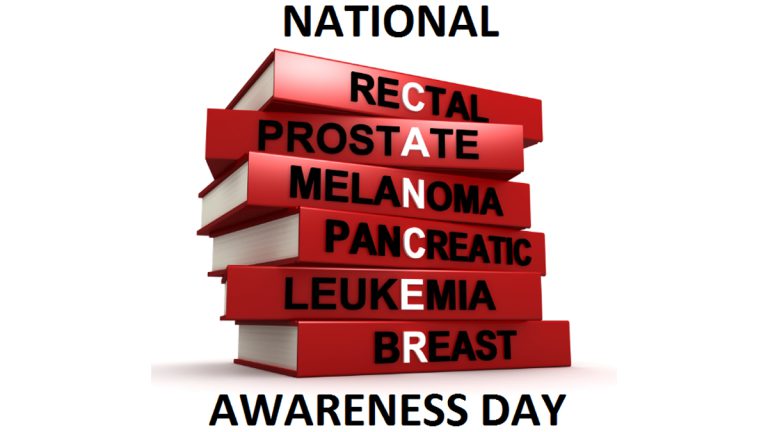
Every year, November 7th is dedicated to National cancer awareness day so as to shed some light on the Evil genius of Cancer!

Cancer- The evil genius!

All of us get scared by the word cancer, don’t we? What exactly is cancer? In simple terms, it can be explained as the uncontrolled growth and division of our body cells, which can spread to nearby tissues or other parts of the body.

Indian scenario

Although many cancers are seen in India, the most prevalent ones are-

1. Breast

2. Cervical

3. Oral cavity

4. Lung

5. Colorectal

Knowing the Risks

Now, we know about the cancers that are common in India, but, is that enough to take necessary precautions against cancer? “NO”, so let us have a look at the risk factors.

1. High body mass index (weight)

2. Low fruit and vegetable intake

3. Lack of physical activity

4. Tobacco use (smoking)

5. Alcohol intake

6. Radiation

7. Unhealthy diet

8. Family history

9. Certain viruses

Look for these indicators!

No doubt, knowing the risk factors is important for taking preventive measures but, it is equally essential to detect it at the right time. The body has certain ways to show it, let us understand them.

1. Unexplained Weight loss

2. Loss of appetite

3. Repetitive infection-causing Cough

4. Lumps anywhere in the body

5. Unusual bleeding from any opening in the body

6. Delayed wound healing

7. Change in bowel habits

8. Difficulty in swallowing and indigestion

Stats and facts!

1. Cancer is the second leading cause of death in the world

2. Estimated 9.6 million deaths in 2018

3. Globally, about 1 in 6 deaths

4. 70% of cancer deaths occur in countries with low income

5. One-third of deaths from cancer are due to the 5 leading risks

6. Tobacco use is the most common cause of cancer (22% of cancer deaths)

7. Infections like hepatitis and human papillomavirus (HPV) causes 25% of cancer cases in low and middle-income countries

8. Only 1 in 5 low and middle-income countries have required data to drive cancer policy

Have no fear!

Most of us are unaware of the fact that 90-95 % of Cancers are Preventable! Few dont’s we should “know” to say “no” to cancer.

Do Not – Use tobacco or Arecanut in any form

– Smoke or sit near a person who is smoking

– Consume alcohol

– Consume spicy, fried, preserved, processed, and junk food, salt-preserved food like pickles

– Be over stressed

– Have a sedentary lifestyle

– Expose yourself to too much sunlight.

“To be a survivor or a victim, the choice is yours”

How is QUALITY maintained in Laboratories?

0

Quality is an expectation from everyone for everything.. How is it ensured is a matter of question… As for labs read on to know…

How is Lab Quality Maintained?

The simple word ‘Quality ’, yet means a lot! The word ‘Quality comes with an additional aspect of trust-building and fulfillment of expectations. World Quality Day is celebrated on the Thursday of the second week of November every year; this year 8 th November 2018. So, in sync with this year’s theme ‘Quality: A question of trust’ let us understand how a laboratory can ensure quality at each step.

What does quality mean?

  • Quality is the degree of excellence of a product or thing.
  • It is the confidence to have given or obtained the best of something.
  • Four components namely, quality planning, quality assurance, quality control and continuous improvement represent it.
  • By checking the statistically significant variations quality can be maintained.

What are the indices of Quality?

  • The indices of quality includes adherence to Quality Standard Operating Procedures (SOPs), proper work instructions and utilization of statistical tools to check for deviations in reports.

What happens when there is no Quality?

  • Cascading effects on healthcare outcome.
  • Lack of quality leads to erroneous results, sample mismatch, resultant inaccurate treatment due to wrong reports and loss of the end user’s trust.

How Thyrocare ensures Quality?

  • Thyrocare processes over 60,000 samples each day ensuring quality with near 0% failure in quality management system.

Pre-analytical phase:

  • Samples come in exclusively pre-barcoded sample collection tubes provided by Thyrocare.
  • The samples are transported within 24 to 48 hours in brand verified and attested chiller boxes.
  • Sample collection is done as per the sample collection manual.
  • All information on client/ patient and test done are as online entry against sample barcode.
  • Automated sample sorting depending on barcode information.

Analytical phase:

  • Automation is the key to minimize errors!
  • With automation like Aptio TM, equipped with bi-directional Laboratory Information System (LIS), each operational stage is Information Technology (IT) enabled and controlled.
  • Quality Control (QC) results as well as patient results are fetched and reported through IT enabled systems.

Post-analytical phase:

  • It is crucial for sample archiving and storage as necessary for accreditation apart from query handling or additional testing needs. Beyond all of these we also participate in Proficiency Testing programs like external quality assurance (EQAS), CAP and Inter-lab.
    Our quality certifications like ISO (International Standards Organization), NABL (National Board of Accreditation for Laboratories) and CAP (College of American Pathologists) speaks volumes of our Quality Management System.
    Next time you step inside a lab, check if they have all of these, as only then proper quality can be easily and routinely assured!

Why Hemogram is so frequently prescribed?

0

A simple test can tell you all about your health, may it be a mere fever, infection, or disease of the immune system. A Hemogram…

Why Hemogram is so frequently prescribed?

A Hemogram test also called a Complete Blood Count (CBC) test is performed on your blood sample. It is recommended when a person suffers from an infection or disease to check the increase or decrease in the number of blood components.

These Blood Components are examined!

The amount of blood components tells us about the health status of a person. As during any disease imbalance of these cells are experienced. Because the levels of these components in the blood guide us about the type of infection a person is suffering from, this test serves as a desirable tool to judge a disease and also its progress. The three most important blood constituents are:

1. White Blood Cells (WBC)

These cells fight against infectious agents and make our immune system

  • Low Blood count indicates: Dietary deficiency, diseases of immune system (HIV/AIDS), sepsis (severe infection), bone marrow (spongy tissue inside bones) disorders and blood cancer.
  • High blood count indicates: Allergies, bacterial or viral infection, advance stages of blood and bone marrow cancers.

2. Red blood cells (RBC)

These cells contain hemoglobin which transports oxygen throughout the body.

  • Low Blood count indicates: Bleeding, destruction of RBCs, nutritional deficiency and serious kidney diseases.
  • High blood count indicates: Dehydration, lung diseases and polycythemia vera (blood cancer in which too many blood cells are produced).

3. Platelets

These cells play an important role in the clotting of blood in case of injury and help to stop excessive blood loss.

  • Low Blood count indicates: Viral infection, rocky mountain spotted fever, cirrhosis, autoimmune (Condition in which immune system attacks our own cells) and blood cancer.
  • High blood count indicates: Hemolytic (destruction of RBCs) anemia, iron deficiency, rheumatoid arthritis, lupus and cancer of lung, breast, ovary, stomach and intestine.

What can affect your Results?

A recent blood transfusion may affect the count of RBCs, WBCs, and platelets. Another factor that can disturb the test results is when a blood sample is collected from the same drip from which the patient has been injected with antibiotics or saline. Results of CBC count is different for babies, children, and adults too.

A hemogram is also suggested by physicians to monitor the effectiveness of medication during the treatment.

A simple test yet enormously informative… A Hemogram test is able to identify many illnesses…

An Enhancer of Bone health- Calcium

0

Role of Calcium in Bone Health.

Puzzled what is making your bones weaker, it may be insufficient calcium levels, continue reading to update yourself regarding this mineral!

An Enhancer of Bone health- Calcium Adequate calcium intake lays the foundation for bone health… Can we risk it?

Bones are the framework of the human body. Ever heard of conditions like osteoporosis (weak bones due to low bone density), rickets (a condition involving softening of bones in children), osteomalacia (softening of bones involving pain), and high blood pressure? The factor lurking around these conditions is none other than, the otherwise abundant mineral – Calcium!

What is Calcium?

Calcium is the mineral essential for maintaining bone structure and function in the human body. The body’s maximum (about 99%) calcium supply is stored in bones and teeth.

What is the significance of calcium in the body?

The body uses calcium stored in bone tissue to maintain the concentration of calcium in blood, muscle and intercellular fluids. About 1% of the total body calcium is required for critical metabolic functions like vascular contraction and vasodilation, intracellular signaling, nerve transmission, and hormonal function.

Sources – Milk, yogurt, and cheese are natural sources.
Calcium levels The body maintains blood calcium levels in a certain narrow range, which allows the cells to stay healthy. With age the calcium absorption levels from diet decrease and substitutes blood calcium levels from bones, depleting the stored calcium and making bones brittle.

High levels indicate (Hypercalcemia)

  • Hyperparathyroidism (overactivity of Parathyroid gland)
  • Cancer, including cancer that spreads through bones
  • Longer time to recover broken bones
  • Paget’s disease (abnormal bone growth causing deformed or brittle bones)

Low levels indicate (Hypocalcemia)

  • Hypoparathyroidism (poor functioning of parathyroid gland)
  • Kidney failure, increasing the levels of phosphate in the blood
  • Osteomalacia
  • Rickets

Groups at risk of calcium inadequacy

  • Post-menopausal women
  • Amenorrheic (women fails to initiate a menstrual cycle) women
  • Female athlete triad syndrome (suffering with eating disorder, low bone mineral density).
  • Individuals with lactose intolerance
  • Vegans

Laboratory Tests

Tests to find the abnormal cause of calcium levels in blood include:

  • Calcium test
  • Parathyroid hormone (PTH) test
  • Chloride test
  • Acid phosphatase test
  • Alkaline Phosphatase test
  • Vitamin D

Calcium in urine test – A 24-hour test that checks the amount of calcium passed from the urine in the body.

Calcium levels can be determined from blood as well as urine tests, also including a range of tests like alkaline phosphatase, vitamin D, etc. helps to know a detailed record of calcium levels in the body.

An essential presence in abundant levels won’t last long, if not for regular preventive checkups!

Does stress affect your memory?

0

Stress! Seems to be a small routine thing but, bit by bit it makes you give up on every bit of your being… and takes away your memories…

Does stress affect your memory?

In today’s world, the term stress is more heard of than work. Not knowing when enters our mind, becomes a part of our routine life and a habit. The run to catch a bus or train or the time stuck at a traffic signal in your car while going to work in the morning every single day. Stress is there to reach in time, be at your best, hold back your emotions, maintain yourself at the workplace, balance family time and the list is never-ending.

Imagine one day of your life without stress! Peaceful isn’t it! Unfortunately, that ain’t happening all by itself. Satiric though, you need to work for that too. If you don’t want to spare some time to overcome stress you might no more remember the stress, not just stress you may even bid goodbye to a lot of things; including your memory.

The Astonishing Reality:

  • Stress causes an imbalance in the body functions and in response to this stress alterations in the body can occur.
  • Staying in a stressful environment makes you prone to many diseases.
  • It affects the Central Nervous System (CNS) and different parts of the brain.
  • Due to this size and mass of the brain reduces, leading to decreased cognitive function and memory.
  • Effect on the brain in turn also changes the ability to respond to stress.
  • When parts of the brain like the hippocampus, amygdala, and temporal lobe are altered due to long-term stress, the speed of learning decreases, disturbances in memory occurs and also, and cognition and mood disorders can be seen.
  • The number of neurons in the brain also decreases as a result of CNS changes due to stress, thereby affecting memory.
  • Hormones secreted by our body are called stress hormones, and when under stress, as well as negative effects on memory.
  • On the contrary, in some situations, stress can improve your memory retention and learn for a short period, as you become more alert, and the stress hormone cortisol has a role in it.
  • Like the day before or an hour before the exam, we tend to remember everything more clearly.

Calm yourself down, stress doesn’t let you fly high it makes you forget or confuse the steps to rise up! Stress rarely gives anything yet, takes away so much!

The right care to Fight pneumonia

0

Suffering from breathing difficulty? Unable to find out a reason for it? It could be Pneumonia! Read on…

The right care to Fight pneumonia

November 12th is marked as World Pneumonia Day, to spread awareness about pneumonia, as it’s the world’s leading infectious killer of children under the age of 5.

Pneumonia is a form of respiratory infection that affects the lungs. An individual with pneumonia has pus and / fluid filled in the spaces of the lungs (alveoli). Due to this, they experience painful breathing and the oxygen supply is also limited.

The Culprits!

Pneumonia is not just a bacterial disease! It could be also because of viruses or fungi! Isn’t that an interesting fact? So let us have a look at the organisms that can cause it.

1. Streptococcus pneumoniae– The most common bacteria causing pneumonia in children.

2. Haemophilus influenzae type b– The second most common agent of bacterial pneumonia.

3. Mycoplasma pneumoniae– A typical pneumonia is caused by this and a few other bacteria. like Legionella pneumophilaandChlamydia pneumoniae.

4. Respiratory syncytial virus– This virus can very well cause pneumonia.

5. Aspergillus, Rhizopus– Cause of fungal pneumonia.

Beware, It’s Risky!

Yeah! Certain conditions can increase our chances of developing pneumonia. So, it is important to know them.

1. Weak immune systems

2. Pre-existing illnesses, such as HIV infections or lowered immunity

3. Environmental factors like air pollution, living in a crowded home, or second-hand smoking.

Few facts and stats!

1. Globally,16% of all deaths in children under the age of 5 years is due to pneumonia

2. Every 20 seconds a child die of pneumonia.

3. 99% of all pneumonia deaths occur in low and middle-income countries.

4. South Asia and sub-Saharan Africa bear more than half of the total cases suspected of pneumonia.

5. Pneumonia due to bacteria can be treated with antibiotics.

6. People belonging to poor communities of any Nation are at higher risk of pneumonia.

From Infection to Transmission

Infection can be spread in a number of ways. The viruses and bacteria that enter the infected person’s nose or throat, reach the lungs during breathing. They may then spread to others via air-borne droplets, which contain the infection-causing agent, from a cough or sneeze.

The common and rare!

Pneumonia has many common symptoms some are common, some are not. Let’s have a look at them. The common ones are :

1. Cough (Could be greenish or yellowish with mucus)

2. Difficulty in breathing (breathing may be rapid and shallow)

3. Fever

4. Rapid heartbeat

5. Sweating and shivering

6. Loss of appetite

7. Pain in the chest

Less common symptoms include:

  1. Blood during cough (haemoptysis)

2. Headache

3. Fatigue

4. Nausea and Vomiting

5. Wheezing (whistling sound while breathing)

Care is better than Cure!

When certain precautions can protect you from infection, why take a risk? Know them to prevent them.

1. Proper nutrition for mothers and children.

2. Breastfeeding the infants

3. Measles vaccination.

4. Handwashing with soap

5. Prevention and treatment of underlying causes (such as HIV)

6. Reducing air pollution

“Pneumonia! Let’s take a step towards its prevention, on this World Pneumonia Day!”