Home Blog Page 3

Winter Smog – A Hot Topic

0

There is one thing about Delhi you’ll absolutely adore: winters

Cold crisp air
Fresh colourful wardrobe
Hot cups of tea
Winter food specialty
The soft wintry sun
Enjoying slow walks in a chilly weather
The bustling city gets lost somewhere in foggy streets

It’s all beautiful…until you burst out into an uncontrollable coughing fit. The beautiful fog is indeed a deadly smog you’ve been breathing.

Urban landscape of city with smoke from burning house

In winter, smog (smoke + fog) settles over many cities like a huge grey cloud looming over and obscuring the clarity of the sky. And along with temperature, the air quality goes down too. It not only causes massive disruption in daily activities but also creates a public health crisis with a spike in the number of patients, especially those suffering from lung diseases. The common culprit is none other than particulate matter.

Book Pollution Profile and Get 20% Off 

What’s Particulate Matter?

Remember Sholay movie’s famous train chase sequence? Amitabh and Dharmendra fight the goons on a running train, which honks annoyingly and lets out a never-ending stream of black sooty smoke. 

That’s it. Soot, smoke, dust, dirt, liquid droplets and toxic gases released from car and plane emissions, industries, factories, burning fossil fuels and crops, cigarette smoking, etc., together constitute what we call fine particulate matter (PM), which remains suspended in the atmosphere.

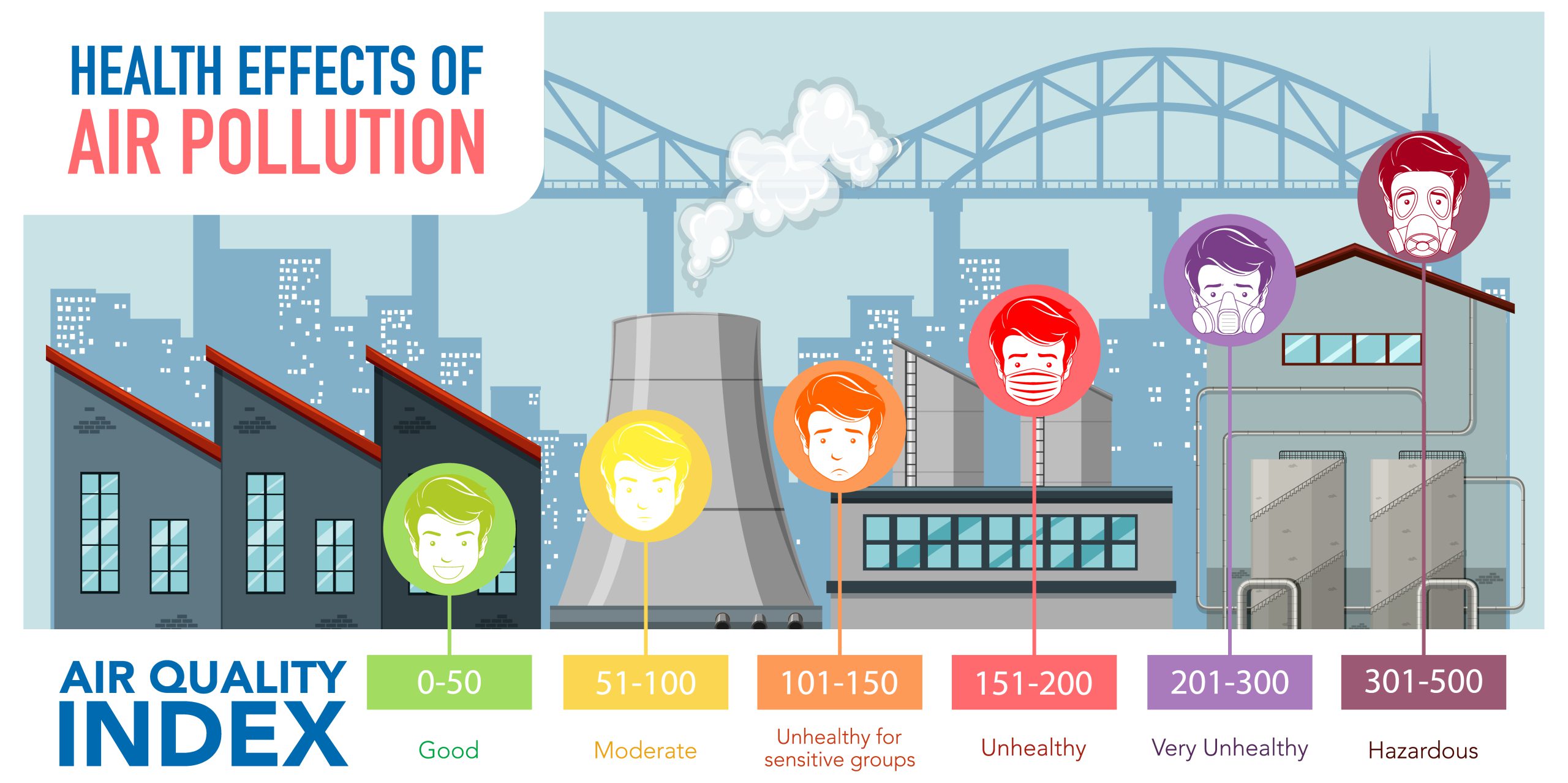
Air quality index with color scales showing from good to harzard

Connection Between Smog and Winter

Air pollution hovers over cities throughout the year, but it becomes evident as a smog in winter because…

  • As opposed to the hot and humid air in summer, which rises and expands in the atmosphere, the air in winter is cold and dry. It settles down easily due to condensed water. The qualities of the wintry air make it trap more pollution.
  • Winter is the time of chilly nights, campfire, cozy winter wear, and no one ever said no to woodfire settings. Wintry habits, like fireplaces and woodburners, add to smog.
  • Diwali, a grand festival we all eagerly wait for, marks the onset of winter. Although I’m glad how the majority of people’s attitude is turning towards saying no to firecrackers, there are still many who can’t refrain themselves from lighting a few. Crackers are yet another reason for increased PM levels.
  • “India is an agricultural country,” we all have read this in our geography books back in school. In winter, after harvesting, farmers opt for stubble (residual crop) burning to prepare the field for the next crop, ultimately adding more to smog.

Common Health Hazards

I can’t help but remember the lyrics of a song released by The Police (an English Rock band), “Every breath you take, I’ll be watching you.” Despite the “fine”ness in its name, PM is deadly. With every breath, the particles enter and lodge deeply inside your lungs and gain easy access to penetrate the bloodstream. Once inside the bloodstream, nothing can escape these tiny particles.

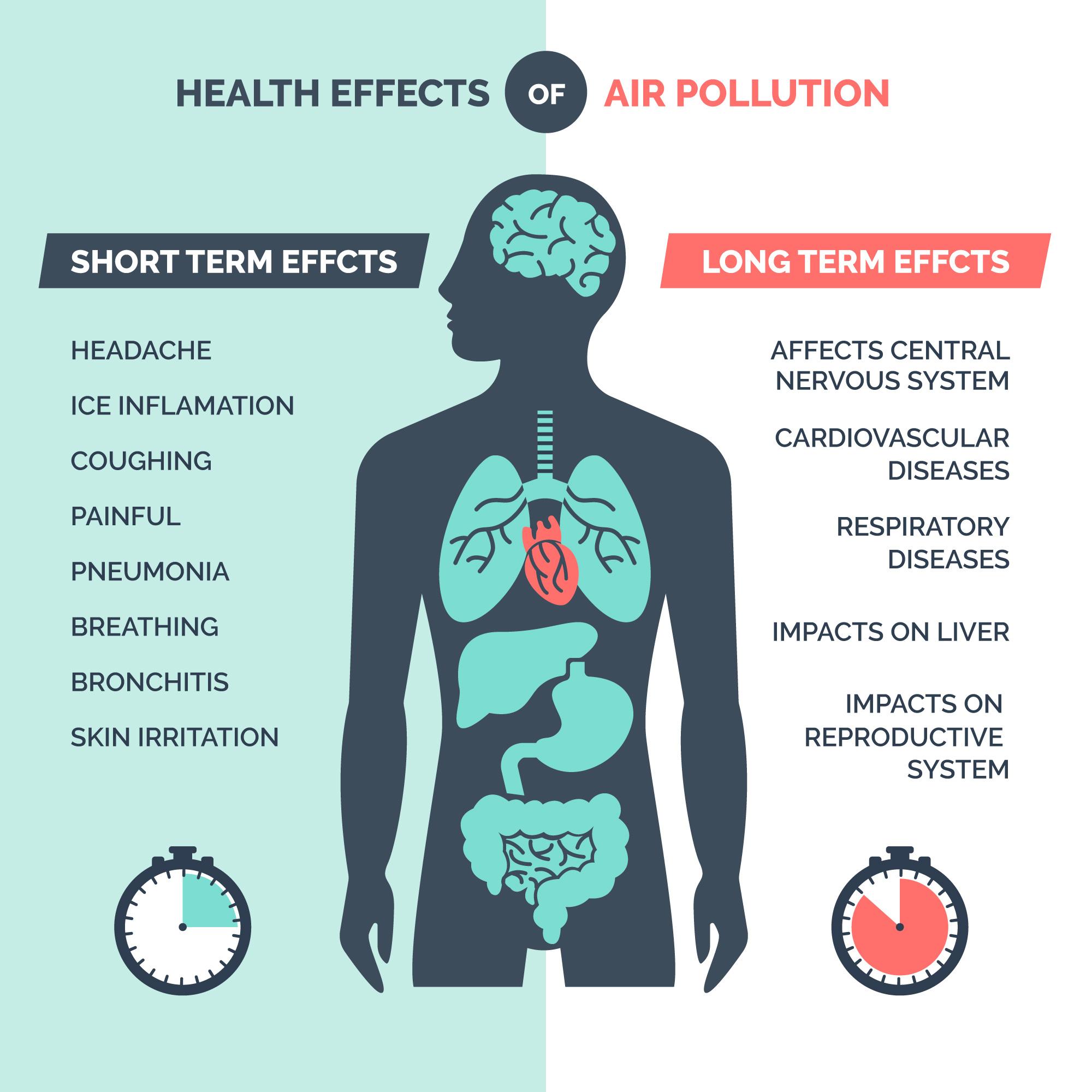
It all starts with short-term effects, like irritation of nose, throat, and eyes as well as skin problems and hair damage. The long-term effects are as follows:

  • Respiratory diseases: Asthma, chronic obstructive pulmonary disease, lung tissue swelling and irritation, lower respiratory infections (like pneumonia, flu and bronchitis)
  • Cardiovascular diseases: Heart attack, stroke, etc.
  • Impact on liver, kidney, reproductive organs
  • Developmental damage: Increased risk of low infant birth weight and slow/stunted lung development in children
  • Lung cancer
  • Premature death: PM causes >6·5 million premature deaths annually, and the number continues to grow at an alarming rate.

If you have any pre-existing health conditions, chances are smog will make it more challenging, leading to increased emergency room visits and hospital admissions, not to mention missed work and school.

Better Protect Than Regret

  • Make a run for it, but not in mornings

Exercising is essential, including running or walking, but not when outside air is toxic. Smog is strongest in the morning time. So if you run, walk or engage in any outdoor activity, wait till the smog reduces through the day or shift these activities to evening. But no excuses for skipping your workouts altogether.

  • Use face masks when outdoor

One thing I’ve gotten used to since the COVID-19 pandemic is face masks. Now, like many people, you must be thinking that N95/N99 face masks are no longer mandatory under COVID-19 regulations. But my response to you will be the same, “I wear it for pollution.”

  • Go with the flow and ventilate

You think it’s safe inside? Well, indoor pollution is way worse than outdoor one. Make sure the house is properly ventilated, especially the kitchen and bathroom. Open your windows and doors during sunny hours and allow the air to circulate. On a bright sunny day, the concentration of PM is often low in the air.

  • Air-purifying plants

Nature is the best solution for every man-made problem. Go ahead, bring inside your office and house some nature. Air-purifying plants, like tulsi, aloe vera, spider plant, money plant and ivy (not the poisonous kind surely), purify air and minimise indoor pollution.

  • Use air-purifiers

Use air purifiers, especially in the room of elderly, kids and pregnant women. These groups tend to have lower immunity and are more susceptible to health hazards than others. Also, purify and ventilate your car air, better yet drive less and use more public transport.

  • Take steam daily and eat healthy–nutritious diet for strong immunity

Testing at Thyrocare

Smog is the biggest health hazard in winters. Thyrocare has launched Pollution Impact – Basic & Advanced packages to combat health threats arising due to air pollution. It helps you better understand your heart health and the overall impact of air pollutants on the body, including on lipid, liver and kidney profiles. You can also better understand your immunity, blood and sugar profiles, vitamins and essential elements and take appropriate measures to protect yourself this season.

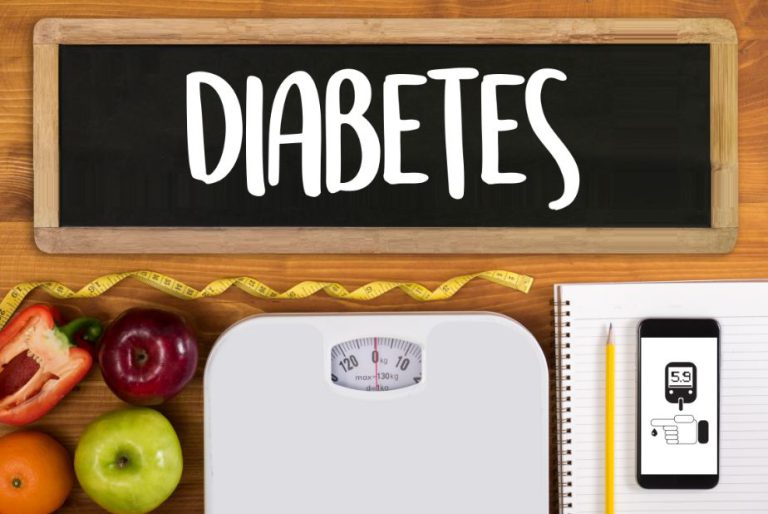
Let’s Dia-beat it: Ways to Prevent Diabetes

As a kid, I could never understand why grandpa had so many medicines on his night stand or why mom strictly prohibited sugar in his and granny’s chaai or why aunt used those special footwear which never complimented her outfit. But now, there is no denying that diabetes has always been a part of our lives, even before we were old enough to understand it. Since 2nd century AD, diabetes has been one of the greatest mysteries and challenges in the medical world. Today, diabetes is a health concern worldwide.

Did you know?

  • Worldwide, over 425 million people are living with diabetes. 
  • In the global diabetes epidemic, India ranks second after China with 77 million diabetics.

Hail today’s modern lifestyle, there is a good chance that you could soon be one of them. But don’t lose heart yet. Despite the high numbers, the good news is that diabetes is absolutely preventable. You can prevent or delay the onset of type 2 diabetes mellitus (T2DM) by making healthy lifestyle changes in your daily routine, even if you are at risk.

Book Diabetes Profile and Get 50% Off 

How and Where Do I Start?

First, let’s understand where you stand on the scale of diabetes.

Before developing T2DM, you will develop a condition called prediabetes, wherein your blood sugar level is higher than normal. Fasting blood sugar of ≤99 mg/dL is normal, 100–125 mg/dL is prediabetic and ≥126 mg/dL is diabetic. Common risk factors of prediabetes include:

  • Age ≥ 45 years
  • Gender (the risk is higher in men than women)
  • Family history
  • High blood pressure or stress
  • Being overweight or obese
  • Physical inactivity (spending 9 hours/day sitting)
  • Gestational diabetes: Develops during pregnancy and goes away after birth, but the mother and baby present a high risk of T2DM throughout the life

Know What Needs to Change

Now that you know where you stand, it is time to figure out what needs to change, in terms of nutritional uptake and physical activity. 

Track Your Weekly Eating Habits 

  1. Do people, friends, family and colleagues influence what you eat?
  2. Do you plan your meals before time or give in to last-minute cravings?
  3. Do you read nutritional labels on food packages?
  4. How often do you go out to eat and where?
  5. What makes it harder to eat healthier?
  6. How often do you smoke or consume alcohol and how much?

Track Your Weekly Physical Activity

  1. How much time do you spend walking, jogging or biking?
  2. How much time do you spend doing household chores?
  3. Do you have a go-to physical activity for stress relief, like running?
  4. What makes it challenging to be more physically active?

Track Your Weekly Physical Activity

Change What Needs to Change

Be it your ex or your health, breaking old toxic patterns is something we all desire, but making radical changes and starting a new routine is not as easy as it sounds. Good things always take time. So, be realistic. Make small plans with one step at a time, instead of taking a big leap that is hard to stick with.

Watch Your Weight

If your BMI is 25.0–29.9, you are overweight. If your BMI is ≥30.0, you are obese. In such cases, losing at least 5%–7% of your body weight and staying physically active can greatly reduce your risk of T2DM. This will further reduce your HbA1c levels. The HbA1c test is frequently used to diagnose prediabetes and diabetes. A normal A1C level is <5.7%, whereas a level of 5.7%–6.4% and ≥6.5% indicates prediabetes and diabetes, respectively. Lower the level of HbA1c, lower the risk of T2DM.

Get Moving with a New Routine

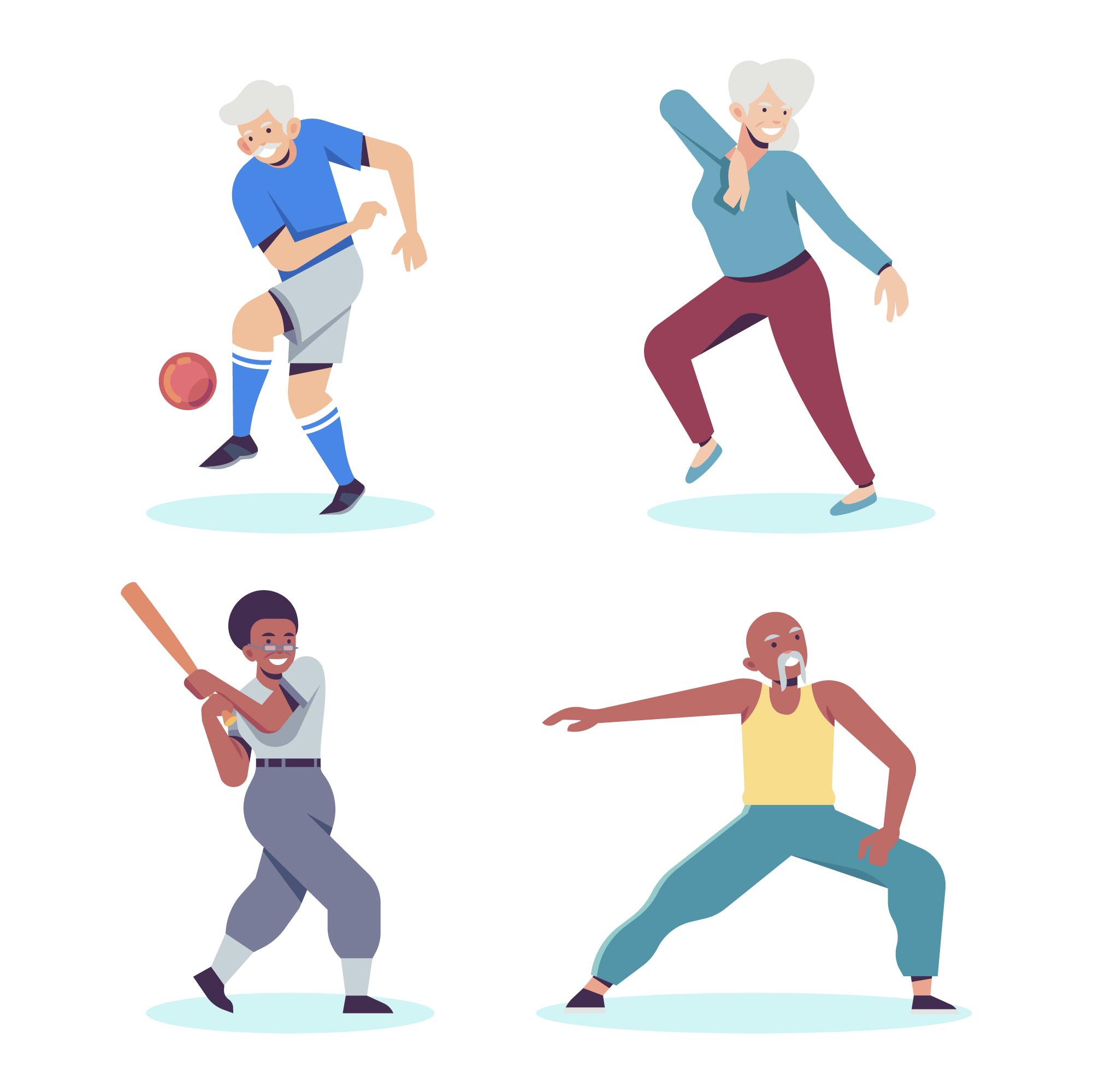
The goal is to take out a minimum of 150 minutes/week for moderate–high intensity workout. This hardly takes 25–30 minutes/day for activities that you can actually enjoy, like brisk walking, running, dancing, swimming, cycling or playing your favourite sports. It’s all about doing what makes you happy.

Mind & Body Therapies

Yoga is a promising cost-effective option for preventing T2DM. It enhances flexibility, muscle strength, blood circulation, heart rate and oxygen uptake. Asanas (postures) enhance insulin receptor expression in the muscles and induce positive effects on glucose utilisation in T2DM.

Mind & Body Therapies

Some common yoga asanas and their benefits in preventing T2DM:

  1. Forward bend:

    Massages and pressurises the pancreas for insulin secretion

  2. Backward bend:

    Exerts stimulating and energising effects

  3. Twisted poses:

    Squeeze the intestines to prevent stagnation of colonic contents

  4. Kapalbhati:

    1) Abdominal pressure created during exhalation improves the efficiency of pancreatic β-cells, 2) helps produce insulin and control blood glucose levels 

  5. Vaman dhauti:

    1) Increases glucose uptake, 2) minimises insulin resistance, 3) promotes insulin functioning by reducing free fatty acid levels

  6. Shankhaprakshalana:

    1) Reduces blood glucose levels, 2) increases insulin production

  7. Pranayama:

    1) Increases cerebral blood flow and oxygenation, 2) lowers blood pressure

You Are What You Eat

You have probably noticed that someone who works out everyday but does not follow a proper diet has a hard time losing weight. This is because your diet plays a crucial role in weight management. An ideal diet does not need to be hard and fast or have a popular name or be endorsed by famous celebrities. It just needs to have the following three secret ingredients:

  1. Moderation:

    Whatever you eat, practice portion control.

  2. Balance:

    A well-balanced diet of fruits, vegetables, dairy, grains, and protein

  3. Variety:

    A diet that gives you all the nutrients you need

Healthy food Vs Junk Food

For diabetes, the diabetes plate method or 9-inch plate method is the best and easiest way to ensure a healthy meal.

  1. Half of your plate should contain non-starchy vegetables: green vegetables + red vegetables + fruits
  2. One quarter of your plate should contain food enriched with lean protein, including nuts, eggs, and chicken)
  3. The last quarter of your plate should contain grains and starchy food like oats and potatoes. You can replace starch by doubling up non-starchy food portions (just ensure it’s not loaded with cheese, butter or exotic sauces).
  4. Pair it with water or a low-calorie drink.

Get Enough Sleep

Anything too much or too little is unhealthy, even your sleep. Lack or excess of sleep can make you crave high-carb food, ultimately inducing weight gain and subsequent risk of health complications. Get 7 or 8 hours of sleep/night for a healthy metabolism and normal blood sugar levels.

Regular Checkups for Preventive Healthcare

Get regular health checkups once in 6 months as diabetes has a tendency to increase the risk of cardiac conditions, like high cholesterol, hypertension and high HbA1c levels. Get your eyes tested annually too. Also, keep your sugar in check on a regular basis; it helps avoid diabetes-related complications.

Diabetes Cartoon Illustration

Stress Management

Research shows that stress triggers the release of adrenaline and cortisol into the blood. These hormones hinder the functioning of insulin-producing cells in the pancreas, ultimately increasing the blood glucose levels. Stress is also a potential contributor of chronic hyperglycemia and hypertension. Hence, managing physical and mental stress is absolutely vital. Find ways to relieve and manage your stress levels. Consider setting a workout pattern, such as breathing exercises, yoga, hobbies, etc. (Smoking does not count.)

Diabetes or Not, Stop Smoking!

Diabetes is associated with a multitude of diseases, such as those of heart, eyes, kidney, blood vessels, brain and foot. And if you smoke, you are already at high risk of many. Smoking also makes it difficult to work out. Consult your doctor or close ones and find ways to quit.

When it comes to preventing diabetes, one can take several steps, but motivation and consistency are a must for preventing diabetes. Stay focused on success and not on disappointments. Talk to friends, family, healthcare providers for support. Also, there are many apps and websites that can help you attain your healthcare goals. Instead of viewing prediabetes as a stepping stone to diabetes and losing heart, you can see it as a motivator to make healthy changes in your lifestyle.

Testing at Thyrocare

Thyrocare offers 4 different diabetic profiles, namely Diabetic Profile – M, Diabetic Profile (SUGARSO) and Diabetic Profile – Basic and Advanced. The parameters covered help you understand complete blood count, glucose levels, HbA1c levels, iron deficiency, lipid/liver/kidney profile, thyroid profile, vitamins, essential elements and electrolytes and cardiac risk markers. Getting yourself tested is the stepping stones for a healthier tomorrow.

Preventive Healthcare for Healthy Ageing

Over the last few decades, the world has seen a drastic increase in the human life expectancy. In 1800, an average person could live up to 25 years. Today, the global average life expectancy is 70 years. The miracles of modern medicine and public health initiatives have helped us live longer than before – to the extent that we might be running out of innovations to extend human life any further. But the pros of increased life expectancy come with their own set of cons. As people age, they experience natural wear and tear of the body, which makes them more vulnerable to age-related diseases and health issues. Also, our lifestyle choices of today make a great impact on the quality of life tomorrow. By preventing health problems before they arise or identifying them early, you are more likely to live a longer healthier and happier life.

Book Preventive Health Checkup Now And Get 20% Off

What is preventive healthcare?

It’s all about being proactive rather than reactive.

It is routine healthcare that involves screening, checkups and patient counselling to prevent the occurrence of a disease or halt a disease and avert the resulting complications after its onset. It also evaluates any risk of future diseases.

Common diseases of old age and reasons to prevent them

Along with wisdom, old age brings a plethora of health problems. Your immune system isn’t as strong as it used to be. You start losing muscle mass. Obesity, high blood sugar, hypertension do not allow you to live without medicines. Ageing affects your sleep-wake pattern. Your dietary and nutritional needs take a drastic turn, and a mountain of medicines sitting on your dressing table takes a toll on your mind and body. Let’s take a look at some of the common diseases of old age.

  1. Arthritis

Creaking knees, hips and ankles aren’t necessarily normal aches and pains that come with age. It might be arthritis. Arthritis is an age-related degenerative inflammation of joints, cartilages and bones, which worsens with age. You are likely to experience swelling, pain, stiffness and diminished motion in your joints, especially knees. Although medication and therapy can help reduce the pain, arthritis has no cure. It is one of the common causes of physical disability among older adults.

  1. Osteoporosis

Ever wondered why people hunch forward in posture as they grow older?  Osteoporosis is one of the common reasons for hunchbacks. Bone is a living tissue, which is in a continuous state of breakdown and reformation. As you grow older, there is significant reduction in bone formation. Your bones start losing mass and density, making you look shorter. In old age, osteoporosis is very common. It makes bones weak and brittle, so much that even a minor fall can leave you with fractured bone, more commonly in hip, wrist or spine. Weak bones cause back pain and stooped posture, making you look shorter over time.

  1. Diabetes

From the time of tasting urine for diagnosis and collecting animal insulin for treatment, diabetes has been one of the greatest mysteries and challenges of the medical world. Although it can now occur at any age, diabetes is commonly a disease of old age. With age, your pancreas cannot effectively produce insulin and glucagon—hormones required for maintaining blood glucose levels. This causes high blood glucose levels. Unmanaged blood sugar gives you increased sugar cravings, and high sugar intake puts you at the doorstep of diabetes. Once you open the door, diabetes greets you with a never-ending list of comorbidities, like high cholesterol, hypertension, kidney diseases and liver diseases.

  1. Heart disease

Heart disease remains the leading killer in old age. Natural ageing makes changes (e.g., weak muscles and stiffening vessels) in the heart and blood vessels, making it more prone to injuries. This gives way to hypertension and high cholesterol, which increase your risk of cardiovascular diseases, like heart attack, stroke and coronary artery disease. In >75-year-old people, congestive heart failure occurs 10 times more often than in younger adults. Also, the outside stress you put on your heart at a young age does not help later at all.

  1. Kidney disease

Older age is a key predictor of chronic kidney disease (CKD). Nearly 11% of >65-year-old adults without hypertension or diabetes have creatinine levels that represent stage 3 or worse CKD. Research suggests that diverse factors contribute to this scarring process, such as tissue ischemia, injury, metabolic defects and obesity. If you are an older adult with diabetes, hypertension and/or family history of CKD, go for annual kidney screening. Because kidney disease develops slowly with few symptoms, and many people don’t realize they have it until the disease is advanced. If untreated, CKD can lead to kidney failure.

  1. Liver disease

The liver performs hundreds of vital functions, including digesting food and eliminating toxic substances. It also produces bile, a fluid that helps digest fats and carry away waste. A number of structural and microscopic changes occur as the liver ages. The liver loses the ability to metabolise substances. Hence, some drugs are not inactivated as quickly in older people as they are in younger people. Also, the liver’s ability to withstand stress decreases, and toxic substances can cause more damage in older age. Damaged liver cells take too long to repair. The production and flow of bile decreases with ageing, and you can develop gallstones.

Benefits of preventive healthcare in old age

Benefits of preventive healthcare in old age

Age is just a number. Don’t let it stop you from living life to the fullest.

  1. Are you at risk of diseases?

Conditions like high blood pressure and diabetes often don’t cause symptoms early on. Keeping track of your weight, blood pressure, sugar and cholesterol levels can help doctors spot the signs of diseases early. Studying family history allows flagging of risks for inherited conditions, such as cancer or diabetes. Preventive healthcare helps in early diagnosis of health conditions or risk factors for life-threatening diseases. 

  1. Early treatment and less complications

Many diseases are easiest to treat when they’re caught in their early stages. Early diagnosis means early treatment, and early treatment means less complications and comorbidities of the disease. A win-win situation that helps you with early recovery from any health problems or stops the disease from either developing altogether.

  1. Managing preexisting conditions 

In old age, the body often shows drastic physiological changes, such as sudden weight gain or loss, dry skin, lethargic behaviour and increased or decreased hunger. In such cases, it’s advisable to get your thyroid tested. However, for maximum gain, you should look to get these tests done regularly to foresee a disease and guard against it for a cure.

Healthy Lifestyle Isometric Flowchart

Choose a healthy life today for a healthier tomorrow!

  1. Increased life span

With regular health checkups, you can be sure of how healthy you are or how you need to improve. Your doctor will guide you with a healthy diet, fitness, sleep patterns and stress habits. If you smoke or drink, the doctors will help you with quitting. By following the preventive healthcare advice of healthcare professionals and making healthy lifestyle choices you can increase your lifespan.

  1. Lower healthcare costs

In 2004, Tampa General Hospital, Florida, USA, filed what’s possibly the largest bill in the history of hospitals ever against a deceased patient, $9.2 millions. 

No doubt healthcare is costly, and if you don’t have health insurance, several healthcare procedures, like organ transplants and heart surgeries, can raise your bills in 7 digits. Good preventive health checkups do not only keep you healthy. They are also a great way of saving your hard-earned money in the long run because you can reduce the risk of undergoing surgeries and other chronic medical conditions by proactive remediation.

Lower healthcare costs

Testing at Thyrocare

Prevention is better than cure” is true in almost all aspects of life, especially when it comes to healthcare. Thyrocare provides Aarogyam packages to screen for health conditions on time and aim to promote preventive healthcare in elderly. The packages include different parameters, like complete hemogram, liver profile, kidney profile, cardiac risk markers, lipid analysis, thyroid functioning, iron deficiency, diabetes profile, vitamins profile, toxic elements and numerous further. Book Aarogyam packages today for a long and healthy life!

Winners Quit too: 10 Reasons to Quit Smoking

“Smoking kills”
“Tobacco causes painful death”
“Smoking causes throat cancer”
“Cigarette smoking is injurious to health”

Cigarette packs come with a variety of warnings. But I often wonder if bold texts and gruesome photographs of cancer victims ever stop smokers from lighting one. If you smoke, many times many people must have asked you to quit smoking. You probably would have thought of kicking this habit too. The road to quitting smoking is not easy, but it’s worth it. Because cigarettes are not a “solution” to every “problem.” They are a huge problem themselves.

Blood Test To Know The Impact of Cigarette on Your Body. Get 20% Off On Your Booking.

What’s in a cigarette?

Just one drag of a cigarette and over 7000 chemicals are on their way to destroy your life. Among these, 250 are toxic and 69 carcinogenic. Let’s take a look at some of the deadly chemicals.

  1. Ammonia – a common household cleaner               
  2. Acetone – used in nail polish remover
  3. Acetic acid – used in hair dyes
  4. Arsenic – used in rat poison
  5. Benzene – used in gasoline
  6. Butane – used in lighter fluid
  7. Lead – used in batteries
  8. Carbon monoxide – a part of car exhaust fumes
  9. Naphthalene – used in mothballs
  10. Nicotine – used in insecticides
  11. Methanol – used in rocket fuel
  12. Polonium 210 – radioactive element used in nuclear weapons
  13. Tar – used for paving roads

The main culprit

Nicotine is a toxic chemical present in a tobacco plant. Once inside the body, within seconds nicotine reaches the brain through the bloodstream, stimulating the release of dopamine and adrenaline. These hormones generate the feelings of pleasure and contentment, which explains the “kick” you feel after a smoke. Nicotine also promotes the release of beta-endorphin, a pain-inhibiting hormone. Once these happy effects wear off, you feel a drop in the mood and crave more. Nicotine is addictive. It is the main reason why you keep going back to cigarettes.

A slow death

  1. Respiratory system

As a smoker, breathing issues must be nothing new to you. Toxic chemicals in cigarettes first come in contact with your respiratory system, damaging everything from the nose and upper airway to the alveolar surface of the lungs. Over time, this puts you at an increased risk of pulmonary diseases, including emphysema (shortness of breath), lung cancer and chronic bronchitis (irritation of the bronchial tubes causing chronic cough). Waking up gasping for breath is a worse wake up call than an alarm clock on your dresser. If you don’t quit now, you might be headed for irreversible damage.

  1. Heart and cardiovascular system

Cigarette chemicals can induce permanent damage to the heart and blood vessels. Toxic chemicals cause the cells in your blood vessels to swell and speed up plaque formation. This plaque is made of fatty deposits, cholesterol, cellular waste, calcium, etc. The build up narrows down your blood vessels, making them thick and stiff. This cuts down the blood flow and oxygen transport throughout the body and gives way to numerous heart problems. Common heart conditions include blood clotting, high blood pressure, stroke, heart attack and heart failure.

Healthy Lung vs Smoker’s Lung

  1. Impact on the brain

With the first puff, your mood and concentration improve and you feel happy and stress-free. But in the long run, chemicals kill your brain cells and stop new ones from forming. The effect destroys your cerebral cortex, which is important for memory, thinking, learning, reasoning, emotions and functioning of your senses. There is no subtle way to put this, but the more you smoke, the dumber you get. You are also at thrice the risk of having a stroke, facial paralysis and cerebral aneurysm.


  1. Pancreatic damage and diabetes

Most people associate smoking with lung and heart problems, but it also damages your digestive system, including the pancreas. Cigarette chemicals disturb the production and release of insulin and glucagon—two hormones required for maintaining blood glucose levels. Cigarette chemicals alter the way your body uses glucose and how cells respond to insulin. Going further, smoking puts you at high risk of diabetes and its complications, such as obesity, kidney/liver/heart damage and much more.

  1. Reproductive health

Since nicotine restricts blood flow throughout the body, it is obvious your genitals do not get enough blood supply to stay healthy. Smoking decreases the production of sex hormone as well as sexual desire. For men, this causes erectile dysfunction and decreases sexual performance. For women, it causes sexual dissatisfaction and inability to reach orgasm.

  1. Eye problems

If you are still not able to see how harmful cigarettes are, you probably have eye problems. Cigarette chemicals reduce the fresh blood supply to your retina. Keep smoking, and you will suffer macular degeneration, cataract, dry eyes, glaucoma and diabetic retinopathy. There is a high chance smoking will leave you completely blind.

  1. Gum diseases

Not just a stinky breath, but smoking gives you double the risk of gum diseases. You are likely to experience swollen and tender gums, bleeding while brushing, loose sensitive teeth and tooth aches. The teeth get yellow, and you can see brown deposits on them. The more you smoke, the higher the risk of dental problems, teeth discoloration, lip darkening and black hairy tongue. You are definitely going to need more than just a mouth freshener.

  1. Spinal cord issues

We all must be aware of elderly relatives suffering from spondylosis. It is a common age-related wear and tear of the spinal discs. Smoking speeds up the degenerative process. The spinal discs between your vertebrae lose cerebrospinal fluid at a faster pace. This fluid is important to protect and support your spinal cord. Any injury to the back and you will be left with life-long back pain, slipped discs and possibly osteoarthritis (a degenerative disease of the joints). Do you have the spine to quit?

  1. Integumentary system (skin, hair and nails)

We all want to look our best while going out. Our looks or hairstyle can either make or break our entire day. But imagine having skin issues, hair loss and stinky fingers all the time? If you are a smoker, these problems are inevitable. Research shows that cigarette smoking increases your risk of skin cancer. The skin ages faster and is more prone to wrinkles, dark spots and premature ageing. Hair problems, like hair fall, balding, hair thinning and greying, are common phenomena. Your nails are not safe either. They become yellow and stinky and can easily develop fungal infections.

  1. Cigarettes & cancers

The relation between cigarettes and lung cancer is well known, but that’s not all. Cigarettes cause several other types of cancers. These include cancers of skin, blood, mouth, throat, larynx, kidney, cervix, liver, colon, pancreas, bladder, testicles, ovaries…literally everything.

Smoking Danger Cartoon Set

If you still need a little extra motivation, consider adding the following, seemingly smaller but equally important, reasons to your list.

Think of the money you will save

Answer the following questions and be honest with yourself.

How much does one cigarette cost? How many cigarettes do you smoke daily? How much does it cost you monthly? How much have you spent on cigarettes since your first smoke? How much have you spent on healthcare due to smoking-related conditions?

All the money you burned in a smoke so far could have been in your bank account right now. Health is indeed your wealth.

You deserve a better social life

Not just your health, smoking affects your relationships too. You might have lied to your loved ones just to be able to go out and get a smoke. You might have withdrawn yourself from the non-smoking group of friends. You might have held yourself back from social events. Smoking is less acceptable in society now than before. Research shows that smokers agree that their social connections reduce and they become less social and more lonely.

Your fittest self

If you are a smoker, try running for 15 mins straight. Bet you can’t even get through the first 5 mins without running out of breath. After you quit, simple tasks become easier, such as climbing a flight of stairs. You can go back to playing your favourite sports or activities you once enjoyed. Even if you are an athlete in a great physical shape or work out a lot, smoking will over time cost you a lot in terms of health and stamina. There is no such thing as “I compensate for my smoking by exercising.”

For your loved ones

Smoking also impacts the health of people around you. Exposure to secondhand smoke carries the same risk to a nonsmoker as a smoker.

Is there a safe level of smoking?

“One cigarette a day is not harmful.”
“Passive smoking won’t kill you.”
“Cutting back is just as good.”
“Mild cigarettes are less risky.”
“I only smoke occasionally.”

No matter the excuses, there is no safe level of smoking. Smoking 1-5 cigarettes per day is as harmful as smoking 20+ cigarettes per day. For heavy smokers, the risk of lung cancer mortality is 23 times in men and 13 times in women than non-smokers.

Quit for

good

Cigarettes come at a great cost: your life. Irrespective of how long you’ve been smoking for, it’s never too late to quit. As soon as you stop, your body starts healing itself:

  • In 20 minutes, heart rate and blood pressure drop.
  • In 12 hours, carbon monoxide levels in the blood drop to normal.
  • In 24 hours, nicotine levels drop to zero.
  • In 1-3 months, blood circulation and lung functions improve.
  • In 1 year, coughing and shortness of breath decrease.
  • In 3-6 years, the risk of coronary heart disease drops by half.
  • In 5-10 years, the risk of mouth, throat and larynx cancer is halved and the risk of stroke reduces.
  • In 10 years, the risk of lung cancer is half that of smokers.
  • In 15 years, the risk of coronary heart disease reduces and becomes close to that of a non-smoker.

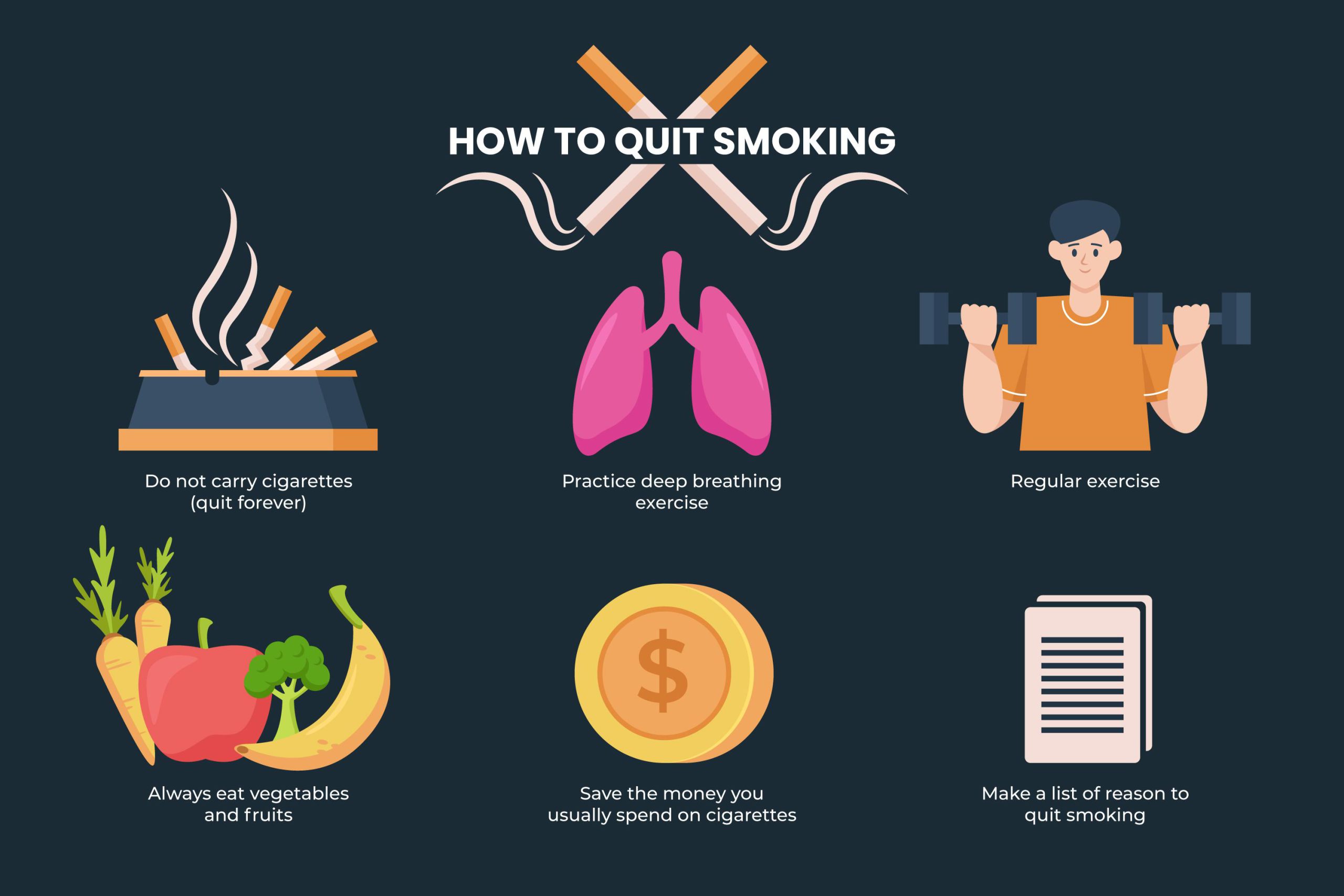
Tobacco urges and cigarette cravings can be strong, but if you are determined, you can stand up against these.

Testing at Thyrocare

Smoking Impact Checkup profile by Thyrocare helps assess health conditions and warns you of any serious illnesses due to smoking. The profile covers 66 tests, including screening for thyroid functions and organs like the kidneys and liver. The profile helps in the early detection of diseases related to tobacco consumption. Some of the important parameters covered in the profile are as follows:

  • Nicotine metabolite: The liver breaks down nicotine into a number of different metabolites, e.g. cotinine, a widely used biomarker for daily nicotine intake. The parameter evaluates metabolite levels in the body.
  • Cardiac risk markers & lipid profile: Smokers are at high risk of heart diseases due to high cholesterol levels.
  • HbA1c and fasting blood sugar: Smokers are more susceptible to diabetes due to high blood sugar.
  • Vitamin B12: Smoking reduces vitamin B12 levels in the body.
  • Carcino Embryonic Antigen: Cancer marker test; high CEA levels can be a sign of certain types of cancers.

Don’t wait, quit today!

Effects of Alcohol on Your Body

At first, you may feel happy and stress-free about drowning your sorrows in a drink. After several drinks, your words will start slurring. By the end of the night, you will barely be standing straight with no coordination between the body and brain and struggling to keep your eyes open. It’s okay to wobble home on rare occasions, but if you are a regular drinker, alcohol affects your health in more severe ways than this. It is bound to give you more than just a hangover.

How much is too much?

While not everyone who enjoys an occasional drink will become alcoholic, this type of drinking behaviour increases the risk of harmful health consequences. Moderate drinking involves one drink for women per day and two drinks for men per day. Binge drinking is when in one sitting, you chug down four or more drinks (women) or five or more drinks (men). Extreme binge drinking is twice or higher than the gender-wise binge drinking baseline. You are a heavy drinker, if you enjoy 8 or more drinks per week (women) or 15 or more drinks per week (men). Also, it goes without saying that if you are younger than 21 years or pregnant, alcohol should not be on your menu at all. A binge or heavy drinker may notice the health effects of alcohol sooner, but moderate drinking also poses health risks.

A peg a day shrinks your brain away…

Experts claim that moderate drinking has protective health benefits. But latest research suggests that even one drink everyday is capable of reducing your brain size. As we age, our brain ages too, but for a heavy drinker, alcohol is like a spirit to the fire in the ageing process. It reduces the size, shape and functioning of brain cells at a faster pace. This affects everything your brain does: ability to think, learn, reason, remember, react, respond, deduce, make decisions, use logic…basically your overall cognitive performance.

In India, alcohol leads to 40% of all road accidents. This is a demonstration of one short-effect of alcohol on your brain activity. Just imagine the damage that has already been done inside so far. So, think before your next drink.

Mental health and losing your mind

Don’t let those initial happy feelings fool you. They fade away as fast as they hit. The chemical changes in your brain lead to more negative feelings, and you’ll soon find yourself depressed, anxious, angry or emotionally charged. Even small things around can tick you off. Heavy drinking over long periods affects your emotions, mood, thinking paradigm and entire personality. It affects your overall mental health and can induce symptoms like bipolar disorder.

Drinking before going to bed helps you sleep better

This is probably the biggest myth you will ever hear and believe.

Alcohol is a sedative. It allows you to fall asleep faster but not peacefully. Alcohol is hard to break down. Your body processes it throughout the night based on the amount consumed. It disturbs your rapid eye movement (REM) sleep, which is absolutely vital to restore mind and body. REM sleep is a phase where we dream the most, and disturbed REM means high chances of vivid nightmares. For instance, any noise or movement in the room can feel like a part of a dream to your mind. Once the effects of alcohol wear off, you’ll find yourself tossing and turning in bed, getting up to pee multiple times and feeling drowsy the next day.

The gut feeling

Stomach is the first organ to have a long contact with alcohol in your body. The side effects of alcohol on the stomach only appear when the damage is done. Unlike other foods, alcohol directly enters your bloodstream from the stomach lining. Once inside the blood system, it is free to destroy everything it comes in contact with. The direct impact is on the liver, pancreas and large intestine. In the short term, heavy drinking gives you gas, bloating, diarrhoea or constipation. Over the years, you can develop painful stomach ulcers and gastritis (irritation of the stomach lining). Additionally, since alcohol is hard to break down, it increases acid content in the digestive tract which gradually raises into your throat. This causes heartburn and makes you throw up if you have lost the count of your drinks.

Is it really good for your heart?

It still remains debatable if moderate drinking is good for your heart health, especially wine. But the catchphrase here is ‘moderate drinking’, and you sure don’t need to pop a bottle every night to reap all the benefits.

An occasion of binge drinking is capable of disturbing cardiac electrical signals, which are needed to pump out blood. Prolonged consumption of alcohol causes disturbed blood circulation, arrhythmia (irregular heartbeats) and high blood pressure. It also stretches and weakens your heart muscles and increases the risk of stroke, heart attack, heart failure and cardiovascular diseases. Since alcohol contains high amounts of calories, it leads to weight gain, obesity and an endless list of cardiac and other health conditions.

Paving way to liver diseases

The relationship between liver and alcohol is probably more toxic than your ex. Although the stomach breaks down some of the alcohol ingested, the majority of it is broken down by the liver. The liver mainly filters out blood and removes toxins from the body. Alcohol breakdown generates lots of toxins and carcinogens, including acetaldehyde. This substance is a poison to cells as it induces inflammatory changes and DNA damage.

Regular drinking builds up excess fat in your liver, making it thicker and fibrous. This excess fat limits the supply of fresh blood to the liver, and the organ fails to gain required nutrients to survive or function to its full capacity. Every time the liver filters alcohol, some cells die off. Several alcohol-related liver diseases can appear over time, including fatty liver, alcoholic hepatitis and cirrhosis.

How alcohol affects your pancreas

Although it remains a mystery as to how alcohol damages the pancreas, one theory is that alcohol molecules interfere with the functioning of pancreatic cells. The pancreas normally produces enzymes and hormones (including insulin and glucagon) and releases them into the bloodstream. The interference affects this production and release. Alcohol toxins and stored-up substances make the pancreas digest itself, causing inflammation and severe damage.

Normally, when blood sugar is high, the pancreas secretes insulin. When blood sugar is low, it secretes glucagon. A proper balance of blood sugar is very important for proper bodily functions. But the damage from alcohol does not allow your body to make enough or effective insulin, which increases the risk of diabetes.

You’ll know it in your bones

Pancreatic damage affects the absorption of calcium and vitamin D, both important for healthy bone development. Without them, your bone density decreases. Bones get thinner, weaker and porous, putting you at risk of bone fractures and osteoporosis. In men, heavy drinking produces less testosterone, a hormone associated with osteoblasts (cells that help bone formation). In women, heavy drinking decreases oestrogen, a hormone needed for bone strength. This is why in women, bone loss is common during menopause as oestrogen levels decline naturally.

On an obvious note, the more you drink, the higher your chances of falling due to impaired brain–body coordination. This also increases the risk of fractures.

Hearing loss…What did you say?

In case you haven’t heard, alcohol impairs your hearing. The auditory nerve in the ear transfers the sound we hear to the auditory cortex in the brain for processing. Heavy drinking damages the nerve and cortex both. Alcohol also alters the composition and volume of inner ear fluid and disrupts tiny hairs inside. Temporary or permanent hearing loss is thus common after drinking. You must have noticed how sometimes having one-too-many drinks leaves a ringing in your head and ears.

Sexual and reproductive health

You might think that drinking alcohol spices up fun in the bedroom. However, in reality, heavy drinking reduces sex drive and production of sex hormone. In men, it affects sperm quality and causes erectile dysfunction. In women, it causes difficulty conceiving and orgasmic latency and affects ovarian reserve and menstrual cycle, increasing the risk of infertility.

Writer Victor Hugo once said

‘The wise man is he who knows when and how to stop’

Our body is constantly talking to us, whether we are aware of it or not. It gives us signals if something is not right within. If you pay attention, you’ll know it’s tired of your drinking habits. It needs your attention and care. Instead of staying late cranking up another bottle, re-evaluate your lifestyle and make healthy changes. It is never too late to start over. Moreover, make room for preventive healthcare as it not only saves money and time but also lives.

Testing at Thyrocare

Sobriety is a journey, not a destination. For this, you need to know the damage alcohol has done to your body till date. Thyrocare has launched Alcohol Impact Checkup and Alcohol Impact Checkup Advanced packages that evaluate 60+ parameters at affordable prices. The profiles help you understand the impact of alcohol on your health, so you can start taking the required steps.

Get tested today!

Hair Fall – Getting to the Root Cause


Remember those ads by Parachute Advansed Hair Oil?
Ye baal nahi hai, ye main hu” the line says it all!

Our hair speaks volumes about our health and well-being. So, if you are suddenly noticing lots of hair on your hair brush or bathroom floor, it could be a sign of underlying health conditions. There are several ways to fix hair fall, but before finding the right fix, it is essential to understand the cause of it.

Book Hair fall Test Now

Hair Fall test designed for male and Female

Genetics at play

One key factor for hair fall is genetics. Genetics determine how your hair will grow (or worsen) with age. Hereditary hair fall is called androgenic alopecia (male pattern baldness or female pattern baldness). We all have 23 chromosome pairs containing genes packed with genetic information. These genes decide all your traits, right from your eye colour to blood type. A pair of sex chromosomes determines your biological sex (women contain XX, whereas men contain XY chromosomes).

The X chromosome contains an AR gene that helps synthesize androgen receptor protein. Changes in this gene increase the activity of androgen receptors in hair follicles, causing shortened hair growth cycle, delayed growth of new hair and shorter weaker hair. Men inherit the X chromosome from their mother, hence the common myth that male pattern baldness comes from maternal family. Now before you get all upset over your mother for your hair fall, know that the latest research suggests that >80% of people with alopecia have a father suffering from the same. Also, hereditary hair fall involves >63 genes, and only six of them are found on the X chromosome.

Lifestyle matters too

Before blaming your parents for anything, consider that problem might also be you. Your lifestyle choices are the second biggest contributing factor to hair fall. Let’s take a look at your enemies that are masquerading as allies in this battle against hair fall.

You are what you eat, and so are your hair

Anything in excess is bad for your health, mainly excess sugar. If you are eating foods high in glycemic index (GI), it is not going to affect only your body but your hair too. Common examples include white bread, white rice, potatoes, refined flour and sweets. High-GI foods disturb the hormonal balance. This further spikes up your insulin and androgens, which bind to hair follicles and cause hair fall. Moreover, if your body is running low on proteins, it will find ways to conserve them, and this includes halting hair growth. After 2–3 months, your hair will start falling out. So, include more proteins and iron in your diet. Also, be sure to eat enough beans, pulses, meat, eggs, fish, nuts, seeds and mineral-rich foods.

Worth the weight?

If you spend almost 9 hours/day sitting and are overall physically inactive, the resulting obesity is going to play havoc with your hormones. When you are overweight, your body goes under extreme stress to produce thyroxine and insulin, causing hormonal imbalance. The link between insulin resistance and hyper/hypothyroidism creates a chain of reactions throughout the body, which affects your hair too. Obesity also hampers your heart functions. With problems like abnormal blood pressure and high cholesterol, you might have to live on medications for life, and prolonged use of some drugs has a tendency to impact hair structure and growth.

It’s not just about weight gain. If you have undergone weight-loss surgery, your hair is at risk of falling too. Post surgery, your zinc levels will likely be low, making your hair dry and prone to breakage. Check with your doctor whether you need zinc and copper supplements.

Skin conditions

Not only our emotions, but our scalp is sensitive too. Various scalp conditions can lead to hair fall. Seborrheic dermatitis is a common culprit. It often occurs near the oil-secreting sebaceous glands on your scalp and skin and causes scaly patches, inflamed skin, itching and dandruff.

Steroids: Gaining muscles or losing hair?

If you are fitness fanatic, you might have taken steroids to bulk up. Steroids increase muscle mass, strength and athletic performance, but they can also strip off your scalp. Steroids can do both: 1) accelerate male pattern baldness and 2) induce hair fall in those who are not genetically predisposed to it. In men, testosterone is the most common steroid hormone. Taking steroids increases the production of testosterone and its byproduct dihydrotestosterone. Both strongly bind to hair follicles, causing them to shrink and shortening the hair growth cycle. This makes your hair thinner, more brittle and fall out fast. So, higher the levels of steroids, higher the damage to hair.

Smoking kills

And it doesn’t get said enough. Be it your heart, lungs, kidneys, brain, teeth, gums or hair, cigarettes induce a slow death that no part of your body can escape. Cigarette components are vasoconstrictors. Meaning? They narrow down your blood vessels and block/reduce blood flow throughout the body. Your hair follicles always require a fresh supply of blood to stay healthy. Reduced blood flow slows down hair growth and damages hair structure. There is simply no good reason to spark up that next cigarette. Just quit!

Relax, don’t stress it

Stress: No one wants it, but sometimes some situations present it in front of us. Cortisol is a primary stress hormone released by your body. The resulting hormonal imbalance causes either of the following:

  1. Telogen effluvium: Stress pushes your hair follicles into resting phase, so that they don’t produce new hair strands and are prone to falling out.
  2. Trichotillomania: Some people under stress have an irresistible urge to pull out hair. This is often a psychological way of handling stress, which leads to hair fall.
  3. Alopecia areata: The body’s immune system can start attacking hair follicles, causing hair fall.

In today’s world, it is an absolute must to prioritise your mental health. You can deal with stress in many ways. Learn some relaxation techniques (meditation, yoga, breathing exercises, etc.), get regular exercise, follow a healthy diet or seek positive-minded company. Remember, be it hair fall or mental health, if there is a problem, there is always a solution.

Medical conditions medications

A wide spectrum of health conditions can cause hair fall, like pregnancy, childbirth, menopause, polycystic ovary syndrome, nutrient deficiencies, thyroid problems, eating disorders, cancer, etc. Certain medications can also exert effects that lead to hair fall. Some common examples include:

  1. Blood thinners
  2. Acne medicines
  3. Antidepressants
  4. Beta-blockers
  5. Cholesterol-lowering drugs
  6. Medications high in vitamin A
  7. Anabolic steroids
  8. Birth control pills

If you are already on medications and experiencing hair fall, consult your doctors for proper guidance.

Treat your hair with care

If none of the above are applicable or make sense as to why you are having hair fall, then maybe it’s time to step back and reconsider your hair care routine. Several mistakes in our routine can damage hair and scalp:

  1. Using too much shampoo
  2. Using chemical products (sulfate-based shampoos, bleach, hair sprays, dyes, etc.)
  3. Brushing hair vigorously
  4. Combing wet hair
  5. Drying wet hair with a towel
  6. Using excess heat on hair (blow dryers, curling/flat iron, etc.)
  7. Tying your hair tight
  8. The list might be too long to continue…

Testing at Thyrocare

Our body is always giving signs and symptoms of potential health problems. So, instead of visiting your doctor tomorrow (which never arises), get regular health check ups for prevention and early diagnosis. Thyrocare has launched Hair Fall Screening Advanced Profiles for men and women. The profiles evaluate over 40 health parameters and help you get to the root cause of your hair fall. Don’t delay and get tested today!

Do I Have Diabetes? How do I know it?

0

In this article we will know about Symptoms Of Diabetes

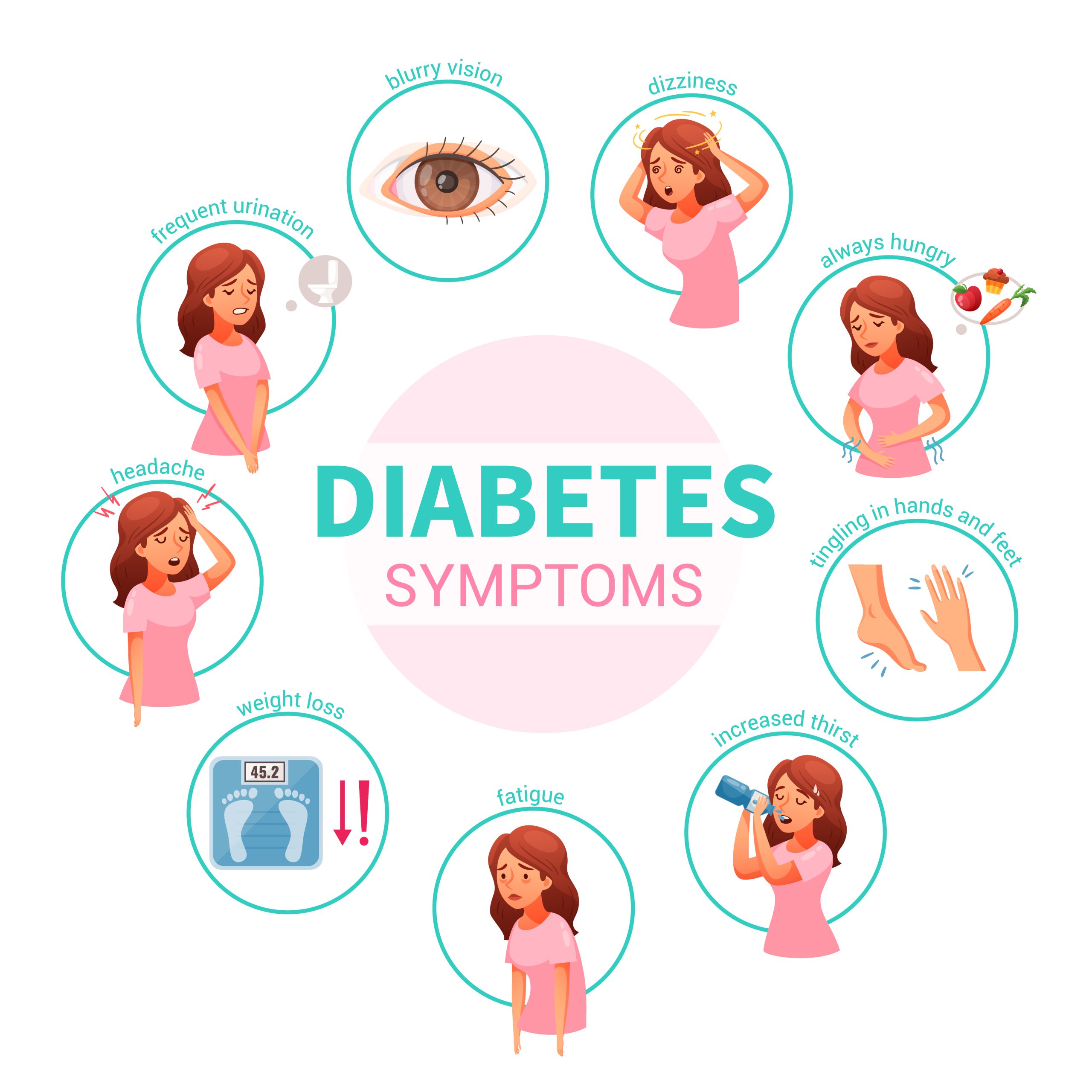
Diabetes is a chronic ailment, which has to be monitored on a regular basis. Many people complain about the abrupt occurrence of this health concern without previous warning signs or symptoms.

How do I know, if I have diabetes?

What indications hint at the presence or Symptoms Of Diabetes? Generally, the symptoms are mild during the early phase of Type 1 Diabetes and only become apparent after reaching a higher level. The severity of type 1 diabetes is more than Type 2 Diabetes. You also need to be watchful about your health and take preventive actions to abate the occurrence of it.

Common Signs & Symptoms Of Diabetes 

  1. Fatigue and Hunger – In the case of diabetes, either the body is incapable of making insulin or the cells cannot up-take the insulin that is present in the body. The cells become devoid of glucose, which causes fatigue and hunger.
  2. Hazy Vision – Alterations in fluid levels could lead to a swollen lens, changing the shape and focus.
  3. Frequent Urination – A person urinates four to seven times a day. However, a diabetic person experiences frequent urination. This is because the kidneys are unable to reabsorb the glucose because of high blood sugar levels, which leads to the formation of more urine.
  4. Thirst – Frequent urination results in increased intake of fluids, thus more thirst.
  5. Itchy skin and dry mouth – The body releases all the fluid in the form of urine, therefore, a very less amount of moisture is available for other things. This causes dry mouth and dry skin, which causes irritation.
  6. Infections – A person might experience a yeast infection. This is common in both men and women. Glucose is food for yeast, and in the case of a diabetic person, it is present in plenty, therefore, the infection.
  7. Sluggish healing process – The presence of high blood sugar in the body affects the blood circulation and eventually causes damage to the nerve. This makes the healing process difficult.
  8. Numbness or pain in legs or feet – Nerve damage could result in pain and numbness.


It is always advisable to stay alert and notice what your body expresses to you. You can make use of preventive health checkup plans to keep a track of your health. Moreover, consult your doctor immediately, in case you come across any of the above symptoms of diabetes.

For early detection and regular tracking of your blood sugar level, opt for the HbA1C Test at Thyrocare or choose from a wide array of affordable and comprehensive diabetes profiles here. Centered around its state-of-the-art laboratory, Thyrocare provides accurate results while being able to boast a turn-around time of fewer than 24 hours.


Corporate Wellness : Invest in your Employee’s ‘Health’

Corporate Wellness

In our day-to-day life, we are so busy balancing everything from the office to home and socializing with friends that we often end up ignoring our health. Somehow we try to put some effort like jogging, exercising, and engaging in a sport and make them a part of our routine but does it really happen?. What if we take efforts to maintain our wellness at the workplace since we spend a majority of our time there. Just imagine, if you could spare a little time daily for your wellness at work then, you need not worry about dedicating an extra hour for a workout. A lot of time could be saved and the efficiency of your performance will automatically improve.

Nowadays, many companies do organize corporate camps offering their employees preventive health checkup packages at discounted rates, helping them monitor their health and well-being, indirectly ensuring increased productivity levels. Such practices of creating awareness about their health is beneficial for both employer and employees. Due to this, the popularity of employee fitness and wellness programs has shown a tremendous rise.

1st to 5th July is celebrated as ’Corporate Wellness’ Week so, grab this opportunity to lower your business costs by investing in your staff. If you need some ideas to promote employee wellness, here are a few innovative ways in which you can conduct corporate health and wellness programs.

Social Networking: Believe it or not but social media plays a crucial role in engaging people these days. You can send them invites for attending a health checkups camp or any special offers or packages you have for them. This can also be useful to create curiosity and spread awareness about the benefits of health checkups so that maximum employees become aware of it and attend the event. You can also conduct social media contests within the organization on how crucial a preventive health check can be for every individual working for long hours continuously and can give away free preventive health services to winners.

Technology: These days most companies have their own App offering a range of activities and services from logging in to booking food for the canteen. One can also promote health care services with special discounts through their company App for their employees, Company website can be used to advertise along with different channels within the organization to engage maximum employees.

Creativity: Come up with a unique strategy to promote and successfully run any healthcare initiatives in your company. While planning, keep in mind a few short-term and long-term goals for the employee and the employer. If your purpose is to cater to the healthcare needs based on any current widespread disease that is trending in the news then, chances are that maximum people may turn up for the event.

Awareness: Only health checkups won’t be sufficient to maintain your employee wellness but it will have a cumulative effect due to their awareness about health problems, communication regarding them, and encourage them to engage in some form of physical activity or even ‘Yoga’ incorporate. Conducting motivational health sessions addressing deleterious habits such as smoking, drinking, etc, and encouraging them to quit could be life-changing for your employees. A lot of the simple issues and problems relating to improper postures and their effects on employees who are sedentary for long periods can be solved by promoting ergonomics in the office.

So, irrespective of the brand, field or workflow of a company, emphasis should be on the health and wellness of every individual as, the healthier the employee gets, the wealthier the company will be.

10 Signs & Symptoms Of Thyroid Issues In Women

Signs Of Thyroid Issues in Women

Thyroid Issues In Women Symptoms, The butterfly-shaped thyroid gland is an important part of the endocrine system which helps in regulating hormones in the body, thereby, maintaining growth, energy, and metabolism in an individual. However, over-or under-use of the thyroid gland often leads to health issues such as Hyperthyroidism and Hypothyroidism. Usually, women are five to eight times more prone to thyroid problems than men. Here are a few signs that help to identify thyroid symptoms in girls.

1. Change in Weight

Hypothyroidism slows down the metabolism as a result of the reduced activity of the thyroid gland. This leads to weight gain in girls. The reverse is true for hyperthyroidism, wherein, over-activity of the thyroid gland leads to weight gain.

2. Constipation

With a slow metabolic rate in hypothyroidism, another common symptom of thyroid observed in girls is constipation. One can notice this by the less number of washroom visits, whereas in hyperthyroidism the washroom visits increase but the stool is not super-solid.

3. Feeling Fatigued & Muscle Aches

A noticeable thyroid symptom in girls is feeling dull and less energetic. Another set of prominent thyroid symptoms in girls is feeling muscle aches, weakness, and joint stiffness which ends up making the individual feel tired and lazy throughout the day. In both, hypothyroidism and hyperthyroidism, a change in metabolic rate results in an imbalance in the overall system. Hence, a woman should go for a Thyroid Test regularly.

4. Mental Health Issues

Hypothyroidism often leads to depression in girls, whereas in the case of hyperthyroidism it feels more irritable, anxious, and tremulous. In both cases, people lose their mental control and often are advised to seek mental health therapy.

5. Irregularity in Periods

Hyperthyroidism causes less blood flow as compared to hypothyroidism, which results in heavy blood flow. Either way, this is harmful to the normal menstrual cycle of the body and hence, becomes an essential thyroid symptom in girls to be identified and get treated.

6. Hair and Skin Change

Identifying thyroid symptoms in girls is thinning of hair and the drying texture of the skin. Both cases of thyroid cause these changes in the texture of hair and skin in girls.

7. Change in Blood Pressure

Hyperthyroidism increases blood pressure and hypothyroidism slows down the blood pressure. Either case is harmful to the body because in the long run it would affect a host of organs and tissues and result in heart failure.

8. Puffiness in Eyes & Lower Body

Both hyperthyroidism and hypothyroidism can cause puffy, protruding, dry, irritated eyes and some visual changes too. Sudden noticeable swelling in the feet, ankle joints, knees, and hips is a sign of fluid retention, caused due to hypothyroidism.

9. Change in Body Temperature

Temperature sensitivity could be a possible thyroid symptom in girls because hypothyroidism makes the body feel cold more than the normal temperature whereas hyperthyroidism makes the body more heat sensitive.

10. Change in eyebrows

In most cases, the thinning of eyebrows around the corners is due to hyper- and hypothyroidism in girls and requires immediate attention by a physician.


Can Obesity Increase the Risk of Cancer?

Obesity Risk

Can Obesity Increase the Risk of Cancer? People are more terrified of smoke and tobacco, what about the junk we consume!!

What is Obesity?

Obesity is a condition in which a person’s body has more than the required amount of fat deposition and this can obstruct normal functioning.

What can make you obese?

  • Excessive food intake.
  • Unhealthy high fat and sugar-containing diet
  • Lack of physical activity.
  • Genetic factors
  • Improper sleep pattern
  • Certain medical conditions

When is one termed as Obese?

One is considered obese if the ratio of weight and height (Body Mass Index- BMI) is greater than 35kg/m2. It is suggested by World Cancer Research Fund (WCRF) to maintain a BMI between 21 to 23 kg/m2.

Obesity and Cancer- The Link!

Obesity has been found to be linked with different types of cancers involving the breast, esophagus (food pipe), endometrium stomach lining, intestines, and many others.

  • The body cells follow the mechanism of the blackboard and the book. The manner in which information from the blackboard is copied in the book, likewise the cells replicate (copy) themselves and make identical cells.
  • But sometimes errors may occur and the copies are not the same as the parent. These cells are termed “mutated cells”.
  • This mutation results in making multiple copies of the cells than actually required; an excess number of cells demands more energy.
  • An obese individual tends to have a higher amount of fasting blood glucose which allows these mutated cells to multiply easily.
  • The uncontrolled division results in many biological dysfunctions like the increased release of human growth hormone; in turn, resulting in the production of more such cells.
  • Increased secretion of sex hormones like estrogen, progesterone, and testosterone produces fat cells which stack up in their body tissues.
  • Tumors tend to invade the adipocytes, which are fat cells present excessively in obese individuals.

Better Now Than CHEMOTHERAPY

Healthy lifestyles and physical activities are modifiable causes of obesity. CANCER? Yes!! The occurrence of cancer can be reduced by testing yourself at right time and living a bulge-free life!!

“Choice of lifestyle or Compulsion of medicine. Needs to be decided !!”