Home Blog Page 2

Everything You Need to Know About Diabetes Tests

0

Diabetes is a disorder in which your blood sugar levels increase beyond normal levels. Diabetes causes adverse effects, such as heart disease, kidney / liver disease, nerve damage, and problems with feet, oral health, vision, and hearing. Symptoms of diabetes often appear suddenly. Get a diabetes test if you experience any of the following symptoms:

Symptoms of Diabetes

Who Should Get A Diabetes Test?

Get a diabetes test if you:

4 Common Blood Tests for Diabetes

  • HbA1c Test

An HbA1c test determines sugar levels in the body. It checks for average sugar levels for the past 2 – 3 months. The test is recommended for diagnosing and monitoring blood sugar mainly in type 2 diabetes. Unlike other blood tests, this test does not require fasting and is a good marker for long-time sugar control. An A1c level below 5.7% is normal, 5.7%–6.4% indicates prediabetes, and 6.5% or more indicates diabetes.

  • Fasting Plasma Glucose Test

This is a simple and common way to diagnose prediabetes, diabetes or gestational diabetes. The abnormal test results mean that the patient has an alteration in blood sugar levels. This test requires at least 8 to 12 hours of fasting. A fasting blood sugar level of 99 mg/dL or lower is normal, 100–125 mg/dL indicates prediabetes, and 126 mg/dL or more indicates diabetes.

  • Postprandial Plasma Glucose Test

Testing blood glucose levels after 2 hours of having a meal is called postprandial blood sugar (PPBS) test. It checks how your body utilizes glucose after a meal. Normally, PPBS level less than 140 mg/dL is normal and that less than 180 mg/dL indicates diabetes.

  • Random Plasma Glucose Test

Random Plasma Glucose Test allows for determining the level of blood glucose in the body at any time, no matter when one ate last. If your random plasma glucose levels are 200 mg/dL or above, it suggests diabetes.

Diabetes does not have a cure, but the good news is it’s absolutely manageable (or preventable if you don’t have it) with healthy lifestyle choices and regular health checkups. Keep your glucose in check to be in charge of life.

Malaria Vs Dengue

0

Malaria and dengue have some common symptoms, but the two infections also have some differences. Let’s understand the differences between malaria and dengue.

Basics of Malaria:

  • It is caused by plasmodium parasites, which spread to people through the bite of infected female Anopheles mosquitoes
  • Young children < 5-year and pregnant female are most susceptible to malaria
  • Its transmission depends on climatic conditions with peaks during and just after the rainy season

Basics of Dengue

  • It is a viral disease transmitted by female mosquitoes Aedes aegypti or albopictus
  • Dengue virus often shows mild flu-like symptoms, but occasionally these can develop dengue haemorrhagic fever, a dangerous condition
  • Your WBC and platelet count in the blood show extreme drop

Common symptoms shared by Malaria and Dengue fever are as follows:

Differences between Malaria and Dengue Symptoms:

Malaria:

Symptoms usually appear 10–15 days after the infective mosquito bite, which can include:

Dengue:

Symptoms usually persist for 2–7 days, after an incubation period of 4–10 days after the bite from an infected mosquito. Dengue should be suspected when a high fever (40°C/104°F) is accompanied with two of the following symptoms:

Warning signs for severe dengue include: 

If you are experiencing any of the above symptoms, get tested immediately.

Important Tests for Thyroid Health

0

The thyroid is a butterfly-shaped gland located in the front part of your neck that affects most organs in your body. It secretes two hormones, namely triiodothyronine (T3) and thyroxine (T4), which enhance nearly all the functions of your body, including metabolism, body weight, and temperature.

What Are The Problems Associated With The Thyroid Gland?

Abnormal levels of T3 and T4 hormones might cause thyroid-related disorders.

  • Hypothyroidism 

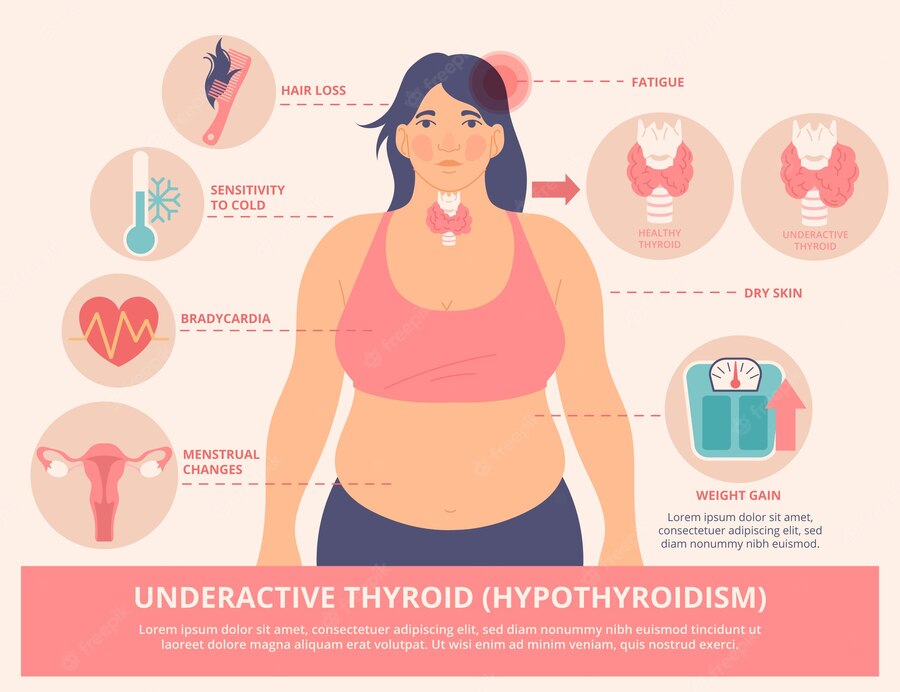
It is a metabolic condition where your thyroid gland does not produce enough thyroid hormones. Its symptoms include weight gain, fatigue, dry skin, constipation, hair loss, etc.

  • Hyperthyroidism 

It is a metabolic disorder which involves excess secretion of thyroid hormones. Its symptoms include irregular heartbeats, weight loss, anxiety, weakness, increased hunger, increased sweating, etc.

Important Tests for Thyroid Health

Thyroid function tests are done by withdrawing blood from a vein in your arm. These blood tests help check if your thyroid is functioning properly. Also, the tests help monitor treatment in people with already existing thyroid problems.

  • T3 and T4 Test:

The thyroid gland primarily produces T4 along with T3 in smaller amounts. T3 and T4 tests help evaluate thyroid functions. These tests measure the level of T3 and T4 hormones in the blood. High levels of these hormones indicate hyperthyroidism whereas low levels indicate hypothyroidism.

  • Thyroid Stimulating Hormone (TSH) Test:

The pituitary gland secretes TSH. Testing TSH is the most significant way of monitoring how well your thyroid gland is functioning. If the thyroid gland is secreting too much thyroid hormone, the pituitary gland releases less TSH and vice versa. Hence, TSH along with T3 and T4 tests aid in the detection of thyroid problems effectively.

  • FT3 and FT4 Test:

    FT3 and FT4 are the free forms of the thyroid hormones. High levels of free thyroid hormones in the blood may indicate an overactive thyroid, whereas low levels may indicate an underactive thyroid.

  • Antimicrosomal and Antithyroglobulin Antibody Test:


    Some patients develop autoimmune diseases, in which their immune system attacks their own cells and organs. Hashimoto’s Thyroiditis is one such disorder that affects the thyroid and increases levels of specific antibodies. Antimicrosomal and antithyroglobulin antibody tests help detect such antibodies.

  • Neonatal TSH:

Neonatal TSH is useful for detecting thyroid diseases in infants.

  • Ultra Sensitive TSH:

This is the rapid way of detecting thyroid disorders. An ultra-sensitive TSH test allows early detection of any rise in TSH levels.

Benefits of Regular Thyroid Testing

Don’t forget to keep a regular track of your thyroid function with the help of thyroid tests.

  • Thyroid testing evaluates the level of thyroid hormones. Thus, effectively help diagnose thyroid-related disorders.
  • It checks the effectiveness of treatment or management plans for thyroid disorders.

Regular thyroid testing not only helps in the diagnosis of thyroid disorders but also helps determine other related conditions such as high cholesterol, hypertension and diabetes.

COVID Omicron Variant BF.7

The word ‘COVID’ takes me back to the lockdown period when everyone was waiting for the pandemic to be over. Doctors were doing everything possible to save lives, and researchers were trying to develop vaccines. But coronavirus (SARS-CoV-2) was mutating and spreading like wildfire. So far, in India, coronavirus has affected more than 4 crore people, claimed over 5 lakh lives, and made innumerable families suffer. Just as we thought we had the pandemic under control, a new variant—BF.7—has emerged! But what is the new variant? What are its symptoms? What are its do’s and don’ts? Here’s everything you need to know about COVID Omicron Variant BF.7.

What is the COVID Omicron Variant BF.7?

Just like any other virus, coronavirus keeps changing its characteristics to adapt to its surroundings. This allows a virus to move more effectively from host to host. These mutations create variants and subvariants. BF.7 stands for BA.5.2.1.7. The BF.7 variant is a descendant of the BA.5 Omicron variant. In simple terms, BA.7 is an offspring of the BA.5 strain of COVID-19.

What distinguishes BF.7 from other COVID variants?

Though BF.7 belongs to the family of Omicron variants of coronavirus, it has a few unique characteristics. BF.7 can escape the immunity developed after vaccination, thus infecting even vaccinated individuals. It has a basic reproduction number (RO) of 10 to 18.6. Meaning? An infected person can transmit the virus to an average of 10 to 18 people—highly contagious. It has a shorter incubation period, and patients can test negative even after 7-10 days of infection.

Should we worry about Omicron Variant – BF.7?

Since its discovery, Omicron BF.7 strain has been found in many countries, including China, the US, European countries, and India. Considering the high transmission rate of BF.7, the number of people it can infect is the primary concern. This makes early detection and isolation even more critical.

Symptoms of Omicron BF.7

People with weak immune systems and pre-existing medical conditions are more likely to develop severe illnesses due to BF.7 variant. The symptoms include:

  • Fever
  • Sore throat
  • Cough 
  • Runny nose
  • Headache
  • Breathlessness
  • Vomiting
  • Diarrhea
  • Fatigue

Are You at Risk?

Individuals with weaker immune systems, such as children, older adults, pregnant women and those with comorbid conditions (heart disease, diabetes, asthma, etc.), are at a higher risk of infection. Unvaccinated people and smokers are also at risk of getting infected.

What Steps to Take to Prevent BF.7 Infection?

It’s always better to be safe. Start with simple precautions. Get COVID vaccination and booster dose as these help avoid complications that might arise due to infection. The important preventive measures to curb the spread of COVID-19 are:

  • Use masks and sanitizer
  • Regular hand washing
  • Avoid crowded places
  • Social distancing
  • Get a booster dose
  • COVID test: Get a COVID test immediately and isolate yourself if you come in close contact with an infected person. Sometimes, COVID-19 infection can be asymptomatic. So, if you’ve been to a crowded place lately or have travel plans in the pipeline, get a test.
  • Don’t ignore symptoms such as cold, cough and fever, and visit a doctor immediately. Get regular health checkups to keep track of your overall health. 
Be Alert & Be Safe!

Simple Desk Exercises To Stay Fit At Work

If your neck and shoulders ache after a 9-5 shift everyday, you’re not alone. All of us face it every now and then. Desk-bound jobs can have serious effects on your health that go deeper than just neck and shoulder aches. Sitting for long hours and being physically inactive puts you at the risk of obesity, diabetesheart diseases, eye strain, back pains, and much more. It hampers your mental health too. But don’t lose heart yet. You can tackle this in some easy ways. We present to you simple desk exercises that help you stay fit and productive at work.

  1. Stretch It Out

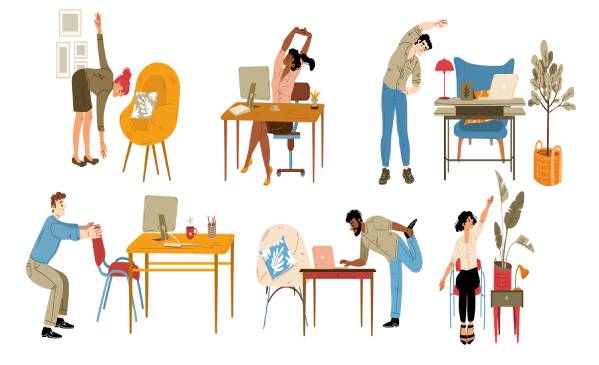
Stretching is the best way to release your bodily stress. Stretching protects you from any health issues that are likely to be caused by physical inactivity. At least once every hour, stretch out your neck, arms, waist, back and legs. This loosens up your muscles and your body will feel much relaxed and tension-free.

  1. Desk Push-ups

Stand up. Go two steps back from the desk. Keep your feet together, lean forward on the desk and press your hands against it. Make sure your hands are shoulder-width apart. Push your chest towards the desk. Now push back. That’s it. Now repeat it 15 times. It builds your upper body strength and improves posture.

  1. Neck Rotations

Neck is probably where you evidently feel the tension and stress from sitting down and typing away on your laptop for nearly 9 hours straight. You can quickly relieve it with some simple neck rotations. First, sit in your chair and bend your head forward. Rotate your head slowly in a clockwork motion and then anti clockwork. Now repeat this 5-10 times and see how your neck feels better.

  1. Shoulder Rotations

Crouching over a desk all day everyday puts a lot of tension on your shoulders too. Shoulder rotations can help relieve some of that pain. Rotate your shoulders forward and then backward, both clockwork and anti clockwork. Repeat this 10-15 times for relief.

  1. Tricep Dips

Before getting into this one, make sure your chair/desk is stationary or doesn’t move around when you use it as a support. Stand in front of the chair with your back to it. Put your palms on the verge of the chair. Bend your elbows and lower your body towards the floor till your elbows are parallel to the floor. Go back up again and repeat at least 10 times.

  1. Under-the-desk Leg Workout

Sit straight in your chair. Your feet should be flat on the ground. Now lift one leg and straighten it till it is parallel to the floor. Hold this position for nearly 10-20 seconds. Move the leg slowly back and repeat with the other leg. This makes one cycle. Do 5-10 cycles. This is a good cardio workout that keeps your lower body fit.

  1. Squat Hold

Stand with your feet shoulder-width apart. Put your hands behind your head. Now, bend your knees to the ground. Also, push your hips backward. Lower your body until your thighs are parallel to the ground and hold this position for 10 seconds. Now go back to the starting position. Repeat this 10-15 repetitions.

  1. Take A Small Walk

We understand that it might not be possible to step outside of the office, but you can step out of your comfort zone a little. Get away from that chair for a while and take a short walk in the corridor, campus, floor, whatever works. You can also walk around when you are on calls. Walking keeps you fit and acts as a quick stress-buster.

  1. No To Elevator, Yes To Stairs

Be it your office or home, if there is a staircase, just go climb it. This is an excellent workout that works wonders for your heart and body. Staircase climbing helps you burn double the calories in half the time than when you run and thrice more than walking. 

Benefits of desk exercises:

Busy with daily meetings and tight work schedules, we often fail to take care of our health. Nevertheless, these exercises help you manage your stress levels; improve performance, focus, productivity, and creativity; reduce sedentary time; improve mental health and mood and help you sleep better. Without a doubt, you will be better able to deal with people. Give these exercises a try to see the difference yourself!

10 Easy Tips To Treat Dry & Damaged Hair

We all want healthy lustrous hair and flaunt them with confidence everywhere we go, but a single #badhairday can make all the hell break loose. But don’t worry, you can fulfill your dream of healthy hair with proper hair care. Check out some easy tips to treat dry damaged hair.

1. Oil Your Hair Often

Oiling and massaging work wonders for your hair. It improves blood circulation, relaxes your muscles, nourishes your hair and makes them shiny. It also moisturizes your hair, promotes hair growth, and fixes split ends. There is a variety of hair oils to choose from, like coconut oil, almond oil, olive oil, castor oil, etc.

2. Regular Hair Wash

Regular hair wash makes sure that your scalp and hair are free from dirt, pollution particles, and excess oil. But keep in mind that the right frequency of hair wash depends on your hair type. If you have dry hair, keep hair wash limited to twice a week. In case of oily scalp, hair wash on alternate days can help.

3. Stay Away From Chemical-based Shampoos

You can’t control all the environmental factors that damage your hair, but you can always control your shampoo choices. Go for gentle keratin-rich shampoos that are free from chemicals, like sulfate and parabens. Regular use of chemical-based shampoos can cause skin irritation and hamper your hormonal balance.

4. Condition The Right Way

Conditioner has many benefits. It prevents hair damage and dryness, tames frizzy hair, and makes your hair shiny and manageable. Based on your preferences, you can go for a traditional conditioner (shampoo-apply-wash off) or a leave-in conditioner. Make sure you apply it to hair tips and not scalp.

Book Vitamin Profile and Get 20% Off

5. Blow Dry? No, Air Dry Your Hair

Many of us sit in front of a mirror, blow drying our hair and mimicking our favorite actors from hair-styling ads. Well, stop doing that right now. Excessive heat-styling damages your hair, making them dry, rough and frizzy. Air- or towel-drying after shampoo is the best and most effective way to healthy hair. While using a towel, always go gentle. Harsh drying can damage your hair cuticles.

6. Comb Through

If you comb your wet hair with a narrow-toothed plastic comb, they can easily break off. Plus plastic makes your hair even more prone to damage with all the static friction it creates. Dry your hair naturally first and use a wooden wide-toothed comb to prevent hair damage.

7. Regular Hair Trimming

Regular trimming is a must to manage your split ends. Split ends occur when your hair is damaged from heat-styling products, pollution, smoking, stress, etc. Trimming won’t make your hair grow faster, but it ensures healthy hair growth.

8. Hydrate, Hydrate, and Hydrate

Water is the source of light, for your hair too! You may be using hydrating hair care products and oils, which is a must, but drinking an adequate amount of water everyday is also important for healthy hair. Make sure you drink up at least 3-4 liters of water every day.

9. Eat Healthy

Just like your body, your hair needs the right nutrition to stay healthy. Eggs, green leafy vegetables, berries, nuts, fish, etc. are great for your hair. Doesn’t matter if you are a vegetarian or non-vegetarian, make sure you get your daily dose of protein, vitamins and minerals for healthy hair.

10. Regular Health Checkups

Hair damage indicates underlying health problems, like thyroid dysfunction, hormonal imbalance, vitamin deficiencies, and much more. It is absolutely vital to get a regular hair checkup to detect any potential health problems. Try scheduling regular health checkups at least once every 6 months.

Shedding Light on Vitamin D Deficiency

When someone says vitamin D, as a 90’s kid, my first thought goes back to Calcium Sandoz and its happy-puppy bottles. Although I loved collecting them for the container more than the health benefits, it was probably the first time I came across the term “Vitamin D.”

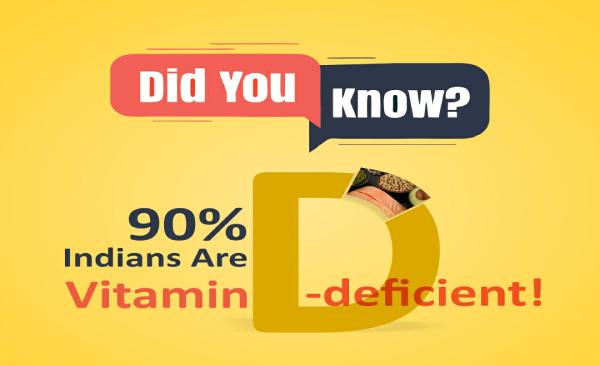
Vitamin D is an essential nutrient, and our body produces it as a response to sun exposure and through some dietary intake. It is important for bones because it helps absorb calcium and phosphorus. Your body can run low on vitamin D due to many reasons. Once you start noticing certain signs and symptoms, take it as a wake up call to get tested.

Causes of Vitamin D Deficiency:

You become deficient in vitamin D for different reasons as follows:

  • You don’t get recommended levels of vitamin D from your diet.
  • You don’t get enough sunlight.
  • Your liver/kidneys cannot convert vitamin D to its active form.
  • Your digestive tract cannot adequately absorb vitamin D.
  • You are on medication that affects the body’s ability to convert/absorb vitamin D.
  • Your skin has a dark complexion.
  • You are obese or overweight.
  • You are a smoker.

Book Vitamin Profile and Get 20% Off

Common Symptoms of Vitamin D Deficiency:

  • Aching muscles: Vitamin D is essential for keeping your muscles healthy. Without it, your muscles become weak and achy.
  • Painful bones: Vitamin D helps your body absorb calcium, and calcium is the building block of your bones. Without it, your bones get weak, lose strength and feel painful.
  • Fatigue: Vitamin D is essential for cell metabolism and bone strength. Without it, you may feel tired and low on energy constantly. Performing routine activities can also feel like taking on a challenge because of depleted energy levels.
  • Binge eating: When you’re running low on vitamin D, no matter how much you eat, you are not likely to feel full in your stomach. Ultimately, you’ll find yourself overeating or binge eating.
  • Weight gain: Needless to say, overeating is going to land you on the doorstep of weight gain and obesity. Vitamin D keeps your metabolism stable. Without it, your metabolism slows down, and you may find it difficult to lose weight.
  • Low moods: Vitamin D boosts your happy hormone serotonin, which keeps your mood stable. Without vitamin D, you may find it difficult to be cheery and have a healthy attitude towards life. You may experience frequent mood swings.
  • Losing hair: Vitamin D is essential for the hair growth cycle. It stimulates new and old hair follicles. Vitamin D deficiency causes impaired hair growth and dull damaged hair. 
  • Reduced brain functions: One sign that you have vitamin D deficiency is that you’ll find it difficult to remember or think. This is because vitamin D keeps your brain healthy, and its lack would definitely not bring desirable effects.

Testing To Detect Vitamin D Deficiency

Blood tests are the best way to understand vitamin D levels in the body. They also help screen and monitor bone disorders. Three important blood tests to evaluate vitamin D levels are:

  • 25-OH Vitamin D (total) test: to measure the total amount of Vitamin D (active & inactive) in the body
  • Vitamin D 1,25 – Dihydroxy test: to measure only the active form of Vitamin D present in the blood
  • Vitamin D3 test: to confirm vitamin D deficiency

An apple a day won’t always keep the doctor away. Sometimes, you need an appropriate diet rich in vitamins, minerals and all essential nutrients. A short walk outside under the sun can also suffice. Utilize a natural source of vitamin D as much as you can & stay healthy.

Healthy Diet For Managing Diabetes

0

Since 2nd century AD, diabetes has been one of the greatest mysteries and challenges in the medical world. Today, diabetes is a health concern worldwide. Diabetes has no cure, but it is certainly manageable by making some healthy lifestyle changes, mainly in your diet. Let’s take a look at the perfect diet for effectively managing diabetes.

First thing’s first. Track your weekly eating habits by checking the following questions:

  • Do people, friends, family and colleagues influence what you eat?
  • Do you plan your meals before time or give in to last-minute cravings?
  • Do you read nutritional labels on food packages?
  • How often do you go out to eat and where?
  • What makes it harder to eat healthier?
  • How often do you smoke or consume alcohol and how much?

You Are What You Eat

You have probably noticed that someone who works out everyday but does not follow a proper diet has a hard time losing weight. This is because your diet plays a crucial role in weight management. An ideal diet does not need to be hard and fast or have a popular name or be endorsed by famous celebrities. It just needs to have the following three secret ingredients:

  • Moderation: Whatever you eat, practice portion control.
  • Balance: A well-balanced diet of fruits, vegetables, dairy, grains, and protein
  • Variety: A diet that gives you all the nutrients you need

For diabetes, the diabetes plate method or 9-inch plate method is the best and easiest way to ensure a healthy meal.

  • Half of your plate should contain non-starchy vegetables: green vegetables + red vegetables + fruits
  • One quarter of your plate should contain food enriched with lean protein, including nuts, eggs, and chicken)
  • The last quarter of your plate should contain grains and starchy food like oats and potatoes. You can replace starch by doubling up non-starchy food portions (just ensure it’s not loaded with cheese, butter or exotic sauces).
  • Pair it with water or a low-calorie drink.

Limit your alcohol intake: Moderate drinking can benefit your health, but too much alcohol consumption can lead to weight gain which ultimately increases diabetes risk.

Avoid processed foods: Fast foods are usually high in fats, calories, and salt content. Fried or oily foods should be skipped and instead opt for healthy replacements at restaurants or cook for yourself.

Spice up your taste: Certain spices can reduce the risk of developing diabetes. Cinnamon is one that can improve glucose metabolism. Supplementing other foods with cinnamon can help to reduce blood sugar levels.

Avoid sugary drinks & instead indulge in sipping coffee or tea: Drinking sugary beverages increases the chances of diabetes as they have high glycemic content. Instead drink more water, coffee, or tea. This aids in metabolizing the sugar and regulating insulin secretion.

Life is not over because you have diabetes. If you know how to manage it right, you can lead a long good-quality life.

8 Skin Care Mistakes You Don’t Know You’re Doing

0

If you are confused about which skin care regimen and products are best for your skin, just Google it. Thousands of options will be available just at a click of a button. They will tell you which products to use, which not to, which brands to use, etc. but there are 8 skin care mistakes you’ve been making without even knowing. Let’s dive right into it.

  1. Not hydrating enough

Water is the source of life, and for your skin too. If your skin appears too dry, itchy and dull with uneven skin, under-eye patches and noticeable fine lines, it’s a clear indication of dehydrated skin. The good news is that you can treat it with some lifestyle changes. First and foremost, drink plenty of water, use lukewarm water while showering, and don’t forget your moisturiser.

  1. Not getting your beauty sleep

A late night at work, a dinner with friends, mindlessly scrolling through social media, and before you know it, the alarm starts going off in the morning. It’s easy to fall into the trap of sleeping less than required. Sleep is the time when your body repairs itself; along with the brain and muscles, this stands true for your epidermis also. During sleep, your skin’s blood flow increases. The skin rebuilds collagen, which helps strengthen the skin and increase its elasticity and hydration. Sleep repairs UV damage and reduces wrinkles and age spots. If you’re not getting enough sleep, it might age faster and not be strong enough to recover from environmental stressors. 

  1. Not eating right

The proverb “You are what you eat” is true even when it comes to skin care. Eating green leafy vegetables and fruits is a surefire way to keep your skin healthy. Make sure your diet is enriched with nutrients like vitamins, minerals and fatty acids for a nourished firm plumped up skin. And don’t forget to limit your caffeine and alcohol intake.

Book Skincare Profile and Get 20% Off 

  1. Not working out

While sweating does not sound desirable, it has so many benefits on your skin. Sweat reduces body temperature and prevents your skin from overheating. Exercise leads to sweat flushing out toxins from your pores. The sweat helps increase blood flow to your skin. 

  1. Taking too much stress

The daily stress you take is not adding to anything better. When you’re stressed, your body releases hormones like cortisol and adrenaline. These chemicals increase oil production in your skin glands, causing clogged pores and acne breakouts. Try some relaxation techniques like meditation, yoga, breathing exercises, developing a new hobby, listening to your favourite music, going for a walk…anything that makes you feel relaxed.

  1. Smoking

Smoking doesn’t make you look cooler, but it definitely makes you look older. Nicotine and other toxic chemicals in a cigarette contribute to premature ageing of the skin. The chemicals reduce fresh supply of blood to the skin. This makes your skin look paler and wrinkly. Also, repetitive squinting of eyes and lip-pursing while taking a drag contribute to lines around your lips and eyes.

  1. Using sun protection only in summers

If you believe that sunscreen is only for summer months or beach purposes, you’re wrong! Irrespective of the season, sunscreen should make the top of the list in your daily skin care routine. Why? Because the sun and its harmful UV rays make your skin age faster by giving you dark spots, wrinkles, fine lines and less skin elasticity.

  1. Not getting regular health checkup

Skin issues indicate underlying health problems, such as thyroid dysfunction, hormonal imbalance, vitamin deficiencies, autoimmune disorders, allergies, and any infections. It is absolutely vital to get a regular skin check to detect any potential health hazards. Try scheduling regular health checkups at least once every 6 months.

Testing at Thyrocare

Your skin is your first layer of defence. It shields us, and we need to shield it too by getting it tested for any signs or symptoms. Thyrocare offers ‘Women’s and Men’s Skin Care Checkup’ that evaluate 30+ parameters to assess the health of your skin as it reflects your health. Get tested today!

International Men’s Day 2022

0

He hits off an alarm and begins his day. Shaking off his fears, he steps out to take on endless challenges. He may not answer your calls or spend time with you for days. Far away from home, in the corporate world, he strives hard to prove himself. It’s difficult for him to gather courage and tell you he loves you, but he wishes for his father to pat his back and say, “beta, I’m proud of you.” Every morning when he makes his own coffee, he knows it can’t top maa ke hath ki adrak wali chaai. Gulping down his feelings with it, he lets the days go by.

Sometimes, he raises his hand when his kid has been mischievous. But he never tells anyone how much in return it hurts. It’s hard for him to show his softness and come wipe your tears. A fulfilled life for you is the only goal he’s been running behind for years. He often stays out late working to earn extra for family. Don’t be mad at him for being late for your birthday. He knows the sweat on his forehead is the only way to put a smile on your face.

He does whatever it takes to clear your doubts. He just wants to ensure his wife feels at home in a strange house. He comes home late and hugs you tight, when you ask him what’s wrong, he tells you “Don’t worry. Everything is alright.” He carries a mountain of responsibilities over his head, in a mere hope that you will show him the way up ahead. He may not put his love in words, but at your one tear, he will turn against the whole world.

You don’t compulsorily have to tie him a raakhi. It’s imbibed in him to care for your safety. He fights with you over a TV remote and steals your food, but he always comes back to make you laugh and lift up your mood. Growing up with him were the most memorable childhood times. No matter how far you go, he will always be the best man in your life.

But wait for a second… 

Take a look at his face. After all these years, he is tired now and clearly stressed. Yet he doesn’t ask for anyone’s help, because he has always been told, “You have to do it all by yourself.” So, when things get tough and the tough gets going, he locks himself in a room and cries alone without anyone knowing. He takes a deep breath, wipes his face, and steps out, flawlessly masking his pain. In the daily struggle, he hampers his health. Deep down he wonders if anyone really cares.

He is secretly waiting for someone to ask him, “How are you?” He is waiting to let his guard down and cry his eyes out to you. Everything that’s bottled up in him is looking for an outlet. Just for once, he wants to be accepted for who he is and not be this thick-skinned alpha-male. Although he never asks for it, he needs us to show him some love and care.

Happy International Men’s Day to all the men out there! We want to tell you that you are not alone; we are here to care for your health. A big thank you for everything that you do.