Home Blog Page 28

Know Everything About UTI in Women

0

Out of different other vital organs of your body, your urinary tract is more susceptible to different infections. There are many uncomfortable urinary tract infection symptoms you may experience after pathogen entry. If you ignore them for a longer period of time, it can be quite harmful leading to functional failure of the system.

The human body works with the help of amazing synchronization of various physiological processes in the body. These processes are essentially helpful for cleansing, repairing, and producing different metabolic pathways. Your urinary system is no different from this, which works hard to remove toxins created as waste products from the food we eat! Thus, functional failure of the system can be fatal, due to excessive accumulation of toxins in the body.

Let us discuss, everything you need to know about UTI, including urinary tract infection symptoms, treatments, etc.

What is Urinary Tract Infection?

The urinary tract infection is one of the most common infections in human beings; especially women are more susceptible than men. The higher rate of infection is due to bacteria or different other microbes; however, certain viruses, as well as fungi, can also elicit urinary tract infection symptoms.

What are the Causes of Urinary Tract Infections?

  • Women are more susceptible to Urinary tract infection than men due to physiological barriers.
  • Certain unusual bathroom habits, like holding the urine for too long can cause bacterial accumulation in the bladder; thus, leading to urinary tract infection.
  • Certain precautions adopted during sex and/or birth control can increase the susceptibility towards urinary tract infection symptoms.
  • Chronic illnesses like diabetes, certain types of cancers, autoimmunity can increase your chances of being suffering from urinary tract infections.

What are the Commonly Reported Urinary Tract Infection Symptoms?

  • A burning sensation while urinating
  • The frequent urge of urinating, without expelling much when attended.
  • Cloudy and/or dark urine
  • Persistent tiredness
  • Unusual pressure on chest part as well as on the lower abdomen

What is the Common Urinary Tract Infection Treatment?

  • Ultrasonography can confirm abnormal blockages in the urinary tract
  • An intravenous pyelogram is suggested to observe detailed obstructions in the urinary tract.
  • A heavy dose of antibiotic can be prescribed, depending upon the extent of infection.

What are the Preventive Measures?

  • Frequent emptying your bladder whenever required; once done it is always advisable to wash off the exposed area.
  • Avoid clothing that is too tight
  • Always keep your genitals clean and dry.
  • Get tested before it’s too late


Can We Get Vitamin D From Food?

If your recent vitamin D profile suggested that you are deficient, the first thing you should do is talk to your doctor. The normal range in a healthy individual is 20 ng/mL to 50 ng/mL, if the level falls below 12 ng/mL, it is called D deficiency. Your doctor will examine your report and prescribe vitamin-D supplements that can help get your vitamin levels up. But, did you know you can get your levels up by adding more Vitamin D Rich foods such as fatty fish or fortified dairy products to your diet?

Importance Of Vitamin D?

Vitamin D or “calciferol” is a fat-soluble vitamin that the human body produces after sunlight exposure. Many people show symptoms of vitamin deficiency because they spend very little time outdoors, wear sunblock when outside, and eat foods low in vitamin D.

If you don’t get enough vitamin, it affects the way you feel and perform:

  • Increases bone health
  • Improves lower body strength
  • Prevents falls
  • Increases muscle mass and strength
  • Builds strength in your legs
  • Protects against certain diseases

If you notice any of the following symptoms, get your vitamin D profile done to rule out  deficiency:

  • Bone and back pain
  • Fatigue and tiredness
  • Being sick and getting infections often
  • Depression
  • Impaired wound healing
  • Bone loss
  • Hair loss
  • Muscle pain

Can You Get Vitamin D From Food?

Yes. The recommended daily value of vitamin D per day from foods is 800 IU (20 µg). If you don’t get sufficient sunlight, your vitamin intake should be around 1,000 IU (25 µg) per day.

Some food sources are fatty fish (salmon, sardines, and tuna), egg yolks, red meat, and liver. Mushrooms, certain cereals, cheese, and other fortified foods are also rich in vitamin-D.dairy products

How to get Vitamin D from your vegetarian or vegan diet?

For vegetarians and vegans, although there are abundant sources of vitamin-D-rich foods they eat, the absorption is not the same as present in non-vegetarian and animal produce.

Sources of vitamin D in vegetarian foods

  1. Mushroom
  2. Cheese
  3. Orange juice
  4. Yogurt
  5. Tofu
  6. Soy
  7. Certain nuts and seeds
  8. Margarine

Sources of vitamin D in vegan foods 

  1. Almond/coconut/soy milk
  2. Vegan tofu and cheese
  3. Fortified orange juice

Spending time in the sun is the best way to get your daily dose of the sunshine vitamin. However, getting sufficient sun exposure is not always possible, but the shortfall can be met by eating these vitamin-D-rich foods.

Fatty Liver Demystified

As the name suggests, fatty liver is a common condition associated with excessive deposition of fat in the liver. Surprisingly, many of you might go unnoticed with your fatty liver symptoms; until it leads to progressive functional failure of the liver. Although you cannot reverse the condition, however the good news is that with little changes in your lifestyle you can achieve better liver health.
How Important is the Liver?

The liver is the primary organ supporting many life-saving functions like:

  • Helping the production of proteins and supports the storage of iron.
  • Helping removing toxins from the body along with kidneys
  • Convertingnutrients into energy
  • Supporting faster wound healing
  • Helping proper digestion through production of bile

What are the Fatty Liver Symptoms?

Steatosis, also commonly known as the fatty liver is associated with excessive fat deposition in the liver. There are commonly two categories – an alcoholic as well as non-alcoholic fatty liver. However, if the fat deposition reaches more than 10%; it may lead to a more fatal condition like liver cirrhosis. Some of the commonly reported symptoms of fatty liver are:

  • Continuous abdominal pain, especially in the upper right side of the abdomen; often misinterpreted as gastric acidity.
  • Unusual nausea and/or loss of appetite leading to weight loss.
  • Yellowish skin and eyes.
  • Abnormal mental confusion, extreme unusual tiredness

Who is More Susceptible to Fatty Liver?

You may be more susceptible to fatty liver disease if you are:

  1. Asian and/or Hispanic origin
  2. Displaying symptoms associated with post-menopausal period
  3. Obese with a high level of fat in the belly part
  4. Having high blood pressure
  5. Suffering from chronic diabetes
  6. Suffering from obstructive sleep apnea i.e. blocked airway.

How is Fatty Liver Diagnosed?

Diagnosis of fatty liver disease is a little tricky, therefore people often don’t notice any fatty liver symptoms. However, higher levels of characteristic liver enzymes during blood tests are referred to as confirmatory tests, raising alarming red flags.

Keeping Your Liver Healthy?

Post diagnosis with fatty liver disease, try adapting to certain lifestyle changes gradually, like –

Firstly, avoid drinking alcohol

Secondly, avoid food, drinks that are toxic to the liver

Thirdly, get vaccinated for complete protection against hepatitis A and B


To check the liver parameters are within the range, simply book a liver function test and get tested today.

Thyroid Dysfunction

0

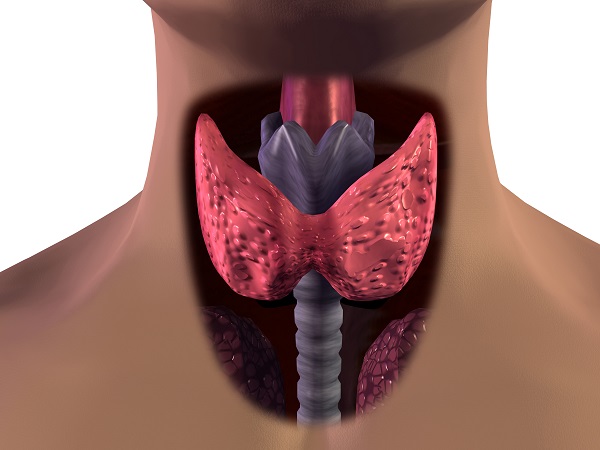
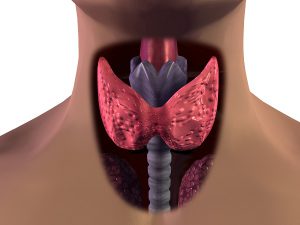
As the saying goes “Float like a butterfly, sting like a bee”- thyroid is a tiny butterfly-shaped gland. It plays a role in many different systems throughout the body. But, when it does not function properly, it can sting like a bee!

The Dysfunctions

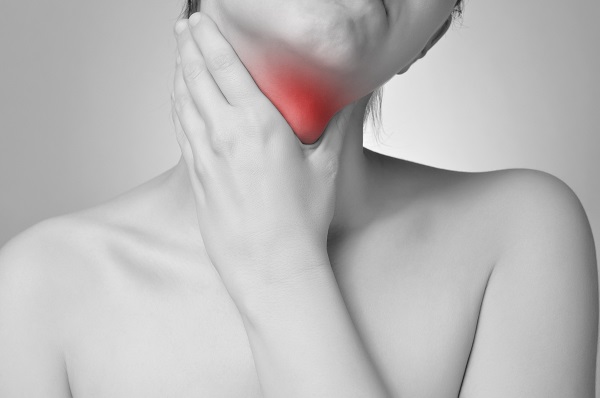
The thyroid gland ensures that all the cells are working right, for you to feel strong and healthy. However, when your thyroid gland doesn’t function properly, it can leave an impact on your entire body. Thyroid disorder or dysfunction can strike anyone- men, women, teenagers elderly, and even infants in that case. If your body makes too much thyroid hormone, you can develop a condition called hyperthyroidism. While if your body makes too little thyroid hormone, it’s called hypothyroidism.

Thyroid Symptoms in Men?

However, thyroid symptoms in men and women may vary. Men with either of these infirmities can probably feel tired with predominant weakness in muscles, arms, and thighs. This may lead to difficulty in climbing the stairs or combing hair, etc. In other cases, it can be present at birth (mostly hypothyroidism) or it can develop with age. Women are at a higher risk of developing thyroid disorders. The risk is ten times more than that of men, one reason is autoimmune diseases affect the thyroid gland and since women are more prone to the autoimmune disease they are compelled to develop thyroid disorders it also develops after menopause due to the change in hormone level.

If the thyroid gland does not release enough hormones, your metabolism will de-escalate and you will feel sluggish on the contrary, if it releases too many hormones, your metabolism elevates and in due course, you may feel exhausted.

Other thyroid disorders include thyroiditis (inflammation of the thyroid gland) thyroid nodules (Fluid-filled cysts or tissue growth), Grave’s disease (overactive thyroid gland), and postpartum thyroiditis (caused after birth). Thyroid cancer is rare and shows up as a lump in the neck.

For such a small gland to cause massive havoc, your thyroid gland surely has a lot of power!

If you think your thyroid isn’t functioning as it should get an easy test that can quickly give an answer.

Remedies to Ease Your Sore Throat

throat infectionThroat Infection Symptoms

During a pandemic, if you are experiencing pain, irritation, or itching in your throat; it’s a matter of concern. These throat infection symptoms, if ignored for a longer period can turn out to be harmful; although, many times some basic throat infection remedies can be adopted before they get worse.

Read on to know ways to minimize throat infection symptoms, before it turns out to be downright miserable.

1. Gargle with Saltwater

Saltwater is one of the most tried and tested throat infection remedies adopted at home. Studies have proposed salt to be anti-inflammatory and soothing; and hence, can effectively reduce swelling and inflammation in the throat. Many people may also rely on intermittent gargling with the help of apple cider vinegar to fight against bacterial throat infection symptoms; however, it should be noted that long-term use of apple cider vinegar can have multiple damaging effects on teeth and liver due to higher acidity.

2. Inhale Medicated Lozenge

Nowadays, many over-the-counter lozenges and pain relievers are available to effectively tackle throat infection symptoms. In many of them, menthol is the active ingredient, which can help in keeping the inner lining of the throat always lubricated; which will further help to minimize burning sensation and/or itchiness. However, it should be noted that young children should be well inspected while performing the task; to eradicate the chances of choking hazards.

3. Stay Hydrated

If you are suffering from a sore throat; then keeping yourself hydrated is necessary to reduce friction. Moreover, with adequate intake of water, your body will be able to produce enough saliva and mucus, as the activated first line of defense to prevent bacterial infections. Thus, staying hydrated can keep a check on the inflammation.

4. Steam

To combat dry air and skin irritation to the same; you can minimize the recovery time by taking an intermittent steam shower. Experts suggest that by keeping your mucus membranes and nose lining hydrated and warm with the stream; you can minimize inflammation, reduce swelling in the inner lining of the buccal cavity and reduce itchiness.

5. Skip Acidic Food

Frequently complaints of acid reflux can be one of the major causes of sore throat; due to increase inflammation in the body. Thus, if you are suffering from a sore throat; the best way is to reverse reflux by avoiding intake of acidic ingredients.


Electrolytes: The Intricate Balance

0

kidney infectionAll living beings are metabolically active due to a number of physiological interconnected processes. Probably many of them are not as vital to make the body run. But, they need to be in balanced proportion to make the body run smoothly. Accordingly, electrolytes are helpful in stimulating electrical voltages across different vital organs of the body, required for proper communication. This electrical energy is required for better functional attributes of all the vital organs of the body. It is further important to understand that healthy functional kidneys maintain this intricate electrolyte balance. Thus, these powerful chemical factories are the hub of kidney infection. You should constantly check for kidney infection symptoms; to avoid the potential damage to the kidneys.

What are the Signs and Symptoms of Electrolyte Imbalance?

Electrolytes help in the stimulation of electrical impulses, required for effective communication for better functional aspects. The body’s intricate balance of different electrolytes is disturbed in many conditions. including but not limited to severe kidney infections. Symptoms associated with the same can be different; such as frequent cramps in the limbs along with swelling, unexplained dizziness, nausea, vomiting, irregular arrhythmias, as well as mental confusion. Muscle weakness associated with permanent degeneration is one of the most obvious signs of kidney infections; and if ignored for a longer period of time, it can lead to many more debilitating complications.

Ways to Replenish Intricate Electrolyte Balance of Your Body

Experts suggest that keeping a check on your thirst and always staying hydrated is one of the important ways to replenish the body’s electrolyte balance. These important chemicals perform different functions associated with the body’s neuromuscular development. Hence, rigorous exercise often affects the electrolyte balance, post-exhibition of kidney infection symptoms, as well as other major infections.

Thus, one has to adopt a consistent approach towards the incorporation of different electrolytes in an optimum amount.  Experts further suggest that the electrolyte intake should be below system detection level to pass through the body’s radar detection system, but still support required functional attributes of different organs.

How Physical Activity Helps Prevent Heart Attacks

heartHow to prevent heart attack? Healthy lifestyle habits are probably the best defense you can have against heart diseases. When you combine a healthy diet with regular exercise, you are lowering your risk of a heart attack.   

Physical Activity and Heart Attack: The Relationship

Physical activity is good for the heart. When you regularly exercise, your muscles become stronger and healthier. The less-used muscles weaken and atrophy. Just like any other muscle, your heart also needs exercise to function at an optimal level without strain. Your heart pumps more blood through the body when you exercise. This helps it to grow stronger and healthier. Your arteries and other blood vessels also become flexible, thus ensuring normal blood pressure and good blood flow.

How to Prevent Heart Attack by Being Physically Active?  

Learning how to prevent heart attack is critical to your overall health. If you want to lower the risk of having a heart attack, you should get at least 75 minutes of vigorous activity or 150 minutes of moderate-intensity aerobic activity each week.

Benefits of Exercise on Heart Health

Engaging in physical activities has the following heart benefits:

If you have had a heart attack, regular exercise increases the number of smaller blood vessels (collateral blood vessels) that connect different coronary arteries. If there is a sudden blockage in one of the major coronary arteries, these collateral blood vessels jump in to supply blood to the heart muscle that’s threatened by a heart attack.

How to Prevent Heart Attack: 3 Kinds of Exercise

1. Aerobic Exercise

How it works: Aerobic exercise improves circulation, as a result, blood pressure and heart rate is lowered.

How often: 30 mins a day, 5 times a week

What exercise: Running, brisk walking, swimming, cycling, and skipping.cycling

2. Resistance/Strength Training

How it works:  Resistance training helps reduce fat and develop leaner muscle mass. Research shows when you combine aerobic exercise and resistance training, it works well to raise good (HDL) cholesterol and lower bad (LDL) cholesterol.

How often: At least twice a week on non-consecutive days

What exercise: Body resistance exercises (squats, push-ups), working out with weights (dumbbells, barbells), with resistance bands, and on weight machines.  workout

3. Flexibility, Stretching, and Balance

How it works: Flexibility workouts do not contribute directly to heart health, but it helps you to stay flexible to do exercises (aerobic exercise and strength training) that boost your heart health.

How often: Every day and before and after exercise

What exercise: Basic stretches, and yoga.excersis

Now that you know how to prevent heart attack with exercise, it’s time to take control of your health – make healthy choices, and stay physically active. Healthy living is the best way to prevent a heart attack.

Vitamin B Complex: Analyzing the Complexities 

0

VitaminComplete vitamin profile

Vitamins are complex organic compounds that are naturally occurring in plants and animals. Our body needs these compounds to maintain our life functions and prevent diseases. If you are wondering whether you’ve adequate levels of these vitamins, it’s recommended that you get a complete vitamin profile done. The complete vitamin profile tests common vitamin deficiencies, especially Vitamin D, Vitamin B12, and folic acid.

You might have heard of vitamin B6 and B12, but did you know there are eight B vitamins that help our body to function properly. From breaking down amino acids to releasing energy from carbohydrates and fats to transporting oxygen and energy-containing nutrients around the body – vitamin B helps enzymes to do it all.

Dietary supplements containing all the eight B vitamins are recommended to most of us. Let’s examine each of them in detail:

1. Vitamin B-1 – Thiamin

Thiamin is essential for the healthy function and growth of organs, including the heart and brain.

2. Vitamin B-2 – Riboflavin

Vitamin B-2 breaks down fats and drugs.

3. Vitamin B-3 – Niacin

Vitamin B-3 helps maintain healthy nerves, skin, and digestion. Sometimes, this vitamin is prescribed in high doses to improve cholesterol levels.

4. Vitamin B-5 – Pantothenic Acid

Pantothenic acid maintains the health of the brain and nervous system.

5. Vitamin B-6 – Pyridoxine

This vitamin helps keep the immune system strong. It produces new red blood cells that carry oxygen throughout the body.

6. Vitamin B-7 – Biotin

Vitamin B-7 is vital for proper nerve function and also for healthy nails and hair.

7. Vitamin B-9 – Folic Acid

Folic acid or folate in its natural form is needed to produce DNA and genetic material. It is usually prescribed during pregnancy to reduce the risk of certain birth defects.

8. Vitamin B-12 – Cobalamin

Vitamin B-12 is an essential vitamin for nerve tissue health, the production of red blood cells, and brain function.

Are You Suffering from Vitamin B Deficiency?

Most people get enough B vitamins through a balanced diet. However, if you’re not getting enough B vitamins, you’ll show the following symptoms:

  • Cracks around the mouth
  • Skin rashes
  • Scaly skin on the lips
  • Fatigue
  • Swollen tongue
  • Weakness
  • Confusion
  • Numbness in the hands and feet
  • Anemia
  • Depression
  • Irritability
  • Constipation
  • Abdominal cramps
  • Nausea
  • Diarrhea

If you’re experiencing any of the above symptoms, make sure to see your doctor. Your doctor might recommend a complete vitamin profile to identify the problem and come up with a treatment plan to treat the deficiency.

Gaining Weight: The Science Behind Weight Gain Supplements

0

supplements

Weight Gain Tips

A healthy diet and regular exercise are the most effective. If you are planning to weight gain or build muscle mass, you need to understand that like weight loss, weight gain doesn’t happen overnight. There are two key aspects that come into play if you want to gain the right amount of weight in the right places — exercise and supplements.

Here, we’ll focus on supplements and the science behind their functioning.

Weight Gain Supplements

A wide variety of weight gain supplements are available in the market. But before you buy any of these, you need to be aware of how do they work towards helping you achieve your weight goals.

The Science Behind Common Weight Gain Supplements

1. Creatine

Creatine is one of your body’s natural sources of energy for muscle contraction. It converts to phosphocreatine and is stored in muscles, which serves as fuel and helps build lean mass.

Commercially available creatine supplements help you to gain weight by:

  • Boosting the natural stores of creatine in the body
  • Decreasing the breakdown of proteins in the body
  • Increasing the level of hormones, such as IGF-1 that are involved in muscle growth

2. Weight Gainers

One of the simple tips is to consume more calories than what your body needs to function. The exact amount of calories you need to have depends on your current weight and how much more you want to gain. If your daily diet fails to meet the desired weight targets, supplementing it with weight gainers is one of the effective tips.

workout dietWeight gainers contain vitamins, carbohydrates, minerals, and proteins. It is usually recommended for people who have a high basal metabolic rate, which makes them unable to gain weight despite consuming a high calories diet.

3. Protein Supplements

Protein is necessary for optimal muscle gain. Ideally, around 10 – 35% of your daily calories must come from proteins. Although protein is not exactly a vitamin, the amino acid chains it bears help to repair and build muscle tissue.

You’ll be able to gain weight only when your body requires more proteins than it breaks down. So, if you are looking for weight gain tips, protein supplements should be considered. Some popular forms of protein supplements are soy, whey, and casein.

All the above supplements can help you to gain weight. But, it’s always a good practice to do your bit of research and consult a doctor or nutritionist before you add any of these weight-gaining supplements to your diet.


Nutritional Profile for Hypothyroidism

0

Thyroid Function TestsThyroid hormones help to control metabolism, cell repair, and growth. When the thyroid gland fails to produce enough thyroid hormones, it causes hypothyroidism. People with hypothyroidism may experience hair loss, tiredness, feeling cold, weight gain, and feeling low among other symptoms. Foods alone cannot cure hypothyroidism. But, if a combination of the right nutrients and medication is administered, it can reduce the thyroid symptoms and help restore thyroid function. We are enlisting here the best hypothyroidism diet, including which foods to eat and which to avoid.

Important Nutrients in a Hypothyroidism Diet

1. Iodine

Iodine is needed to produce thyroid hormones. Therefore, people with iodine deficiency are more likely to have hypothyroidism. If you have an iodine deficiency, eat more iodine-rich foods like dairy, fish, seaweed, and eggs.

2. Zinc

Zinc helps the body activate thyroid hormones. Studies also show that zinc may help the body regulate TSH levels. A hypothyroidism diet rich in zinc includes foods like beef, chicken, oysters, and other shellfish.

3. Selenium

Like zinc, selenium also helps activate the thyroid hormones. Its antioxidant properties also protect the thyroid gland from damage caused by free radicals. Eat selenium-rich foods such as sardines, tuna, eggs, and legumes to boost your selenium levels. However, avoid taking selenium supplements unless advised by your doctor.

Harmful Nutrients in a Hypothyroidism Diet

Goitrogen is a harmful nutrient for hypothyroidism. This nutrient prevents the proper functioning of the thyroid gland. Foods containing goitrogens include:

  • Nuts and seeds: peanuts, pine nuts, millet, etc.
  • Soy foods: edamame, tempeh, tofu, etc.
  • Fruits and starchy foods: peaches, sweet potatoes, cassava, strawberries, etc.
  • Certain vegetables: spinach, broccoli, cauliflower, cabbage, kale, etc.

Foods to Eat

  • All meats, including beef, lamb, chicken, etc.
  • Fruits: bananas, tomatoes, berries, oranges, etc.
  • All seafood, including tuna, salmon, shrimp, etc.
  • Whole eggs
  • All dairy products, including cheese, milk, yogurt, etc.
  • Gluten-free grains and seeds:  buckwheat, chia seeds, rice, quinoa, and flax seeds
  • Beverages: water and other non-caffeinated beverages

Foods to Avoid

  • All varieties of millet
  • Highly processed foods:  cakes, cookies, sausages, burgers, etc.
  • Supplements of selenium and iodine unless prescribed by a doctor

Foods to Eat in Moderation

  • Soy-based foods: tempeh, tofu, soy milk, edamame beans, etc.
  • Certain fruits: pears, strawberries, and peaches
  • Beverages: alcohol, green tea, and coffee

Key Takeaways

  • Hypothyroidism occurs because of an underactive thyroid gland.
  • A combination of the right nutritional profile for hypothyroidism and thyroid medication can help reduce your symptoms and improve your thyroid function.