Home Blog Page 22

Overweight kids: Is it food or Thyroid?

0

Is your child overweight? Is it an unhealthy diet or something else you need to look for? Read more to explore what exactly is the true reason.

Overweight kids: Is it food or Thyroid? 

Is it Thyroid Influencing your weight? Better know it before it’s too late!

We cherish and remember our childhood days of returning with gained weight from our grandparent’s place. Being healthy, chubby and a little overweight is considered a sign of good life. But overeating at bizarre time intervals only leads to gaining unhealthy pounds of weight. Being overweight is not a statement of luxury but, is a reason to worry. As one of its reason can be improper functioning of the thyroid gland.

Body Weight and Thyroid Disorders

There is a complex relationship between thyroid hormones (THs) and body weight. Thyroid hormones like Triiodothyronine (T3) regulate various functions like heart rhythm, muscle functions, development of the brain, and bone maintenance. Irregular levels of this can cause disorders/diseases like cardiovascular disease, diabetes mellitus, chronic liver disease, and obesity.

Thyroid in Children – A Serious Concern!

When the thyroid produces an excess of this, the condition is termed Hyperthyroidism, while the condition wherein production of THs is inadequate is termed Hypothyroidism. Overweight kids show a high chance of having thyroid disorders if they show the following symptoms:

  • Weight gain with loss of appetite
  • Decreased energy
  • Swollen or puffy appearance
  • Decreased growth rate
  • Muscle soreness
  • Constipation

Diagnosis

A complete thyroid panel testing is usually recommended for the diagnosis of thyroid-related disorders. It includes testing the blood levels of:

  • TSH (Thyroid stimulating hormone), T3 and T4 (Thyroxine)- This test is particularly helpful in the detection Hypothyroidism and Hyperthyroidism.
  • Free T3 and T4- It is more useful for the detection of Hyperthyroidism

Nevertheless, many parents fail to understand the appropriate requirement for growing children. Thus, end up adding fat content by feeding them buttery, cheesy, overcooked delicacies. It is important for them to grasp the importance of healthy balanced food, not just for themselves but, for their young ones too. So next time when your child cries over fries or pizza loaded with cheese, being a parent you should know enough about obesity or weight gain and then opt for foods. Also, the food or lifestyle should not just be blamed without checking if the weight gain is beyond it and the thyroid hormones are instead the culprit. If you as a parent don’t understand its seriousness, how would your kid ever be able to stay fit? After all a whole lot of life is waiting for them.

Sugar-coated day for Awareness!- World Diabetes Day

0

Diabetes, kills, it adds on to your bills, yet it lives. Know the pain it drills and the number it fills…Read on…

Sugar-coated day for Awareness!- World Diabetes Day. The world’s call.

Diabetes a sugar-coated disorder comes with life-threatening challenges and has marked its fear in

one and all of us. Owing to its presence in crores of people all over the world, 14th November has been marked as World diabetes day. Diabetes has affected 42.2 crore people in the world and kills 22 lakh every year.

So with such high numbers, the day commands our focus on diabetes.

What is diabetes?

Diabetes is a disorder, where the body’s ability to use glucose (sugar) for energy is affected. It is categorized in two types:

Type-1: In this condition, the body’s own cells destroy the cells that secrete insulin. The insulin molecule is required by the body to use glucose.

Type-2: This type represents most cases of diabetes in the world. Owing to our body’s inability, where the cells stop responding to insulin and slowly insulin production decreases or stops, brings about this condition.

What can pose a Risk?

Stress, the root cause of most disorders in the world can also cause diabetes.

Stress in our lives has pushed us to find an escape through food. This is where we have lost balance in our diet and have consumed in excess. Fast foods, desserts, sweets, and carbohydrates are known agents to cause this condition.

Complementing this is our lifestyle that involves very little physical activity and sleep deprivation, which has moved us away from healthy conditions.

To add to this are the already existing risk factors of diabetes like genetics and family history.

Risks keep growing

Obesity is the excessive fat around our waist and can also manifest diabetes in us. So if you are obese you must be cautious and understand these risks very carefully. It just does not stop here diabetes if ignored can cause heart attack, kidney failure or could also lead to loss of vision and nerve damage.

So it is imperative to know these risks and be an active participant in regular testing.

Know the tools for diagnosis

Blood glucose test- It can identify and screen diabetes. Monitoring the glucose levels is essential for diabetic patients to know of rising and fall of glucose levels before and after having a meal.

HbA1C test- This test helps to know the pre-diabetic condition and also tells you the history of the past 90-120 days. It is a comprehensive test that gives an overall results.

Fructosamine test- The test is used for anemic patients or pregnant women and also, normal individuals to identify and reveal diabetes history of the past 14-21 days.

Can we prevent it?

Oh yes, you can !!! But will require a balanced diet with a balanced life.

We will have to include fruits and raw vegetables in our diet along with a limited amount of carbohydrates and fats. It is also important that we provide proper rest to the body and give it the exercise it needs.

If we regularly do checkups and testing we could foresee many maladies and diabetes is no exception to that.

‘Walking the extra mile will not only shed that extra kilo but also draw a healthier tomorrow ’

How the human growth hormone controls your aging?

0

Growth hormones invite a stronger body, glamorous skin, sharp mind, and a lean physique… Read ahead to maximize this benefit…

How the human growth hormone controls your aging? A hormone that builds your body

The very growth of your body is credited to the Human Growth Hormone (HGH). It causes the growth of your organs, hands, legs and gives you the height you have. This hypothalamus part of the brain releases a protein that acts on a gland that eventually releases the HGH. Once released in the blood it acts on various organs to bring about its functions. Proteins that build up your body are present because of the action of HGH. The liver and your skeletal muscles are its primary target of action. Then the liver releases the Insulin-Like Growth Factor, which is required for growth and development of the body. The Human growth hormone increases during the teenage years, which is when maximum growth and development of the body takes place.

Released during sleep

During sleep, this hormone has the maximum release and its functions are enhanced. So it’s of vital importance that we do not disturb our sleep cycle. Especially teenagers and young adults, who are regular defaulters are the worse affected ones. It may not hamper them at that age, but this will have a long-lasting effect as they will slowly become prone to diseases like diabetes, obesity, and heart stroke/attack.

Age is a barrier here!

1. The level of hormones produced in our body decreases with an increase in age.

2. The hormone makes our body lean, build muscle and bones and hence we have much mechanical strength at a young age.
3. Our mental strength of learning and memorizing also is at its best when the maximum amount of this hormone is produced.
4. It acts on our cells and tissues, giving a superior look to our skin. This further gets reflected on our body’s glamour and overall posture.
5. With the increase in age, as the level of hormones go down, we land up in various health issues.
6. Diabetes, bad cholesterol, weight gain, memory problems, the poor capacity for doing physical exercise, thin dry skin, weak bones and muscles, and many more show up when hGH levels go down with age.

Testing the hormone

The hormones levels can be tested to understand the health condition and predict diseases, in case it is not sufficient. A urine or blood sample is generally taken and an ELISA (Enzyme-Linked Immunosorbent Assay) based test is performed.

Gain to avoid pain

The takeaway message here is that your health is determined most by the quality of your life at an early age. So it’s advisable that you take maximum benefit when the body offers it to make a competent tomorrow.

Belly Fat Menace To The Heart

0

Heart trouble comes along with fat trouble! Get rid of this double trouble and understand your health with this article. Read ahead…

Belly Fat Menace To The Heart

A growing fat around your waist or too much accumulation of the same on your stomach makes you obese. This is commonly referred to as belly fat and has troubled more than 60 crore people around the world. What’s noticeably worrying for such people is that obesity commonly leads to heart diseases. The number of deaths due to heart diseases does not paint a pretty picture; it costs 17 crore lives every year and will continue to do so with rising in obesity.

Whom to blame??

  • Our lifestyle and disordered eating ways take majority of the blame for this vicious connection.
  • High intake of carbohydrates and sugars along with little physical activity, has doomed us to develop a bulgy stomach. Thus, this troubling lifestyle invites obesity and often leads heart diseases.
  • One of them being, Atherosclerosis, where the arteries that carry oxygenated blood from our heart to the rest of the body gets blocked because of bad cholesterol. This condition makes obese people a ticking time bomb to suffer a heart attack.
  • Diabetes is not far behind in such people and often contribute to making this a deadly triangle.

Like father like son ??

As you have observed, obesity has also been shown to pass from one generation to the other and with risks of causing heart diseases. The reason for that is in your genes. Modern sciences have proved that there are at least 56 genes that control obesity and heart ailments. So if your parents or grandparents have any of this, you must take extra precaution and care to be healthy.

What can help?

It’s important that we control and improve our diet quality, eat raw fruits and vegetables along with low intake of sugar-rich food. Also, an increase in physical activity can set us to a healthier heart and body.
A complete no-no to alcohol and smoking will further your case to health and fitness.

So can testing help?

Obesity and heart diseases can be reversed if you are cautious enough to go through early testing and diagnosis. Testing the levels of your hormones, blood sugar, cholesterol and lipids can predict many diseases. Hence preventive health care which involves these tests acts as a boon in the entire health care industry.

After all, it’s your call

So what we consume gets reflected on our belly and further on our fitness. It’s of paramount importance that we strive hard to understand the risks associated with obesity and heart diseases to enhance our understanding of this. Hence a controlled diet along with growing awareness can guard us for a better future.

Premature birth- Born too soon!

0

Premature birth- Born too soon!

Are you aware that a baby coming before 37 weeks of pregnancy can bring in concern more than joy? Read on to know-how.

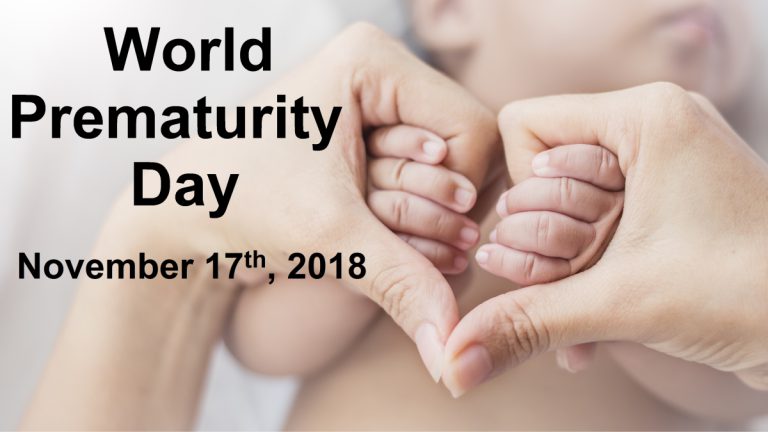
Premature birth is a very serious health problem and more than a million babies die every year as a result of it. The babies who overcome it face serious health complications throughout their life. To create awareness among common people, the 17th of November each year is marked as world prematurity day.

What is preterm birth?

Preterm is a word used when babies are born before completing 37 weeks of Pregnancy.

The categories

  • Extremely preterm (less than 28 weeks)
  • Very preterm (28 to 32 weeks)
  • Moderate to late preterm (32 to 37 weeks)

Understanding the factors that pose a risk

  • Late pregnancy (increased age of the mother)
  • Improper care during pregnancy
  • Smoking, alcohol intake or use of illegal drugs by pregnant women
  • Domestic violence (physical, sexual, or emotional abuse)
  • Lack of social support and stress.
  • Certain medical conditions
  • Long working hours and long periods of standing
  • Exposure to certain pollutants
  • Ethnicity (Indian, African Americans and Alaska Native mothers are more likely to give birth preterm as compared to other women)

It’s complicated

The complication is a usual term that we get to hear from doctors, especially during pregnancy. But, is preterm birth complicated? YES! It is. The baby may have to face the consequences of early delivery. Let’s have a look at a few of them.

  • Respiratory distress syndrome (breathing problems due to immature lungs)
  • Bronchopulmonary dysplasia (difficulty in breathing and requiring oxygen support)
  • Apnea (infants may stop breathing for 20 seconds or more)
  • Gel-like skin (can lead to easy injury and loss of fluids)
  • Weak immunity
  • Hypotension (low blood pressure)
  • Anemia (low hemoglobin)

The Whooping Facts speak out loud!

  • Worldwide, 15 million, that is one in ten babies are born preterm.
  • Complications related to premature birth are the leading cause of death among children under 5 years of age.
  • Infants born preterm are more likely to die during the neonatal period (first 28 days) and infancy (first year).
  • Mortality rates increase with decreasing duration of pregnancy or birth weight
  • 10 to 50 fold risk of neonatal hearing disorders.
  • Retinopathy of prematurity (damage to retina of the eye) occurs in 16 to 84 percent of infants born before 28 weeks.

“Care to Pregnant Women, A Cure to Premature Birth!”

Infertility – Symptoms and causes

0

Don’t assume things… Infertility is an issue that can trouble you as well as me! Let’s find what can help to stay away from it…

Causes of infertility?

Infertility is the inability to bear a child due to factors affecting reproductive health. It is seen in every one out of six couples and can affect both males as well as females equally. The word infertility is used when after trying to conceive for one-year pregnancy does not fulfilled.

Have you ever wondered why this problem exists since time immemorable are now more frequently seen?

Infertility  Causes

  1. Stress- Anxiety, depression, and stress can cause hormonal imbalances, and also increase levels of the stress hormone cortisol. This in turn has a negative effect on infertility. In fact pre-conception stress and anxiety also further induce infertility.
  2. Infections- Certain bacteria and viruses can cause infections that may have an impact on fertility. Sexually transmitted diseases, tuberculosis of the uterus, and Human Papilloma Virus infection are some of the prime causes of infertility.
  3. Thyroid- Disorders of the thyroid gland, specifically hypothyroidism and autoimmune thyroid disorders (the body attacks its own cells) are strongly related to fertility problems.
  4. Diabetes- Reduced insulin sensitivity or action and increased blood glucose levels trigger obesity, metabolic syndrome, and hence, infertility.
  5. Contraceptive Pills- When consumed for a long term or in increased frequency oral contraceptive pills have adverse effects on fertility.
  6. PCOS- Polycystic Ovary Syndrome in females causes sex hormone (androgen) imbalance, irregular menstrual periods, and cyst formation in the ovaries. This makes conceiving difficult in such women.
  7. Body Weight- Metabolic functions and hormone disturbances, are witnessed in individuals who are too thin or fat which can determine fertility.
  8. Family History- Genetic build-up of an individual largely determines fertility.
  9. Age- Increased age is medically proven to affect fertility in men as well as women and also make conception difficult.
  10. Lifestyle- Sedentary habits, decreased physical activity and long sitting times can make you obese, hypertensive, diabetic, and thus witness fertility issues.
  11. Eating Habits The food you eat defines your health! PCOS is more common in obese females so is decreased sperm count in diabetic or obese males. Smoking and alcohol intake also directly affect fertility.

A vicious cycle of tests, consultations, treatment, and therapies is all that you get caught up in thereafter! All in the hope of bringing to life a baby having your bloodline and genes.

Mystic is the process of bringing a being to life, let’s keep it that way and not let our habits temper with it!!

Why should one worry about homocysteine levels?

0

Worried about your heart health or deficiency of vitamins in your body? Go for the Homocysteine test to rule out every single doubt!

Why should one worry about homocysteine levels? What is it?

Homocysteine is an amino acid that is majorly a building block for proteins in our body. This amino acid is synthesized through a set of reactions that include another amino acid namely, methionine in our body along with vitamin B6. Homocysteine can also be further reconverted to methionine with the help of vitamin B12. It is required in critical amounts in our body; however, if found in more than its expected quantities it may be a sign of certain conditions.

Why are Homocysteine levels tested?

Elevation of homocysteine levels in the blood is associated with various factors such as,, Deficiency of Vitamin B12 and folate, Risk of heart attack/stroke.

Homocysteine and Cardiovascular disease- The relation?


Elevation of homocysteine levels has been found to have an association with heart attacks, strokes, and the formation of blood clots. Moreover, the elevation in its levels is more attributed to individuals who do not show an inclination towards the classic risk factors of cardiovascular problems namely, high blood pressure, high cholesterol levels, smoking, or diabetes.

How does its elevation affect it?

Elevated levels of homocysteine can pose danger to the inner lining of the blood vessels. Thereby, increasing the risk of conditions like atherosclerosis (narrowing of blood vessels due to plaque formation) which ultimately leads to cardiac problems.

Who should be tested?

– As a part of assessing cardiovascular disease risk
– Individuals with a family history of coronary artery disease (but classic risk factors are not present)
– Malnourished individuals (to check for conditions related to vitamin B12 malabsorption)

Today, Homocysteinetest is done using serum samples by the highly sensitive and robust platform of Chemiluminescence immunoassay (CLIA).

Be aware of the risk that your heart can be at, And deficiencies you can suffer from!

Diabetes: Which test to take up when?

0

From HbA1c to Fructosamine and blood glucose to insulin, different tests with similar results for Diabetes. Know what differs between these tests. Read on.

Diabetes: Which test to take up when?

Diabetes, a disorder in the body because of an unhealthy lifestyle, genetics, or the improper functioning of the immune (defense) system. Diabetes causes a rise in glucose (sugar) levels, resulting in adverse effects. These abnormally high levels of glucose are checked by various tests.

Which tests to choose and why?


1. HbA1c test:

Most widely used test that can diagnose and monitor diabetes.

  • Since there is high amount of glucose in the blood in diabetic patients, most of it attaches to hemoglobin molecule of red blood cells (RBC) present in blood.
  • The levels of this marker rise significantly with the onset of diabetes and HbA1C test senses this rise. Patient’s glucose levels for the last 3 months can also be detected.
  • HbA1c is advantageous for pre-diabetic patients and hence early word of caution could be given to them.

2. Fructosamine test:

This test works on different principles when compared to the HbA1c test.

  • Here the glucose moiety attaches to a protein known as albumin.
  • The reaction proceeds further giving rise to Fructosamine; the marker that is detected here.
  • Changes in blood glucose sugar level are detected faster by this test, and gives us the record of past 21 days.
  • Particularly useful for anemic patients, elderly people and pregnant woman.

3. Blood Glucose test:

A basic test that aids in knowing the current sugar levels.

  • Fasting blood sugar tests are done, in which patients are told not eat anything for 8 hours prior to testing.
  • Also, postprandial testing is done, 2 hours after a meal to assess the action of insulin.
  • Random blood sugar test can be done at time of the day to reveal the blood sugar levels at that point.
  • These tests are more so useful for monitoring purposes and to check the efficiency of drugs that control diabetes.

4. Insulin Test:

Unlike the other tests mentioned above, this test measures insulin level and not glucose level.

  • Insulin is a hormone required by the body to use glucose.
  • During diabetic conditions insulin secretion by cells of pancreas become low or is stopped completely.
  • So, this test will help in understanding the functioning of pancreatic cells and our body’s response to insulin.

Different merits yet similar results

With the merits of each technique exhibiting different roles and results, all these tests are fairly unique and provide specific information. So with the onus on patient history and medical condition the right testis prescribed by your medical practitioner to look for the ideal result.


COPD-Demanding Fresh Air

0

Unable to climb a few stairs? It could be because of Chronic Obstructive Pulmonary Disease… Want to know more? Read ahead…

COPD- Demanding Fresh Air

Every year the 21st of November is dedicated to creating awareness about Chronic obstructive pulmonary disease which affects millions across the world. To understand the importance of the day we need to first know what is this disease about.

Chronic Obstructive Pulmonary Disease (COPD)

It is not a single disease but, it is an umbrella term used to describe chronic lung diseases that can lead to difficulty in breathing. It makes a person prone to serious illness. Terms such as ‘chronic bronchitis'(swelling of the tubes that carry air to and fro from lungs) and ’emphysema’ (damage to air sacs in the lungs) are no longer used as they have been included within COPD.

The threats As we now understand what is COPD the next step is to know the factors that can cause it, as awareness is the key to survival!

  • Tobacco smoke (The primary cause)
  • Indoor air pollution (such as smoke from the fuel used for cooking and heating)
  • Outdoor air pollution
  • Occupational dusts and chemicals (vapours, irritants, and fumes)
  • Frequent lower respiratory infections during childhood.
  • Long term asthma
  • Maternal smoking can affect the child.
  • Advancing age

The indications What if we are suffering from COPD? Can knowing the risk factors alone help? No! Let us look into the symptoms of COPD so that we can consult a doctor before it’s too late!

  • Breathlessness (need for air)
  • Difficulty to perform daily activities (walking and climbing stairs)
  • Long standing cough with or without sputum production
  • Wheezing (a typical sound produced while breathing)

The unwelcomed guests’ COPD brings along unwanted diseases or disorders with it which could be more serious and painful.

  • Let us have an overview of them.
  • Heart diseases (like disease of the arteries of the heart)
  • Stroke
  • Lung cancer
  • Metabolic disorders (such as diabetes and obesity)
  • Bone diseases ( such as osteoporosis or porous bones)
  • Cachexia (weight loss and tiredness)
  • Anaemia (Low hemoglobin count)
  • Depression
  • Decline of memory and thinking skills

Few Stats and Some Facts

  • Globally, prevalence of COPD is reported to be 2.5 crore.
  • As per world health organization, COPD could become the third leading cause of death worldwide by 2030 .
  • COPD caused 31 lakh deaths in 2015 (5% of all deaths globally in that year).
  • More than 90% of deaths due to COPD occur in low and middle­income countries.
  • COPD may increase in the coming years due to higher smoking prevalence.
  • Most cases of COPD can be prevented by early stoppage of smoking.
  • COPD is not curable! However, treatment can improve the quality of life by reducing the symptoms. Also, it can bring down the chances of death.
  • The disease affects men and women equally!

“ Keep the smoke at bay for a traffic free airway”

All You Need to Know About Post Pregnancy Changes

0

Fatigue, stress, irregular periods after pregnancy? Looking for answers?

All You Need to Know About Post Pregnancy Changes

It is usually seen that there is a striking difference in the energy levels before and after pregnancy. Have you ever thought what could be the reason for it? Its hormones (chemical messengers)! The body goes through several hormonal changes during pregnancy and it takes some time for it to get back to normal levels after the baby is born.

What Causes Hormonal Imbalance After Pregnancy?

Female reproductive hormones; estrogen and progesterone play a vital role during pregnancy and post-delivery. Any imbalance in their levels causes several physical and mental changes in the body. These changes, however, are temporary!

Why does Estrogen dominate Post delivery?

During pregnancy, the progesterone hormone is produced and maintained by the placenta to provide a supportive environment inside the uterus. After the baby is born, there is a drop in the level of progesterone, which does not increase until the woman starts ovulating (producing egg and menstrual periods start again) post-childbirth. This, in turn, causes an increase in the estrogen level and thus, estrogen dominance.

How Does Estrogen Dominance Affect You?

Estrogen dominance can cause various conditions like hypothyroidism meaning decreased functioning of the thyroid gland, adrenal fatigue that is decreased production of the hormone cortisol, thus, increases fatigue (tiredness) and stress. In addition, you may also experience other physical and psychological changes.

How to know if there is an imbalance?


The symptoms you experience due to hormonal imbalance post-pregnancy are:

  • Extreme fatigue
  • Weight loss
  • Mood swings and anxiety
  • Insomnia (difficulty to sleep)
  • Hair loss
  • Depression
  • Allergies
  • Irregular periods
  • Problems in b reast milk production (breast cysts or lumps)

Hormonal Imbalance and Postpartum Depression Syndrome (PDS)

Postpartum (post-childbirth) depression can begin at any point of time after the baby is born and can last up to one year. However, it can be cured with the right medication and counseling therapy.

Ways To Restore Hormonal Balance Post Pregnancy Changes


Here are some effective ways to restore the hormonal balance after delivery.

  • Exercise (such as yoga)
  • Eat fiber-rich food
  • Avoid birth control pills
  • Say no to alcohol and caffeine
  • Take Vitamin and mineral supplement
  • Get enough sleep

If you are facing any health issues related to hormonal imbalance, do not be worried! Once the hormonal levels are balanced, these symptoms will vanish. Ensure to follow a healthy diet and lifestyle which can help in bringing the hormone levels back to normal.

“Strike the balance for a joyful, stress-free motherhood after childbirth”