Home Blog Page 18

Testosterone in a woman – Don’t let men take the limelight for this!

0

Are you also puzzled by the title? You read it right, testosterone is not just a MALE hormone, it is essential for women too.

Role of testosterone in a woman 

It is a myth that “Testosterone” is a “male” hormone, as in reality it is also found in females. Both men and women require testosterone in certain amounts to perform numerous functions of the body. Testosterone is even seen to influence human behavior and contribute to the overall well-being of an individual.

Why do women need testosterone?

Testosterone is present in women throughout their lifespan, however, it declines gradually with age. It is produced in ovaries and adrenal glands and plays a significant role in-

1. Maintaining sexual functions and activity

2. Building muscle mass

3. Production of new blood cells

4. Providing strength to bone and increasing its mineral content

5. Regulating body fat deposition

What indications you should know…!

Symptoms of low testosterone include:

1. Anxiety and irritability

2. Depression

3. Muscle weakness

4. Sleeplessness

5. Reduced sexual activity

Symptoms of high testosterone include:

1. Increased muscle mass

2. Excess hair on face and body

3. Acne

4. Mood swings

5. Irregular periods (menstrual cycle)

What can affect Testosterone levels?

Certain diseases and disorders can alter the amount of testosterone hormone (chemical messenger) in your body. Some of them are as follows:

1. Congenital Adrenal Hyperplasia (CAH)

In CAH, lack of enzyme leads to disturbance in hormone production. Therefore, it may cause too much secretion of testosterone.

2. Polycystic Ovarian Syndrome (PCOS)

In CAH, lack of enzyme leads to disturbance in hormone production. Therefore, it may cause too much secretion of testosterone.

3. Thyroid disorders

Hypothyroidism (overactive thyroid) and hyperthyroidism (underactive thyroid) are two main disorders of the thyroid gland. In hyperthyroidism, testosterone increases beyond the normal range while in hypothyroidism testosterone decreases.

4. Diabetes

Diabetes causes an increase in blood sugar levels in the body. Type 2 diabetic individuals have less or no sensitivity towards insulin and are suggested to be at risk of having increased testosterone levels.

What can be done!

A simple blood test can tell about the amount of total testosterone (free testosterone + testosterone bound to protein) present in women. The combined examination of blood tests and family history help doctors to predict the reason behind the disturbance of testosterone hormone in the body.

Key Benefits of Walking

0

Walking through the paths of life can bless us with many health benefits for life… Read on to know what advantages Walking offers.

Key Benefits of Walking

Walking is the best exercise believed by many doctors. It is not just good for losing weight but also helps in lowering your blood pressure, managing diabetes, fighting joint problems (arthritis), keeps away your depression…..

Walking doesn’t take more than a pair of shoes. It is the most simple and easiest exercise to do.

Walking reduces the risk of several diseases and unlike other forms of exercise, it doesn’t require an instructor or training, can be done any time and anywhere. It is great for kids, adults and is recommended for old ones.

Hippocrates once recognized walking as a man’s best medicine. It improves your overall health and can also increase your stamina, strength, and endurance.

Listed below are the five benefits of walking- Cuts your belly fat

Regular walking is a great exercise to burn fat particularly for those who are overweight. As in the majority of cases, body fat is due to a lack of exercise and movement. Walking leads to weight loss, as just 45 minutes of walking burns around 200 calories.

Stress, Mood & Sleep –

By boosting your endorphins (brain chemicals that relieve you from pain and stress levels), giving you more energy, and setting a non-stressful environment, walking reduce stress levels and enhances your mood. Additionally, walking is believed to be beneficial for individuals suffering from insomnia (inability to sleep).

Good for your muscles and bones

Regular walking tones your leg muscles and strengthens your bones. It can prevent the loss of bone mass caused due to osteoporosis (a form of arthritis in which bone becomes weak and brittle) and can also reduce the risk of hip fractures. Likewise, walking also reduces arthritis-related joint pain and can prevent different forms of arthritis.

Lowers your blood pressure

Individuals suffering from high blood pressure are at risk of serious health conditions like stroke or heart disease. Among the exercises known to maintain blood pressure at normal rates, first comes walking. Taking a walk 3 times a day is considered to have the same effects on your blood pressure levels as 30 minutes of intense workout.

Walking and diabetes

Walking helps in lowering the blood sugar levels and also improves the ability of the muscles to absorb glucose and the body to use insulin, thus, preventing the overall risk of type 2 diabetes.

Can metabolic syndrome affect your heart?

0

Confused about how to keep your heart in pink of health? You landed on the right destination where the below tips will help you to discover the solution.

Can metabolic syndrome affect your heart?

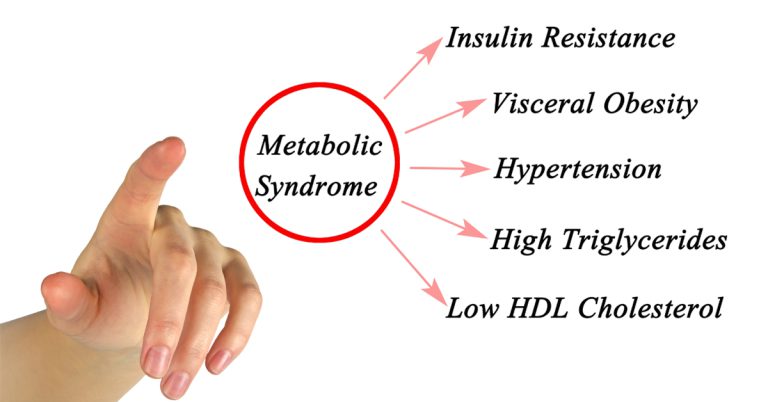
Metabolic syndrome, also known as the syndrome X, is a group of metabolic conditions which may cause heart disease. This group of conditions includes insulin resistance (high blood glucose levels), obesity, atherogenic dyslipidemia (elevated triglyceride and LDL cholesterol levels), and hypertension (high blood pressure).

Most commonly metabolic syndrome is diagnosed in obese individuals.
Metabolic syndrome can promote arteriosclerosis (a heart-related condition) due to the excessive amount of fats and cholesterol in the blood causing chest pain or heart attack.

Risk factors High blood pressure -Lower HDL Cholesterol (good cholesterol) -Central Obesity (excessive belly fat) –Insulin resistance Predominantly, central obesity and insulin resistance can act as the risk factors of metabolic syndrome. Consuming diets rich in saturated fat or cholesterol (atherogenic diet) can also be the underlying risk factor for both, these conditions as well as cardiovascular diseases.

Management

Diet- It may vary according to the individual’s condition. A registered dietitian can help to make diet plans ensuring adequate nutrient intake (e.g. calcium, iron, folate) while reducing the calories. The primary goal must focus on reducing the risk of heart disease.

Exercise- Various physical exercises have been shown to reduce cholesterol levels. Various aerobic exercises like walking, cycling, Zumba and swimming are recommended. Walking and light jogging for one hour per day can reduce abdominal fat without caloric restriction.

Stop Smoking- Smoking increases the risk of various diseases including heart disease and stroke. Quitting can have significant health benefits, especially for individuals having metabolic syndrome.

Medication- Various physical exercises have been shown to reduce cholesterol levels. Various aerobic exercises like walking, cycling, Zumba, and swimming are recommended. Walking and light jogging for one hour per day can reduce abdominal fat without caloric restriction.

In some cases, medication becomes important to manage different risk factors contributing to metabolic syndrome such as high blood pressure or cholesterol levels.

Worried about yourself or your loved ones? Refer to the link below to know the various diagnostics tests provided by Thyrocare to diagnose Metabolic Syndrome:

Why my body is heating up?

0

Did you know estrogen is also found in males? Continue reading to explore its effect on reproductive health and how to maintain its levels…

Why my body is heating up? What is Fever?

The optimum body temperature for regulation and proper functioning in a healthy individual is about 37°C (98.6°F). Fever is the body temperature higher than the normal temperature i.e, 38°C and above. Fever is induced by a pyrogenic substance that can be endogenous or exogenous to our body, external bodies like viruses and bacteria is an example of exogenous pyrogen. Fever also develops during the production of prostaglandins, which is needed to fight germs.

Fever Profile

Persistent fever could be an underlying cause for several infectious diseases such as chikungunya fever, malaria fever, typhoid fever, etc. It is the major symptom that helps recognize diseases. The fever profile consists of blood tests that screen for the presence of causative factors.

1. Malaria- 

Malaria is a parasitic infection that belongs to the Plasmodium species, transmitted by female Anopheles mosquitoes. Parasites present in the mosquitos’ saliva is transmitted into an individual’s blood through mosquito bites. Fever is a frequent indication on examination that may progress into severe malaria.

Malarial Antigen

A blood test examines the presence of malarial antigen in the blood released by the malarial parasite. A positive result may indicate the risk of malaria.

2. Typhoid-

Typhoid fever is majorly caused by Salmonella typhi (gram-negative bacterium) and salmonella paratyphi. A common pathway for proliferating infection is through ingestion of an infected organism. Sources of infection can be poor hygiene and contaminated sewage water supply. Typhoid manifests a slow rise in fever and toxicity.

Typhoid Test-

 This test determines the presence of typhoid bacteria or typhoid DNA in the blood.

Dengue virus belongs to the family of Flaviviridae, which is transmitted by the bite of infected Aedes mosquitoes. It influences from mild asymptomatic illness to severe dengue hemorrhagic fever/dengue shock syndrome.

Dengue Antibody Test- IgG and IgM

A blood test determines the presence of antibodies produced by the immune system of a person exposed to dengue viruses.

Got tensed when you or your loved ones had a fever? Fever may be thought of as a negative health problem that should be avoided, however, it’s your body’s natural way to express the presence of certain bacteria inside the body. It is often a sign of a healthy and well-functioning immune system. So, in the upcoming occurrences, instead of getting scared try to know the actual problem by keeping certain tests checked.

Why the food you eat is not the reason for your increased weight?

0

Unable to lose those extra pounds, in spite of trying hard? The cause might not be just extra calories food or willpower…

Why the food you eat is not making you fat?

Sometimes you might be feeling that you eat proportionately and yet, you have gained so much weight! Also, neither do you keep munching food frequently nor do you have an inactive lifestyle. It might be true that your weight gain is beyond your control because silently you might be suffering from a disorder. Yes! Thyroid disorder! To be more specific, hypothyroidism, means low levels of thyroid hormones in your body.

Our thyroid gland secretes two hormones T3 (Triiodothyronine) and T4 (Thyroxine). The production of these hormones (chemicals maintaining body functions) is controlled by TSH (Thyroid-stimulating hormone), which is released from the brain (Pituitary gland).

How does hypothyroidism cause gain weight?

  • Thyroid hormones are needed for metabolism, a process by which our body breaks down the food we consume, to obtain energy.
  • Metabolism is related to the basal metabolic rate (BMR) i.e. the energy required to perform the basic life functions.
  • If the thyroid hormones level decrease the BMR slows down.
  • This leads to imbalance in the calories (food) we consume and its utilization by the body to produce energy.
  • Thus, accumulation of the excess fat and weight gain occurs.
  • Also, imbalance in metabolism leads to accumulation of excess salt and water, again causing the weight gain.

Does supplementing the thyroid hormones reduce the weight gained?

As simple as it might sound it does not really work that way. The weight gained due to hypothyroidism is not sudden and those kilograms were added to your weight over some time. Hence, correction therapy and treatment will stop the weight gain due to under activity of thyroid hormones. Might be you lose some weight added due to salt and water accumulation. However, though it was your thyroid that made you fat, to get back to your normal size and shape it is you who need to do all the hard work.

Did you put on some weight? Don’t just blame it on your sedentary lifestyle or food habits! Check if your thyroid is responsible for it?
Else all you efforts to lose those extra pounds might go in vain!

Warning Signs of Kidney Infection!

0

Kidney pain, frequent urination, fever, or blood in urine, are the ways of your kidneys to tell about an underlying kidney infection…

Warning Signs of Kidney Infection!

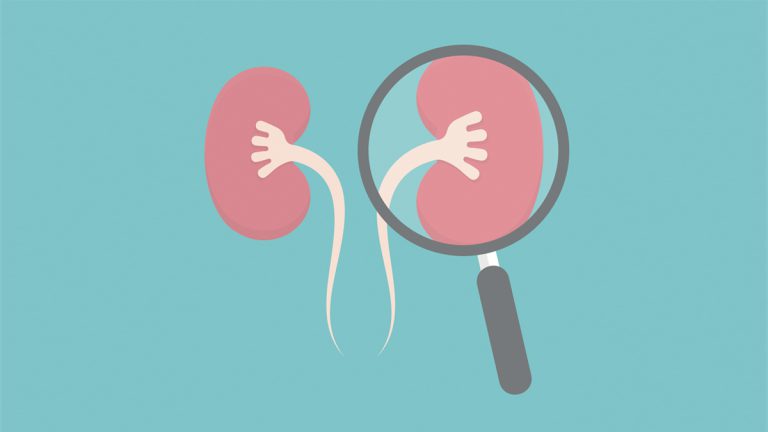
Kidneys; widely described as bean-shaped organ located on both sides of the spine below ribs and is better known for filtering your blood.
It helps in removing waste out of the body through urine, maintains electrolyte levels in the body.
With so many functions, it is also challenged by various factors affecting its functioning.
These factors can be collectively called kidney-related conditions and most of them are regularly referred to as quiet conditions; mainly due to the fact that most people don’t discover any symptoms until it gets advanced.

Kidney Infections

Kidney infection or Pyelonephritis is one such condition affecting one or both kidneys. It can be caused due to bacteria or viruses which first affect the urinary bladder and if left untreated progress to infect the kidneys.
It is more common in women than men.

Warning Signs of Kidney Infections

  • Pain– A dull pain could also radiate towards the lower back and genital area. Pain on the kidney is common during infection. However, degree of pain may vary depending upon the individual and the severity of infection, as some don’t even feel any pain.
  • Frequent urination– Moments after using the washroom, still, having the urge to pass urine? Well, frequent urination or urge to urinate more often are one of the initial signs of a kidney infections. This may combine with the pressure in lower abdomen. Additionally, urine may be cloudy along with a foul smell.
    • Fatigue It may also lead to fatigue or lack of energy making you feel weak. Often, daily tasks and routine activities become a challenge even if it doesn’t require any great effort. Patients often complain of feeling sleepy.
    • Fever Fever more than 100° F is commonly observed just like in any other infection. Fever is an indicator of the bacteria’s presence for some time. It can vary from mild to high grade and is commonly accompanied with chills.
    • Blood in urine Severe infections can lead to traces of blood in urine. It can be the result of disturbed kidney functions as the kidneysare not able to properly filter the blood. This condition is called Hematuria.

These warning signs of your kidneys are something you may many times miss, as they might be subtle. However, picking up these signs early and taking up preventive screening is what can only protect your kidneys before it is too late to identify any ailment.

Fight the fat: Stay fit to the finish!

0

Are you aware that being overweight can harm you more than being underweight? Yes! It’s true read on to find out why.

Fight the fat: Stay fit to the finish!

World obesity day is observed annually on the 11th of October. The theme for obesity day 2018 is “End Weight Stigma”. 

What is Obesity?

Obesity is defined as the presence of excess fat in the body, that poses a risk to our health. The types: Female or Male!

Obesity can be of female or male type! Isn’t that a surprising fact? The type of obesity is based on the distribution of fat in the body. In the female or pear-shaped type, there is fat deposition is in the lower part of the body whereas in the male or apple-shaped type there is excess fat in the upper part of the body.

The 3 key alphabets!

Curious to know which are those 3 alphabets and why is it important to us? It is BMI! Body Mass Index (BMI) is a person’s weight in kilogram divided by height in square meters. It is important to know the BMI in order to understand whether you are overweight or obese.

Overweight! Not obese

Most of us tend to consider obesity as being overweight. However, this is not true! The fact is that all obese are overweight, but, the reverse may not be true. There is a thin line that separates them, i.e BMI. An individual with a BMI of ≥ 30 is obese whereas BMI ≥ 25 but less than 30 is considered overweight.

What causes obesity?

Excessive eating, Unhealthy diet (high sugar or fat content), Sedentary lifestyle, Little or excess sleep, Genetic factors, Medical conditions (e.g Improper thyroid function).

The Stunning stats!

  • 39% of adults with age 18 years and above are overweight and 13% are obese, which makes it a whooping 650 million obese people!
  • 41 million people under the age of 5 are obese.
  • 340 million individuals between the age of 5-19 are obese.

It’s a risky business!

The greater the BMI, the higher is the associated health risks. Few important risks are mentioned below.

  • Increased blood pressure
  • Menstrual irregularities
  • Heart disease
  • Diabetes
  • Kidney stone
  • Breathing obstruction during sleep
  • Cancer ( e.g Breast and prostate cancer)
  • Depression

Prevention

The greater the BMI, the higher is the associated health risks. A few important risks are mentioned below.

“Obesity is a vicious cycle pushing you towards diseases; diseases that can be completely avoided, or at least delayed!…so come, let’s begin the fight against fat!……”

Outsmart the Arthritis- Keep moving!

0

Certain conditions cannot be cured, they can only be endured. Awareness holds the key to managing them. Read on to know more about it.

Arthritis Outsmart the Arthritis- Keep moving!

The day, 12th of October each year is dedicated to addressing the cause and creating awareness on a manageable bane- Arthritis! The theme for ‘World Arthritis Day this year is ‘Don’t Delay Connect Today’.

What is Arthritis?

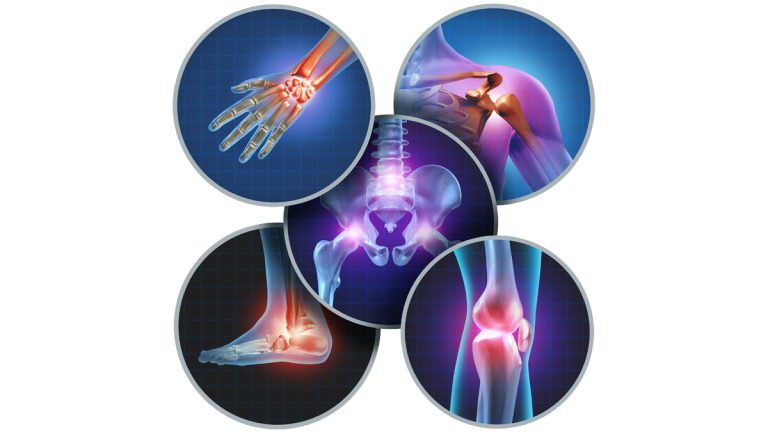
The word “Arthritis” comes from the Greek word ‘ arthon’ meaning joint and the Latin word ‘ inflammable meaning swelling. Arthritis is a painful condition of the joints that often involves the hips, knees, neck, lower back or small joints of the hands and feet. It is showing signs like swelling, redness, and warmth, and difficulty in movement of the affected joints.

What are its types?

There are around 100 different types of arthritis. However, the two most common types are rheumatoid arthritis (RA) and osteoarthritis (OA). RA is caused when our body is attacked by our own immune cells (Cells that defend our body). Whereas, OA is caused due wear and tear of joints.

Do I have Arthritis? Arthritis show various signs and symptoms, a few common ones are listed below:

Osteoarthritis Rheumatoid arthritis
Pain in joints Stiffness after a prolonged period of rest
Stiffness, especially in the morning Both sides of the body are equally affected
Difficulty in movement Hand and feet joints are more affected
Swelling of joints Swelling and pain in joints
Joint cracking or popping sound/sensation A larger number of swollen and painful joints
Weakness in the muscles A general feeling of illness or discomfort

What causes arthritis? –

  • Obesity or overweight
  • Aging (although old people are more prone, it can also occur in any age)
  • Injury to joints
  • Excess stress on joints
  • Genetic defects
  • Smoking
  • Gender-females are more prone

Let’s look into stats! –

  • Arthritis affects more than one out of four adults.
  • Females are two to three times more likely to be affected as compared to males.
  • 0.3% and 1% of the world’s population is affected by RA.
  • Again RA is more common in women and in developed nations.
  • It is estimated that 9.6% of men and 18.0% of women above 60 years of age have osteoarthritis.

Overcoming the hurdles – Nothing is impossible, everything depends on how we approach it. A few ways to manage arthritis are given below:

Diet- Food to be avoided– Corn and corn oils, dairy products, processed food, baked food, salt, and preservatives.
Food to be eaten: Olive, nuts, flax seeds, vegetables like cauliflower, broccoli, and fruits such as strawberries and blackberries. Food rich in vitamin C and D can be included in the diet.
Exercise/Yoga-Yoga is known to have beneficial effects on arthritis-affected individuals, it improves physical as well as a psychological strength. It generates a positive feeling of well-being and improves the mobility (movement) of joints.

“Keep yourself motivated and moving to stay ahead of arthritis!”

Can your Lipid levels Indicate Heart Health?

0

Beware of your fatty deposits.! They may trigger heart-related issues in you. 

Can your Lipid levels Indicate Heart Health?

 Lipid levels are a reflection of heart Health… Control the levels to healthier the heart!!

Lipids are fat-like substances that are essential for our body. As they help in building new cells, producing chemicals messengers (hormones), and also protecting the body. They include cholesterol and triglycerides.

Cholesterol is produced by our liver and is also obtained from foods like milk, eggs, and meat. Calories when not in use are converted by the body to triglycerides and are stored in fat cells. As it is said, too much of anything is bad! Despite their advantages, too much cholesterol or triglycerides are bad for health.

There are four main parameters of Lipids that are checked for:

  • HDL- They are known as ‘Good Cholesterol’ since it helps in clearing the the cholesterol present in the blood stream, thereby preventing blockage. High levels of HDL are beneficial while lowered levels are seen to be associated with increased triglycerides and LDL levels.
  • LDL- They are called ‘Bad Cholesterol’, as they accumulate to cause blockage in blood streams. Hence higher LDL levels may block the normal blood flow which increases the risk of heart attack and stroke.
  • Total cholesterol-It is the sum of all cholesterol content and indicates the overall risk of heart problems.
  • Trigylcerides- High triglycerides may contribute in hardening the walls of blood vessels which increases risk of stroke and heart attacks. Hence higher levels of triglycerides are bad for the heart.

You should better get a cholesterol test done if you are-

  • Overweight
  • Physically inactive
  • Diabetic
  • Eating a high-fat diet
  • Smoker

Also, people with a family history of high cholesterol or heart attacks, or men who are older than 45 and women older than 55 should follow regular checkups for monitoring cholesterol levels.

A less of fat … A more to life!

Your neck can tell you if you are at risk for diabetes…..!

0

Surprised! Yes, even your neck can alarm you of diabetes! Read on to know how…

Your neck can tell you if you are at risk for diabetes …..!

The key is to catch these signs early enough for diagnosis, and prevent the progression of prediabetes to diabetes…!

Do you know, just by looking at a person, we can tell that whether he or she may suffer from diabetes or not. Simple signs present at the neck, if noticed carefully can help us to identify the possibility of developing diabetes. Rare to hear, but it’s true…..!

Skin discoloration is one of the first indicators of prediabetes (phase just before diabetes). Skin problems like darkening around the neck are usually ignored and are thought to have emerged from an unhygienic lifestyle or repeated friction of accessories. But, actually, they signal the medical condition called ‘Acanthosis Nigerians.

Skin discoloration is found in as many as 1 out of 3 diabetic patients. The presence of these visual signs indicate the need for diabetes diagnosis:

  • Skin darkening, creases and folds: A dark velvety patch with creases and folds at the neck is an indicator of too much insulin (hormone that regulate blood sugar) in the body.
  • Neck pain: Many people are not aware that neck pain can be an alarming sign of diabetes. People ignore it by assuming it to be normal pain and not the symptom of a disease.
  • Double chin: Mostly seen in obese people, which occur due to excessive deposition of fat below chin.
  • Hardening and thickening of skin: The skin become dark brown in this condition, get slightly raised, look velvety and is hard. Apart from neck it is also found in armpits.

The management of diabetes requires timely detection of prediabetes that may be helpful to halt its progression to diabetes.