Home Blog Page 17

Micronutrients – Keeper of your Health!

0

Small things make the big things happen. We have heard it… But do we know the small micronutrients our body requires?.. Find out.

Micronutrients – Keeper of your Health!

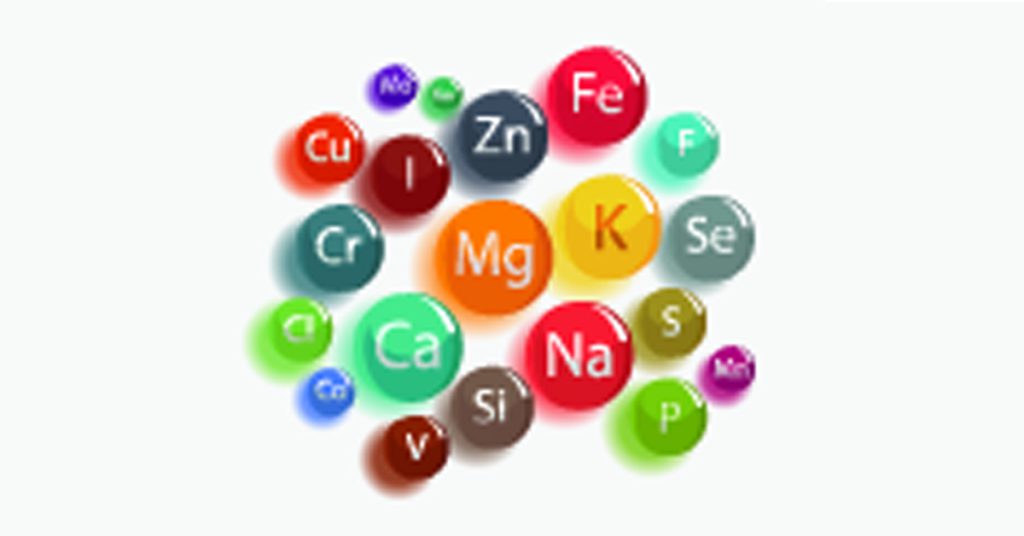
Micronutrients, as the name suggests, are substances required in minute quantities for proper growth and development. Imbalanced intake of micronutrients leads to deficiency or toxicity conditions thereby causing serious health problems.

Vitamins include both fat-soluble types like vitamin A, D, E, and K and water-soluble types like vitamin B-complex and vitamin C. While, minerals include zinc, copper, iron, iodine, manganese, and selenium.

Role and Sources-

1. Vitamin A- Promotes good vision and a healthy immune system.
Sources- Oranges, carrots, meat, and fish.

2. Vitamin B complex- Essential for normal neurological and physiological functioning of the body.
Sources- Fish, cheese, mushrooms, and lentils.

3. Vitamin C- Assists in wound healing and serves as an antioxidant that fights free radicals.
Sources- Cabbage, tomato, green pepper, and citrus fruits (grapes, oranges).

4. Vitamin D Important for bone and teeth health.
Sources- Salmon, Cod liver oil, tuna, cheddar cheese, and mackerel.

5. Vitamin E- Repairs damaged skin and fight free radicals. It possesses anti-aging properties.
Sources- Sunflower oil and seed and peanut.

6. Vitamin K- Regulates in normal blood coagulation. Also helps in bone health.
Sources- cauliflower, cabbage, and fish.

7. Zinc- Boosts immune system, regulates blood sugar, and assists in wound healing, and breakdown of carbohydrates.
Sources- Nuts, cereals, and shellfish.

8. Iron- Improves hemoglobin formation and treats anemia.
Sources- Egg yolk, lentils, red meat, and dried fruit.

9. Iodine- Controls the functioning of the thyroid gland. It also removes toxins from the body.
Sources- Iodized salt, soybean, spinach, and fish.

10. Selenium- Prevents coronary heart disease and is a powerful antioxidant that fights free radicals.
Sources- Eggs, green vegetables, sunflower seeds, fish, mushrooms.

11. Copper- Cures arthritis and helps in absorption and metabolism of iron.
Sources- Almonds, raisins, nuts, and dark chocolate.

12. Manganese- Supports bone health, prevents arthritis and osteoporosis.
Sources- Beans and sweet potatoes.

Micronutrients have macro effect on your Health!

Mental health in India

0

Mental Health in India does deserve some serious attention…

Mental Health India – Madness and Insanity

Most of us have watched several movies, wherein, a person goes on a killing spree.

We might have even encountered some unusual cases of children in the school acting weird or finding it difficult to interact with others. What looks stigma at first and mayhem later, is a serious condition that not only affects the sufferer but also the ones close to them. According to WHO, neuropsychiatric disorders (mental disorders) from India are estimated to be 11.6% of the total cases worldwide. This World Mental Health Day we bring you this article covering the common mental condition affecting Indians.

Mental Illness- Shed The Stigma

Any health condition that can change the thought process, feeling, or behavior of a person, ultimately, causing distress and difficulty in functioning, can be referred to as mental illness.

Sundry of Craziness

Among hundreds of different conditions, some common mental illnesses are- Depression, Obsessive-Compulsive Disorder, Social Anxiety Disorder, Schizophrenia, Bipolar Disorder, Eating Disorder, Insomnia, and many more.

Depression- A war within!-

It is the major reason behind negative emotions like feeling exhausted, worthless, helpless, and hopeless. Stress, loss of a parent, breaking up of a relationship, abuse, neglect, or trauma are the common risk factors among many. Several antidepressant medications and therapies are available which is used to treat depression.

OCD- Controlling or being controlled?

OCD or Obsessive-compulsive disorder can be a long-lasting condition in which an individual experiences uncontrollable obsessions and behaviors of doing something with the urge of repeating it again and again.

Being afraid of dirt, arranging things in order, and fear of harming others are the most common obsessions, whereas, excessive washing or keeping old things can be the common compulsions.

Age, Genetics, Stress, and Environment can be the major risk factors. There’s no cure for OCD to date but, various medical approaches can help control the symptoms.

Social Anxiety Disorder- Why everyone’s looking at me?

It is also known as a social phobia and is characterized by extreme fear of socialization with other people.

It may result in fear of being judged, evaluated, or rejected by others which leads to sweating, trembling, palpitations and nausea.

Several Therapies like cognitive behavioral therapy and medications are available to treat this condition.

Instead of mocking or running from them, try helping them; as nothing beats the happiness which follows after helping someone who can’t help themselves!

Why Thyroid is not a Gland you can Ignore?

0

If you blame lifestyle for your tiredness, sleeplessness, weight, appetite… Then you don’t know about THYROID… Oh!! It can cause it all…

Why Thyroid is not a Gland you can Ignore?

The thyroid is a gland present in front of the neck. It weighs around 20 to 60 grams and has two lobes resting around the windpipe.

With much resemblance to a bow, it produces, stores, and releases two types of chormones.

Hormones: chemical messengers which control several functions of the body.

Any alteration in the levels of thyroid hormones can lead to the development of various conditions

What are thyroid hormones?

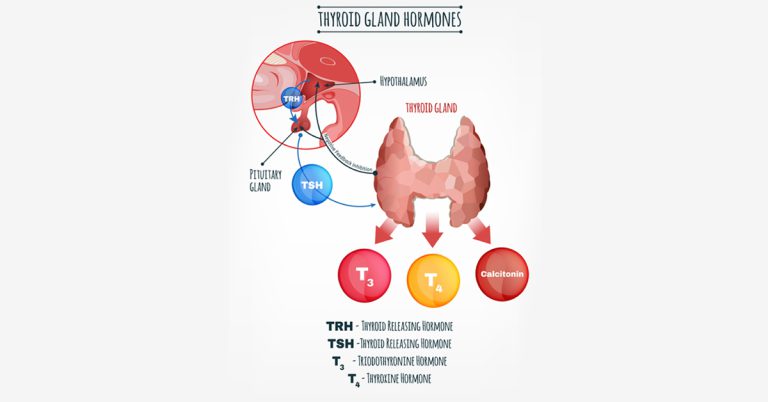
There are two hormones namely Thyroxine or T4 and Triiodothyronine or T3 which are released by the thyroid gland, whenever the need arises.

The thyroid gland releases these hormones when its levels are low in the body and it stops releasing during high levels.

Why are these hormones so important?

These hormones are required for the body’s metabolism (i.e. Conversion of oxygen and calories into energy).

Every cell in our body is dependent on these hormones for its metabolism.

Thyroid hormones regulate important functions of your body like- Breathing & Heart rate, Bodyweight, Menstrual cycles, Cholesterol levels, Body temperature, and many more.

What happens when your thyroid is under active?

This condition is also often referred to as hypothyroidism.

This thyroid gland is unable to produce enough thyroid hormones resulting in low levels of T4 and T3. This can lead to Tiredness, Weight gain, Constipation, Depression, Irregular periods, or heavy periods Being sensitive to cold.

If left untreated, this condition can cause heart problems, infertility, and obesity. In pregnant women, it can affect the mental development of the baby. Extremely low levels of thyroid hormones can cause Myxedema leading to a drop in body temperature and even coma.

Then, what about overactive thyroid?

This condition is referred to as hyperthyroidism.

In this, the thyroid gland produces excessive thyroid hormones resulting in high levels of T4 and T3

This can lead to Nervousness/anxiety, Weight loss, Mood swings, Difficulty sleeping, Fast heart rate, Sensitivity to heat.
When this condition is left untreated, it can lead to heart problems, brittle bones, eye problems, red swollen skin, and thyroid storm.
A thyroid storm is a medical emergency in which heartbeat, blood pressure, and body temperature are increased abnormally to dangerous levels.

Stressed about yourself or your loved ones? Click below the link to know the details of Thyroid related diagnostic tests provided by Thyrocare:

Menopause – The Hormone “Roller-coaster”

0

Menopause, also called climacteric, is the natural biological process through which a woman ceases to menstruate permanently. It’s diagnosed after a woman completes 12 months without a menstrual period. The average age for the onset of menopause is 51 years.

Menopause – The Hormone “Roller-coaster”

The three most common stages of typical menopause involve the following:

Peri-menopause- Reduced production of estrogen and progesterone by ovaries. Ovaries are the main source of female hormones.

Menopause- This condition causes the body to make fewer RBCs and hemoglobin, thus resulting in low levels of MCH.

Post-menopause- It is the time after its identified by a blood test showing very high levels of FSH and low levels of estrogen.

Hormone Dilemma-

A female body undergoes several hormonal (progesterone, estrogen, testosterone, follicle-stimulating hormone, luteinizing hormone) changes before, during, and after menopause:

The follicle-stimulating hormone (FSH) test is the key test to determine whether a woman has entered or not into menopause. When ovaries stop producing enough estrogen, FSH levels shoot upwards observed as physical signs like nausea, back pain, and dry itchy skin. High FSH levels but with irregular menses are a sign of premature ovarian failure. Estrogen levels fluctuate due to excessive exercise and low body fat but low estrogen and testosterone levels and high FSH levels without menses for one year can be considered full-fledged. This typically shows symptoms of vaginal dryness and hot flashes. Since menopause and hypothyroidism share similar symptoms, thyroid tests are also recommended to diagnose suspected cases.

Low levels of estrogen linked with menopause lead to several health problems like;

1. Hot flashes: Feeling of heat on neck and face.

2. Osteoporosis: Weak bone and loss of bone density.

3. Vaginal problems: Vaginal dryness and constant irritation.

4. Heart problems: Fluctuating blood pressure and cardiovascular conditions.

Menopause – This is the beginning of a new phase, enjoy every part of it!

Do’s and don’ts for kidney health

0

Do’s and don’ts for kidney health Kidneys are vital organs that clean your blood from waste products; therefore it is important to keep a tab on your kidney health. Regular health screening and checkups help to keep track of your kidney health.

Do’s and Dont’s for kidney health 

Do’s Dont’s
Keep yourself hydrated Don’t over-hydrate yourself
Consume fruits and vegetables that are good for kidney health Don’t smoke
Use natural herbs and spices to prepare food Keep a tab on sugar and salt
Exercise daily Quit alcohol consumption

1. Hydrate but don’t overdo:

Keep yourself sufficiently hydrated by drinking at least 3-4 liters of water per day. Excessive water consumption may cause over-hydration resulting in a decrease in sodium levels in your blood.

2. Diet Basket:

A] Consume low oxalate food including vegetables like cauliflower, cucumbers, onions, radishes, turnips, mushrooms, eggplants, broccoli, and green beans.
B] Fruits (peaches, plums, apples, cherries, red grapes, cranberries, and melons) are good for kidney health.
C] Dairy products, poultry, fish (salmon), white rice, white pasta, and white bread provide balanced nutrition.
D] Consume natural herbs and spices like mint, ginger, garlic, turmeric, and mustard. They possess anti-inflammatory, detoxification, anti-oxidant and anti-bacterial properties.
E] Consume olive oil, peanut oil, and corn oil which have unsaturated fat.
F] Reduce salt intake to around less than 5g per person per day.
G] Avoid regular consumption of non-prescribed over-the-counter pills. Most common pills for the common cold, headaches contain non-steroidal anti-inflammatory properties which damage kidney functions.

3. Exercise regularly:

Engage in any exercise that increases the blood flow. Running, cycling, weightlifting, or rope jumping is good for people with kidney problems. Keep a regular tab on your blood pressure.

Therefore, what you do every day matters for keeping up with your kidney’s health.

MCH levels in blood? What do they really mean?

0

‘MCH’? Hearing it for the first time? Unheard yet important, this single blood test can reveal many conditions related to hemoglobin… 

MCH levels in blood? What do they really mean?

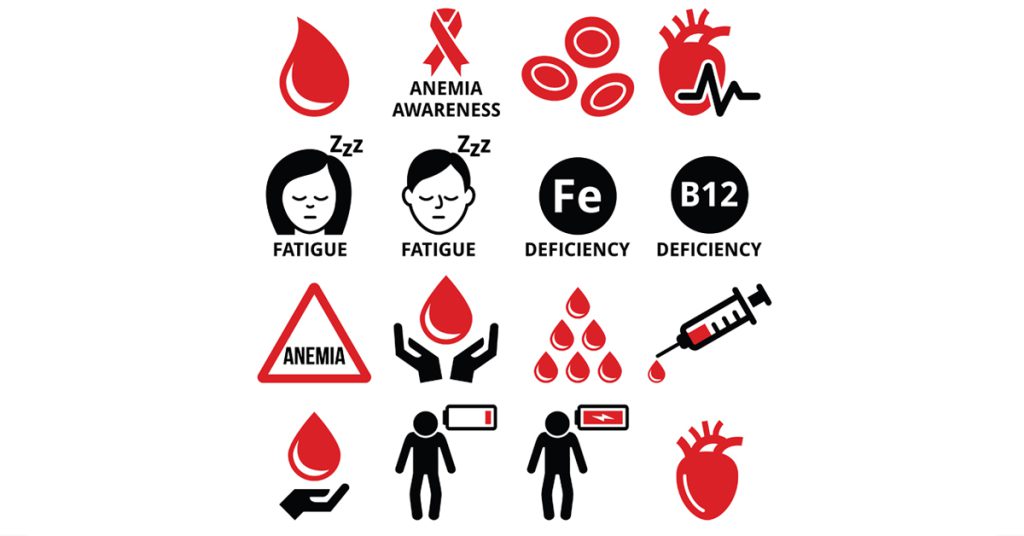
Mean corpuscular hemoglobin (MCH) refers to the average quantity of hemoglobin (a protein) present in a single red blood cell. These values are useful in understanding the cause of anemia. They also help in classifying the types of anemia.

Variations in MCH levels are indications of:

1. Iron deficiency anemia- Iron is important for the production of hemoglobin. Hence lack of iron leads to reduced hemoglobin levels which further reduces MCH.

2. Thalassemia- This condition causes the body to make fewer RBCs and hemoglobin, thus resulting in low levels of MCH.

3. Folate and B 12 deficiency- Anemia due to folate or B12 deficiency, resulting in large oval red blood cells with a normal hemoglobin content. In both, these cases increased MCH levels in the blood are observed.

4. Celiac Disease (Improper absorption of iron)- Certain conditions damage the small intestine resulting in malabsorption of iron and other nutrients. Thereby leading to decreased hemoglobin and MCH levels.

Symptoms of low MCH are as follows:

  • Shortness of breath
  • Chest pain
  • Increased heartbeat
  • Fatigue
  • Pale skin
  • Headache

Managing the MCH levels:

  • Iron supplements
  • Intravenous iron therapy
  • Vitamin supplements

Given below are a few rich sources of Iron:

  • Pulses and beans
  • Dates
  • Brown rice
  • Tofu
  • Beetroot
  • Lean red meat, turkey and chicken
  • Fish- Such as mackerel, sardines, salmon and pilchards
  • Nuts
  • Leafy green vegetables- such as spinach, watercress and broccoli
  • Dry fruit- in particular apricots, raisins and prunes.

MCH is an important parameter in blood and any variations in them could indicate a range of conditions. Understanding the cause of variation is necessary to decide on a treatment method.

World Heart Day Hear the heartbeats differently

0

Does the word “heart disease” scare you? Here we bring our concern towards your heart care wrapped up in words below..!

Hear the heartbeats differently this World Heart Day!

29th September is marked as World Heart Day. On this day, people around the globe resonate with the voice for spreading awareness towards Heart diseases. Today, preventive care is gaining attention, as it is a wise decision that can safeguard our lives by protecting our hearts from diseases.

The heart is an important organ that pumps blood throughout the body. Our lifestyle choices greatly influence heart health. To keep it in good shape, the best way is to look after your lifestyle. A balanced nutritional diet, well-planned health checkups, and regular exercise are some secrets to a Healthy Heart.

Risk factors for Heart Diseases

  • High blood pressure
  • Abnormal blood cholesterol levels
  • Too much alcohol consumption
  • Excessive tobacco use
  • Diseases like Diabetes and Obesity
  • Unhealthy diet
  • Advancing age

What signs and symptoms you should be cautious about?

  • Shortness of breath
  • Pain in chest
  • Numbness of the face, arm, or leg
  • Dizziness and loss of balance or coordination
  • Severe headache with unknown cause

What do the statistics say about Heart Diseases?

  • One of the leading causes of death worldwide
  • Accounts for 31% of deaths worldwide
  • 1 out of 4 people die in India with heart-related problems

What approaches can be taken to tackle Heart diseases?

Prevention: It is beneficial to find out and prevent the cause of heart diseases well in advance. As it helps in easy management of the symptoms.

By following these tips, one can lead a quality life and prolong his or her heart’s health to great extent:

  • Control blood pressure, diabetes, and cholesterol.
  • Regular exercise and healthy diet intake
  • Quit alcohol and smoking
  • Manage stress
  • Have adequate sleep

Value every beat, as it is an indispensable part of the body, Heart if not taken care of, Can place our survival in doubt…!

Rheumatoid Arthritis All You Need To Know About

0

Rheumatoid Arthritis Doubtful of having? Click on read more to be sure about it and find out to what extent it can affect you.

What is Rheumatoid Arthritis?

All you need to know about Rheumatoid Arthritis “Feel confident about your steps even with RA” What is Rheumatoid arthritis (RA)?

It is a condition that occurs as a result of the immune system attacking the body’s own cells, thus leading to swelling of joints.

Does it affect people of all age groups?

The condition is more prevalent among people above 50 years of age and females are more prone to RA as compared to males.

Where do the warning signs appear?

Early signs appear usually in the fingers, wrists, or toes, and sometimes in the elbows, ankles, or knees as well.

What are the typical symptoms of RA?

  • Warm, swollen joints (symmetrical joint swelling)
  • Painful joints
  • Stiff joints (Especially after long hours of inactivity)
  • Weak muscles
  • Fatigue/tiredness

Are all joint Pains due to RA?

Rheumatoid arthritis is not the reason for joint pain every time! Certain other conditions like osteoarthritis which causes wear and tear of joints can also lead to pain.

Exercise-

Exercise by RA patients improves muscle strength, joint mobility, and physical function. The impaired movement of joints that is characteristic of RA is strongly associated with diminished muscle mass. High-intensity resistance exercise can help in managing the issue. Exercise can reduce pain, morning stiffness, and even fatigue in RA.

Diet-

Arthritic patients are advised to reduce their animal protein intake. Also, replace red meats with fish and consume more spinach and beans. Linseed oil is preferred compared to others like safflower or soybean oils. Exclusion of specific food substances which can elevate RA would be helpful.

How can it be diagnosed?

The diagnosis is done by checking the levels of rheumatoid factor(An antibody produced against constituents of own tissue).

Thyroid Hormones: Altering your energy levels!

0

Anxiety? Weight gain? loss? Tiredness? Your altered TH levels may be the culprit. Read all the reasons behind the highs and lows of your Thyroid Hormones.

Thyroid Hormones: Altering your energy levels

A butterfly-shaped gland called Thyroid is present just below the voice box in your neck. It secretes Thyroid Hormones namely Thyroxine (T4) and Triiodothyronine (T3) into the blood. These hormones are important for regulating body temperature, energy levels, and other functions.

Most people know that the thyroid gland secretes thyroid hormones and fluctuation in its levels can affect your energy. But what they don’t know is that there are two more glands that can also affect the energy levels of your body. Yes, Hypothalamus & Pituitary Gland (both located in the brain) also produces hormones that can affect the functioning of the Thyroid Gland, ultimately altering your energy levels.

Over-active thyroid keeps you energetic.

Over-activity of any of these glands- Hypothalamus, Pituitary, and Thyroid gland may lead to over-secretion of thyroid hormones. This condition is known as hyperthyroidism.

Short of breath, fast heartbeat, anxiety, restlessness are a few symptoms of hyperthyroidism. It may be due to

  • Excessive intake of iodine
  • High intake of thyroid hormones and consumption of certain medications
  • Tumor in the thyroid or pituitary gland
  • Thyroiditis (an inflamed thyroid causing excessive production of thyroid hormones)
  • Graves’ disease (an autoimmune disorder in which body attacks it own tissue)

Under-active thyroid causes drowsiness.
An under-active thyroid (Hypothyroidism) is responsible for decreased production of thyroid hormones.
Tiredness, depression, weight gain, slow heart rate, and muscle weakness are majorly observed in hypothyroidism due to low energy levels. This may occur due to-

  • Deficiency of iodine
  • Stress
  • Hashimoto’s thyroiditis (an autoimmune disorder in which body attacks it own tissue)
  • radiation therapy for head and neck cancers
  • treatment for hyperthyroidism, surgery or certain medications

Our body needs certain energy to actively function on a regular basis. Thyroid hormone plays an important role in your body’s metabolism and energy. ATP (Adenosine triphosphate) also known as the currency for energy is required for almost all processes of your body and thyroid hormones have an intense effect on its production. As the level of these hormones drops, your energy level also reduces, thus making you feel tired or drowsy.

Gestational Diabetes- What is it?

0

The good news of a child brings sweetness to life, but can this lead to an increased sugar level too…? 

Gestational Diabetes- What is it?

Gestational diabetes (GD) is a form of diabetes that arises during pregnancy. It occurs when the mother’s body is not able to cope up with the increased demand for insulin (hormone that regulates blood sugar) production, resulting in high blood sugar levels. It usually disappears post-pregnancy but, in some cases, the diabetes may sustain even after giving birth to the child. GD is treatable by proper guidance from the doctors. However, if ignored, it is capable of posing a serious threat to the mother as well as the baby.

How can it affect the mother and baby?

Mothers suffering from GD should carefully control blood sugar levels throughout their pregnancy to deliver healthy babies. However, there are chances that numerous disorders may arise later.

Some negative effects of GD on babies are:

1. Excessive birth weight

2. Early birth (preterm)

3. Respiratory syndrome (Difficulty in breathing soon after birth)

4. Low blood sugar level

5. Risk of stillbirth

6. Shoulder dystocia (due to increasing in birth weight of baby, the shoulder get stuck and fail to deliver; after baby’s head is delivered) Post pregnancy, mothers may develop:
1. High blood pressure 2. Type 2 diabetes

How to identify GD?

Careful observation of certain symptoms during pregnancy can be helpful. These include:

1. Fatigue

2. Blurred vision

3. Excessive thirst

4. Frequent urination

5. Snoring

6. Extreme hunger

Who are susceptible?

Some important risk factors that make females prone to GD are:

1. Age above 40 years

2. Having a family history of Diabetes

3. Being overweight

4. Expecting multiple babies (twins)

5. Women suffering from Polycystic ovarian syndrome (PCOS) and Acanthosis Nigricans (skin disorder)

6. If weight is gained rapidly in the first half of pregnancy

Takeaway

For many women, diagnosis of GD may be upsetting. But below-mentioned tips may be helpful to maintain a healthy pregnancy:

1. Regular blood checkup to monitor blood sugar levels

2. Adopt a healthy diet in pregnancy

3. Avoid unnecessary excess weight gain during pregnancy

An eye on the sweetness levels and its monitoring is essential to shield you and your baby from unwanted diseases, especially during pregnancy.