Home Blog Page 15

‘Undo’ ing Hypothyroidism

0

“Life would be simpler if we could just press an undo button to revert back to normal! But the good news is IT IS POSSIBLE if you inculcate a few changes…”

When the thyroid gland gets TIRED:

YES, that is hypothyroidism, when your thyroid gland secrets fewer amounts of thyroid hormones (T3 and T4) and higher amounts of TSH (thyroid secreting hormone). Since thyroid hormones are responsible for growth and development, they are interlinked with various other health conditions. Hypothyroidism results in elevated levels of sugar, cholesterol levels, and high blood pressure.

Foods to the RESCUE –

  • Iodine-rich: iodized sea salt, sea food, baked potatoes, yogurt, and banana.
  • Selenium-rich: sunflower seeds, Brazil nuts, soybeans and mushroom.
  • Tyrosine containing: legumes, meat, dairy products (milk, cheese and yogurt).
  • Vitamin B source: meat, fish, egg (both egg yolk and egg white), poultry.
  • Gluten-free grains, whole grains and nuts.
  • Meat, chicken, fish (salmon and tuna).
  • Zinc-rich foods: oysters and other shellfish.

Which foods to AVOID and WHY-

  • Cruciferous vegetables (broccoli, cauliflower, kale and cabbage) are goitrogenic i.e. they interfere with iodine uptake and decrease the secretion of thyroid hormones.
  • Gluten intake from wheat, rye, bread and pasta interferes with the absorption of thyroid hormone.
  • Processed foods (mostly packaged and frozen food stuffs) contain high amounts of sodium which increases the risk of high blood pressure. Hypothyroidism is the secondary cause of hypertension so it is better to avoid the pressure hike.
  • Fatty foods (butter, mayonnaise) and fried foods interfere with optimum secretion of thyroid hormones.

COMBO effect –

A healthy lifestyle is not just eating right or joining a state-of-the-art gym, it is a balanced combination of proper food, exercise and routine diagnosis.

Healthy Breakfast Choices

0

Healthy Breakfast Choices

Breakfast is an extremely important meal for your body. It is often linked to good health, better memory, and concentration. Therefore, its wise choice is mandatory.

1. Fruits-

Fruits like bananas, apples, grapes, papaya, and watermelon are easy to digest and are an excellent source of vitamins, fibers, and minerals.

2. bowls of cereal-

Whole wheat cereals including oats provide roughage and dietary fiber.

3. Salads-

This chopped dish even from few ingredients is a nutrient-rich diet. One can easily combine fruits, veggies and other ingredients to add variety and flavor.

4. Eggs-

They are a powerhouse of proteins. They are also a good source of choline, a nutrient important for brain and liver health.

5. Sprouts-

Having sprouts in breakfast is good for everyone. They are an excellent source of vitamin K, C, fiber, and other essential minerals and also the best substitute for snacks.

6. Nuts-

Eating nuts in breakfast is a great start to the day. They are rich in fats thus reducing bad cholesterol.

7. Milk-

This most common breakfast item is a bundle of nutrition. Milk improves bone health and strengthens our immune system.

8. Greek Yogurt-

This tangy, creamy yogurt is a good choice to add to breakfast. It is rich in calcium and protein.

9. Cottage Cheese-

Cheese is a fantastic breakfast. It increases metabolism and decreases the level of hunger hormone (ghrelin).

Therefore, it is correctly said that ‘Do not skip a breakfast; in fact have it like a KING’.

5 Things to Avoid Bad Cholesterol

0

Avoid Bad Cholesterol

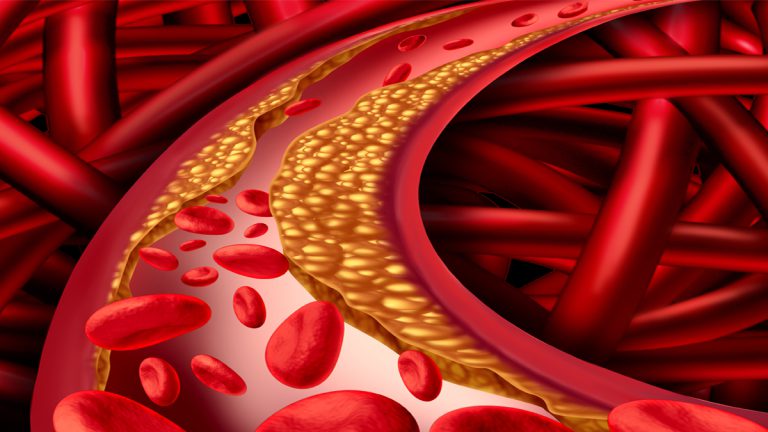
Cholesterol is a waxy, fat-like substance, present in all cells of the body. It is required to synthesize hormones, vitamins, and bile juices that help indigestion. But too much cholesterol can block blood flow and increase the risk of heart attack and stroke.

2 Types Of Cholesterol are present in our bodies.

  • 1. High-density lipoprotein (HDL) is referred to as good cholesterol.
  • 2. Low-density lipoprotein (LDL) and Triglycerides are also called bad cholesterol.

5 Things To Avoid Bad Cholesterol

1. Unhealthy diet: Consuming food rich in saturated and trans fat increases cholesterol levels.

  • A. Saturated Fats, Dairy products (whole milk, cream, ice cream, cheese), Tropical oils (coconut, palm)
  • B. Trans fats- Hydrogenated fats (margarine, peanut butter, non-dairy creamers, and whipped toppings), Processed snacks (potato chips, cookies, cakes, icings)
  • C. Refined carbohydrates- Sugars (table sugar, powdered white sugar, corn syrup), Instant grains (instant oatmeal and rice), Flour (wheat, rice, corn)
  • D. Dietary cholesterol- Red meat, shellfish, and poultry skin

2. Obesity: It has a direct association with increased levels of cholesterol. Lack of physical activity, over-eating, and excess fat accumulation in the body result in obesity thus, increasing the risk of cardiovascular diseases.

3. Cigarette smoking: Smoking injures the linings of the blood vessels and results in coronary artery diseases in people with high cholesterol levels. It also lowers the level of good cholesterol in the blood.

4. Excessive alcohol consumption: Drinking too many alcoholic drinks can increase triglycerides levels in the blood.

5. Irregular health check-ups: There are usually no signs and symptoms of high cholesterol levels therefore regular health check-ups should be done to avoid bad cholesterol.

The key factor to understand is that the most powerful tool comes from grocery stores and not from pharmacies, so choose your tools wisely….!

Ways to Manage Diabetes Efficiently

0

Manage Diabetes

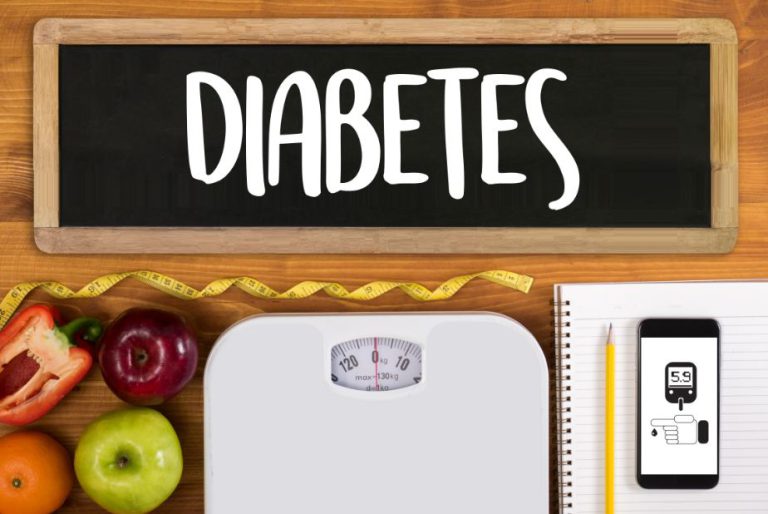
Diabetes is a chronic, life-long metabolic condition that affects the body’s ability to use the energy found in food. It is said that diabetes has no cure. But, that does not mean it is not manageable. Manage Diabetes by following steps.

1. Know your Diabetes

Diabetes is a metabolic disorder in which blood contains high sugar levels for a long period of time. There are 2 types of Diabetes. Type 1 diabetes is an auto-immune condition where the body’s immune system attacks its own pancreas which leads to decreased insulin production. It mostly affects kids and adolescence. In Type 2 diabetes body is unable to utilize the insulin produced by the pancreas (insulin resistance).

2. Nutrition

Having a diet low in carbohydrates and sugars is essential in managing diabetes. Consumption of healthy carbohydrates like fruits, whole grains, and vegetables has a beneficial effect on diabetes.

3. Monitor your Diabetes

After discussing this with your doctor you can buy one of the various glucometers available in the market to measure your blood glucose level on regular basis. Your doctor can tell you the routine for measuring blood glucose levels according to your condition.

4. Technology

In today’s world, when most people are moving along with the latest technology and trends it will be peculiar to feel its absence in the diabetic world. There are many mobile-based applications that can track your calorie intake, sugar counts, sleep, or data from glucose monitors and insulin pumps which can be helpful in managing your diabetes.

As Dale Evans said “Life is not over because you have diabetes. Make the most of what you have, be grateful” this could be your inspiration for Manage Diabetes on regular basis.

Avoid Passive Smoking With 6 Effective Ways

0

The Ugly Truth About Passive Smoking

Taking a cigarette break from your routine schedule to refresh yourself is not only harming you but also others around you. Often referred to as second-hand smoke, it possesses a serious threat to your family, friends, children, and colleagues.

Who are at high risk from passive smoking?

1. Children– They are more likely to be affected because their organs are in a growing and developing phase. Slower growth of lungs, chances of asthma, risk of cardiovascular diseases, and respiratory infection like bacterial meningitis are always high in children that become exposed to passive smoking.

2. Pregnant women– During pregnancy, long-term exposure to second-hand smoke may cause premature birth with the risk of low birth weight of the baby. Passive smoking is one of the major factors to cause miscarriages, sudden infant death syndrome (SIDS), and a compromised psychological development of the baby.

3. Family & Friends– Smoking in your house or car can severely affect your family and friends. Passive smoking is more dangerous than direct smoking. Second-hand smoke contains at least 250 harmful and toxic chemicals that may lead to heart diseases and lung cancer.

How To Avoid Passive Smoking?

  1. Help your family members to quit smoking.
  2. Live in a smoke-free environment.
  3. Don’t allow smoking at home or in the car.
  4. Avoid public places that allow smoking.
  5. Teach your children the health hazards of smoking.
  6. Ask a smoker to stub out his/her cigarette when smoking at non-smoking areas.

There Are Two Types Of Cigarette Smoke-

1. The one which the cigarette smoker exhales during smoking and

2. The other that comes out from the lit end of a burning cigarette. Often, the smoke coming from the lit end is more dangerous since it is unfiltered and has small particles which easily enter our lungs.

Threat to Heart Health

0

Day in and day out we are trapped in our routine unhealthy lifestyle. Lack of physical activity, poor eating habits, excessive body weight, smoking, alcohol consumption, and stress puts us at higher risk for heart diseases which are a major threat to our overall wellbeing. Understanding this alarming situation and taking corrective actions within time is the key to keeping your health in good condition.

Heart Risk Factors

1. Unhealthy diet

Regular consumption of saturated fat in the form of fried and fatty foods, cold drinks, burgers and pizzas, red meat, etc. increases the blood cholesterol. Likewise, foods with high sodium can raise blood pressure which can put you at a higher risk for heart-related conditions.

2. Smoking

Cigarette smoking is injurious to your heart health. It damages the cardiovascular system as nicotine causes tightening of blood vessels thus reducing the blood flow. It also raises blood pressure, weakens blood vessel walls, and increases blood clots. Smoking not only puts your health at risk but is also harmful to the people surrounding you.

3. Obesity

Excessive body weight (obesity) is one of the major risk factors for heart diseases. Obesity develops over time when you consume more calories and burn a few. These unused calories then add up and make you overweight thereby putting you at increased heart risk for heart diseases.

4. Sedentary Lifestyle

Our modern lifestyle is mostly confined to sitting positions that cause more harm to our health. It puts our health at higher risk for metabolic and heart-related disease.

5. Stress

Stress is a growing concern in modern society. Studies suggest that stress influences blood clotting which in turn increases the Heart Risk risk.

Hence it is correctly said, “Re-set your habits to reinstate your heart health”

Tests Recommended During Pregnancy

0

Pregnancy is the best feeling for every woman. Both, the fetus and mother need utmost care and regular check-ups for their better health.

Pregnancy is the best feeling for every woman. Both, the fetus and mother need utmost care and regular check-ups for their better health.

Tests Recommended During Pregnancy

Following tests are recommended during all three trimesters of pregnancy:

1. First-trimester testing:

A] Blood tests- Complete Blood Count (CBC) determines hemoglobin levels in red blood cells. Lack of hemoglobin will supply less oxygen to the developing fetus. Mother’s blood is screened for Hepatitis B and C and Human immunodeficiency virus (HIV).

B] Blood typing and antibody screening- Checks for Rh compatibility between mother and fetus. An antibody screen determines if potentially harmful antibodies are present in the mother’s blood.

C] PAP test and HPV testing- Screens for cervical cancer, inflammation, or any sexually transmitted diseases (STDs). HPV testing assesses women’s cancer survival risk.

D] Urine Screening- High glucose or protein in urine indicates gestational diabetes or kidney disease. Bacterial vaginosis test detects bacterial infections, which may cause pre-term labor.

E] Thyroid testing- Monitors functioning of the thyroid gland, which produces the hormones thyroxine (T4) and triiodothyronine (T3) necessary for healthy growth and development of fetus and mother.

2. Second-trimester testing:

A] Antenatal screening for double, triple, and quadruple markers determine maternal risk for having a child with Down syndrome, Edwards syndrome, or neural tube defect.

B] Amniocentesis- This diagnostic test detects certain birth defects and fetal chromosomal abnormalities.

C] Anomaly scan- Performed before 20th week to rule out any fetal defects.

3. third-trimester testing:

A] Group B streptococcus test- Streptococcal infections can infect the mother’s uterus and urinary tract thus harming the fetus during birth.

B] Contraction stress test- Measures fetal heart rate at the onset of labor and throughout delivery. Electronic fetal heart monitoring monitors fetal heart rate during pregnancy, labor, and delivery.

Antenatal checkups are the mother’s most important responsibility…!

Wellness Matters.. How wellness is important in life

0

Importance Of Wellness

We all talk about wellness and its importance; every-other social media site is discussing and gives tips on how to achieve well-being. In general terms, wellness is a broad subject, it is not only confined to maintaining a disease-free body but also emphasizes awareness, choices, and actions for achieving a healthy and fulfilling life.

Take an instance of a person, who is living a regular life and is not fully aware of the importance of a nutritional diet, physical exercise, and regular preventive health check-ups. This person may be disease-free but misconceives it as wellness. Such a person can be anyone amongst us. Even you and I could’ve as easily fallen prey to any widespread misconception as this one.

What is Wellness?

In general terms – wellness is a state of being in optimum health. It is an active process of getting aware and taking action to achieve a healthy and fulfilling life. In this blog, we are focusing on physical wellness and ways to achieve it via preventative healthcare solutions.

Why does it matter?

We all aim to attain overall well-being to live a high-quality life. Anything we do or every emotion we feel is directly associated with our well-being. It affects our emotions and actions. It is a continuous process, therefore, we must gain optimal wellness to combat stress, minimize the possibility of diseases and establish positive interactions.

How Preventive Healthcare leads to Wellness?

The preventative healthcare sector has been playing a major role in creating awareness and redefining wellness for the Indian population. As a habitual system, we generally ignore our health unless we fall sick. However, with the commencement of preventative healthcare brands, understanding regarding regular check-ups and diagnostic has gone to another level.

Leading brands such as Thyrocare, have come forth to help people avail preventative health care. Among these, Thyrocare takes the pedestal when it comes to providing world-class and high-quality diagnostic solutions at affordable rates to the Indian sub-continent and now, globally.

These preventive healthcare packages have been made available by Thyrocare under the Aarogyam and Wellness umbrella and cover almost all pathological tests. These packages help us keep a track of our health status, thereby, assisting us to achieve overall well-being. With the use of these tests/profiles, you can be knowledgeable about and control any ongoing abnormality and prevent upcoming diseases.

Thyrocare’s Wellness Packages

1. Aarogyam A, B, and C are the most affordable and highly availed health packages

2. A1C Diabetic

3. Mini Aarogyam

4. Wellness – Silver, platinum, gold, bronze

5. Diabetes Panel – 1,2,3

6. Vitamin Panel – 1,2,3

7. Thyroid Panel 2 and 3 With a mission to cater to the needs of all including the people who cannot afford it, Thyrocare offers all the tests/profiles at pocket-friendly prices.

Overall, wellness matters and it’s easy to achieve through preventative care.

Here’s How Vitamin D Will Benefit You!

0
Benefits-of-Vitamin-D

Is bone the only word that comes to your mind when you hear about Vitamin D? Dig into the roles of the “Sunshine Vitamin” 

Benefits Of Vitamin D

This fat-soluble vitamin is also called the sunshine vitamin. Vitamin D plays many important functions including bone metabolism and has anti-inflammatory and immune-modulating properties. Among the several benefits of vitamin D, the most important one includes the following-

1. Vitamin D and Diabetes:

 Vitamin D deficiency can affect functions of pancreatic β-cell and insulin sensitivity thus causing Type 2 diabetes.

2. Vitamin D and Cardiovascular Disease:

Vitamin D receptors are present on cells of the cardiovascular system (cardiomyocytes, endothelial cells, and vascular smooth muscle cells). These cells produce 1α-hydroxylase, which converts 25-hydroxyvitamin D to calcitriol. Calcitriol inhibits vascular smooth muscle cell proliferation, regulates the renin-angiotensin system (maintains vascular resistance), decreases coagulation and exhibits anti-inflammatory properties (prevents atherosclerosis). Vitamin D also prevents stroke, coronary heart disease, and heart failure.

3. Vitamin D and Bone Health:

Vitamin D maintains phosphorus and regulates calcium levels in the blood. Calcium and phosphorus levels in the blood are important for healthy bones. Vitamin D deficiency causes Rickets (a condition with weak or soft bones in children). In adults, low levels of vitamin D lead to poor bone density (osteoporosis) since low vitamin D levels decrease the active transcellular absorption of calcium in bones.

4. Vitamin D and Cancer:

It also plays an important role in the regulation of cell growth and differentiation, reducing cancer progression and thus preventing cancer cell death. Calcitriol reduces cancer progression by slowing the growth and development of new blood vessels in cancerous tissue, reducing cell proliferation and metastases.

Vitamin D is also essential for a healthy pregnancy, healthy infants (prevents diseases like asthma, eczema & atopic dermatitis), boosting weight loss, and reducing depression. Vitamin D deficiency is also associated with an increased risk of rheumatoid arthritis, Alzheimer’s disease, and swine flu.

So go out and soak up all the sunshine!

Why do you need to test your thyroid regularly?

0


Importance of Thyroid Test.

The thyroid, also called the ‘Master gland’ of the endocrine system regulates body metabolism. It secretes two important hormones viz., T3 (triiodothyronine) and T4 (thyroxine). Any kind of irregularities in the levels of T3 and T4 hormones might cause thyroid and thyroid-related disorders.

Hypothyroidism is a metabolic condition where the thyroid gland does not produce enough thyroid hormones. Its symptoms include weight gain, lack of energy, and depression.

Hyperthyroidism is a metabolic disorder that involves excess secretion of thyroid hormones. Its symptoms involve weight loss, anxiety, and tremors.

It is important to keep a regular tab on your thyroid function with the help of thyroid tests.

Thyroid Function Test:

Thyroid blood tests measure the levels of T3, T4, Thyroid Stimulating Hormone (TSH), Free T3 and Free T4 in blood. Thus, this test helps to effectively diagnose hyperthyroidism or hypothyroidism and other thyroid-related disorders.

Blood test interpretation:

The below-mentioned blood test interpretation helps to diagnose/detect hyperthyroidism, hypothyroidism and subclinical hypothyroidism.

Diagnosis TSH test T3 test T4 test
Hypothyroidism Elevated Low Low
Hypothyroidism Suppressed Elevated Elevated
Subclinical hypothyroidism Decreased Normal Normal

Benefits of Regular Thyroid testing:

  • This testing evaluates the level of thyroid hormones. Thus, it helps to determine the type of thyroid disorder.
  • It checks the effectiveness of treatment/management plans for thyroid disorders.

Thus, regular thyroid testing not only helps in the diagnosis of thyroid but also helps to determine thyroid-related disorders like high cholesterol, hypertension, and diabetes.

* Thyroid patients must undergo regular thyroid testing every 6-8 weeks as per the doctor’s advice.