Home Blog Page 16

In Arthritis- A Big NO to these Foods to avoid

0

Food – Fighter or feeder for arthritis…!

The food we eat can either protect us or feed the disease because it has a direct impact on our health. Therefore, proper knowledge about what to eat or avoid is necessary especially for people with arthritis, because some food products can cause serious inflammation and make their condition even worse.

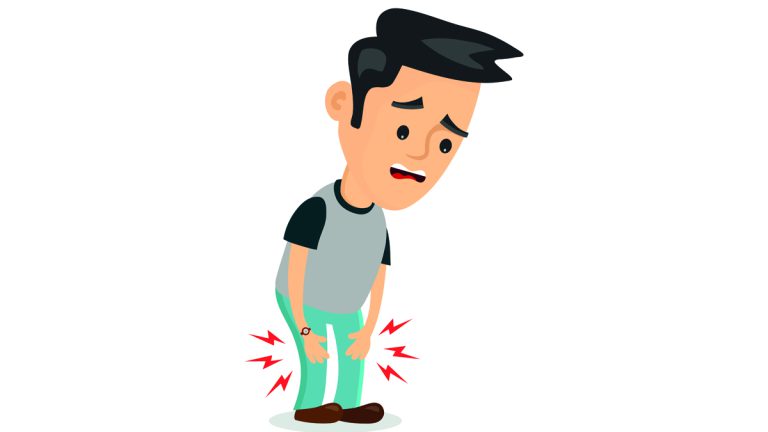
Arthritis is an inflammation condition in which people suffer from swelling and pain in joints. Proper diet can help to avoid the pain of arthritis while improper diet can worsen the condition.

What to restrict from kitchen…?

  • Refined carbohydrates– Processed products like white flour products (breads, rolls, crackers) white rice and white potatoes (instant mashed potatoes, or french fries) have adverse effects on arthritis. They have high-glycemic index which produce advanced glycation end (AGE) products that stimulate inflammation.
  • Processed food– High fat content is found in fast foods. Fried products (processed snack foods, frozen breakfast products, cookies and donuts) should be avoided from the regular diet.
  • Alcohol and Tobacco– A diuretic combination of alcohol and arthritis may lead to dehydration which worsens the joint pain. Also, chewing tobacco affects the arthritic person’s immunity, health and its medication and become an interruption in its treatment.
  • Refined sugars– Desserts, pastries, cake contain excess amount of sugars which initiate the production of inflammatory and pain inducing proteins like cytokines.
  • Fats and oils– Saturated fats are inflammatory in nature. Products like red meat, dairy products (butter, cheese, mayonnaise and margarine) contain high levels of saturated fats. Omega-6 fatty acids that are found in oils can also trigger the response to produce pro-inflammatory chemicals.

What the heck is hemoglobin!

0

Heard about hemoglobin? It’s in your blood… literally! It can make you tired, weak, and sick…Do you know why?

Why is our blood red in color?

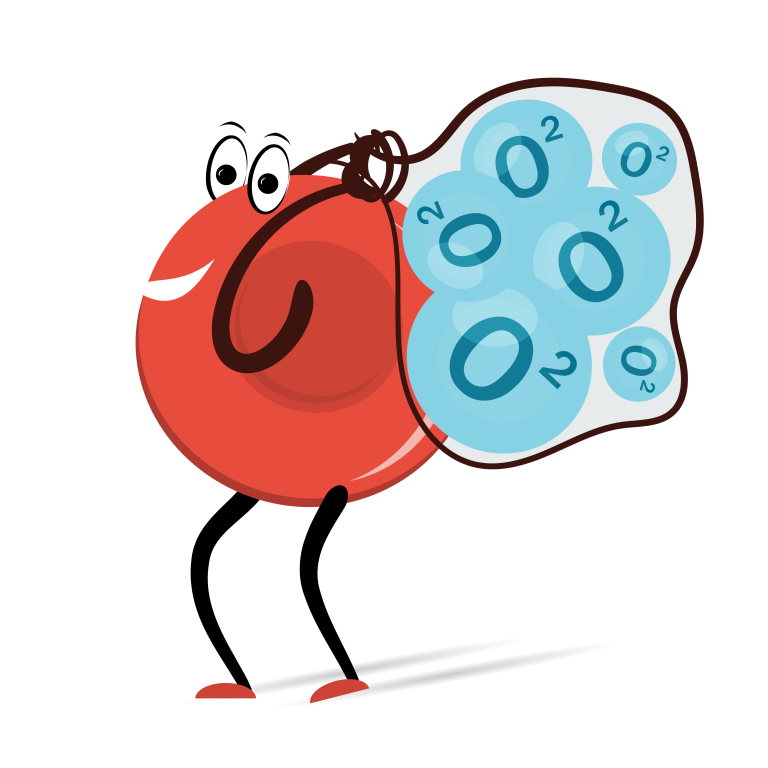
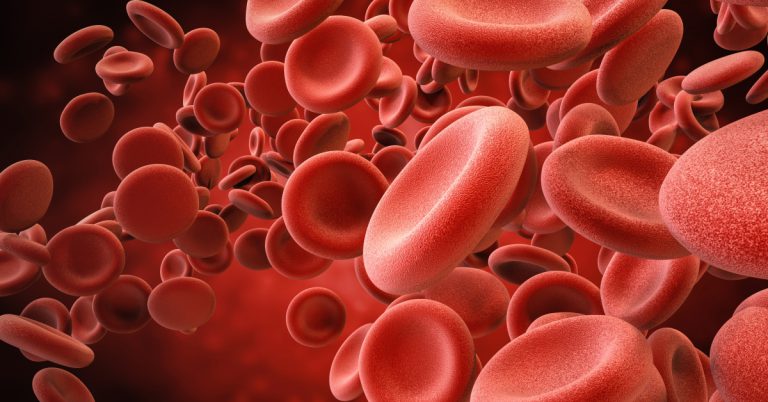
The Red Blood cell or RBC gets its color from Hemoglobin. It is a protein that has 4 iron chains within it; when oxygen gets attached to these chains while the blood passes via the lungs, it makes the combination of iron and oxygen produce the distinct red color. Making hemoglobin a very important part of your entire system.

Why do we need to check hemoglobin levels?

The amount of oxygen present in the bloodstream has a direct impact on how much oxygen gets received by the cells of your body. How old you look, how fresh you feel, how active you are, all are determined by the nourishment your cell gets, which includes Oxygen!

How much hemoglobin is good?

The normal range varies for men, women, and children.
Men- 13.5 to 17.5 grams per deciliter of blood
Women- 12 to 15.5 grams per deciliter of blood

What signs to watch out for symptoms of low Hemoglobin?

  • Fast and irregular heartbeat
  • Pale skin and gums
  • Fatigue (Extreme tiredness)
  • Weak muscles
  • Frequent or unexplained marks on skin
  • Recurring headaches

What causes hemoglobin variations?

There are a number of possible reasons such as:

  • Lack of iron which is required to make new hemoglobin
  • A deficiency in Vitamin B12 or folate which help in absorption of iron
  • Conditions causing blood loss especially menstrual cycle
  • Genetic conditions or hemoglobin defects

How to maintain the normal range?

Intake of iron-containing food like jaggery, pomegranate, beetroot, dates, and green vegetables.

  • Addition of folate containing food like Avocado, Kidney beans and lettuce in diet.
  • Increasing iron absorption by taking food rich in Vitamin C like orange, lemon and bell peppers.

” An important element of the blood system to keep you breathing and healthy “

Infertility and increasing age a myth?

0

Infertility and age

Infertility and increasing age a myth? Or can your age really affect the chances of having a baby… 

Can being over 35 affect fertility? “Having a child is a blessing, But can age hold you from embracing this joy…?”

Does fertility have any relation to age?

Fertility is defined as the natural ability to reproduce or give birth. There is a mild decrease in fertility in women in their late 20s, while a more appreciable reduction occurs after age 30, and fertility rapidly declines after age 35. Age-related fertility issues are observed both in females and males.

Why does fertility decrease in females after 35?

Loss of oocyte (eggs)- You may be surprised by the fact that every woman is born with a certain finite amount of eggs! And this number is at its peak during birth and further declines with age. This decrease continues till the start of menopause i.e. a period marked by end of menstruation thereby an end of fertility.

The decline of egg quality- As the age increases the quality of egg decreases hence, older women have poor egg quality. The reason for this reduced quality is majorly due to some genetic instability. This overall reduces the likeliness of such eggs being fertilized. And even if they do fertilize, the risk of miscarriage, birth defects, or abnormalities like Down’s or Turner’s syndrome is very high.

How to assess the number of eggs (aka your ovarian reserve)?

To assess fertility we have to check the levels of Anti Mullerian Hormone (AMH). It is a chemical messenger produced by the reproductive organs of men and women. AMH levels is the best marker of ovarian aging. Ovarian reserve testing (AMH testing) can be performed for women older than 35 years, who have been unable to conceive for a period of 6 months or more.

Decreased levels of AMH during a woman’s childbearing years can be an alarming sign of low number as well as the quality of eggs (low ovarian reserve). This reduces fertility resulting and even minimizes the response to IVF treatment. It may help in identifying abnormal functioning of ovaries (premature ovarian failure).

The decline of fertility in males!

YES! Like females Fertility in men also decrease after a certain age. Infertility is 30% more for men over age 40 years as compared to those younger than 30.

The significant reasons for infertility include Low sperm count, poor sperm movement and abnormal morphology, Decrease Seminal volume.

Even though age is just a number! Respecting the body’s natural clock is our call to enjoy the bliss that we are gifted with …

7 Surprising Signs Of Vitamin Deficiency!

0

Are you overlooking the signs of your body as some minor wear and tear? Beware those can be Signs Of Vitamin Deficiency indeed!!!

7 Surprising Signs Of Vitamin Deficiency!

“All those vitamins aren’t to keep death at bay, they’re to keep deterioration at bay”

-Jeanne Moreau

What are Vitamins?

Vitamins are essential nutrients required by the body. They help in the proper functioning of various body processes. Most of the vitamins cannot be produced by our body and hence needs to be supplemented through diet.

The common symptoms of vitamin deficiency are:

Brittle Nails- Deficiency of vitamin B7, also called Biotin or vitamin D results in weak and brittle nails.

Hair Loss- It could be associated with a deficiency of niacin (Vitamin B3) or a lack of biotin (Vitamin B7). A diet rich in these vitamins along with iron and zinc can help in reducing hair loss.

Lesions and Mouth ulcers- These symptoms are associated with a lack of vitamin B or Iron. Redness and swollen patches in the corner of the mouth is the characteristic sign associated with Riboflavin deficiency (Vitamin B2).

Fatigue and Tiredness- This could be associated with Vitamin D deficiency which is also known as the Sunshine vitamin.

Dry Scaly Skin and Dandruff- Although very commonly seen among people it is usually ignored. They could be early indications of various vitamin deficiencies including niacin (vitamin B3), riboflavin (vitamin B2), pyridoxine (vitamin B6), and Vitamin C.

Dry Eyes and Night Blindness- Low levels of vitamin A are often linked to a condition known as night blindness. It reduces people’s ability to see in low light or at night. If left untreated, night blindness can progress to Dry eyes, a condition that causes irreversible damage to the cornea.

Bleeding Gums- It is an evident symptom of vitamin C deficiency. Vitamin C plays a vital role in wound healing and the prevention of cell damage.

These seven signs are your body’s way of sending signals about possible vitamin and mineral deficiencies. So, recognizing them and including essential vitamins in the diet as well as supplements, when required will help in overcoming the associated health issues to a great extent.

Lymphoma Cancer- A Closer look

0

Lymphoma Cancer Read on to know more about this unheard yet the increasingly common type of Cancer.

Lymphoma – A Closer look

On this World Lymphoma Awareness Day (WLAD), held on September 15 every year, let’s understand lymphoma a bit closely.

What is Lymphoma Cancer?

Lymphoma is a cancer of the lymph nodes. Mostly located in the neck, armpits, and groin, the lymph nodes are basically small and kidney bean in shape. We have nearly 600 of them in our bodies!

What is Cancer?

Cancer is an abnormal and uncontrolled growth of cells forming tumors.

What are the Risk Factors?

Aging, Immune suppression, Chronic Infection, Environmental Carcinogens (nitrates, fertilizers)

What are the signs and symptoms of lymphoma Cancer?

Symptoms of Lymphoma are usually overlooked since they are non-specific and hence, early detection becomes a problem. Common early symptoms of lymphoma include:

  • Enlarged lymph nodes (Painless persistent lump in neck and armpit)
  • Chronic fatigue
  • Unexplained or persistent fever
  • Drenching night sweats
  • Low blood count
  • Unexplained weight loss

How Common is it?

  • 4% increase in incidence per year
  • Lifetime risk of development of lymphoma is 1 in 50
  • Number of new cases are nearly 20 out of 100,000 per year
  • It constitutes 6% of all childhood cancers

How is it treated?

Treatment for lymphoma depends upon the stage at which the cancer is detected. Hence, early diagnosis is the first step towards treating cancer. Treatment options include-

Radiation therapy, Chemotherapy.

Awareness is better than overlooking… Early diagnosis is better than rigorous treatments.. bringing us back to prevention is better than cure!!

Infertility and Thyroid Cause And Symtoms

0


Infertility and Thyroid!! Duo… You can lose your chance at parenthood!

Thyroid disorders can cause infertility in men too!

The butterfly-shaped thyroid gland is the master controller present in the neck. It has a significant role in the growth and development of the body. This gland plays an important role in maintaining fertility. If the quantity of hormones (chemical messengers) released by the thyroid gland gets disturbed, many problems are seen within our body. Imbalance in these chemical substances leads to thyroid disorders and may result in infertility-related issues in men and women.

Role of Thyroid Gland

Thyroid Hormones are necessary for the proper functioning of male reproductive organs. Disorders of the thyroid gland are found to alter the levels of these hormones. One of the most important functions of the male reproductive organ (testes) is sperm production which may be affected by thyroid disorders. Thus, having a negative impact on fertility in males.

What may lead to infertility?

Some of the thyroid disorders that possibly contribute to infertility are as follows:

1. Hypothyroidism is a disorder in which the thyroid gland produces less than the required amount of thyroid hormones and may cause:
Erectile dysfunction, Poor sperm motility and decrease in sperm count Disturb libido (sex drive).

2. Hyperthyroidism is a condition when the thyroid gland produces more than the required amount of thyroid hormones and may cause:
Premature ejaculation, Low libido.

Infertility- A curable malady

Infertility-related problems due to thyroid disorders are treatable. Early diagnosis and management may help reduce its symptoms. Also, effective treatment for hypothyroidism and hyperthyroidism in many cases has enabled regaining fertility. A complete thyroid panel testing is usually recommended for diagnosis of unexplained infertility that includes testing of following parameters:

The blood level of TSH (Thyroid-stimulating hormone), Free and total T3 (Triiodothyronine), Free and total T4 (Thyroxine)

Let the thyroid balance fill the gap between you and fathering

A simple Hemoglobin test could answer many silent issues

0

Confused, which routine test to go for? Choose a hemoglobin test and get answers to many hidden health conditions. Share

A simple Hemoglobin test could be the answer to many silent issues!

You may be wondering how a simple hemoglobin test can tell about your health? And more importantly what actually is this hemoglobin? Well, Hemoglobin is one of the essential components of blood. It is found in red blood cells. Many diseases and disorders have a direct impact on the hemoglobin levels of our body.

When an easily affordable test is able to find out so many maladies, one can predict how worth this test is! Here are some symptoms that indicate the need for a hemoglobin test.

Symptoms of low hemoglobin:

  • 1. Increased heart beat
  • 2. Chest pain
  • 3. Pale skin
  • 4. Breathlessness

Symptoms of high hemoglobin:

  • 1. Increased sweating
  • 2. Headache
  • 3. Itchiness
  • 4. Exhaustion
  • 5. Abnormal weight loss

A hemoglobin test is capable of revealing various undetected conditions. Some of them are described below:

Blood and bone related problems

High and lows in hemoglobin in the bloodstream indicate the presence of bone marrow disorders (aplastic anemia, myelodysplastic syndrome). These disorders cause inaccurate production of blood cells. Blood cancers (leukemia, lymphoma) can also affect the number of red blood cells.

Insufficiency of Nutrients

The deficiency of folate, iron and vitamin B12 in the body can be detected by hemoglobin tests results. These deficiencies generally arise due to reduced dietary intake of these vitamins.

Kidney Malfunctions

Disturbance in the levels of hemoglobin is found to be caused when the kidney does not function properly. In turn indicating kidney failure, kidney infection, or tumor in the kidneys.

Heart and Lung diseases

Fluctuations in the test results reflect the chances of lung and heart diseases, and infections ranging from minor to severe.

Internal bleeding

Sometimes a recent surgery can cause internal bleeding that may remain undetected. Hemoglobin test can provide a hint to the doctors about this blood loss.

Takeaway

A disease is easy to treat if diagnosed at the right time. In presence of symptoms that bring the focus towards any disease, one must not avoid or delay tests recommended by doctors at any cost.

“Diseases cannot be eliminated, though, early diagnosis and treatment can save a life”

The secret to a healthy heart

0

A healthy heart is a healthy life, but how do you keep the heart healthy?

The secret to a healthy heart! 

“ Eat smart …..stay healthy!! ”

It would be surprising to know that simple changes in the diet and lifestyle can keep our heart healthy for a long period by delaying the onset of diseases!!

Below are a few secret tips to a healthy heart:

1. Exercise- It can bring about an enormous reduction in the accumulation of fat. Following a long-term exercise regimen is an effective method to prevent heart diseases.

2. Phytosterols- These are very similar to cholesterol. It occurs naturally in small quantities in certain plants like corn, soya bean, and sunflower. Thus, consuming them helps to reduce the cholesterol level.

3. Fiber- It can bring about an enormous reduction in the accumulation of fat. Following a long-term exercise regimen is an effective method to prevent heart diseases.

4. Soy products- An important dietary variation that can be made is the replacing of animal protein with vegetable protein like Soy products. Substituting cow milk with soy milk and meat with tofu will lower cholesterol levels.

5. Fish and Fish oils- Eating 200 to 300 grams of fish or shellfish per week can prevent heart diseases. For people who do not consume fish, oils rich in omega 3 fatty acids are recommended.

6. Indian spices- Ginger, garlic, curcumin, cinnamon, black pepper, and coriander which are spices used in every Indian household help in maintaining the cholesterol level and reducing the risk of associated heart disease.

Heart diseases related to the thickening of blood vessels and blockage of the blood flow can be avoided to a great extent. This can be done by preventative measures including a healthy diet and lifestyle. As it is correctly said, “Prevention is always better than cure”.

Arthritis- Age No Bar!

0

The disease is known for its own timeline; excruciating pain throughout your body; do you know why?

Arthritis- Age No Bar! The connectivity of arthritis with old age is an age-old myth.

There are many facts surrounding Arthritis such as

  • The risk of developing arthritis increases with age
  • Women are more prone to developing arthritis than men
  • And the rather surprising one is that arthritis can affect anyone at any age

We often tend to associate joint pain or Arthritis with elderly people but, this myth is proven to be false by current the scenario. This is further explained by the statistics which estimates that 1 in 3 people between the age group of 18-64 years have arthritis.

The term “Arthritis” refers to the condition affecting joints and surrounding tissues. It generally causes inflammation (swelling) in joints such as knees, wrists, fingers, toes, and hips, and in the tissues surrounding it. Common types of arthritis include Rheumatoid arthritis, Osteoarthritis, and Juvenile Arthritis.

Types of Arthritis.

Rheumatoid Arthritis-

It is a condition in which the body’s immune system targets and destroys our own body cells. This results in pain, swelling, stiffness, malformation, and reduced movement and function. Commonly affected joints involve joints of fingers, thumbs, wrists, elbows, shoulders, knees, feet, and ankles.

Osteoarthritis-

A painful joint disease that involves the joints of hips, knees, neck, lower back, or small joints of the hands. It usually develops on performing repetitive activities or tasks such as playing a favorite sport or carrying around excess body weight.

Juvenile Arthritis-

Also called childhood arthritis, it is a term describing arthritis in children. It causes pain, joint swelling, stiffness, inflammation of the eye, and loss of motion. The most common of these include rheumatoid arthritis which leads to inflammation and causes joint damage.
Even the strongest bone can be the weakest point of health. Exercise is the key to managing at every age!

5 Signs of Alzheimer’s Disease!

0

5 Signs of Alzheimer’s Memories are the most precious part of life but what if all these memories are erased? Yes, Alzheimer’s could be the reason behind it read on to find more.

5 Early Signs of Alzheimer’s Disease!

Bertrand Russell, a British philosopher once said “A smile happens in a flash, but its memory can last a lifetime”. Sounds good, right? Now, imagine a scenario where a person’s brain is getting blighted by each passing day, ultimately affecting the memory.

Yes! you get it right.. Alzheimer’s may be the cause.

Although there are plenty of other conditions affecting memory, Alzheimer’s is the most common one, especially in the elderly.

In an effort to raise awareness about this condition, this World Alzheimer’s Day, we bring the details for uncovering the signs of Alzheimer’s affecting your mental sharpness or maybe your loved ones.

The 5 early signs are:

1. Messy Memory

It is the most common sign which occurs at the earliest onset of this condition. Are you or your loved one forgetting information more than normal? Is it difficult to remember past events, certain names, or tasks? Are you getting reminded of things more frequently? Then, it’s the right time to consult your doctor.

2. Planning Problems

Some may have a problem with making a schedule and then sticking to it. One might find it hard to complete a task or even concentrate. Trouble in following a recipe while cooking or keeping track of your bills can also be the reason.

3. Difficulty in Daily Tasks

Alzheimer’s sufferers often find daily tasks tough to complete or might take more time than usual. Safe driving, cooking your favorite meal, making a grocery list, remembering your traveling route all become difficult.

4. Communication becomes Complicated

Remembering a word becomes hard, speaking becomes worried, and communicating with others becomes a struggle. Alzheimer’s affects an individual’s communication/conversation skills. One might stop in the middle of a conversation, repeat themselves, or recall things by wrong names.

5. Mood Swings and Misplacing Things

Confusion, depression, anxiety, and suspicion are all common among the patients. A person can quickly get angry and irritated from being calm. They often misplace things and have difficulty in finding the items. Often, they’ll start blaming or accusing others of their belongings.

Alzheimer’s may come slowly, may progress slowly, but as time progresses the problem becomes worse. If you see these signs, don’t ignore them and visit the doctor. More early the diagnosis is, the better the management for Alzheimer’s; benefiting both, the sufferer, and the family.