Amylase catalyzes the breakdown of complex starch. Most of the serum amylases are mainly derived from the pancreas and pituitary gland. The measurement of alpha-Amylase is important for the diagnosis of pancreatitis (inflammation of the pancreas) as well as other pancreatic and intestinal diseases.
Technique
PHOTOMETRY
Who prescribes
Gastroenterologists, General physician, General Medicine, Surgeons
Androstenedione is a steroid hormone secreted by the adrenal glands, ovaries and testicles. It is responsible for the onset of sexual differentiation in males and development of male secondary sexual characteristics after the onset of puberty, including, deepening of voice, growth of facial hair, etc. Excess of androstenedione may result in ambiguous external genitalia (infants external genitals do not appear to be clearly either male or female), hirsutism (abnormal growth of facial hair in females), abnormal menstrual cycles in girls and precocious puberty (puberty before age of 9) in boys. Elevated levels are associated with adrenal cancer, some ovarian and testicular tumors, adrenocortical tumors and congenital adrenal hyperplasia.
Technique
C.L.I.A
Who prescribes
Endocrinologist, Dermatologist, General physician, General Medicine
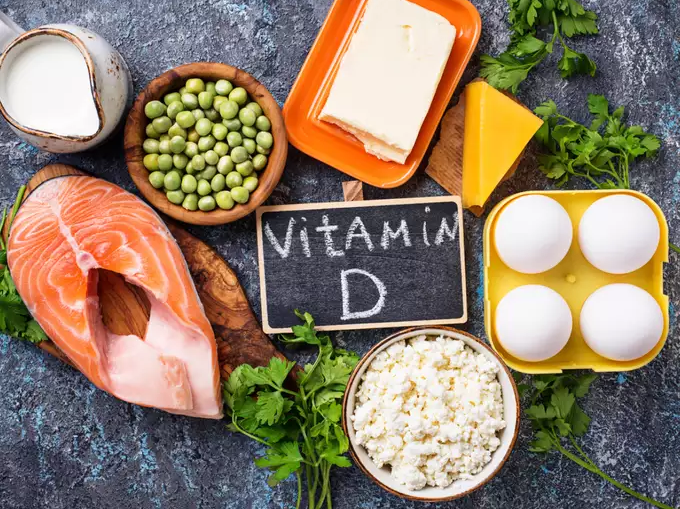
25-OH Vitamin D, a precursor of calcitriol, is the major circulating form of Vitamin D in the body, and measuring its levels helps in monitoring Vitamin D. For routine lab tests, estimation of 25-OH Vitamin D (Total) is preferred as it has the highest concentration in the body among all other vitamin D metabolites and is stable for almost two weeks. Book 25-OH Vitamin D test
The steroid hormone, 17-hydroxyprogesterone (17-OHP) is produced as a part of the process of synthesizing the cortisol hormone. This 17-OHP test measures the levels of 17-hydroxyprogesterone in the blood to detect Congenital Adrenal Hyperplasia (CAH), an inherited condition that causes decreased adrenal cortisol and aldosterone, and increased male sex hormone (androgen) production. As a part of routine newborn screening, wherein the infant’s sex is unclear (ambiguous genitalia) or when a female has increased growth of facial and body hair (hirsutism) or other symptoms that could be related to elevated male sex hormones, or when a male child has premature sexual development, the 17 OH PROGESTERONE Test can be performed.
A full body checkup benefits you in more ways than you think. You cannot ignore these benefits if you want to live a good quality of life.
Stress, lack of physical exercise, age, genetic predisposition, and unhealthy eating habits are major factors that contribute to the deterioration of our health. And before we know it, several diseases come knocking at our door. Some of these diseases are “silent killers,” harming the body without causing any symptoms.
A full-body health checkup like Aarogyam X is, therefore, aimed to recognize and minimize such risks at an early stage. A Complete Body Checkup includes various tests for thyroid disorders, diabetes, cholesterol, blood pressure, heart diseases, kidney diseases, and many more.
Full Body Checkup Benefits: Why You Should Get Yourself Tested Regularly?
Here are some benefits of getting a Whole Body Check-up done consistently:
1. Detects diseases early
The most striking benefit is that it detects serious diseases before they become fatal. The tests enable the doctor to understand your current health status and detect potential risks depending on your age, sex, and lifestyle choices. Early intervention can help prevent the disease from progressing into a life-threatening condition.
2. Detects genetic predisposition
If you are doing everything right to stay healthy, you might not consider getting a full body health checkup done. But it’s important because these tests can detect diseases that run in your families for generations. Life-threatening diseases such as cancer, heart disease, diabetes, hypertension – all have a genetic predisposition, which can be detected in a regular full body checkup. Early diagnosis of these diseases ensures timely treatment and a better outlook.
3. Lowers healthcare costs
Full body health checkup helps reduce the financial burden of healthcare costs. By detecting potential health issues much before they become critical, you can save money on expensive treatments.
4. Improves quality of life
Early disease identification makes you aware of your current health condition, allowing you to become more active by making certain lifestyle changes. Inculcating healthy lifestyle habits can help you stay healthy and live a better quality of life.
5. Empowers you with the latest trends and technologies
When you conduct a health checkup regularly, you stay up to date with the latest trends, technologies, and innovations in the medical field. This helps you be better informed on the line of treatment administered to you and empowers you with information that can help you manage the disease better.
Preventive healthcare is not a choice anymore. If you want to ensure there’s no disease lying dormant, silently destroying your body, you need to get yourself checked periodically. Moreover, a full-body checkup benefits not only in preventing diseases but also in helping you maintain your health optimally.
‘Your diet is a bank account. Good food choices are good investments.’ – Bethenny Frankel
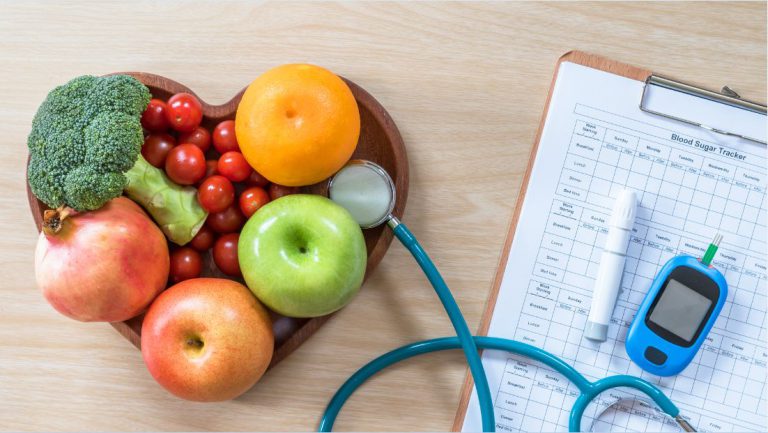
It’s a fact that type 1 and type 2 diabetes are manageable with a healthy diet on regular basis. Choosing healthy food rich in vitamins, minerals, fibers, and antioxidants with the right amount of nutrients shall help in long-term diabetes management.
Regular consumption of the following five foods shall prevent your sugar spike!
1. Fish
Majority of the fish (Mackerel (Bangda), Lobo Rohita (Rohu) or Bombay duck (Bombil) contain optimum amounts of omega-3 fatty acids (polyunsaturated fatty acids). Diet rich in omega-3 fatty acids may decrease your insulin resistance thereby reducing the risk of obesity and type-2 diabetes. The standards of Medical Care in Diabetes (2017) by the American Diabetes Association recommend eating fish twice per week.
2. Eggs
Eggs are a good source of protein, potassium, omega-3 fatty acids, and nutrients (lutein and choline). Egg yolk contains biotin which helps in increasing insulin production.
3. Spinach
Apart from being low in carbohydrates, this leafy vegetable is rich in vitamin A, K, folate, phosphorus, potassium, and zinc. It has a low glycemic index (GI). The American Diabetes Association has recommended the consumption of spinach for individuals suffering from Type-1 diabetes and Type-2 diabetes.
4. Fruits
Whole fruits like apples, grapes, bananas, oranges, etc. are a good source of fibers and antioxidants. Most fruits have a low glycemic index (GI) therefore their regular consumption decrease the risk of diabetes. Scientific studies suggest avoiding the consumption of fruit juice as fruit juice increases the risk of diabetes.
5. Apple cider vinegar
Drinking 2 tablespoons of apple cider vinegar mixed in a glass of water before bedtime can improve insulin sensitivity, weight loss, and cold. It is highly recommended to avoid the concentrated form which may cause stomach irritations.
Your lifestyle plays a crucial role in controlling your diabetes. Following are the quick tips to manage your diabetes.
1. Exercise
Regular exercise can increase your insulin sensitivity and help your muscles in absorbing glucose, thereby reducing blood glucose levels. Apart from exercise, swimming and yoga also help you with diabetes. However, it is advisable to discuss with your doctor the duration and type of exercise.
2. Food
Eating food rich in fibers, proteins, polyunsaturated fatty acids, vitamins, and minerals can help you in controlling diabetes. Food having a low glycemic index (GI) should be preferred over food containing carbohydrates and sugar. Oatmeal, fruits, and barely are a few of them which can be consumed by diabetics.
3. Stress
Stress alone does not cause diabetes but it can definitely worsen the condition. Every type of stress like mental, physical, work, or emotional stress affects diabetes. Research has found out that in type 2 diabetics, it generally leads to an increase in blood glucose level, whereas varied response was observed in type 1 diabetics.
4. Sleep
A less than normal sleep can lead to high blood glucose levels and vice versa, an alteration in your blood glucose levels can affect your sleep as well. Less sleep would lead to tiredness thereby resulting in overconsumption of food which can ultimately increase your blood glucose level that further disrupts your sleep by making you feel too warm or causing frequent urination.
5. Alcohol
While hitting for your favorite alcoholic drinks you should be aware of the certain facts
A sedentary lifestyle can hit us with lifestyle diseases. The way we live our lives has a direct effect on our health. Irregular diet, lack of physical activity, and sedentary living style may cause obesity, hypertension, and high cholesterol which increase the chances of diseases like Heart ailments and Diabetes.
Here are some tricks to stay away from these diseases-
1. Eat healthily:
We all consume regular meals yet do not have the same health. This is because we eat inadequately nutritious food. Our meal must contain the right amount of fruits, green vegetables, nuts, and cereals.
2. Reconsider traveling and transportation options:
Innovate traveling to works place. Choosing a cycle over a vehicle is the best alternative.
3. Reorganize office sitting:
Continuously sitting and working for hours can be tiresome. Therefore, walk and talk if company rules allow or stand while eating your meal.
4. Hydrate yourself:
Water increases satiety. It helps to boost your metabolic rate and lose weight. Also, drinking water in short intervals is important. Consumption of cold water is better than warm water because the body consumes extra calories to heat the water to body temperature.
5. Power yoga:
Practicing yoga provides both mental and physical benefits and it brings to body and mind together. This powerful exercise incorporates breathing exercise, meditation, and posture that are designed to reduce stress and encourage relaxation.
Various tips on dieting have evolved over the years to help people reduce weight and manage their health. One of the most celebrated and scientifically proven diets is the keto diet. The Keto diet is widely practiced for its effectiveness in weight reduction. A keto diet is low in carbohydrates, moderate in proteins, and high in fats. Research states that the keto diet not only helps you lose weight but also reduces the risk of heart diseases.
Benefits of Keto Diet:
Promotes weight loss
Reduces risk associated with heart diseases
Maintain muscles
Regulate blood glucose levels
How does the Keto diet work?
Keto diet promotes fat intake because of which the body enters a metabolic state called Ketosis. In ketosis, body starts converting fats into ketone molecules that provide energy for the brain.
Keto diet results are seen after few days or weeks when the body and brain efficiently burn fat and ketones for obtaining energy instead of carbohydrates.
Food to consume in Keto Diet: Low-carbohydrate vegetables- Tomato, pepper, onion, and various green leafy vegetables.
Tips for effective results:
Fat-containing fish- Salmon, tuna, trout, and mackerel.
Meat- Red meat, chicken, turkey, steak, and ham.
Dairy Products- Unprocessed cheese (cheddar, cream, or mozzarella), butter, and cream.
Nuts- Almonds, walnuts, flaxseeds, chia seeds, and pumpkin seeds.
Oils- Coconut oil, extra virgin olive oil, and avocado oil.
Eggs- Pastured/whole eggs.
Condiments- Pepper, herbs, and spices.
Stick to a high-fat diet and limit low-carbohydrate foods.
Include eggs, fish, meat, nuts, butter, healthy oils, avocados, and lots of low-carbohydrate vegetables in your meal with regular exercise to obtain expected results.
The gut or the gastrointestinal tract is a part of the digestive system which takes food inside, digests it to extract energy and nutrients, and expels the remaining waste. The gut has a significant influence on major functions of our body.
Why is Gut microbiota so important?
Gut microbiota is a complex ecosystem that comprises of around 100 trillion bacteria.1 The composition and function of gut microbiota vary with location, age, gender, race, and diet. Some bacteria in this ecosystem are beneficial and therefore called ‘good bacteria, while the harmful ones are called ‘bad bacteria’.
PREBIOTICS AND PROBIOTICS: Importance in gut health-
Probiotic and Prebiotic are the latest nutrition buzz words. It is not just a shuffling of vowels from ‘e to ‘o’, they are actually different and perform important roles. If we consider probiotics as seeds and gut as the soil then prebiotics is the fertilizers that would enhance this entire symbiotic process.2 They both improve our health by increasing the number of beneficial bacteria in the gut thereby preventing the invasion of harmful bacteria. Prebiotics are a class of plant fiber that is non-digestible for humans but serves as a nesting ground for probiotic bacteria.
Dietary sources of prebiotics
Green leafy vegetables and raw vegetables (garlic, onion, leeks, and chives)
Whole-grain and sprouted-grain breads, soyabeans, legumes and oats
Avocado and bananas
Apple cider vinegar (organic)
Probiotics are live microorganisms that can be consumed to increase the population of good bacteria in our gut microbiota. Most common probiotics contain strains of lactobacilli and bifidobacteria.
Dietary sources of probiotics:
Yogurt
Probiotic supplements
We conclude with a famous saying, “A strong gut feeling comes from a healthy gut.”