Home Blog Page 27

How Hyperthyroidism and Hypothyroidism Are Treated?

0

A lot of people are battling thyroid disease and thyroid treatment has been helping these people live healthy life. Your thyroid produces hormones that are responsible for regulating many different functions of your body, including metabolism, heart rate, and body temperature. When these hormones are produced in small or large amounts, it causes thyroid disease. The purpose of thyroid treatment is to mimic the normal function of the thyroid as closely as possible.

The thyroid disease is of different types, including hypothyroidism, hyperthyroidism, Hashimoto’s thyroiditis, and thyroiditis. Sometimes, we tend to confuse thyroid disease symptoms with other conditions, making it difficult to diagnose. Fortunately, if you have the slightest doubt that you could be developing thyroid disease, you can get the T3-T4-TSH test done. The test measures the hormones from the thyroid gland along with thyroid-stimulating hormone (TSH). The pituitary gland releases TSH that is responsible for triggering your thyroid.

If your TSH levels are high, it means that there is less production of thyroid hormones and your body is telling your thyroid gland to make more of them. This condition is called hypothyroidism.

Hyperthyroidism is exactly the opposite. In this type of thyroid disease, the thyroid hormones levels are high and the TSH levels are below normal.

Thyroid Disease Treatment

Post diagnosis, your doctor will decide the thyroid treatment on the basis of your thyroid condition with the goal of returning your thyroid hormone levels to normal.

If you have hypothyroidism, the common treatment option is:

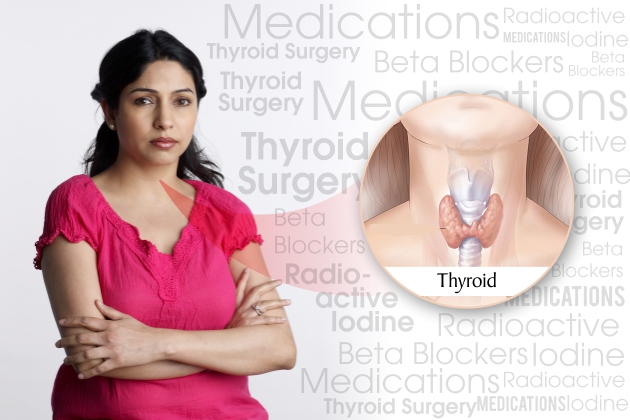
  • Thyroid replacement medication: A drug replaces the missing amount of thyroid hormones that your body isn’t making. Patients can orally take the synthetic hormones, in a pill form. The most common medication used is Levothyroxine.

If you have hyperthyroidism, your thyroid treatment options include:

  • Medications: Doctors prescribe anti-thyroid drugs like Propylthiouracil and Methimazole to decrease the production of hormones. These medicines prevent the hormone release from the thyroid gland.
  • Beta-blockers: These types of medications help control the thyroid symptoms and don’t change the hormone levels in the body.
  • Radioactive iodine: This treatment method prevents the thyroid gland from producing a high number of thyroid hormones by damaging the thyroid cells.
  • Thyroid surgery: The removal of a hyperfunctioning nodule within the gland or a large goiter using surgery. Thyroidectomy is the process of surgical removal of the thyroid gland. However, after the removal of the thyroid gland, you will have to take synthetic thyroid replacement hormone for life.

Usually, treatment is available for managing thyroid diseases. Making healthy lifestyle changes can go a long way in helping you live a quality life with a thyroid disorder. There’s much you can get from clean eating, regular exercise, and controlling stress.

How to Manage Your Cholesterol Levels

How to reduce cholesterol naturally

Diet plays important role in lowering cholesterol. Herein, we will discuss how to reduce cholesterol naturally. Cholesterol is essential and plays a vital role in the normal functioning of the body. However, cholesterol is of two types – good cholesterol and bad cholesterol.

Low-density cholesterol (LDL) or “bad cholesterol” can make plaques in arteries, and High-density cholesterol (HDL) or “good cholesterol” takes away bad cholesterol from the bloodstream. A lipid profile test is performed to detect cholesterol levels. Irregular cholesterol levels increase the risk of heart disease and it affects one in every three individuals. A simple change in lifestyle can help reduce cholesterol naturally.

Below are basic lifestyle changes that you can follow to reduce cholesterol naturally to lower cholesterol without medication:

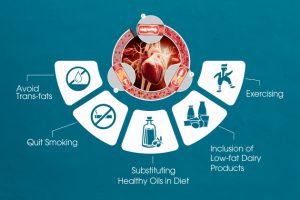
  1. Avoid Trans-fats:

Read labels on nutritional products twice to control the diet and help avoid trans-fats. They are “hydrogenated oils” resulting in increasing LDL levels and decreasing HDL levels. They are major offenders when it comes to increased cholesterol levels. Cutting off trans-fats from your diet is the best move.

2. Increase in Soluble Fibre in Diet:

Soluble fiber is good for the digestive system. It promotes probiotic bacteria in the intestine. A low-cholesterol food is high in soluble fiber. It helps in lowering LDL in the bloodstream. It also helps in promoting cardiovascular health.

3. Substituting Healthy Oils in Diet:

Oils and fats are rich in unsaturated fats and raise LDL levels in the blood. Substituting solid fats like butter, margarine, etc., with healthy oils has proven to reduce LDL levels in the blood. The American Heart Association (AHA) recommends using oils that have less than 4 grams of saturated fat per tablespoon (and no trans fats). Swapping solid fats with healthier options like olive oil, grapeseed oil, etc., are easy.

4. Inclusion of Low-fat Dairy Products:

Dairy products are high in saturated fats, but choosing low-fat cheese, milk, and other dairy products decreases LDL. It limits the consumption of unsaturated fats, thereby helps in the management of cholesterol levels.

5. Exercising:

Keeping your body moving around, has a lot of benefits- including managing blood pressure and many other heart-health benefits. Exercising every day results in increased HDL. It not only makes you look good but also feel good.

6. Quit Smoking:

Smoking decreases HDL and increases total cholesterol, along with the risk of other heart diseases.

A combination of diet-workout and other lifestyle changes helps you in managing and controlling cholesterol levels. Start lowering your cholesterol today!

Complete Blood Count: Explained

Complete Blood Count.

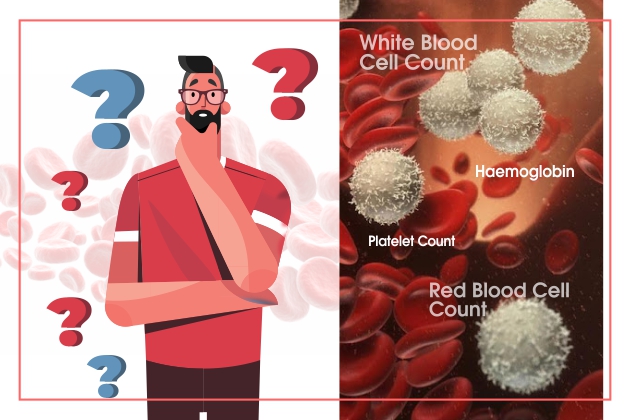
Complete blood count (CBC) is an essential part of our routine health check-up; hence it is essential to have an understanding of complete blood count. It is a highly common blood test among all the diagnostic tests. It is a test that provides information regarding white blood cells, red blood cells, hemoglobin, platelets, hematocrit, etc.

Let us get an understanding of the complete blood count. It focuses on looking at different levels of cells in the bloodstream. There are specific ranges for different cells and are useful to detect underlying diseases such as anemia, infections, etc. It is necessary to make sure that we stay healthy and deal with possible issues that we may have with our health.

Have wondered why a CBC test is required? Your doctor might advise CBC test for various reasons like – a routine check-up or as a follow-up to monitor certain treatments.

Let’s understand the CBC test in detail:

White Blood Cell Count (WBC) and WBC Differential Count: 

Also known as leucocyte count, it is made up of various types of cells differentiated on their size and shape. The different cells include granulocytes, lymphocytes, monocytes, eosinophils, and basophils.

Red Blood Cell Count (RBC):

The RBC or erythrocyte count is the number of red blood cells in a volume of blood. Red blood cells are smaller than WBC. They are the most common cell type in blood, and people have millions of them in their blood circulation.

Haematocrit:

This test tells the percentage of your blood made up of red blood cells.

Hemoglobin: 

It is a protein in RBC that transports oxygen from the lungs to the other body parts and carbon dioxide from other body parts to the lungs. The hemoglobin levels diagnose anemia, polycythemia, etc. Neither high nor low hemoglobin is good for your health.

Mean Corpuscular Volume (MCV): 

It measures the size (volume) of the RBC.

Mean Corpuscular Hemoglobin (MCH): 

It measures the amount of hemoglobin in the blood.

Red Cell Distribution Width (RDW): 

It measures how the RBCs vary in size and shape.

Mean Corpuscular Hemoglobin Concentration (MCHC): 

It tells you the percentage of your blood cells made up of hemoglobin.

Platelet Count: 

A platelet also called a thrombocyte, helps in forming blood clots. This test measures the number of platelets present in the blood.

Mean Platelet Volume (MPV): 

It measures the average size of the platelets found in your blood.

CBC is not diagnostic. However, your doctor will interpret your results along with your symptoms, medical history, and other test results, and will suggest additional tests if necessary.


Dietary Strategies for Hypothyroidism

0

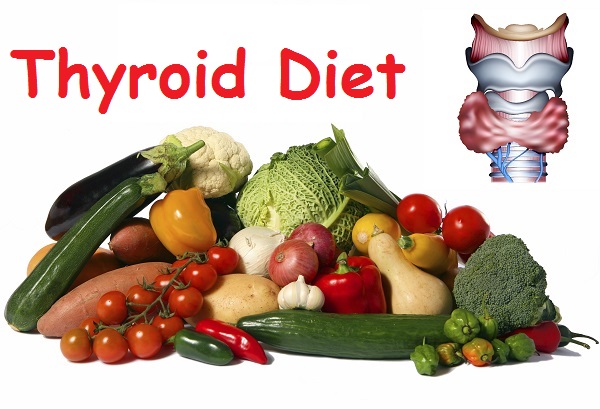
A thyroid diet cannot cure hypothyroidism, but it definitely helps with weight control and increased energy levels. Significant changes in what and how you eat can help manage the symptoms of hypothyroidism and boost your immune system.

Here are some dietary strategies for hypothyroidism that you can consider.

Thyroid diet

1. Increase Your Fibre Intake

A fiber-rich diet is one of the best ways to lose weight. Fiber helps speed up the elimination of toxins, regulate digestion, and regulate calorie intake. Consider including plenty of fiber-rich foods in your diet, such as fruits, vegetables, and legumes.

2. Limit Consumption of Sugar and High-Carb Foods

Consuming too much-refined sugar or simple carbohydrates can increase inflammation and increase your risk of type 2 diabetes. To reduce these risks and control your weight, limit or eliminate starchy foods and other forms of sugar from your diet. Consider adding low-glycemic foods. A paleo diet (low sugar intake) or a ketogenic diet (low carbohydrate diet) are good dietary strategies to consider for hypothyroidism.

3. Include More Gluten-Free Products

Researchers have established a link between gluten sensitivity and autoimmune diseases such as Hashimoto’s thyroiditis. So, consider consuming gluten-free foods to help manage hypothyroidism and lose weight.

4. Increase Your Iodine Intake

Iodine helps stimulate thyroid function in the body. Increase TSH production by adding iodine-rich foods to your diets, such as eggs, dairy, and fish.

5. Have More Selenium-Rich Foods

Selenium is an essential mineral that helps the body produce the TSH hormone. Adding selenium-rich foods to your diets, such as eggs, sardines, and various types of legumes, may help destroy free radicals that contribute to weight gain.

6. Add Good Fats

Include healthy fats such as avocados, olive oil, and healthy nuts in your healthy diet. These fats have anti-inflammatory properties that strengthen the immune system and help control the symptoms of hypothyroidism.

7. Have Small, Frequent Meals

Hypothyroidism reduces digestive function. Small but frequent meals containing balanced protein, healthy fats, and complex carbohydrates help maintain sugar levels in the body and promote fat burning.

Tips to Protect Your Kidney Health

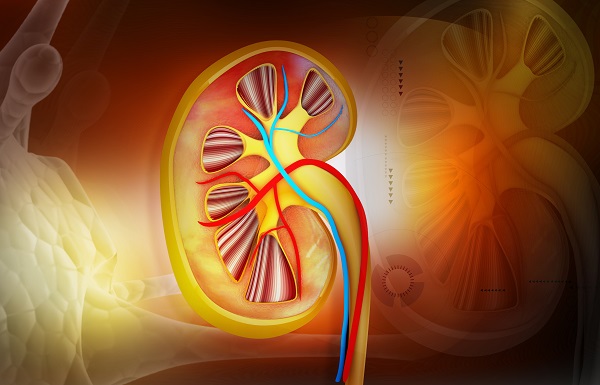
If you don’t think about your kidney health often, you’re probably not aware of how to prevent kidney failure. Your kidneys are your body’s filtration system – they filter waste and extra fluid out of your body through urine. When the kidneys fail to do their job, the whole system collapses, causing kidney failure.

Keep Kidneys Healthy and Prevent Kidney Failure

Kidney failure often isn’t diagnosed until it’s too late. It’s only when the disease is in the advanced stage (needing dialysis or transplant), the symptoms show up. How to prevent kidney failure? The key to preventing kidney failure is finding the disease in its nascent stage, much before the trouble starts. You must take an annual test, especially if you are at risk (family history, high blood pressure, high cholesterol, and diabetes) of kidney failure. You can test the performance of your kidneys through KIDPRO, a preventive health checkup package. KIDPRO includes a combination of blood tests for assessing how good your kidneys are in filtering the fluids and excreting the wastes.

Tips to Prevent Kidney Failure

If you’re wondering how to prevent kidney failure, we have listed a few tips that will help you in protecting your kidney health. Because diabetes, high blood pressure, and high cholesterol put pressure on the kidneys to work harder than usual, these tips are related to managing these three conditions.

1. Manage diabetes, high blood pressure, and high cholesterol.

If you have diabetes, high blood pressure, or heart disease, the best way to protect your kidneys from damage is to keep their numbers within the normal range and take all the medicines as prescribed. 

2. Eat a heart-healthy diet.

Consume foods such as fresh fruits and vegetables, low-fat or fat-free dairy products, and whole grains. Cut down on sugar and salt.

3.  Aim for a healthy weight.

Obesity increases your risk for conditions such as diabetes, and high blood pressure, which eventually causes kidney failure. So, talk to your dietitian for a realistic diet plan.

4. Get enough sleep.

Sleeping for at least 7 to 8 hours each night is a must.

5. Drink enough water.

Keep your body hydrated as water increases blood flow to your kidneys.

6. Limit alcohol.

Alcohol not only increases your blood pressure but also makes you gain weight. So, avoid it.

7. Stop smoking.

Smoking damages your kidney function by reducing blood flow to the kidneys.

8. Reduce stress.

Anxiety and stress increase your blood pressure. So try to relax your mind with the help of yoga, meditation, and breathing exercises.

9. Exercise regularly for at least 30 minutes every day.

Swimming, running, and walking help you manage risk conditions, maintain a healthy weight and reduce stress.

These tips might have given you a fair idea of how to prevent kidney failure or slow down its progression. Eating right, being active, and living a healthy lifestyle can keep your kidneys healthy for the longest time possible.

Miscarriage Due to Thyroid: What Should You Know?

0

Miscarriage Due to Thyroid

Pregnancy is the most beautiful phase in a woman’s life, but it’s not that easy to experience it. During pregnancy, a woman goes through various complications. One such relatively common complication is a disorder in the thyroid during pregnancy.

The thyroid is an endocrine gland present at your neck. It releases hormones that regulate many physiological functions such as metabolism, weight, heart, nervous system, and body temperature.

During the first three months of pregnancy, the thyroid hormones play a crucial role in assuring the healthy development of the foetal brain and nervous system. At this stage, the baby depends on the thyroid hormones that he/she receives through the placenta. At around 12 weeks, the foetal thyroid gland starts producing its own hormones. Therefore, it’s crucial to ensure proper thyroid functioning during your pregnancy.

If your thyroid gland makes too little or too much of certain thyroid hormones, you have a thyroid disorder. Some women have a preexisting thyroid condition while others develop disorders in the thyroid during pregnancy or soon after delivery.

Types of Thyroid Disorders

There are two main types of thyroid disorders:

  1. Hyperthyroidism: This occurs when the thyroid is overactive (release of too many thyroid hormones). This is usually caused by an autoimmune disorder called Graves’ disease.
  2. Hypothyroidism: This occurs when the thyroid is underactive (release of too little hormones). This is usually caused by an autoimmune disorder called Hashimoto’s disease.

Both hyperthyroidism and hypothyroidism if left untreated can cause serious problems for you and your baby during pregnancy and after birth. These problems may include:

  • Preeclampsia,
  • Premature birth,
  • Miscarriage,
  • Low birth weight,
  • Stillbirth, and many other problems

How Thyroid Increases the Risk of Miscarriage

Women with thyroidism, especially hypothyroidism have decreased fertility, and if they conceive, they have an increased risk of miscarriage.  If your thyroid disorder is not treated during pregnancy, the following problems can take place, leading to a miscarriage:

  • Higher luteal defects and ovulatory problems
  • The increased need for thyroid hormones for foetal development is not met because of thyroid dysfunction.
  • Hashimoto’s disease prevents immunological changes that are required in the body to support a healthy pregnancy.

If you have a history of hypothyroidism or hyperthyroidism, or you’re at risk for having a thyroid condition, talk to your doctor. Doctors can diagnose the condition based on symptoms and may prescribe to test the thyroid profile. Throughout your pregnancy, your thyroid levels will be monitored and medication will be frequently adjusted to prevent miscarriage due to thyroid, and other serious consequences.

Diet for Vitamin K Deficiency

0

Vitamin Food

If you are healthy and eating enough vitamin food in your diet, you probably don’t need to worry about vitamin K deficiency. The food sources rich in vitamin K are leafy green vegetables such as collards, spinach, kale, and green leaf lettuce. The other vegetables that are natural sources of vitamin K are broccoli, brussels sprouts, asparagus, and cabbage. Other sources of vitamin food include vegetable oils, cereals, dairy products, and soybeans.

Let’s take a look and learn what is Vitamin K deficiency, why it’s important, as well as the signs and symptoms that indicate vitamin K deficiency.

What Is Vitamin K? 

Vitamin K is an essential nutrient that the body requires regularly but in small amounts. This vitamin is required for the formation of the coagulation factors, protein C and protein S – all of which work together to clot the blot to prevent excessive bleeding when injuries to the blood vessels occur.

There are two forms of vitamin K: vitamin K1 and vitamin K2:

Vitamin K1, or phylloquinone: This natural form of vitamin K comes from vitamin food such as leafy green vegetables consumed in the diet.

Vitamin K2 or menaquinone: This comes from animal-based diets such as egg yolks and butter, and is also created by bacteria present as normal flora in the intestines.

The Importance of Vitamin K

Both vitamins K1 and K2 are fat-soluble. Typically, an adult has a week’s worth of vitamin K stored in the liver and fat tissue. They both produce proteins that help in blood clotting and prevent excessive bleeding internally and externally when injuries to the blood vessels occur.

Daily Requirements of Vitamin K

The daily vitamin k requirement for males is 120 µg while in females it is 90 µg. If a person is vitamin K deficient, they cannot produce enough blood-clotting proteins. Thus, the risk of excessive bleeding is increased.

Why does Vitamin K Deficiency Occur?

The reasons for vitamin K deficiency in adults are extreme inadequate intake (poor diet), use of coumarin anticoagulants, and fat malabsorption.  Vitamin K deficiency is common among breastfed infants. Poor placental transmission, Immature liver for prothrombin synthesis, and low concentration (2.5 µg/L) in breast milk are some of the reasons for vitamin K deficiency in neonates.

Signs & Symptoms of Vitamin K Deficiency

The most common and the main symptom of vitamin K deficiency is poor blood clotting. This results in:

  1. Internal bleeding
  2. Excessive bleeding from wounds, cuts, or tissue lining
  3. Dark or bloody stools
  4. Easy bruising
  5. Blood clots under the nails
  6. Heavy menstrual periods

If you have several of these symptoms, seek medical help immediately. Your doctor can effectively diagnose, prescribe relevant tests, and treat vitamin K deficiency.

10 Signs That You Need to Get Your Thyroid Tested

10 Thyroid Symptoms In Women

The butterfly-shaped thyroid gland is an important part of the endocrine system. It helps in regulating hormones in the body, thereby, maintaining growth, energy, and metabolism in an individual. However, over-or under-use of the thyroid gland often leads to health issues such as Hyperthyroidism. Usually, women are five to eight times more prone to thyroid problems than men.

Here are a few signs that help to identify 10 Thyroid Symptoms In Women.

1. Change in Weight

Hypothyroidism slows down the metabolism as a result of the reduced activity of the thyroid gland. This leads to weight gain in women. The reverse is true for hyperthyroidism, wherein, over-activity of the thyroid gland leads to weight gain.

2. Constipation

With a slow metabolic rate in hypothyroidism, another common symptom in thyroid observed in women is constipation. One can notice this by the less number of washroom visits, whereas in hyperthyroidism the washroom visits increase but the stool is not super-solid.

3. Feeling Fatigued & Muscle Aches

One of the noticeable thyroid symptoms in women is feeling dull and less energetic. Another set of prominent thyroid symptoms in women is feeling muscle aches, weakness, and joint stiffness which ends up making the individual feel tired and lazy throughout the day. In both, hypothyroidism, a change in metabolic rate results in an imbalance in the overall system.

4. Mental Health Issues

Hypothyroidism often leads to depression in women, whereas in the case of hyperthyroidism it feels more irritable, anxious, and tremulous. In both cases, people lose their mental control and often are advised to seek mental health therapy.

5. Irregularity in Periods

Hyperthyroidism causes less blood flow as compared to hypothyroidism, which results in heavy blood flow. Either way, this is harmful to the normal menstrual cycle of the body and hence, becomes an essential thyroid symptom in women to be identified and get treated.

6. Hair and Skin Change

Identifying thyroid symptoms in women is thinning of hair and the drying texture of the skin. Both cases of thyroid cause these changes in the texture of hair and skin in women.

7. Change in Blood Pressure

Hyperthyroidism increases blood pressure and hypothyroidism decreases blood pressure.

Either case is harmful to the body because in the long run it would affect a host of organs and tissues and result in heart failure.

8. Puffiness in Eyes & Lower Body

Both hyperthyroidism and hypothyroidism can cause puffy, protruding, dry, irritated eyes and some visual changes too. Sudden noticeable swelling in the feet, ankle joints, knees, and hips is a sign of fluid retention, and can be due to hypothyroidism.

9. Change in Body Temperature

Temperature sensitivity could be a possible thyroid symptom in women because hypothyroidism makes the body feel cold more than the normal temperature whereas hyperthyroidism makes the body more heat sensitive.

10. Change in Eyebrows

In most cases, the thinning of eyebrows around the corners is due to hyper- and hypothyroidism in women and requires immediate attention by a physician.

Are Children Prone to Liver Disease?

0

Liver Problems and Symptoms

Human beings of any age, including children, are vulnerable to liver diseases. The functional failure of the liver is associated with many different liver problems and symptoms in children. However, it should be noted that children often don’t display any particular symptoms, if they are facing any issue with their liver. However, it is interesting to note that children with liver disease can recover early from the damage due to an increase in the regeneration capacity of their liver.

Let us read more about how children are prone to liver diseases; and what can be done to prevent the same.

Some Common Types of Liver Diseases in Children

On a generalized note, liver diseases can be broadly classified into acute liver disease and chronic liver diseases.

  1. Acute liver disease: In this kind of liver disease, children suddenly start displaying liver problems and symptoms; without any prior notification.
  2. Chronic liver disease: This type is often associated with long-term complaints, and is associated with gradual progression.

What Causes Liver Diseases in Children?

There are multiple reasons associated with liver abuse; some of the commonly reported causes are noted as follows:

  • Certain types of viral infections like herpes, EB viruses, CMV viruses, childhood jaundice, can elicit acute liver disease
  • Other inherited metabolic disorders like glucose intolerance, galactosemia, trigger acute liver disease in children
  • Short term exposure to metabolic toxins like rat poison, wild mushrooms, insect killers,
  • Long term exposure to certain medicines like erythromycin, acetaminophen, etc. can induce acute and/or chronic liver disorders
  • Genetic disorders can also be associated with chronic liver problems and symptoms in children.

Common Symptoms Associated With Liver Disorders

  • A yellowish tinge on the skin and retinal surfaces of the eyes
  • Frequent itching and scaly skin
  • Ascites; condition associated with unusual fluid buildup in the abdominal cavity.
  • Unusual tiredness
  • Ultrasonographyassessment suggests liver enlargement and/or hepatic encephalopathy
  • Loss of appetite; associated with unusual weight loss

How Is Liver Disease Diagnosed?

  • Higher level of specific liver enzymes
  • Higher levels of bilirubin and biliverdin
  • Problems associated with blot clotting
  • Signs of brain damage like mental confusion, disorientation, etc.


Common Foods that Can Help to Keep Your Thyroid Gland Healthy


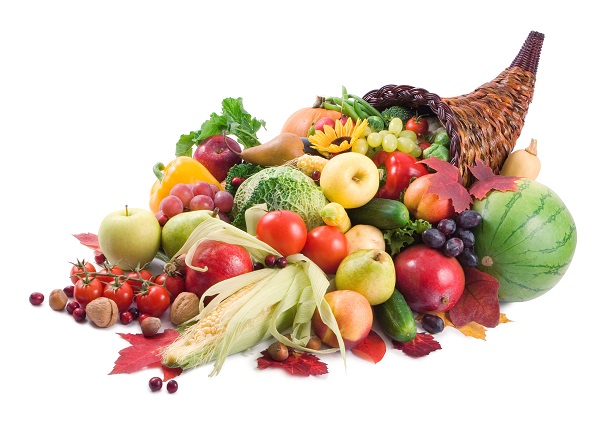
Fruits and vegitables

Is your butterfly gland working properly? The thyroid gland situated at the lower part of the neck is responsible for the formation and secretion of Thyroid hormones. The thyroid hormones are well known for regulating metabolism, growth, and many other bodily functions. Irregular levels of these hormones can result in hypothyroidism or hyperthyroidism. Now the question arises, are there diets that stimulate or sedate your thyroid gland? What exactly is a hypothyroidism diet or hyperthyroidism diet? Can we improve thyroid health by consuming certain food? Each person has a different answer for these frequently asked questions.

The hypothyroidism diet is fraught with controversy, but there is no evidence that eating a certain food will overcome the disease. Diet therapy cannot cure the disorder, but it can help manage the symptoms by focusing on nutrient correction and improving metabolism.

Common foods for Healthy Thyroid Function

Apart from thyroid medication, a well-balanced diet can improve thyroid function. You can stimulate your thyroid gland by including the foods listed below in your diet.

Seaweeds for Healthy Thyroid Gland:

Seaweeds such as kelp, dulse, nori, wakame are high in iodine, an essential nutrient required for thyroid hormone production. This sea vegetable having nutritional benefits of dietary fibers, vitamins, proteins can be used in sushi, soups, and salads.

Fish for Healthy Thyroid Gland:

Omega-3 fatty acids found in fish such as shrimp, cod, tuna, salmon, trout, sardines, and sea bass can help to reduce inflammation and boost immunity. Apart from that, it lowers the risk of heart disease in hypothyroid individuals.

Eggs for Healthy Thyroid Gland:

Consumption of whole egg is beneficial as the yolk contains a healthy amount of selenium and iodine, minerals that help in proper functioning of the thyroid gland. It is also an excellent source of vitamins and protein.

Nuts for Healthy Thyroid Gland:

Selenium, required for antioxidant function and thyroid hormone metabolism, is found in Brazil nuts, hazelnuts, and macadamia nuts.

Dairy products for Healthy Thyroid Gland:

Fortified foods like cow’s milk, yogurt, cheese, and ice cream are good sources of iodine, which helps to prevent enlargement of the thyroid gland.

Fresh Fruits and Vegetables for Healthy Thyroid Gland: 

As early symptoms of hypothyroidism are weight gain, many people consume low calories, high-density fresh fruit and vegetable to lose weight. However, cruciferous vegetables such as turnips, cauliflower, cabbage, and broccoli can reduce the uptake of iodine, decreasing thyroid hormone production.

Fruits and Veggies for ThyroidRegular physical activity is also important for improving thyroid function. Aerobic exercise has been shown to increase thyroid hormone concentration in adolescents.

Create a diet chart to keep track of your daily nutrient intake. Maintaining a healthy thyroid gland function requires striking the right balance between exercise and diet. Regular monitoring of thyroid hormone levels will allow you to adjust your diet and avoid a severe disorder.