Fat or slim, weight is the worry All the ugly notions; let them be buried!
Open any daily news report, magazine or even TV channels, advertisements pertaining to promising solutions of quick weight loss as well as gain are in abundance! Body weight has become an Achilles heel in today’s world, wherein personality is ranked in major arenas over intelligence or even zeal. It has become a self-esteem triggering issue!
And then there are – women with a hidden pressure among women to attain and maintain an “hour-glass” figure, and men having a tough time tackling their “pot belly”. Just a little flab becomes visible; people get nervous and start crash dieting and what not to shed those extra pounds off!
What is limited in this world of perfection of sizes is knowledge regarding healthy body weight. Limited we are when it comes to understanding health with respect to body weight, which is a science in its own!
My body strongest!
Body weight is a measure of the metabolically active lean tissue and fat (adipose) tissue, that fluctuates based on cellular metabolism. In simple words, metabolism works towards achieving a balance between intake and expenditure of energy. Body weight is also influenced by factors like genetics and environmental issues, the reason why we notice a medley of people of different sizes and shapes.
Our body is composed of water, proteins, minerals and fat (essential fat and storage fat) that majorly correlate to the body weight. Essential fat is present in the marrow of the bones, heart, various other visceral organs and the central nervous system; while storage fat is the one that accumulates in the adipose tissue (viz. skin, outer lining of organs etc.) acting as insulators.
Assess your weight
Body Mass Index (BMI) – The most common technique, BMI estimates the body’s fat percentage based on simple weight and height measurements. BMI = weight /height2 Weight – Kgs/pounds and Height – Centimeters/feet and inches
Hydrostatic Weighing – Also termed as underwater weighing, based on Archimedes’ principle of water displacement, the person is weighed while submerged in a large tank of water. This gold standard method which measures mass per unit volume of the body has become outdated.
Bioelectrical Impedance – Measures body composition (especially fat) by measuring impedance (strength and speed) of electrical signal as it passes through the body. This value along with height, weight and gender is taken into consideration to predict the amount of fat.
Skinfold Thickness Measurement – It involves grasping a vertical fold of the skin to measure the amount of subcutaneous fat (fat under the skin).
Fat or thin – In being healthy lies the win!
Ideal weight of an individual varies with gender and age. Extremely low levels of fat cause severe health complications increasing risk of fractures, loss in reproductive functions, dehydration and starvation; whereas high fat levels show dramatic correlations with diseases and disorders.
No doubt we are getting overtly conscious about our physique, but becoming reckless and fueling disorders such as anorexia (loss of appetite) or bulimia (obsessive disorder to lose weight) rings an impractical approach.
Instead of neglecting the body, make note of its needs. Be aware of the body constitution, it is a necessity. Gym and stringent diet plans may provide you a desired physique, but a healthy body however can shine only with a healthy composition!
Medicine has made great strides, but cancer is frowned upon as the most inaccessible aspect that threatens the lives of many people in one way or another. Treatment of the disease takes a long time and eventually lasts for many years. A patient with cancer is initially cared for sincerely, but as treatment progresses, most caregivers tend to distance themselves from them, recognizing the ongoing effort they have to make daily. Cancer, a debilitating and horrific condition, affects patients physically and emotionally.
Another concern in cancer patients is that their families and friends are often proud to have a potentially lacking pride because they are often a “patient cancer” that can often increase their stress level and increase their pride.
The sense of dependence is growing.
Cancer treatment depends on the type of cancer and promotions that provide various procedures, such as experienced surgery, radiation and hormone therapy, chemotherapy, immunotherapy, during cancer treatment. Generally, advanced cancer stage individuals accelerate the acceleration of health tissues near cancer cells and are suffering from painful suffering. Permanent meetings with needles, hair loss, pain, nausea, and inconvenience that passed the radiation therapy cause stress.
The operation may need to recover suffering and time, and radiation therapy often enters scars and sometimes a sense. The pain due to these treatment methods can be easily solved, but it can gradually weaken by purchasing appropriate counseling and subsequent medications according to the recommendations of the doctor.
Cancer and emotion
Changes in appearance after cancer or cancer are one of the main causes of depression and anxiety inside the patient. People tend to be sad to make a failed plan for the future, and they worked as a change in passion and current lifestyle.
depression
An increase of depression in cancer patients does not show increasing depression, which is poor of observation of the specified therapeutic graph and ultimately causes greater pain. Some are facts that feel the burden to their families and lower expensive productive value. Because this emotional plane is not discussed freely, the patient increases the opportunity of panic attacks and brings emotional disasters to the family.
fury
People will continue to accept the reality because they can not accept the penetration of cancer at first. “Why are you?” Sometimes people around the patient can be a victim of stimuli, so they must answer very responsibly.
Cancer Support Group
Cancer patients with cancer and family, cancer patients, cancer support groups are also very useful. They force them to motivate people into cancer and forced them to realize the experience that others involved are treated or treated promptly. They help to deal with the side effects of cancer treatment through discussions by eradicating lonely emotions for patients and their lonely emotions and facing the issue faced in the workplace or academia.
Facing most of the cancer, violation of the cycle of the presence of a positive value, but the results of social mental degree are increased. This can be the most effective way to a strong manner in a strong way. Cancer focus program for social training, which wants to take care of the most purpose, due to efforts to improve society. Ultimately, regardless of whether it is a healthy person or a cancer patient, the force fighting with fear of cancer will happen on the inside!
Calcium Requirement in Children If your child falls into any of the above categories, you should go to the doctor and see the highly touted mineral levels in virtually every television commercial for a popular children’s health drink claiming to be stronger, stronger, and faster in body and mind. It makes up about 3.5% of the earth’s crust and contains 99% of bones and teeth, the fifth most abundant element in the human body and ubiquitous minerals.
Calcium, the main component of the human skeleton, gives us shape, growth, and structure. The pattern of how metabolic calcium absorption, along with bone mineral density, is present from adolescence to adulthood to old age is imprinted from the age of a fetus.
At birth, about 25-30 g of calcium is accreted by a neonate which gets transferred across the placenta, mostly during the 3rd trimester when rapid ossification of collagen matrix happens.2 Such is the importance of this macromineral, that while one’s inside the womb, maternal calcium supply is regulated with various adaptions to meet the peak fetal demands like hormonal changes, increasing efficiency of intestinal absorption of calcium, increased renal conservation, and mobilization of calcium from the maternal skeleton.
Maintenance of a mother’s calcium levels at the time of pregnancy is essential for catering to the increased calcium requirement of a rapidly mineralizing skeleton of fetus/neonate. The calcium homeostasis in pregnancy and lactation aid insufficient supply of calcium to the fetus, wherein calcium is pumped from the maternal circulation via the placenta to the newborn aided by maternal hormonal changes that ensure a sufficing calcium supply. Maternal calcium deficiency in a pregnant woman or exclusively lactating women can hinder cardiovascular development in the fetus and pose a risk of high blood pressure, increased body fat percentage, elevated triglycerides, and insulin resistance in children as they grow.
Smiles of yellowish brittle teeth, prone to carries;Are hovered with weakness;
afflicting the childhood with worries.
Tiny little tots that tend to fall always,Are subjected to severe fractures that way.When rib joints appear like rosary beads, andDeformities ensue with bowed legs or knock knees,Ignorant to the calamities the little ones still try to run and play, Fetch that ball or climb the park slide..Over looking the overt signs or lacking hygiene and proper diet,Is crushing the bones and dreams of your child.Pay heed to these warning signs,As health of your child is too precious to discount!
Calcium- An Amazing Multitasker!
The human body indeed is knit together with calcium, and despite being the most abundant mineral in the material universe, it still poses a real challenge in reaping its benefit due to challenging processes of absorption, uptake, and assimilation! It doesn`t work always in isolation as an ion, but essentially in synergy with certain factors like vital minerals and vitamins, which are so important that the absence/irregular levels of even one, manifest variations in calcium metabolism.
The structural formation of human bones and calcified cartilage requires various minerals like phosphorus, magnesium, silicon, strontium, boron along with bound calcium; phosphorus in substantial amounts maintains the skeleton`s majority of calcium-phosphate complexes and hydroxyapatite. Vitamin D plays an indispensable hormonal role to maintain normal blood calcium levels and intestinal absorption of renal calcium and phosphorus.
.
Calcium Sources
A vital mineral, whose maintained levels are extremely essential for the sustenance of life, is yet not synthesized by our bodies. And thus the responsibility falls on the external sources, for human bodies to acquire their daily calcium needs from dietary sources like dairy products (milk, yogurt, cheese), sardines and salmon with bones, dry fruits (figs and apricots), nuts, chickpeas, vegetables like spinach, cabbage, legumes (red beans, white beans), and soy products (tofu).
Calcium Absorption: A process not so simple!
Calcium absorption, being a sensitive process requires energy for transporting calcium to various organs; often achieved upon its chelation with proteins or amino acids for its increased absorption. Depending on the body’s needs, 50-70% of calcium ingested may be absorbed in the body during infancy and childhood. Infants have high calcium needs to support their rapid growth of bones and teeth; as they get older and enter adolescence, calcium needs almost double to cater to rapid bodily changes marked by puberty.
Vitamins A and C also support normal membrane transport of calcium and proteins, and dietary fats favor calcium absorption, but excess of both can reduce the absorption, and cause its elimination via intestines. Milk is touted to be the poster child for acquiring calcium, be it breast milk or cow/buffalo’s milk, it’s a perfect blend of lactose with a protein-fat combo, providing easily assimilated calcium which aids in its absorption.
Various homogenized fortified products like milk with synthetic vitamin D or nonfat milk don’t make a perfect source of calcium as they don’t aid in calcium absorption, and some may rather hinder it. Lactose intolerant kids or kids allergic to cow milk can opt for other calcium-rich dietary sources or go for calcium-rich soy milk, almond milk, rice or oat milk, and soy yogurt.
Gastric hydrochloric acid aids in calcium absorption carried out in the duodenum of the small intestine. Excessive stress levels in adolescent kids have a visible effect on stomach acid levels, digestion, and intestinal motility which can affect calcium absorption. Kids who play and indulge in physical activities like outdoor sports, or regular yoga, exercises, dancing, etc. have improved calcium absorption. Lack of physical activities with a sedentary lifestyle, to top it with a lazy attitude reduces calcium absorption in the young bodies of kids.
Absorption of calcium improves absorption of vitamin B12 as well, but excess can interfere with absorption of other competing minerals like zinc, magnesium, iron, etc. Dietary factors like phytates in whole grains or fiber-rich foods may hinder calcium absorption similar to foods high in oxalic acid (spinach, chocolate, etc.) interfere with calcium absorption which also forms insoluble salts in the gut.
Calcium Requirement in Children
Age
Male
Female
0–6 months*
200 mg
200 mg
7–12 months*
260 mg
260 mg
1–3 years
700 mg
700 mg
4–8 years
1,000 mg
1,000 mg
9–13 years
1,300 mg
1,300 mg
14–18 years
1,300 mg
1,300 mg
19–50 years
1,000 mg
1,000 mg
* Adequate Intake (AI)
Calcium Deficiency (Hypocalcemia)
Younger kids, babies, and teens especially girls suffering from diseases like chronic kidney disease (CKD), impaired calcitriol production, etc., hormonal and electrolyte imbalances or whose diets are deficient in calcium and other nutrients like vitamin D, high in minerals like phosphorus (for eg: from sodas/soft drinks), are at a greater risk of developing weak bones and teeth; thus are prone to following medical conditions as they grow.
Rickets
A bone softening disease affecting children which cause severely bowed legs, stunted growth, muscle pain and weakness, weak and brittle nails result upon lack of dietary calcium, vitamin D, ample sunlight exposure, maternal nutritional deficiencies, and maternal diseases like osteomalacia.
Sleep Difficulties
Normal calcium levels directly foster a healthy sleep cycle as it plays a vital role in the production of the sleep hormone, melatonin using tryptophan. Difficulties to sleep and insomnia observed in infants and young children are signs of less than normal levels of body calcium.
Paresthesia
Tingling, muscle tremors, confusion, poor memory, impaired sense of touch, numbness are observed in this condition wherein low blood calcium levels cause physical and neurological impairment.
Dental Problems
Insufficient levels of calcium and high phosphorus intake cause yellowish and brittle teeth, carry poor dentition, tooth loss, periodontal disease, and gingivitis among children.
Neonatal Hypocalcemia
Occurs in pre-term infants affected with congenital hypoparathyroidism, causing hypotonia, abnormal heartbeat and breathing, tetany, etc.
Calcium Toxicity
Excessive calcium levels in the human body are usually eliminated through urine and intestines at times, but a long-term overdose of calcium can result either due to sarcoidosis, hyperthyroidism, kidney function-associated disorders, vitamin D poisoning, diseases like CKD, or upon an excessive intake of calcitriol, etc. This leads to its accumulation: in kidneys, liver, gallbladder causing stone formation; in the arteries as plaques, in the vascular system of the head as calcified blood vessels of the brain and in joints as calcium deposits and malformed bones making the skeleton thin and weak.
Calcium Levels: Low or High? Diagnose it beforehand!
Based on the symptoms observed, a doctor analyses the patient’s medical and family history for any prior calcium-related conditions and prescribes the following tests for differential diagnosis and root cause analysis.
Physical Assessment
A doctor taps on the facial areas to check for twitching (Chvostek’s sign) and uses a blood pressure cuff to detect any muscular spams (Positive Trousseau’s sign) in the patient suspected of hypocalcemia.
Blood Tests
Serum calcium, serum phosphorus, serum alkaline phosphatase levels are tested in blood samples taken to detect any changes in shape or structure of bones or joints, and limbs. Additional tests to measure levels of ionized calcium, phosphorous, magnesium, vitamin D, and parathyroid hormone to detect any underlying causes of abnormal calcium levels.
Imaging Tests
An electrocardiogram is usually performed to check for prolonged QT interval, decreased myocardial contractility, and ventricular dysrhythmias in the hypo-calcemic patient. X-rays are taken to determine the presence of bone cysts, pathological fractures, demineralization, etc. Ultrasound, Computed Tomography (CT) Scan, Intravenous (IV) pyelogram are also done to determine calcifications, parathyroid glands adenoma, etc.
Manage the dangers attached!
Children as they grow, are in positive bone balance wherein the rate of formation of bone is higher than its resorption, ensuring healthy skeletal growth without compromising the skeleton for all of the body’s calcium needs. As the bones achieve peak bone mass, this bone balance becomes neutral when the formation is equal to the resorption of bones and is usually seen in healthy young adults. Any disorders observed with calcium levels are treated by supplementing the deficient nutrient/mineral along with prescribing medications to treat any underlying causative condition.
Assessment of calcium intake following a well-rounded calcium-rich diet while leading an active lifestyle with regular exercises or mild/regular sports, ample sunlight exposure; establishing a positive attitude towards failures/disappointments right from a tender age will inculcate a sturdy foundation for overall health in years to come!
Calcium-The teen bone builder,
Leeches of your skeleton, when its levels go haywire!
Basic Sanitation The UN initiative – ‘Millennium Development Goals’ involves a set of guidelines aimed towards working for the needs of the poorest as agreed upon by all countries and leading developmental institutions. Though the target for 2015 included halving poverty rates, stalling the spread of HIV/AIDS, and making provisions for universal primary education, one of the goals concerns improvising basic sanitation to ensure environmental sustainability. Despite awareness programs organized by numerous organizations and development bodies, inadequate basic sanitation crops up to be a continuous concern, which includes efficient sewage/waste treatment, provision of clean domestic water, and many others which carry the potential threat of affecting the quality of human lives.
Sanitation is a layman’s term involves a provision that facilitates the safe disposal of human urine and feces. It also involves the maintenance of garbage, wastewater, and the implementation of provisions to make the environment clean and hygienic. Sanitation thus is an important and crucial aspect that helps in establishing and maintaining a clean and disease-free environment. Therefore, it becomes the foremost requisite for living a healthy life. But, are we taking this crucial facet seriously? Do we implement or practice proper sanitation norms? Does poor sanitation contribute to be anguish towards maintaining proper healthcare? In this article, let’s understand the importance of this simple basic concept, yet a pivot in affecting the quality of life.
What involves basic sanitation?
Before we try to list down the various criteria that fall under basic sanitation, it is important to understand and define ‘sanitation’ accurately. The definition of sanitation is dynamic and is often defined based on priority issues and problems being faced about sanitation.
A safe and logical collection of human waste, their proper treatment, and disposal, or recycling (recycling would majorly involve human urine and feces)
Management/recycling/reuse of solid waste and sullage from human settlements
Collection and proper management of industrial waste products
Disposal, reuse/recycling of sewage effluents
Management and proper disposal of hazardous wastes generated by hospitals, chemical and radioactive wastes, etc.
Sanitation
Needless to say, wherever humans are, the amount of waste generated will be huge. Though a lot of progress is being made in meeting efficient sanitation, many areas and people lack to find proper means to dispose of wastes. Non-effective management strategies of wastes, especially in heavily populated areas eventually lead to an increase in risk towards many infectious diseases and epidemics. Such conditions majorly end up targeting the young, elderly generations, or individuals with low resistance power towards fighting diseases. Again, poor management of waste to contributes making the surroundings unpleasant eventually putting even other species at risk affecting the ecological balance.
The major paths that are directly affected due to poor sanitation include:
Drinking water
Food chain which majorly involves sites used for growing fruits, vegetables and breeding of animals for their meat and fishes
Recreational sites, etc.
How big is the problem?
The numbers of people who are at risk of preventable health due to poor sanitation are huge in comparison to those affected by other modes of man-made sources of physical damage and destruction due to wars, weapons, etc. Close to only 60% of the world’s population has access to improved sanitation and the rest are forced to defecate in either open places or use unsanitary provisions for the same.
Indian statistics about sanitation present a very glum picture. Of the 1 billion people the world over who lack access to the basic necessity of a toilet, India alone harbors a burden of 600m. 130m households are pointed to lack toilets and more than 72% of the rural community resort to open defecation. This poses a greater societal threat to women and children especially those who apart from being exposed to stalkers, are also subjected to verbal and physical assault due to open defecation. Sanitation is also important among young girls, because of menstruation and statistics point out to girls dropping out of school due to the same (almost 23%) as many schools even lack functional toilets (roughly 40%). With slums mushrooming in every metro city in this country, providing appropriate sanitation facilities become a burden on the local municipality.
Reality bites!
One gram of faeces can contain 10,000,000 bacteria; 1,000,000 viruses, 1,000 parasites and 100 parasite eggs – WHO report
Water is the major medium through which the adverse effects of poor sanitation gain a bigger picture in appearance
Inadequate sanitation is known to hurt water quality, health, access time, and even tourism
Premature mortality to a high extent is contributed due to poor sanitation
Communicable Vs Non-communicable
Communicable ailments include infectious conditions which if not controlled have the potential to become epidemics posing a major threat to human life and a colossal burden to the healthcare system. The one fundamental threat to the aforementioned calamity is sanitation conditions. Non-communicable ailments though have risen to epidemic proportions in our country today, majorly caused due to lifestyle habits and genetics; it is the communicable ones that can be completely eradicated with appropriate and monitored sanitation measures in place.
Poor sanitation = Healthcare in distress (needlessly though!)
Poor or no sanitation in human settlements is an ideal opportunity for the spread of many infections. In fact, human excreta alone have been involved in infectious disease transmission which involves typhoid, cholera, hepatitis, ascariasis, etc., and even encephalitis. Estimates by WHO prove that diarrheal diseases alone caused due to poor sanitation is a major responsible factor for deaths among children belonging to the age group of fewer than 5 years.
Among parasitic diseases, malaria holds the first rank with the affected regions showing poor or no sanitation and is majorly a concern in tropical and subtropical regions of the world. Conditions like ascariasis are found almost worldwide having greatest frequency again in tropical and subtropical regions affecting more of the areas with less sanitation. Ascariasis also contributes to being the major chunk of intestinal worms’ infection in the developing regions of the world.
Yet another parasitic infection prevalent in many developing areas more precisely in Asian countries is that of Trematodes. Flatworm infections mostly spread through fecal contamination, as the larvae are present in the feces of an infected individual. Trematode infections enter the food chain through fish, shellfish, and finally into humans. Global estimations of WHO prove almost 10% of the population to be at risk.
Another leading cause of preventable blindness – trachoma infection is again linked to poor sanitation! Again to add to the misery, it is the sole reason for making almost 6 million people around the globe permanently blind. This contribution of trachoma infections in causing preventable blindness is majorly supported by poor sanitation, substandard hygiene related to drinking water, etc.
Lack of proper management, disposal/reuse/recycling of heavy metals, inorganic and toxic wastes have been on rising in most developing countries including ours. Contamination of water bodies with industrial effluents and toxic elements eventually cause their entry into the food chain causing severe damage to human health.
Many of these also harbor the property for bioaccumulation bearing the potential to affect generations. The damages caused include organ dysfunctions, inflammation, irritation, damage to the nervous system, congenital malformations to even cancer. An increase in nitrate content through industrial wastes causes its deposition in groundwater eventually leading to its entry into the food chain; wherein it can cause fetal complications like methemoglobinemia (blue baby syndrome) in infants exposed to the same. Also, a rise in inorganic compounds in groundwater can cause eutrophication which becomes breeding grounds for algae and many toxic compounds producing cyanobacteria.
Proper sanitation – Need of the hour!
Looking at the predicament that arises due to lack of adequate sanitation, the health communities and welfare institutions need to be the first ones in taking measures to tackle the menace caused by the same. Considering the ever-increasing rate of population, meeting the requirements of proper sanitation becomes imperative. Most of the poor and developing countries who lack to keep stride with the increasing population growth should be the first ones to implement and incorporate strategies in meeting the requirements of proper sanitation.
Because sanitation poses a great burden on public health. Good sanitation is the basic need for a society and to develop a healthy country. Simple measures taken can compound healthy benefits at large. Sustainable growth and expansion will only become a possibility when sanitation measures become considered as the foremost pedestal to tackle.
Adequate sanitation – A social necessity as well as a need to safeguard the sentiments of the entire human community! As the Prime Minister has aptly put – Building Toilets over Temples is a need!
World Health Organisation and UNICEF Joint Monitoring Programme for Water Supply and Sanitation Report (2012). Progress on Drinking Water and Sanitation:2012 Update. Retrieved from: http://www.unicef.org/media/files/JMPreport2012.pdf (Retrieved on 5th 2016).
Types of Surrogacy Seema and her husband were eagerly awaiting for their fertility test reports to be out. The couple had been yearning for a baby for the past 10 years of their marriage. Surely a long wait for someone who loved children more than anything in this world. But alas their hopes were shattered when the attending gynecologist informed her that though she was capable of conceiving, her womb was not fit enough to carry on with the pregnancy.
Hearing the same she felt all dejected, but only until her gynecologist suggested an alternative that could still allow her to experience the joy of becoming a mother – ‘Surrogacy Arrangement’.
Surrogacy is defined as an arrangement for intended parents to enjoy parenthood albeit using the womb of another woman. Such a woman is known as the ‘Surrogate mother’. Surrogacy has formed a medium that has helped many couples realize their dream of becoming parents.
Types of Surrogacy
There are two main types of surrogacy – ‘Traditional’ and ‘Gestational’.
Traditional Surrogacy
Here the surrogate mother is impregnated with the sperm of the father by the process of artificial insemination. The surrogate mother then carries on the pregnancy and the baby post-birth is given to the intended parents. In traditional surrogacy, the surrogate mother is the biological mother of the child, as the egg belongs to her, while the sperm is of the intended father. In traditional surrogacy, the sperm used can also be from that of a donor.
Gestational Surrogacy
Here the intended parents are the genetic owners of the baby, as the surrogate only bears the child which is formed from an embryo fertilized using the egg and sperm of the intended parents. Furthermore, gestational surrogacy can also be carried out where the intended mother cannot produce an egg, and hence a donor egg is fertilized with the sperm of the intended father and then implanted within the womb of the surrogate mother.
Again, in case the intended father is unable to produce enough good-quality sperm, donor sperm can be used to fertilize the egg from the intended mother and then implanted within the surrogate mother’s womb. If both the intended parents are reproductively handicapped, the surrogate mother carries a donated embryo for bearing the child. In all of the cases, the surrogate mother is not biologically related to the child.
Commercial and Altruistic Surrogacy
Speaking furthermore, surrogacy is further classified based on the financial gains involved for the surrogate mother. This involves two types – ‘Commercial Surrogacy’ and ‘Altruistic Surrogacy’.
Commercial Surrogacy
Here the surrogate mother gets a compensation fee for her involvement. The compensations given involve all the medical expenses right from medications during pregnancy, routine checkups, scans, and also other miscellaneous expenses such as travel allowances, etc. In commercial surrogacy, a surrogate is generally a person who is neither related to the intended parents nor known by them before the arrangement is done. The involvement of the surrogate mother is only till the baby is delivered and given to the intended parents.
Altruistic Surrogacy
In an altruistic surrogacy, the woman acting as the surrogate does not look for any financial gains in the arrangement. Therefore, no personal compensation is involved in any of the expenses incurred. However, if the intended parents wish, they can still compensate for the pregnancy out of their wish. Here the involved individual in the surrogacy arrangement is either the intended parents or a friend and hence is someone who is well known by the reproductively challenged couple.
Who all opt for surrogacy?
Surrogacy is an option for many couples who face issues with regard to conceiving, which may be due to infertility of either of the involved or certain genetic conditions, diseases, or cases wherein the woman cannot carry on the pregnancy for the entire term.
Surrogacy has also been an option for couples who are unable to achieve parenthood due to a multitude of factors, individuals who wish to be single parents, same-sex couples, etc.
Ethical issues concerning surrogacy
The way the entire procedure looks simplified, the underlying complications with regards to the ethical concerns are exactly the opposite. Some of the ethical issues that might arise in surrogacy include
The money tag that is put forward by the surrogate mother or even the organization that is assisting in the entire agreement can be crucial. This can again make the intended parents question the consciousness of the surrogate mother involved in the agreement.
Since, birthing a child involves a very emotional aspect, commercialization of this natural boon is considered anti-natural by many.
The compensations which are given to the surrogate by the intended parents can also be used illegitimately or the expenses put forth by the surrogate could be deceiving.
The surrogate mother might deny giving away the baby to the intended parents after delivery.
Legal issues surrounding surrogacy in India
Surrogacy is a complex aspect that has many contradictions surrounding it, which in their own way are quite diverse in nature and also unsettled. While many countries consider the woman who gave birth to the child as being the legal mother,
There are still others who give the rights to the intended parents of being the legal bearers based on the fact that the surrogate mother has consciously given them the rights. Our country is one among such few which bestows the legal rights of the baby to the intended parents.
Commercial surrogacy in India
India is becoming a promising destination for commercial surrogacy. This is due to the relatively low cost involved in this process in comparison to the world.
Also, the laws about the ownership of the child and process with regards to citizenship and many others are quite flexible in India. Also, Indian clinics have become quite competitive not only concerning prices but also the service panel offered and are emerging to be reliable in hiring and retention of the Indian females who act as surrogates.
Surrogacy is surely a boon for many couples who yearn to have their own child. But love can never have borders or biology and there are many innocent orphans yearning for the love and affection of a family. Considering adoption over surrogacy not only adds joy to a child but can also be a contributing factor to the society and community at large.
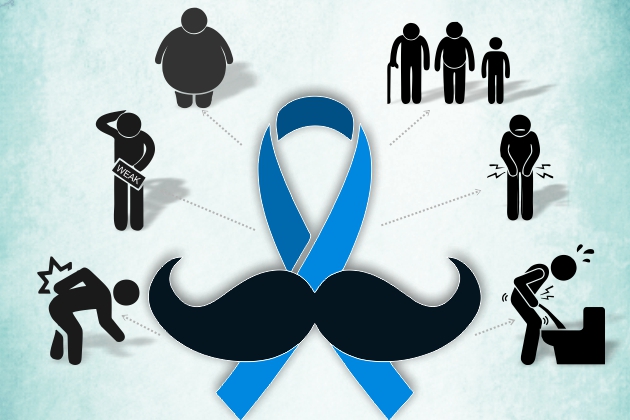
Prostate cancer has become a massive threat to the lives of people around the world, causing great distress, psychological distress, and hardship for both those affected and their families. This is a condition that results from abnormal, uncontrolled cell renewal that prevents cells from functioning normally.
In this article, we’ll give you a brief overview of prostate cancer, the type of cancer that affects men, and how you can better manage it.
WHAT IS A PROSTATE?
The prostate is an “exocrine” gland and is part of the male reproductive system. It is located in front of the rectum, under the bladder. It is about the size of a walnut and changes with age, especially during puberty. The prostate secretes a milky, alkaline fluid that helps nourish and protect the sperm in the semen. It also contains muscle fibers that help regulate the flow of urine and expel semen during ejaculation. Thus, a diseased prostate can directly affect urination and sexual function in men.
WHAT IS PROSTATE CANCER?
It is the most common non-cutaneous malignancy in males, also known as ‘carcinoma’ of the prostate. Most prostate cancers are slow-growing. The cancer cells may metastasize from the prostate to other parts of the body like the lymph nodes, bones, and pelvic organs. A disease that occurs mainly in men over 50 years of age and the incidence of prostate cancer increases with the increase in life expectancy.
Types Of Prostate Cancer
There are several types of prostate cancer. The most common is the cancer of the gland cells also termed as ‘adenocarcinoma’. Sarcomas, small cell carcinomas, neuroendocrine tumors, and transitional cell carcinomas are the other rare types. Prostate cancer is classified into four stages i.e. Stage I, II, II, and IV, which helps to assess and recommend treatment options.
RISK FACTORS FOR PROSTATE CANCER:
The factors that trigger the development of prostate cancer are still not clear, although there are a few that have been identified to determine the risk. The three well-established risk factors are increased age, heredity/genetics, and race/ethnicity. Also, there have been some other uncertain factors like diet, lifestyle, obesity, hormones, etc. which may trigger prostate cancer.
SIGNS AND SYMPTOMS:
Normally, in the initial stages, the majority of the affected males are asymptomatic. In later stages, few symptoms may be observed which are often similar to the diseased condition called benign prostatic hyperplasia (BPH).
These include:
Frequent urination at night
An interrupted and weak urine stream
Blood in the urine
Pain and burning sensation during urination
Erectile dysfunction
Pain in the back, pelvis, chest, and hips
Weight loss, weakness, loss of appetite
DIAGNOSIS:
Screening aids in the early detection of prostate cancer. This is done through a physical examination and analysis of serum prostate-specific antigen (PSA) levels. If abnormalities are present, additional tests such as imaging techniques, tumor biopsy, or endoscopic observation are recommended.
COPING WITH PROSTATE CANCER
Confronting a prostate cancer diagnosis can be challenging and affects a person physically and psychologically. Not only does the fight against diagnosis become a challenge, but the treatment and management of its side effects become important. Taking action early can help you better understand the condition and cope with the consequences of this chronic disease.
Family and friends: The most important thing to do when an individual is diagnosed with prostate cancer is to seek help from family and close friends. They can offer practical as well as emotional support which will aid to deal better with the challenges one is facing and ease the feelings of distress.
Individual counseling: By doing one-on-one counseling will help an individual to express his private or sensitive feelings about the illness and its impact on his life.
Supportive care: Other cancer survivors can be a very unique and useful support group. They have been through similar experiences and can provide an environment where one can learn new ways of dealing with the condition.
Sexual health: Prostate cancer diagnosis can affect the sex life of men in many ways; one such problem is erectile dysfunction. One can overcome this by considering hugging, touching, and caressing as ways to share sexuality with the partner.
Learn more about the condition
It can be hard to remember everything that a doctor tells about cancer. However, do not hesitate to ask questions to the doctor, nurse, or any health care provider about the condition or repeat any instructions or about medical terms. Ask about different types of treatment options available and their side effects. This will help to know what to expect or how to manage them.
Treatment strategies: There are many treatment options, so it is important to take the time to choose the right one. Remedy options for prostate cancer include surgery, radiation therapy, immunotherapy, chemotherapy, cryosurgery, and hormone therapy.
Take care of yourself: Take out time for yourself. Eat healthily and a balanced diet, do regular or moderate exercises and get enough sleep. This may help slow down prostate cancer growth or lower the risk of advanced illness.
Awareness is the only key to fighting this gender-biased clinical havoc!
Women – With the power to procreate; this realization is earned full potential only after attaining puberty and beginning of menstruation. Though many girls crib about those irritating three days every month, it is only when they give birth, do they realize the beauty this gift has bestowed. For a girl, every change of phase in life is symptomized by physical as well as psychological changes. Be it puberty, adolescence, womanhood, or old age.
So, if you are a woman in the age group of 45-59 years, you can very well relate to certain changes in yourself like mood swings, hot flashes, insomnia, painful intercourse, etc. These changes might also be fueling constant arguments with your partner and family members. What’s worse is the continuous internal frustration and puzzlement faced by you, and not knowing the causal factor for these. Fear not my lady, for these changes mark the onset of the next phase
Womanhood Menopause
Less talked upon, generally considered as a story of the old, despite being a very natural biological phenomenon in women, menopause is a phase in a woman’s life when she slowly stops getting her monthly periods. It is the time when the ovaries cease to function and is marked by an absence of a menstrual cycle for around 12 months. In India, the average age for attaining menopause is considerably early, around 47.5 years for a woman with a life expectancy of 71 years after which she even loses her ability to become pregnant.1
Unlike menarche- the onset of menstruation, menopause doesn’t take place overnight and is rather a gradual phase wherein the transition takes place slowly with the menses cycle becoming irregular occurring at longer or shorter intervals than normal. The menstrual flow is either heavy or light along with the occurrence of hot flashes lasting 10 seconds to 30 minutes.
Menopause Symptoms
Vaginal dryness
Difficulty in sleep and fatigue
Drastic mood swings
Fragility, loss of bones, and joint pains
An increase in bad cholesterol leads to a risk of heart diseases
Loss of elasticity in vaginal tissues and weight gain
Urinary incontinence
Urinary tract infections and
Changes in libido (sex drive)
These changes occur due to a gradual drop in the levels of hormones in a woman’s body, which are estrogen and progesterone, responsible for maintaining the health of reproductive organs.
Menopause Symptoms occurs in the following successive stages
Perimenopause: This is the transition period when the body of a woman gradually moves towards a stage of complete infertility and is marked by menopausal symptoms.
Menopause: This phase is marked by the complete absence of the menstrual cycle which also marks the end of the reproductive period.
Post-menopause: This phase occurs many years post-menopause during which many menopausal symptoms ease and women become subjected to high risk of medical conditions like osteoporosis, heart diseases, etc.
Other factors which can induce early menopause include:
Premature Ovarian Failure: When a woman’s ovaries stop functioning before 40 years due to medical conditions like autoimmune diseases, diabetes, or any other genetic defects.
Surgical Menopause: Menses also cease due to surgical removal of ovaries, fallopian tubes, or uterus.
Excessive tobacco usage
Chemotherapy and other radiation therapies
There are no specific reliable tests available for diagnosing menopause. However, your doctor may recommend certain blood tests to determine the levels of the following hormones
Decreases due to an underactive thyroid; symptoms similar to menopause occur
Menopause is a normal part of life and not some disorder or disease; hence it doesn’t require any treatment or medications. Hormone replacement therapies and certain medications, antidepressants, and vaginal lubricants are prescribed if the menopausal symptoms become severe and hinder your daily life. Fertility decreases during menopause but these medications are not contraceptives, hence, a woman can still conceive if proper contraceptive options are not undertaken.
As women, we think we are superhuman’s and try to handle everything which life throws at us with great strides; It is a very subjective experience as it also depends on the cultural society in which a woman resides. There is still not a necessity to go through this phase alone. If you are a man reading this article, understanding your better half can be very challenging during her menopausal phase. Care and support from partners and family can ease a lot of symptoms, mentally as well as physically.
Steps to beat the menopause blues:
Avoid skipping meals and maintain a healthy diet including ample green and leafy vegetables like broccoli, tomatoes; fruits such as dried plums, etc. to ease the unpleasant menopausal symptoms.
Give up smoking and moderate alcohol consumption.
Pump up your iron levels by incorporating protein-rich foods such as lean meat, eggs, etc.
Drink a lot of water to keep yourself hydrated, and electrolyte levels in check.
So eat up ladies and exercise well to remain fit and fine as you step into this new phase of womanhood!
High sensitivity C-Reactive Protein better known as ‘hs-CRP’ is a serum biomarker of inflammation and the hs – CRP test specifically quantitates its levels.
What is the difference between CRP and hs-CRP?
As a biomarker, both are recommended to assess inflammation. However, CRP in most cases is tested in individuals who are affected by some inflammatory conditions, while hs- CRP test with its high sensitivity is tested for in healthy individuals to assess their risk factor, especially for cardiovascular diseases. The sensitivity and range for both tests in different. This test is generally recommended with the cardiac markers profile which measures all other conventional analytes.
What all heart conditions can hs-CRP predict?
Hs-CRP levels can indicate risk for a myriad of health conditions like:
Myocardial infarction
Cardiovascular related death
Stroke (ischemic stroke)
Peripheral artery diseases
Presence of narrowed blood vessels (Restenosis)
Why hs-CRP?
While various cholesterol indicators, such as HDL and LDL levels, predict the risk of many cardiovascular diseases, hsCRP levels are known to specifically highlight inflammation in the arteries, if any. Healthy individuals with elevated hs-CRP levels are hypothesized to have a 23-fold higher risk of cardiovascular disease, a widely used primary intervention.
What are the clinical range and what do they signify?
Lower risk : <1.0 mg/L
Average risk: 1 – 3 mg/L
High risk : > 3 mg/L
Values >3.0 mg/L predict a possibility of developing ischemic event or cardiovascular diseases.
What can affect hs-CRP levels in blood?
Treatment with NSAIDs and anti-inflammatory agents can cause a reduction in their levels
Women on hormone replacement therapy tend to show values on the higher side
Hence, the general recommendation to measure hs-CRP levels in healthy individuals to be a true marker to assess cardiac risk.
We at Thyrocare, provide hs-CRP testing services along with many other important cardiac markers using state-of-the-art automation which works under the principle of Nephelometry.
Many of us spend our time in the office sitting continuously in front of a PC or a laptop.
With moving or getting up from the place becoming almost negligible; eventually which brings in typical ‘Office Body’.
health problems like pain in the back, neck, and shoulder along with the hunched-over body posture. An add-on to such a sedentary corporate lifestyle, it also contributes to increasing the risk of becoming obese and opening doors to various diseases. workplace-related stress can lead to an increased risk of developing Type 2 diabetes.
Hence, it becomes important to routinely undergo corporate health checkups to take the right steps toward balancing your health & workload.
Luckily, there are a few ways to manage health fate in the office with the help of ‘Office Ergonomics’ to design your workplace in order to suits you and make your work environment comfortable. Implementation of these ergonomics tips will help lead to maximum efficiency & the highest productivity. These include choosing the right chair, correct equipment placing, work desk spacing, and maintaining good posture while working. Ergonomics also helps to prevent any workplace injuries which are very commonly observed.
Here are a few ergonomics tips that you can follow :
Select your chair carefully
While selecting the chair, make sure it supports your spinal cord. Another important aspect is adjusting the height of your chair such that your feet rest on the floor with thighs parallel to it.
Keep frequently required objects in the close vicinity
Always remember to keep objects which you frequently need like, such a telephone, printouts, stapler, water bottle, writing pad, etc. within your hands reach. Also, stand for reaching objects that cannot be comfortably reached while sitting.
Placement of your mouse & keyboard
Adjust your mouse settings so that you can control even with a gentle touch without putting unnecessary strain on your fingers.
Take extra care of your eyes with workplace modifications
Keep the monitor at least an arm’s distance away & also, do not place the monitor opposite a window to avoid light reflection.
Arrange your files properly
Keep frequently needed files on your desktop. This will help in avoiding the lifting of the whole bundle & then searching for a particular file that can waste your energy as well as time.
Most of us dream to have a flat belly or ‘six-pack abs’; but sadly the reality is different, as the prominent Indian population has a bulging belly. The biggest reason behind this is the sedentary lifestyle which we live owing to numerous demands that surround us, like the 9-hour jobs involving sitting continuously at one place, etc., and these end up causing numerous diseases, conditions and also resulting in a bloated belly. Your arms, legs may be in the right shape but, a bloated belly not only damages your personality but also, severely affects your health.
Despite all the consequences it may lead to, we still, manage to ignore it until some health problem arise. Moreover, even the fat around our waist is more dangerous than, being overweight. This is mainly because the fat that accumulates around your belly can even increase your risk of heart diseases, stroke, high blood pressure, type 2 diabetes, and cancer too. Hence, reducing your waistline is the first step towards experiencing healthy living, and opting for a periodical complete health checkup is the second for early detection of health problems due to a bulging belly.
Lose Belly Fat
All of us have belly fat, yes you read it correctly. Even the ones with abs have belly fat but, below the permissible limits. Protruding of the tummy is commonly found in middle-aged individuals, especially women who have been pregnant or men with a habit of heavy intake of alcohol. But, beyond understanding the age group with a high risk of developing around the middle, it is also important to understand the reasons behind it and what you can do to avoid it! The secret behind reducing excess belly fat lies out of reach, beneath our abdominal wall, and is known as visceral fats. Surprisingly, it comprises only 10% of total body fat and the rest 90% is subcutaneous fat. Visceral fat covers vital organs like the liver, pancreas, and intestine to act as a cushion for these organs.
So, now the biggest question in front of you must be exactly what causes this visceral fat to increase beyond the permissible limits. Here are the top 5 reasons your belly fat increases:
1. Diet:
What you eat, will definitely affect your heartbeat. Strange but very true that diet alone plays an 80% role in maintaining everyday health. So, eating junk food, foods which are comprised of high fat and sugar is the biggest reason behind your extra belly fat. Hence, high sugar-containing foods such as cakes, candies, muffins, and flavored beverages such as soft drinks, sweet tea, and artificially sweetener & preservative added juices are a big NO to prevent bloated belly. Also, incorporating lean meats, fresh fruits, vegetables and whole grains in your diet becomes essential.
2. Alcohol & Beer belly:
You must have observed those who consume alcohol frequently tend to have a bloated belly. This is because alcohol slows downs your metabolic rate leading to the burning of lesser calories. And thus, excess calories from alcohol are stored in the form of belly fats called ‘beer belly.
3. Genes:
Your genes can also be responsible for the bulging belly. One of the factors responsible for increasing the paunch is if it is running in your family. According to the family tree, your body shape tends to become either apple-shaped or pear-shaped.
4. Stress:
Cortisol is a ‘stress hormone’ which is secreted by the adrenal glands in response to stressful situations. If it is produced in excess due to recurrent stress, it leads to weight gain in the abdominal region. This is mainly because cortisol hormones send chemical messages to the brain to store more calories to fight against stress.
5. Gut Health:
Any imbalance in gut microflora hampers gut health and indirectly affects the immune system too. Numerous types of bacteria live in our gut, with some being helpful while others being harmful. Any imbalance in these gut microflora can lead to abdominal fat deposition.
Now that you are aware of the reasons for the increase in your belly fat, ensure to take extra precautions and start implementing remedies to enjoy a healthier, happier and more confident life.