Home Blog Page 7

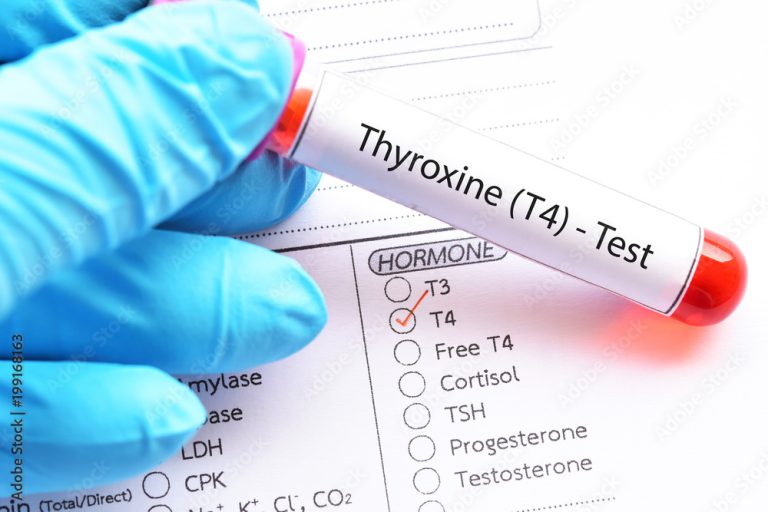
TOTAL THYROXINE (T4)

0

What is Thyroxine (T4)?

Thyroxine (T4) is one of the two major hormones secreted by the thyroid gland. T4 hormone has four iodine molecules attached and is produced by the thyroid gland in much greater amounts than T3. T4 plays a role in the body’s vital functions, thus needs to be monitored. This test singly or in combination with T3 and TSH is used to identify thyroid disorders. The total T4 test measures both free and bound T4 levels in the blood, which aids in the diagnosis of thyroid disorders.

Technique

C.L.I.A

Who prescribes

Endocrinologists, General physician, General Medicine

Sample type

SERUM

Fasting

Non Fasting

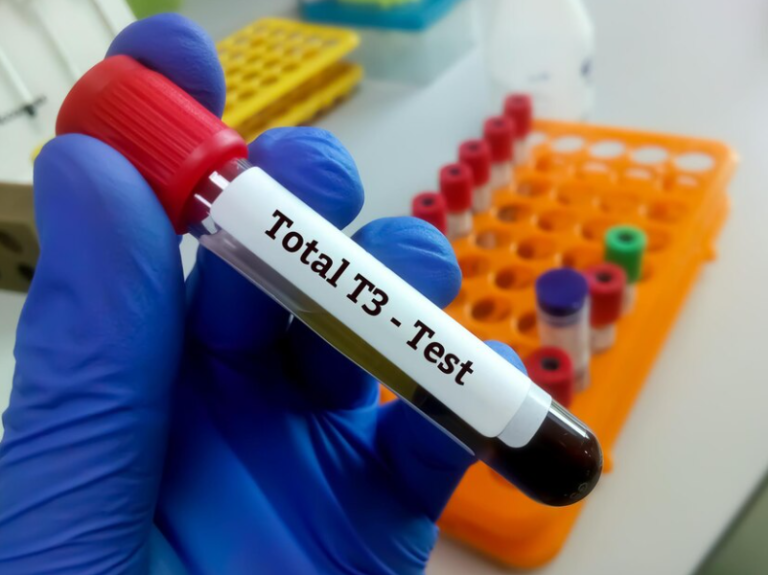
TOTAL TRIIODOTHYRONINE (T3)

0

What is Triiodothyronine (T3)?

Triiodothyronine (T3) is one of the two major hormones produced by the Thyroid gland. T3 has three iodine molecules attached and help to regulate body temperature, metabolism and heart rate, cardiac and digestive functions, muscle control, brain development and function, and bone maintenance. The total T3 test measures both free and bound T3 levels in the blood, which aids in the diagnosis of thyroid disorders. It helps in evaluating thyroidal disorders (if any) and confirms the condition of the thyroid gland, whether hypo, hyper, or euthyroid. It is also useful in distinguishing primary (thyroid) hypothyroidism from secondary (pituitary) and tertiary (hypothalamic) hypothyroidism. Untreated thyroid issues can lead to a number of health problems, such as obesity or unintentional weight loss, joint pain, infertility, and heart disease.

Technique

C.L.I.A

Who prescribes

Endocrinologists, General physician, General Medicine

Sample type

SERUM

Fasting

Non Fasting


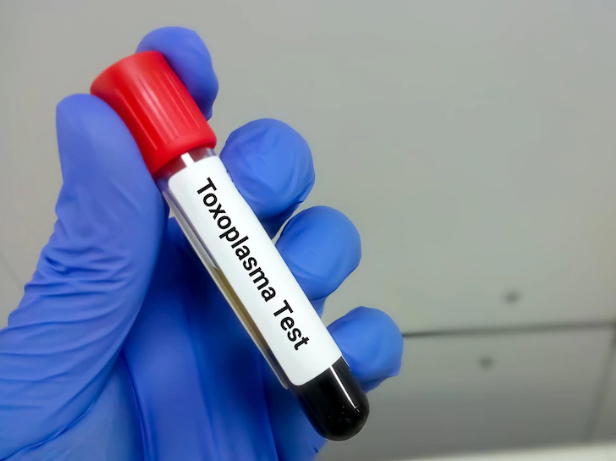
TOXO GONDII – IgG

0

What is Toxoplasma gondii?

Toxoplasma gondii is an intracellular parasitic protozoan that causes Toxoplasmosis. Infection is typically caused by eating contaminated undercooked meat, coming into contact with infected cat feces, or mother-to-child transmission during pregnancy. Most people with the disease have no symptoms, but it can cause serious complications in infants born to infected mothers and immunocompromised people. Toxo Gondii – IgG tests for the presence of IgG antibodies against Toxoplasma gondii and determines whether an individual has previously been infected with the disease. The absence of IgG antibodies before or early in pregnancy identifies women at risk of infection, while the presence of IgG identifies immunocompromised patients at risk of reactivation of a latent infection. Book this test and get free home collection services at a much discounted price.

Technique

E.L.I.S.A

Who prescribes

General Medicine, Infectious diseases specialist

Sample type

SERUM

Fasting

Non Fasting

TREPONEMA PALLIDUM HAEMAGGLUTINATION

0

What is Treponema pallidum Hemagglutination Test?

Treponema pallidum Hemagglutination test detects antibodies in the blood against Syphilis, which is a sexually transmitted disease caused by bacteria Treponema pallidum. Syphilis spreads from person to person via a syphilitic lesion (chancre) and, if left untreated, can harm the eyes, heart, nerves, and even brain. It can also spread from an infected mother to her unborn baby (congenital syphilis). The presence of antibodies in the serum of an infected person is usually used to make a diagnosis. The non-anti-treponemal antibodies tests (such as VRDL) have become popular as rapid screening tests due to their presence only at the time of primary infection, but confirmation of the diagnosis requires the performance of an anti-treponemal antibody test (like TPHA).

Technique

AGGLUTINATION

Who prescribes

General Medicine, General physician

Sample type

SERUM

Fasting

Non Fasting

UNCONJUGATED ESTRIOL (E3)

0

What is Unconjugated estriol (E3)?

Unconjugated estriol (E3) is a form of estrogen, which is biologically active. It is exclusively produced during pregnancy, unlike other estrogens. Unconjugated Estriol test is included as part of triple marker and quadruple marker test for antenatal screening for monitoring fetal development and knowing the risk of pregnancy-related complications like premature labor or fetal distress. The level of unconjugated estriol rises during pregnancy, especially in the first trimester. Low levels of unconjugated estriol indicate Down and trisomy-18 syndromes, and neural tube defects. High levels of estriol are observed in cases of congenital adrenal hyperplasia.

Technique

C.L.I.A

Who prescribes

Endocrinologists, Gynecologist, General physician, General Medicine

Sample type

SERUM

Fasting

Non Fasting

URINARY MICROALBUMIN

0

What is Urinary Microalbumin ?

Healthy kidneys filter only waste from the body and keep the other components like blood proteins (albumin). Damage in the kidney can cause the release of proteins through urine. The first protein to leak out, when the kidney is damaged is Albumin. A urinary Microalbumin test detects small amounts of blood protein (Albumin) in urine, it is used as a marker for early signs of kidney damage in people especially with diabetes and high blood pressure, who are at an increased risk of developing kidney diseases. Urinary microalbumin is also recommended for people above age 60 and with a family history of kidney disease.

Technique

PHOTOMETRY

Who prescribes

Nephrolologists, Generalphysician, GeneralMedicine, Surgeons

Sample type

URINE

Fasting

Non Fasting

VALPROIC ACID

0

What is Valproic acid ?

Valproic acid is used as an anticonvulsant drug in treating epileptic seizures, often in combination with other drugs. It is also used as a mood-stabilizer, in cases of children with aggressive behavioral patterns and attention deficit hyperactivity disorder (ADHD). It is also approved in the treatment of migraines, bipolar disorder, and schizophrenia. It also gives promising results in the treatment of certain solid tumors, colonic cancers, medulloblastomas, follicular thyroid cancer, leukemias, and as a part of the multidrug regimen used in Alzheimer’s disease.

Technique

C.L.I.A

Who prescribes

Neurologist, General physician, General Medicine

Sample type

SERUM

Fasting

Non Fasting

VDRL (RPR) FOR SYPHILIS

0

What is Venereal Disease Research Laboratory (VDRL) test ?

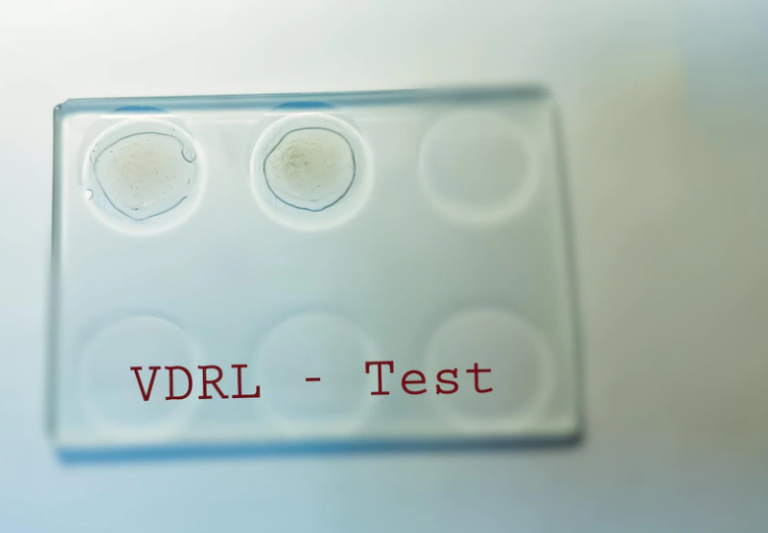
The Venereal Disease Research Laboratory (VDRL) test is used to diagnose Syphilis, a sexually transmitted infection (STI) caused by a spirochete Treponema pallidum. Syphilis can cause long-term complications by invading the nervous and cardiovascular system, if not treated properly. It may be transmitted from infected mother to child during pregnancy or at birth, resulting in congenital Syphilis. This test detects antibodies generated by the body in response to antigens produced by bacteria-damaged cells.

<h2><strong>Technique</strong></h2>
AGGLUTINATION
<h2><strong>Who prescribes</strong></h2>
General Medicine, Infectious diseases specialist
<h2><strong>Sample type</strong></h2>
SERUM
<h2><strong>Fasting</strong></h2>
Non Fasting

VITAMIN B-12

0

What is Vitamin B-12 ?

Vitamin B-12 is required for neuronal brain development and to boost immunity. Monitoring its levels is essential to prevent health complications and memory problems.

Technique

C.L.I.A

Who prescribes

General Medicine, Infectious diseases specialist

Sample type

SERUM

Fasting

Non Fasting

LACTATE DEHYDROGENASE (LDH)

0

What is Lactate dehydrogenase (LDH)?

Lactate dehydrogenase (LDH) is an enzyme present extensively in body tissues, such as blood cells, skeletal muscles, kidneys, brain, and lungs. The tissue levels of this enzyme are 500 fold higher than those normally present in the serum. Thus any cells or tissue damage elevates the serum level of LDH to a significant extent. Thus, increased LDH level in blood is generally an indication of cellular damage. Thyrocare offers an affordable Lactate Dehydrogenase (LDH) test with the free home collection.