Home Blog Page 6

ANTI – DSDNA

0

What is ANTI – DSDNA Test?

Anti-dsDNA test looks for anti-double-stranded DNA antibodies which are autoantibodies against double-stranded DNA. Anti-dsDNA antibodies are characteristic of autoimmune disorders such as Systemic Lupus Erythematosus (SLE). The levels of these antibodies fluctuate with disease activity. Anti-ds-DNA antibody titers may decrease with immunosuppressive therapy and when the disease is in remission. Anti-ds-DNA antibody testing is used to help the diagnosis of SLE, distinguish it from other autoimmune conditions, and assist in disease surveillance. Increase in the level of Anti ds-DNA antibody can be a prior indicator of flare-ups in which their symptoms intensify and then subside.

Technique

E.L.I.S.A

Who Prescribes

General Medicine, Rheumatologist

Sample Type

SERUM

Fasting

Non Fasting

PHENYTOIN / DILANTIN / EPTOIN

0

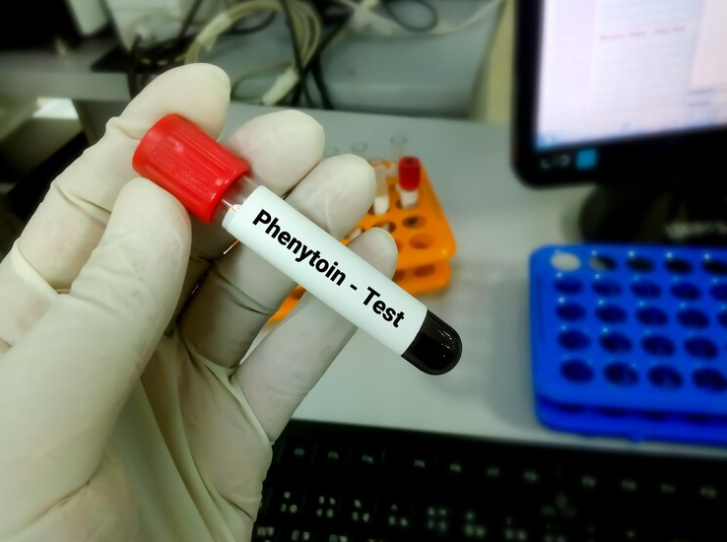
What are PHENYTOIN Test?

Phenytoin test aids in monitoring blood Phenytoin concentration and determining if the drug level is within the therapeutic range. Individuals are advised to take up the Phenytoin test every few days after starting phenytoin medication. Routine monitoring of serum phenytoin concentrations is necessary to maintain therapeutic efficacy and avoid toxicity. Phenytoin test may also aid in determining renal failure. Results should often be evaluated in conjunction with the time of blood collection, dosage, and other medical histories.

Technique

C.L.I.A

Who Prescribes

Neurologist, General physician, General Medicine

Sample Type

SERUM

Fasting

Non Fasting

PERIPHERAL BLOOD SMEAR (PBS)

0

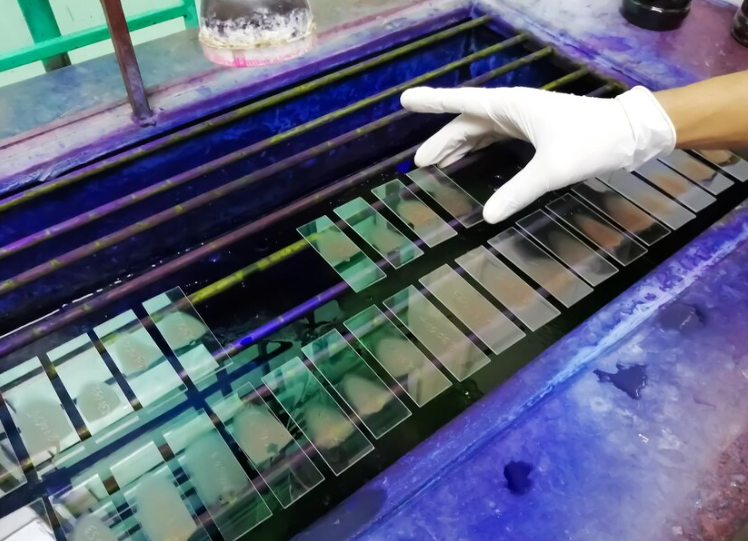
What is Peripheral Blood Smear Test?

A peripheral blood smear test is done. A peripheral blood smear test is performed as part of a general health test to diagnose many illnesses. It aids in diagnosing conditions like malaria, viral infections, blood cell disorders, deficiencies, hemoglobin variants. It is primarily ordered if a person has altered Hemogram or Complete Blood Count results and has symptoms related to the above.

Technique

MICROSCOPY

Who Prescribes

General physician, General Medicine

Sample Type

EDTA

Fasting

Non Fasting

MALARIAL ANTIGEN

0

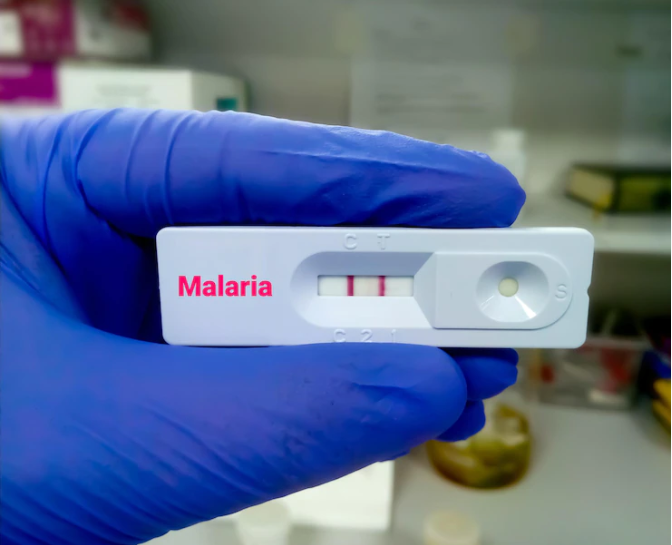
What is Malaria Antigen?

Malaria, caused by the Plasmodium parasites is a mosquito-borne acute febrile illness. The transmission of parasites is mainly by the infected female Anopheles mosquito bite or through blood transfusion, organ transplant, sharing of contaminated needles and syringes. This test is a rapid diagnostic method to detect the presence of malarial antigens in the blood. 

Technique

IMMUNOASSAY

Who Prescribes

General physician, General Medicine

Sample Type

EDTA

Fasting

Non Fasting

MAGNESIUM

0

What is Magnesium?

Magnesium is the mineral found in the body that is needed for healthy bones, heart, muscles, and nerves. This test evaluates the level of Magnesium as its deficiency can cause cardiac arrhythmia, muscle cramps, or tremors. 

Technique

PHOTOMETRY

Who Prescribes

Cardiologists, General Medicine, General physician

Sample Type

SERUM

Fasting

Non Fasting

LUTEINISING HORMONE (LH)

0

What is Luteinising Hormone (LH)?

Luteinising Hormone (LH) plays an important role in maintaining the normal reproductive functions in both males and females. In females, it stimulates the ovaries which result in the release of eggs, while in men it stimulates the testicles that release testosterone hormone. Abnormal levels are found to be associated with infertility, polycystic ovarian syndrome, menstrual problems, testicular atrophy, etc. 

Technique

C.L.I.A

Who Prescribes

Obstetricians, Gynecologists, Urologists

Sample Type

SERUM

Fasting

Non Fasting

LP-PLA2

0

What is LP-PLA2?

Lp-PLA2 (Lipoprotein-Associated Phospholipase A2) is a vascular-specific enzyme produced by inflammatory cells. It is involved in the formation of plaque (wax made of fats and cholesterol) around the walls of arteries, which if ruptured may lead to a heart attack. Thus, individuals with increased levels of Lp-PLA2 enzyme are at higher risk of cardiovascular disorders and stroke. Some studies indicate that the Lp-PLA2 test is a better marker for detecting a heart-related disease than high-density lipoprotein (HDL) and low-density lipoprotein (LDL) levels. 

Technique

PHOTOMETRY

Who Prescribes

General physician, General Medicine

Sample Type

SERUM

Fasting

Non Fasting

LITHIUM

0

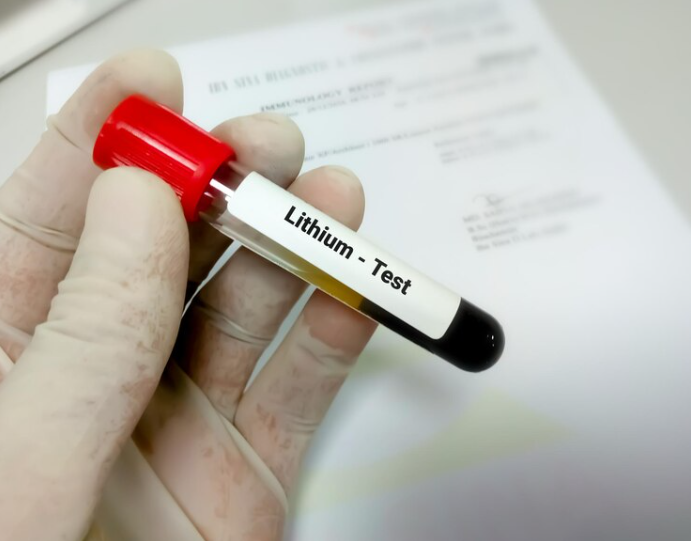
How is Lithium used as medicine.

Lithium is used as a medicine to treat psychiatric illnesses such as bipolar disorders, acute mental illness, and other mood disorders. This test is useful to find out the appropriate dose for those who have just started with lithium treatment. It is also used to ensure that the right dosage is being administered throughout the treatment course. As the therapeutic index of lithium is narrow, there are chances of toxicity in patients who are on its regular dose. There is also the perception that lithium use poses particular problems, such as adverse effects and poor patient adherence, dose uncertainty, and the occurrence of withdrawal mood episodes upon sudden discontinuation. Altered mental status is the most common manifestation of its toxicity.

Technique

PHOTOMETRY

Who Prescribes

General physician, General Medicine

Sample Type

SERUM

Fasting

Non Fasting

LIPOPROTEIN (A)

0

What is lipoprotein A?

Estimation of lipoprotein A level is needed for monitoring the cardiac risk of subjects with a family history of cardiovascular disease (CVD) and also evaluating the effectiveness of lipid-lowering therapy. Increased levels mostly indicate a reduced risk of cardiovascular diseases.

Technique

PHOTOMETRY

Who Prescribes

Gastroenterologist, General physician, General Medicine

Sample Type

SERUM

Fasting

Fasting Required

LIPASE

0

What is Lipase ?

Lipase is an enzyme produced by the pancreas to digest dietary fats. It is usually present in very small quantities, but when the pancreatic cells are injured, a higher concentration of lipase is released in the blood. A blood test for lipase is usually used to diagnose and monitor disorders related to the pancreas. The level of lipase in the blood can predict conditions like inflammation of the pancreas, blockage of the pancreatic duct by a gallstone, and pancreatic tumor. A lipase test is recommended for a person with symptoms of a pancreatic disorder, such as severe abdominal or back pain, fever, loss of appetite with jaundice, and rapid pulse rate.

Technique

PHOTOMETRY

Who prescribes

Gastroenterologist, General physician, General Medicine

Sample type

SERUM

Fasting

Fasting Required